Table of Contents >> Show >> Hide
- What Is the Postalco One-Year Wall Calendar?
- Why a One-Year Wall Calendar Still Matters
- Design: Minimal, Functional, and Surprisingly Human
- Who Is the Postalco One-Year Wall Calendar Best For?
- How to Use the Postalco One-Year Wall Calendar Effectively
- Postalco Wall Calendar vs. Digital Calendar
- Why Paper Planning Feels Different
- Practical Examples for Using the Calendar
- Is the Postalco One-Year Wall Calendar Worth It?
- Buying Tips and Setup Advice
- Experience Notes: Living With a Postalco One-Year Wall Calendar
- Conclusion
The Postalco One-Year Wall Calendar is the kind of object that looks almost too simple at first. It is a single sheet calendar. It hangs on a wall. It shows the entire year. It gives each day a small space for a note. That is it. No blinking reminders. No cheerful notification sound. No app asking for permission to access your soul, your contacts, and possibly your refrigerator.
And yet, that simplicity is exactly why this calendar has become such an appealing tool for people who like thoughtful stationery, clean design, and planning systems that do not require a 47-minute tutorial. Postalco’s calendar is built around one powerful idea: time becomes easier to understand when you can see the whole year at once.
In a world where our schedules are chopped into tabs, alerts, weekly views, and tiny phone screens, the Postalco One-Year Wall Calendar does something refreshingly old-fashioned. It makes time visible. It lets the entire year breathe on one piece of paper. For project planning, family coordination, travel ideas, work deadlines, birthdays, fitness goals, school schedules, or creative routines, that big-picture view can be surprisingly useful.
What Is the Postalco One-Year Wall Calendar?
The Postalco One-Year Wall Calendar is a minimalist yearly wall planner designed by Postalco, a design studio that began in Brooklyn, New York, and is now based in Tokyo. Postalco is known for everyday objects that combine utility, understatement, warmth, and Japanese craftsmanship. The brand’s stationery often feels less like “office supplies” and more like quiet tools for thinking.
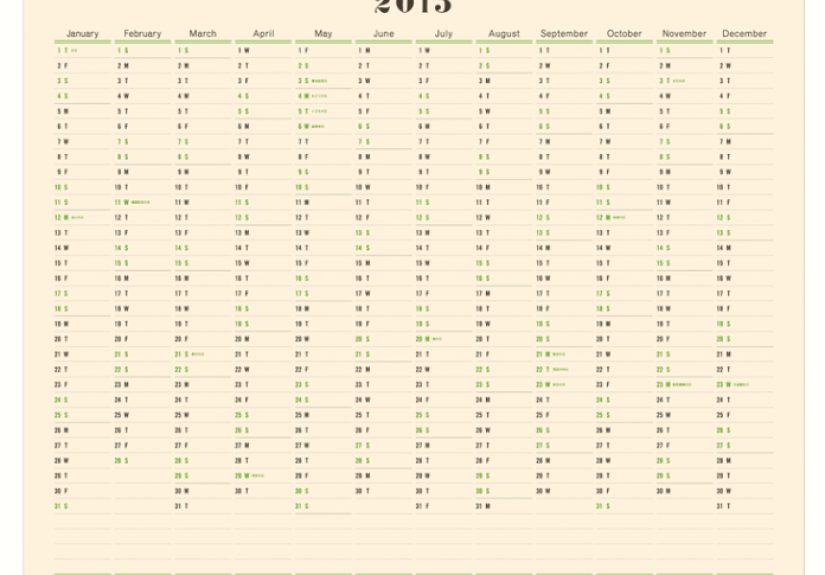
The current Postalco One-Year Wall Calendar measures approximately 57 x 45 cm, or about 22.4 x 17.5 inches. It is large enough to be readable on a wall but not so huge that it turns your room into a corporate war room. The design shows the full year on one sheet, with enough room to write a brief note for each day. Postalco’s 2026 version also shows Japanese holidays, which gives it a slightly international character and makes it especially interesting for fans of Japanese stationery.
At its core, this is not a decorative calendar filled with dramatic landscape photos, inspirational quotes, or puppies wearing scarves. It is more practical than sentimental. But that does not mean it is cold. The design has a calm, thoughtful personality. It is the calendar equivalent of someone who shows up on time, brings a good pen, and never makes a big fuss about being competent.
Why a One-Year Wall Calendar Still Matters
Digital calendars are excellent. Nobody is arguing that a paper calendar can send a meeting invitation, sync across devices, or yell at you 10 minutes before a dentist appointment. But a physical wall calendar serves a different purpose. It is not just for storing dates. It is for seeing patterns.
When a year is spread out in front of you, you notice things that are easy to miss on a phone. You can see how close a deadline really is. You can spot busy seasons before they ambush you. You can tell whether your “relaxing month” is actually packed with appointments, school events, travel, and three birthdays that all somehow require cake.
That is the real value of the Postalco One-Year Wall Calendar: perspective. A monthly calendar shows one chapter. A weekly planner shows a paragraph. A daily to-do list shows one sentence. A one-year wall calendar shows the whole story arc.
Design: Minimal, Functional, and Surprisingly Human
The Postalco calendar follows the brand’s broader design philosophy: make useful things, make them well, and let the user’s daily life bring the object to life. There is no decorative noise. The calendar is clean, readable, and intentionally restrained.
A Full-Year View Without Visual Clutter
Many wall calendars try to be motivational posters, art prints, and scheduling tools at the same time. The result can be charming, but it can also become visually busy. Postalco takes the opposite approach. The calendar gives the year room to exist. Each day has space for a short note, which encourages quick, useful writing rather than full diary entries.
That small writing space is a feature, not a weakness. It pushes you to write what matters: “taxes,” “flight,” “exam,” “Mom visits,” “launch day,” “rent due,” “rest.” A wall calendar should not become a novel. That is what notebooks, journals, and suspiciously long email drafts are for.
Made for Homes, Studios, and Offices
Because the Postalco One-Year Wall Calendar has a neutral and minimalist look, it works in many settings. In a home office, it can help track deadlines and personal commitments. In a kitchen, it can become a shared family planning board. In a studio, it can map creative projects, production cycles, or exhibition dates. In a small business, it can show seasonal campaigns, shipping windows, and major milestones.
It blends in without disappearing. That is a difficult balance. Some calendars are so plain they feel like tax paperwork. Others are so decorative that writing on them feels like vandalism. Postalco lands somewhere more useful: attractive enough to keep on display, simple enough to use every day.
Who Is the Postalco One-Year Wall Calendar Best For?
The calendar is especially useful for people who think visually. If your brain likes timelines, patterns, and “wait, how many weeks do I actually have?” moments, a one-year wall planner can be a game changer.
Project Managers and Creative Professionals
For long-term projects, a full-year calendar makes deadlines more honest. A launch date in October may feel far away in March, until you see the months lined up and realize that design, production, review, testing, revisions, and promotion all need space. Suddenly, October is not “later.” It is “please start now.”
Writers, designers, photographers, educators, content creators, and small business owners can use the Postalco calendar to map big milestones. For example, a blogger could mark editorial themes by month, publication dates by week, and campaign deadlines with simple symbols. A designer could track client phases, print dates, and delivery windows. A teacher could mark exam periods, project deadlines, and school breaks.
Families and Shared Households
Digital calendars are personal. Wall calendars are communal. When a paper calendar hangs in a visible place, everyone in the home can see it. That makes it useful for families, roommates, couples, or anyone sharing responsibilities.
A shared wall calendar can prevent classic household mysteries such as “Who scheduled this appointment?” and “Why did nobody tell me the dog had a vet visit?” With the Postalco calendar, the whole year is visible, so recurring events, school breaks, travel plans, and family visits become easier to coordinate.
Students and Lifelong Learners
Students often underestimate how quickly deadlines arrive. A yearly wall calendar helps turn an abstract semester into visible time. Major exams, application deadlines, reading weeks, assignment due dates, and extracurricular commitments can all be mapped in one place.
The benefit is not just organization. It is emotional. When deadlines live only in a syllabus or an app, they can feel vague until they become urgent. Seeing them on a wall makes them concrete earlier, which gives you more room to plan and fewer reasons to panic-eat cereal at midnight.
How to Use the Postalco One-Year Wall Calendar Effectively
A calendar is only useful if it is used. Fortunately, this one does not require a complicated system. The best approach is simple, consistent, and realistic.
Start With Fixed Dates
Begin by writing in dates that will not move. These include birthdays, holidays, school breaks, tax deadlines, rent or mortgage due dates, annual renewals, conferences, travel dates, and major appointments. This creates the skeleton of your year.
Once those fixed dates are visible, you can plan around them. For example, if you know a family trip takes up the second week of July, you can avoid scheduling a major work deadline immediately after it unless you enjoy returning from vacation directly into chaos.
Add Project Milestones
Next, add major project milestones. Keep the wording short. Instead of writing “finish the complete first draft of the quarterly marketing strategy,” write “Q2 draft due.” The calendar gives each day just enough space for brief notes, so concise language works best.
For big projects, work backward. If a launch is planned for September 15, mark earlier dates for research, drafts, approvals, testing, and final review. A yearly wall calendar is excellent for reverse-engineering deadlines because you can physically see the runway.
Use Symbols or Gentle Color Coding
You do not need a rainbow army of markers, but a few symbols can help. A small star might mean a deadline. A circle might mean travel. A triangle might mean payment due. A dot might mean a habit goal. Keep it simple. If your calendar key requires its own calendar, the system has officially become a hobby.
Color coding can also help, especially for shared calendars. For example, blue for work, green for family, red for urgent deadlines, and pencil for tentative plans. The key is restraint. A minimalist calendar deserves minimalist markings.
Review It Weekly
Choose one time each week to review the calendar. Sunday evening or Monday morning works well for many people. Look at the next two weeks, then glance at the next two months. This habit helps you catch upcoming deadlines before they sneak up wearing little deadline shoes.
A weekly review also keeps the calendar alive. Paper planning tools work best when they are part of a routine. Write on it, check it, adjust it, and let it become a visible part of your environment.
Postalco Wall Calendar vs. Digital Calendar
The Postalco One-Year Wall Calendar does not need to replace your digital calendar. In fact, it works best as a companion. Use digital tools for alerts, invitations, recurring meetings, and details. Use the Postalco calendar for the big picture.
Think of your phone calendar as the assistant that taps your shoulder and says, “Meeting in 10 minutes.” Think of the Postalco calendar as the quiet strategist on the wall saying, “Your next three months are overloaded, friend.” Both are helpful. They simply solve different problems.
Research and academic productivity advice often support the idea of using planning tools consistently, whether digital or physical. A paper calendar adds something special: visibility. It does not vanish when the screen closes. It stays in the room, quietly reminding you that time exists even when your phone battery does not.
Why Paper Planning Feels Different
Writing something by hand can make a plan feel more intentional. When you write on paper, you slow down slightly. That tiny pause gives your brain time to process what you are committing to. It is harder to casually overbook yourself when you can see the entire year and physically write every important date.
Paper also creates spatial memory. You may remember that a deadline is “somewhere near the bottom right of the calendar” or that a vacation sits between two busy work blocks. These visual cues can make the year feel more understandable. A digital list can store information; a wall calendar can help you perceive it.
That does not mean paper is magically superior for every person. Some people need digital alerts. Some people prefer apps. Some people use both and live happily in planner peace. The Postalco calendar is best for people who want a calm, visible, physical overview of the year.
Practical Examples for Using the Calendar
Here are a few realistic ways to use the Postalco One-Year Wall Calendar without turning your life into an operations manual.
Editorial Planning
If you run a blog, YouTube channel, newsletter, or social media content plan, use the calendar to mark publishing dates, seasonal topics, campaign launches, and content batches. For example, a home improvement blog might mark spring cleaning content in March, outdoor projects in May, holiday decorating in November, and year-end roundups in December.
Travel Planning
Use the calendar to track flights, hotel dates, passport renewals, school breaks, and local holidays. Because the Postalco calendar shows the year at once, it helps you see how travel affects the weeks before and after the trip. This is helpful because the day after returning home is rarely the ideal moment to schedule six meetings and a dental cleaning.
Habit Tracking
For habits, keep it simple. Add a tiny mark for each day you complete a goal, such as reading, stretching, walking, practicing an instrument, or writing. Over time, the calendar becomes a visual record of consistency. Missed days are not failures; they are data. Very judgmental-looking data, perhaps, but still useful.
Family Coordination
For families, write major school dates, sports seasons, medical appointments, trips, birthdays, and payment deadlines. Keep the calendar in a shared place, such as a kitchen, hallway, or family workspace. The goal is not perfection. The goal is fewer surprises.
Is the Postalco One-Year Wall Calendar Worth It?
The Postalco One-Year Wall Calendar is worth considering if you value simple design, paper planning, and a full-year overview. It is not the cheapest calendar in the universe, and it is not the most feature-packed. But that is part of the appeal. It does one thing well: it helps you see the year.
It is also a good choice for people who appreciate Japanese stationery and thoughtful everyday tools. Postalco’s broader design approach focuses on objects that are useful, understated, and pleasant to use. This calendar fits that philosophy perfectly.
However, it may not be ideal if you need large writing spaces, daily task lists, or heavy scheduling details. If every day requires five appointments, meal plans, workout notes, and three reminders to drink water, you may want a larger planner in addition to this wall calendar. The Postalco calendar is for brief notes and big-picture planning, not full daily management.
Buying Tips and Setup Advice
Before buying, check the year, size, shipping options, and holiday format. Postalco releases yearly versions, so make sure you are ordering the correct year. The 2026 calendar, for example, displays Japanese holidays, which may be useful, interesting, or simply a charming detail depending on where you live.
When placing it, choose a wall where you will actually see it. A calendar hidden behind a door is just paper doing community theater. Good locations include above a desk, beside a kitchen counter, near a family command center, or in a studio workspace.
Use a pen that writes cleanly and does not bleed heavily. If you plan to change dates often, use pencil for tentative events. Keep a small eraser or correction tape nearby. Planning is a living process, and the year will change. That is normal. The calendar should support your life, not judge it from the wall like a minimalist owl.
Experience Notes: Living With a Postalco One-Year Wall Calendar
Using a one-year wall calendar changes the feeling of planning because it changes the scale. A phone calendar is excellent for the next appointment. A paper planner is excellent for the next day or week. But a one-year calendar gives you the rare pleasure of seeing January and December in the same glance. It makes the year feel less like a mysterious tunnel and more like a map.
The first experience many people have with a yearly wall calendar is mild shock. You write down a few fixed commitments, then suddenly the year does not look empty anymore. Birthdays take space. Travel takes space. School events take space. Work deadlines take space. Even rest needs space. The calendar quietly reveals what your brain was trying to keep in a messy pile labeled “later.”
With the Postalco One-Year Wall Calendar, the small daily writing areas encourage discipline. You cannot write a full paragraph, which is helpful. Instead, you develop a shorthand. “Dentist 10,” “draft due,” “flight,” “rent,” “call Sam,” “launch,” “no plans.” These tiny notes become enough. They are not there to explain your life. They are there to help you steer it.
Another pleasant experience is how the calendar becomes part of the room. Unlike an app, it does not demand attention aggressively. It simply remains visible. You pass by, glance at it, and remember that your project deadline is three Fridays away. That small reminder can prevent a lot of last-minute scrambling. It is quiet productivity, not productivity wearing a headset and yelling motivational quotes.
For creative work, the calendar is especially useful. A writer can map chapters across months. A designer can track client phases. A small shop owner can mark product drops, inventory deadlines, and holiday shipping windows. A student can see how exams cluster together. When the whole year is visible, planning becomes less reactive. You stop asking, “What is urgent today?” and start asking, “What is coming next?”
The calendar also helps with reflection. At the end of the year, it becomes a physical record of what happened. You can see busy seasons, quiet stretches, missed goals, completed projects, travel, family events, and unexpected changes. That record can help you plan the next year more honestly. Maybe March was overloaded. Maybe August was too empty. Maybe every deadline you placed after a vacation was a mistake you do not need to repeat. The wall calendar becomes a gentle teacher, assuming you are willing to listen.
One of the best ways to use the Postalco calendar is to combine it with a weekly review. Once a week, stand in front of it for five minutes. Look at the next two weeks, then the next two months. Ask three questions: What is coming up? What needs preparation? What can be moved before it becomes a problem? This short ritual can make the calendar far more powerful than a passive date display.
The experience is also surprisingly calming. A year can feel overwhelming when it is invisible. Once it is on the wall, it becomes something you can work with. You can mark it, adjust it, and understand it. You may not control everything that happens during the year, but you can give yourself a better view. That is the quiet charm of the Postalco One-Year Wall Calendar. It does not promise to make you a perfect planner. It simply gives time a place to land.
Conclusion
The Postalco One-Year Wall Calendar is a beautifully simple planning tool for people who want to see the year clearly. Its minimalist layout, compact wall-friendly size, brief daily writing spaces, and full-year view make it useful for project planning, family coordination, school schedules, creative work, travel, and personal goals.
It will not replace every digital tool, and it does not try to. Instead, it offers something screens often fail to provide: a steady, visible sense of time. For anyone who loves Japanese stationery, thoughtful design, or the satisfying feeling of writing plans by hand, this calendar is a small but meaningful upgrade to daily life.