Table of Contents >> Show >> Hide
- What Counts as a Body-Focused Repetitive Behavior?
- When Does a Habit Become a Disorder?
- The Main Types: Picking, Pulling, and Biting
- Why Do These Disorders Happen?
- Automatic vs. Focused Behaviors
- What Damage Can These Behaviors Cause?
- How BFRBs Are Diagnosed
- What Treatment Actually Helps?
- Everyday Strategies That Can Make a Real Difference
- When to Seek Professional Help
- The Human Experience Behind the Disorder
- Conclusion
- SEO Tags
Let’s start with a gentle correction wrapped in a friendly bow: what many people call “body damaging disorders” are more accurately grouped under the clinical term body-focused repetitive behaviors, or BFRBs. That umbrella includes behaviors like skin picking, hair pulling, nail biting, lip biting, and cheek chewing. They may look like habits from the outside, but for many people, they are much more than that. They can be persistent, distressing, physically damaging, and weirdly hard to stoplike your own hands have ignored your resignation letter and kept showing up to work anyway.
BFRBs sit at the intersection of mental health, behavior, and body awareness. They can be triggered by stress, boredom, perfectionism, anxiety, sensory discomfort, or even nothing obvious at all. Some people do them automatically while reading, scrolling, studying, or watching TV. Others do them in a more focused way, almost like a ritual, chasing relief, a “just right” feeling, or the urge to fix something that feels off.
The result is often the same: shame, frustration, and damage to skin, hair, nails, or the inside of the mouth. And because these disorders are misunderstood, people are often told to “just stop.” That advice is about as helpful as telling someone with insomnia to “just sleep harder.”
This article breaks down what picking, pulling, and biting disorders really are, why they happen, what makes them different from ordinary habits, and what treatment and coping strategies can actually help.
What Counts as a Body-Focused Repetitive Behavior?
BFRBs are repetitive self-grooming behaviors that cause physical damage and continue despite repeated attempts to stop. The best-known examples include:
- Excoriation disorder, also called skin picking disorder or dermatillomania
- Trichotillomania, also called hair-pulling disorder
- Onychophagia, or chronic nail biting
- Lip biting and cheek chewing
- Nail picking and related repetitive grooming behaviors
Clinically, hair pulling and skin picking are the two most clearly recognized diagnoses in modern psychiatric classification. Other behaviors, such as nail biting or cheek biting, may still be clinically significant even if they are not always listed as stand-alone diagnoses. In plain English: just because a behavior sounds common does not mean it is harmless or “not serious enough.”
When Does a Habit Become a Disorder?
Plenty of people pick at a scab once, tug at split ends, or gnaw on a nail before a job interview. A disorder is different. It crosses the line when the behavior becomes repetitive, difficult to control, physically harmful, and emotionally disruptive.
A person may be dealing with a BFRB when they:
- Try again and again to stop, cut back, or hide the behavior
- Spend significant time doing it or thinking about doing it
- Develop lesions, bald spots, bleeding, soreness, or damaged nails
- Feel embarrassed, ashamed, isolated, or out of control
- Find that the behavior interferes with work, school, sleep, or relationships
That distinction matters. BFRBs are not simply bad habits, laziness, or a lack of self-discipline. They are treatable behavioral health conditions that often come with real physical consequences.
The Main Types: Picking, Pulling, and Biting
Skin Picking Disorder
Skin picking disorder involves repeated picking, scratching, rubbing, or squeezing of the skin, often to the point of causing visible injury. Common target areas include the face, arms, hands, scalp, shoulders, and cuticles. Some people pick with their fingers; others use tweezers, pins, mirrors, or magnifying tools that turn a quick “fix” into a full-blown mission.
Triggers vary. A bump, blemish, scab, uneven texture, ingrown hair, or dry patch may create a powerful urge to pick. For some people, the goal is to smooth the skin or remove an “imperfection.” For others, it happens automatically while they are stressed, understimulated, or lost in thought.
Skin picking can lead to open wounds, discoloration, infections, and scarring. It can also become emotionally exhausting. Many people spend a huge amount of energy hiding the evidence with makeup, long sleeves, strategic lighting, or elaborate explanations that nobody asked for but that shame insists on providing anyway.
Hair-Pulling Disorder
Trichotillomania is the repeated urge to pull out hair from the scalp, eyebrows, eyelashes, beard area, or elsewhere on the body. Some people pull without realizing it. Others feel mounting tension beforehand and relief, satisfaction, or calm afterward. The pulling may be brief and scattered, or prolonged and ritualized.
Hair pulling often begins in childhood or adolescence, though it can continue into adulthood. It may cause patchy hair loss, irritation, and a lot of emotional distress. People frequently go to great lengths to hide bald spots, missing lashes, or thinning brows. Hats, makeup, false lashes, changed hairstyles, and very strategic mirror angles become part of daily life.
Not everyone with hair pulling feels the same thing. One person may describe it as soothing. Another may call it maddening. A third may say, “I don’t even notice I’m doing it until there’s a pile of hair next to me.” All three experiences can be real.
Nail Biting, Lip Biting, and Cheek Chewing
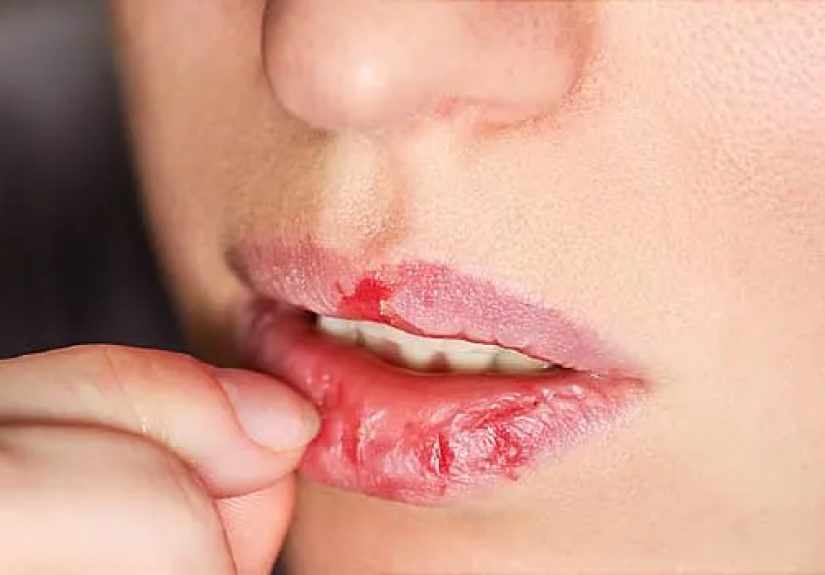
These behaviors are often dismissed because they are common, but they can become chronic and damaging. Repeated nail biting can injure the skin around the nails, distort nail growth, and increase the risk of infection. Lip and cheek biting can leave sore spots, swelling, roughened tissue, and an aggravating cycle where the damaged area feels “wrong,” which then makes a person want to bite it again. It is the behavioral version of pressing on a bruise to check whether it still hurts. Spoiler: it does.
These behaviors may happen during concentration, stress, boredom, sensory overload, or emotional discomfort. The person may not even realize they are doing it until the skin is raw or the nails are half gone.
Why Do These Disorders Happen?
There is no single cause. BFRBs are believed to arise from a mix of biological, psychological, and environmental factors. Research and clinical experts point to contributions from genetics, brain circuits involved in reward and habit formation, emotional regulation, sensory processing, and learned patterns of behavior.
That means the behavior is not random, even when it feels random. It may serve a function, such as:
- Reducing tension, anxiety, boredom, or restlessness
- Creating relief or temporary satisfaction
- Managing sensory discomfort, such as a rough texture or “wrong” feeling
- Providing stimulation during low-focus moments
- Acting as a repeated coping strategy that became deeply ingrained over time
Many people also have overlapping conditions or symptoms, including anxiety, depression, obsessive-compulsive symptoms, perfectionistic thinking, trauma-related stress, or attention difficulties. That does not mean everyone with a BFRB has the same mental health profile. It simply means these conditions often travel with company.
Automatic vs. Focused Behaviors
One reason BFRBs are so frustrating is that they do not always happen the same way. Clinicians often describe two broad patterns:
Automatic BFRBs
These happen with limited awareness. A person may pull, pick, or bite while driving, reading, studying, gaming, or watching a show. They only realize what happened after the fact, when the damage is already done.
Focused BFRBs
These involve more awareness and intention. The person may scan for the “right” hair, the “wrong” bump, or the rough edge that must be removed immediately because their brain has declared it an emergency. Focused behaviors are often linked with tension, stress, or the urge to correct a sensation or appearance issue.
Many people experience both. That is why treatment has to address more than willpower. You cannot out-stubborn a behavior that sometimes happens before you even notice it has started.
What Damage Can These Behaviors Cause?
The physical effects can range from mild irritation to serious harm. Depending on the behavior, BFRBs can lead to:
- Bleeding, scabs, and open wounds
- Skin infections and delayed healing
- Scarring and discoloration
- Patchy hair loss or visible thinning
- Damaged nails or distorted nail growth
- Sore lips, cheeks, gums, or cuticles
But the emotional toll is often just as significant. People may avoid dates, haircuts, nail salons, dentist appointments, swimming, bright sunlight, sleepovers, video calls, or simply sitting too close to someone who might notice. The disorder can quietly shrink a person’s world.
How BFRBs Are Diagnosed
Diagnosis usually begins with a health professional noticing the signs or a person finally saying, “I think this is more than a habit.” Primary care doctors, dermatologists, pediatricians, dentists, psychologists, and psychiatrists may all play a role.
A clinician will typically ask:
- What behavior is happening?
- How often does it happen?
- What triggers it?
- What damage has it caused?
- Have there been repeated attempts to stop?
- Is another medical or mental health condition better explaining the behavior?
That last point matters. Sometimes skin picking may overlap with acne, eczema, or other dermatologic conditions. Hair loss can have medical causes unrelated to pulling. Mouth injuries can have dental contributors. Good diagnosis means looking at the whole picture, not just the visible damage.
What Treatment Actually Helps?
Here is the hopeful part: BFRBs are treatable. Not always instantly. Not always neatly. But treatable, yes.
Habit Reversal Training
One of the best-supported approaches is habit reversal training, often called HRT. It usually includes:
- Awareness training to notice when, where, and how the behavior starts
- Competing responses that make the behavior harder to do, such as clenching fists, sitting on hands briefly, squeezing a stress object, or using another hand-based action
- Stimulus control to change the environment, like covering mirrors, wearing gloves, keeping nails short, or limiting access to tools
- Trigger mapping to identify emotional, sensory, or situational patterns
HRT is not glamorous, but it is practical. It teaches the brain that the urge can be noticed, interrupted, and redirected.
Cognitive Behavioral Therapy
Cognitive behavioral therapy, or CBT, can also help by addressing the thoughts, emotions, and routines wrapped around the behavior. A person may learn how perfectionism fuels picking, how boredom sparks biting, or how anxiety ramps up pulling. Therapy can also target shame, avoidance, and all-or-nothing thinkingthe classic “I messed up once today, so the whole day is ruined” trap.
Treatment for Physical Damage
Skin, scalp, nails, and mouth tissue may need direct medical care. A dermatologist may help manage lesions, infection risk, and wound healing. A dentist can help with cheek or lip damage. A primary care clinician or therapist can coordinate care when the behavior overlaps with anxiety, depression, OCD symptoms, or trauma.
Medication
Medication may help some people, especially when anxiety, depression, or obsessive-compulsive symptoms are part of the picture. But this is not a one-size-fits-all situation, and there is no magic pill that marches in with a cape and solves everything by Tuesday. Medication decisions should always be made with a qualified clinician.
Everyday Strategies That Can Make a Real Difference
Treatment is not only about formal therapy. Daily friction-reducing strategies matter too. Helpful tools may include:
- Keeping nails trimmed short to reduce damage and temptation
- Using fidget items, textured objects, or stress balls to occupy the hands
- Covering common picking areas with bandages or clothing when appropriate
- Improving lighting and mirror boundaries if visual scanning triggers episodes
- Creating “hands busy” routines for TV, study time, phone calls, or commuting
- Using skin and nail care routines that reduce rough spots and sensory triggers
- Tracking episodes to spot patterns instead of relying on memory and vibes
These strategies are not silly. They are behavioral engineering. Sometimes recovery begins with something as humble as a fidget ring, a pair of gloves, or moving the tweezers to a place that is inconvenient enough to annoy your impulse into giving up.
When to Seek Professional Help
It is time to reach out for professional support when the behavior is causing visible damage, pain, bleeding, infections, hair loss, emotional distress, or disruption to daily life. It is also worth seeking help when shame and secrecy are taking over, even if the physical damage seems “not bad enough.” You do not need to hit some dramatic rock bottom before you qualify for care.
If there are signs of infection, worsening wounds, severe anxiety, depression, or thoughts of self-harm, prompt professional help is especially important.
The Human Experience Behind the Disorder
Talking about symptoms is useful. Talking about lived experience is often what finally makes someone feel seen.
Many people with BFRBs describe living in a cycle that feels maddeningly familiar. There is the urge, then the behavior, then a brief sense of relief or satisfaction, and then the crash: regret, shame, irritation, or the sinking realization that you did it again. By the next day, the promise returns: Today will be different. Sometimes it is. Sometimes a stressful email, a long commute, a rough patch of skin, or a quiet hour on the couch is enough to restart the whole loop.
For someone with skin picking, a mirror can become less of a mirror and more of a trapdoor. They may walk in intending to wash their face and walk out 35 minutes later wondering where the time went. For someone with hair pulling, the behavior may happen during homework, during traffic, or while lying in bed half-awake. For someone who bites their nails or cheeks, the damage may build quietly all day until they notice tenderness, swelling, or that familiar rough spot that somehow becomes both the problem and the target.
There is also the social side, which is rarely small. People become experts at hiding. They angle their faces away from bright light. They avoid windy days if their hair loss is visible. They keep their hands in pockets. They decline salon visits, skip close-up photos, or become weirdly passionate about “not really liking” manicures. They may joke about the behavior first so nobody else can. Humor can be a shield, and sometimes it is a very good one.
Family and friends do not always help, even when they mean well. “Stop picking.” “Don’t touch your face.” “Why are you doing that?” These comments usually land like a tiny hammer on an already bruised spot. Most people with BFRBs already know the behavior is happening. What they need is support, not surveillance.
Another common experience is feeling split in two. One part of the person desperately wants to stop. The other part lunges toward the behavior before logic has even found its shoes. That conflict can make people feel weak, broken, or irrational. They are none of those things. They are dealing with a real, repetitive behavioral disorder that often mixes urge, habit, relief, and shame in a very stubborn package.
Recovery stories are rarely perfect, but they are real. Many people improve when they understand their triggers, get evidence-based treatment, and replace judgment with strategy. Progress may look like shorter episodes, fewer injuries, less secrecy, or being able to interrupt the urge once when you used to interrupt it never. That still counts. In fact, it counts a lot.
Conclusion
Picking, pulling, and biting disorders are not punchlines, personality flaws, or signs that someone lacks self-control. They are body-focused repetitive behaviors that can cause real physical damage and emotional distress, while also being surprisingly common and highly misunderstood.
The good news is that these disorders respond to treatment. With the right combination of awareness, behavioral tools, therapy, medical support, and self-compassion, people can reduce symptoms and reclaim a lot of the time, confidence, and comfort these behaviors steal.
If there is one takeaway worth keeping, it is this: when a behavior causes damage and feels impossible to stop, the answer is not more shame. The answer is better understanding and better care.