Table of Contents >> Show >> Hide
- Why Petite Beef Wellingtons Are Easier Than the Big Roast
- Petite Beef Wellingtons Ingredients
- Tools & Timing
- Petite Beef Wellingtons Recipe (Step-by-Step)
- Step 1: Season and Chill the Filets
- Step 2: Sear the Beef (Quickly!)
- Step 3: Make Mushroom Duxelles (Dry = Good)
- Step 4: Build the “Moisture Barrier” Wrap
- Step 5: Wrap in Puff Pastry
- Step 6: Egg Wash, Score, and Chill (Yes, Again)
- Step 7: Bake Until Golden and Cooked to Your Doneness
- Step 8: Rest, Then Serve
- How to Avoid Soggy Bottom (A Tragedy in Three Acts)
- Make-Ahead, Freezing, and Stress-Free Entertaining
- Sauce Ideas That Make This Feel Like a Steakhouse
- Petite Beef Wellington Variations
- Troubleshooting & FAQs
- Serving Suggestions
- Cook’s Notebook: Experiences and Real-World Lessons ()
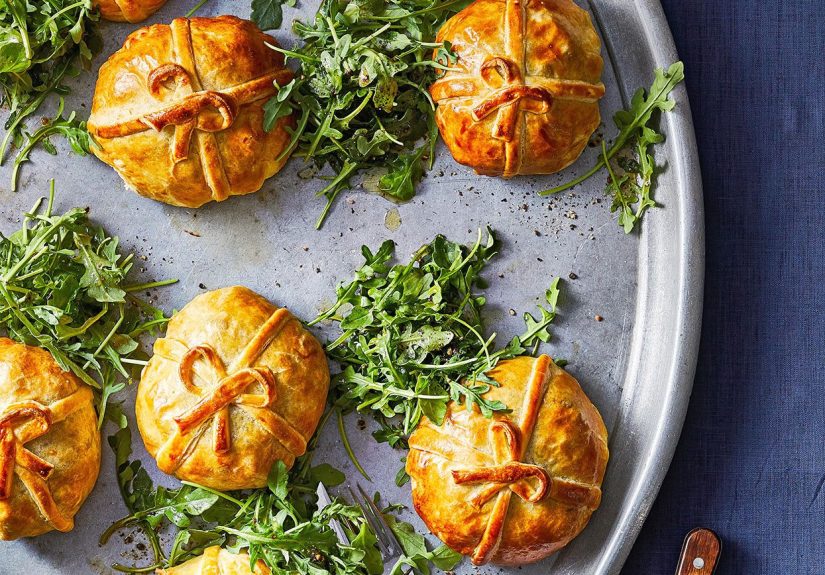
Petite Beef Wellingtons are what happen when a fancy restaurant entrée and a party appetizer fall in love and
decide to be more practical. You get buttery, flaky puff pastry. You get tender beef. You get a savory
mushroom layer that smells like you should own at least one copper pan. And best of all? Everyone gets their own
perfectly portioned bundleno awkward “Who took the end piece?” negotiations.
This guide walks you through an individual/petite Beef Wellingtons recipe with smart, home-cook
friendly technique: dry the duxelles (mushroom mixture) so your pastry stays crisp, keep everything cold so it
bakes up flaky, and use a thermometer so the beef is exactly the doneness you want.
Why Petite Beef Wellingtons Are Easier Than the Big Roast
Traditional Beef Wellington is a showstopper, but it can also be a stress test for your schedule and your nerves.
Petite Wellingtons shrink the stakes:
- Faster baking (smaller portions cook more predictably).
- Cleaner serving (everyone gets their own tidy package).
- Better timing for entertaining (you can assemble ahead, then bake right before serving).
- More crispy edges (because more surface area = more golden pastry happiness).
Petite Beef Wellingtons Ingredients
The Beef
- 6 petite filets (filet mignon medallions), about 4–6 oz each, 1.5–2 inches thick
- Kosher salt and black pepper
- High-heat oil (avocado, grapeseed, or canola)
- Dijon mustard (for flavor and a “glue” layer)
Mushroom Duxelles (The Flavor Engine)
- 12–16 oz mushrooms (cremini/baby bella is classic; a mix is great)
- 1 shallot (or 1/2 small onion), finely minced
- 2 cloves garlic, minced (optional but recommended)
- 2 tbsp butter
- 1–2 tsp fresh thyme (or 1/2 tsp dried)
- 1–2 tbsp dry white wine or dry sherry (optional)
- Salt and pepper
Wrapping & Finishing
- 6–12 slices prosciutto (or thin ham) acts as a moisture barrier
- 1–2 sheets puff pastry, thawed in the fridge
- 1 egg (egg wash: beaten with 1 tsp water)
- Flour (for dusting)
- Flaky salt (optional, for the top)
Optional “Make It Extra” Add-Ons
- Pâté or a thin smear of liver mousse (classic, very rich)
- Goat cheese or a mild melting cheese (small amountdon’t turn it into a lava situation)
- Fresh herbs (parsley, chives) for serving
Tools & Timing
- Instant-read thermometer (the difference between “wow” and “well done”)
- Skillet for searing
- Food processor (optional, makes quick mushroom mince)
- Sheet pan + parchment paper
Plan for about 60–90 minutes active time plus at least 45–60 minutes chilling.
Petite Wellingtons are happiest when they’ve had time to firm up before baking.
Petite Beef Wellingtons Recipe (Step-by-Step)
Step 1: Season and Chill the Filets
Pat the filets dry (dry meat browns; wet meat steams). Season generously with salt and pepper. If you have
time, refrigerate the seasoned filets for 15–30 minutes while you prep mushrooms. Cold beef is easier to handle
during assembly and reduces the chance of overcooking.
Step 2: Sear the Beef (Quickly!)
Heat a skillet over high heat with a thin film of oil. Sear filets 45–60 seconds per side (plus quick edge sears)
until browned. You’re not cooking them throughjust building flavor and giving the beef a head start.
Transfer to a plate and cool completely. While still warm (not hot), brush each filet with a thin layer of Dijon
mustard. Then chill the filets in the fridge while you make the duxelles.
Step 3: Make Mushroom Duxelles (Dry = Good)
Finely chop mushrooms (food processor works greatpulse to a mince, not a smoothie). Melt butter in a skillet over
medium heat. Add shallot and cook 2–3 minutes until softened. Add mushrooms and a pinch of salt.
Now the key: cook, stir, and keep cooking until the mixture is dry. Mushrooms release water.
Your job is to evict that water like it forgot to pay rent. This can take 10–15 minutes depending on your pan and
mushroom variety.
Stir in garlic and thyme near the end. If using wine/sherry, add it and cook until fully evaporated. Taste and
adjust seasoning. Spread duxelles on a plate to cool quickly, then refrigerate. Warm duxelles + puff pastry =
sadness.
Step 4: Build the “Moisture Barrier” Wrap
Lay out a piece of plastic wrap on the counter. Arrange prosciutto slices in a slightly overlapping rectangle
(big enough to wrap one filet). Spread a thin, even layer of chilled duxelles over the prosciutto.
Place one chilled, mustard-coated filet in the center. Use the plastic wrap to roll the prosciutto/duxelles
around the filet into a snug little bundle. Twist the ends of the plastic wrap to tighten.
Repeat for all filets. Refrigerate bundles for 30 minutes (or up to overnight). This chill step
is what keeps your Wellington from looking like it assembled itself during a minor earthquake.
Step 5: Wrap in Puff Pastry
Preheat oven to 400°F. Line a sheet pan with parchment.
Lightly flour your counter. Roll puff pastry just enough to smooth seams and slightly increase size. Cut into
squares or rectangles large enough to fully enclose each bundle with a little overlap (think: gift wrap, but edible).
Remove one prosciutto-wrapped filet from plastic. Place it seam-side up on the pastry. Bring pastry up and around
the bundle, trimming excess so you don’t end up with a pastry “diaper.” Seal seams with a bit of egg wash.
Place seam-side down on the sheet pan.
Step 6: Egg Wash, Score, and Chill (Yes, Again)
Brush tops and sides with egg wash. If you want, add a tiny pastry decoration (a leaf, a twist, a dramatic flourish
that says “I had my life together for 12 minutes”). Lightly score the top with a sharp knifejust the pastry,
not the beefto help steam escape and make it pretty.
Chill assembled Wellingtons for 10–15 minutes before baking. Puff pastry loves cold starts.
Step 7: Bake Until Golden and Cooked to Your Doneness
Bake at 400°F for about 18–25 minutes, depending on thickness and how cold the
bundles are. Start checking early if your filets are smaller.
Use an instant-read thermometer inserted into the center of the beef (through the side, so you don’t destroy the
top). Typical targets:
- Medium-rare: 125–130°F (carryover cooking will rise a few degrees)
- Medium: 135–140°F
Food safety note: For whole cuts like tenderloin, many cooks aim for medium-rare for tenderness,
but USDA guidance for steaks/roasts is 145°F with a 3-minute rest. Choose the doneness that fits
your comfort level and your guests. (Either way: use a thermometer, not vibes.)
Step 8: Rest, Then Serve
Rest Wellingtons for 8–10 minutes before serving. This lets juices redistribute and keeps the
pastry from collapsing under a flood of beefy enthusiasm.
How to Avoid Soggy Bottom (A Tragedy in Three Acts)
If there’s one Wellington problem that keeps showing up uninvited, it’s moisture turning crisp pastry into a sad
croissant blanket. Here’s how to keep your petite Beef Wellingtons gloriously flaky:
- Cook the duxelles until dry. If it looks like mushroom oatmeal, keep going.
- Cool everything completely. Warm filling melts butter in the pastry before it bakes.
- Use prosciutto/ham as a barrier. It helps protect the pastry from beef juices.
- Keep puff pastry cold. If it gets soft and greasy, chill it before wrapping.
- Don’t overdo layers. Too much duxelles or thick pastry seams trap steam.
- Score/vent the top. Give steam a polite exit route.
Make-Ahead, Freezing, and Stress-Free Entertaining
Make-Ahead Options
- 1 day ahead: Make duxelles and sear the filets. Chill separately.
- Up to 24 hours ahead: Wrap filets in prosciutto + duxelles and refrigerate tightly.
- Same day: Wrap in puff pastry right before baking (or a few hours ahead, chilled).
Freezing Instructions
Assemble fully (including egg wash), place on a tray, and freeze until firm. Then wrap well and store frozen.
Bake from frozen at 400°F, adding roughly 5–10 minutes. Check temperature rather than the clock.
Sauce Ideas That Make This Feel Like a Steakhouse
Petite Beef Wellingtons can be served “naked” (they’re not actually naked; they’re wearing pastry), but sauce turns
them into a full-on event.
- Quick red wine pan sauce: Sauté shallots, deglaze with red wine, add beef stock, reduce, finish with butter.
- Mushroom-port sauce: More mushrooms, more drama. Great with thyme.
- Béarnaise: Classic with tenderloinrich, tangy, and unreasonably impressive.
- Herby green sauce: Parsley/chives/tarragon with lemon and olive oil for brightness.
Petite Beef Wellington Variations
Budget-Friendly “Still Fancy” Version
Tenderloin is the classic, but you can use smaller sirloin medallions if you’re careful with doneness. Keep them
thick so they don’t overcook.
Cheese-Lover’s Petite Wellingtons
Add a thin smear of goat cheese between duxelles and beef. Use restraintthis is a Wellington, not a fondue bunker.
Shortcut Party Bites
If you want appetizer-size Wellingtons, cut beef into 1-inch cubes and wrap in smaller pastry squares.
Bake quicker and watch closely; small pieces go from tender to “hockey puck” with impressive speed.
Troubleshooting & FAQs
Why did my pastry split?
Usually it’s tight wrapping without enough overlap, seams placed on top, or pastry that got too warm before baking.
Patch small tears with a thin scrap of pastry and egg washthink of it like edible spackle.
Why is my Wellington greasy?
Puff pastry butter melts out if it’s too warm going into the oven or if the oven temperature is too low.
Chill before baking and commit to a properly preheated oven.
How do I keep beef from overcooking?
Sear briefly, chill thoroughly, and pull from the oven at your target temp (remember carryover cooking).
The thermometer is your best friend here. Your second-best friend is resting the meat.
Can I reheat leftovers?
Yes, but it’s tricky: pastry softens and beef continues cooking. Reheat in a 325°F oven until warmed through.
Expect slightly more doneness than day one. (Leftovers are still deliciousjust more “cozy” than “crisp.”)
Serving Suggestions
Petite Beef Wellingtons love simple sides that don’t compete for attention:
garlicky green beans, roasted carrots, a crisp salad with vinaigrette, or mashed potatoes that act like a sauce sponge.
Cook’s Notebook: Experiences and Real-World Lessons ()
The first thing many home cooks notice about making petite Beef Wellingtons is that the “hard part” isn’t one single
stepit’s the sequence. The dish rewards you for doing unglamorous things at the right time:
cooling, chilling, drying, and waiting. In a world that wants dinner in 20 minutes, Wellington is the friend who
shows up at your house and says, “We’re going to do this properly,” then hands you a snack so you don’t panic.
One common experience: mushrooms. At first, the duxelles looks done when it smells amazing. But if you stop there,
the mushrooms still hold moisture, and that moisture has exactly one hobbyturning puff pastry into a damp blanket.
Home cooks often learn (sometimes loudly) that the right duxelles texture is closer to a thick paste than a sauté.
It should look almost matte, not glossy, and it should cling together instead of puddling.
Another lesson tends to show up during wrapping. Beef, duxelles, prosciutto, and puff pastry each behave differently
at different temperatures. When everything is cold, the bundle is neat and cooperative. When it’s warm, it turns into
a sliding puzzle where every piece moves except the one you’re touching. That’s why a short chill after the prosciutto
wrap can feel like magic: suddenly the bundle holds its shape, seams stay sealed, and your pastry stops arguing.
Timing is also where petite Wellingtons shine. People often report that the make-ahead structure is what makes the dish
feel possible for entertaining: duxelles can be done earlier, beef can be seared earlier, and everything can be assembled
and chilled so the actual party moment is “put tray in oven” instead of “start negotiating with your skillet.”
And then there’s the thermometer momentthe tiny beep of confidence. Without it, many cooks either underbake (fear of
overcooking the beef) or overbake (fear of raw beef). With it, you can bake until the pastry is golden and pull at the
exact internal temperature you want. That small tool tends to turn Wellington from a once-a-year dare into something you
can repeat whenever you want to impress guests, celebrate, or simply prove to yourself that you can wrap a filet in pastry
and still keep your dignity.
Finally, the most consistent “experience” people share: the reaction at the table. Petite Beef Wellingtons arrive with
that unmistakable crackle of pastry, and everyone suddenly sits up straighteras if the dinner itself asked them to be on
their best behavior. It’s one of those dishes where the effort feels visible in the best way. And even if one Wellington
comes out a little wonky (it happens), it’s still beef tenderloin and puff pastry. In other words: even your mistakes are
delicious.