Table of Contents >> Show >> Hide
- Why Healthy Pickles Deserve a Spot in Your Fridge
- Quick Pickles vs. Fermented Pickles: What Is the Difference?
- The Healthy Pickle Formula
- Our Favorite Healthy Pickle Recipes
- 1. Classic Light Dill Cucumber Pickles
- 2. Quick Pickled Red Onions
- 3. Spicy Pickled Carrot Sticks
- 4. Ginger-Turmeric Pickled Cauliflower
- 5. Pickled Radishes with Lemon and Dill
- 6. Crunchy Pickled Green Beans
- 7. Apple Cider Pickled Beets
- 8. Pickled Cabbage Slaw
- 9. Mediterranean Pickled Cucumbers and Fennel
- 10. Sweet-Heat Pickled Jalapeños
- How to Make Pickles Healthier Without Making Them Sad
- Food Safety Tips for Homemade Pickles
- Best Ways to Eat Healthy Pickles
- Common Pickling Mistakes to Avoid
- Extra Experience: What We Learned While Making Healthy Pickle Recipes at Home
- Conclusion
If your refrigerator has ever looked like a vegetable retirement home, healthy pickle recipes are here to save the day. A cucumber that seemed shy yesterday can become a crunchy dill spear tomorrow. A red onion can transform from “too intense for a salad” into a bright, tangy taco topper. Even carrots, cauliflower, radishes, beets, and jalapeños can join the briny little party. Pickling is one of the easiest ways to make vegetables more exciting without turning dinner into a three-act kitchen opera.
The best part? Healthy homemade pickles do not have to mean complicated canning, mystery ingredients, or enough salt to make your blood pressure file a complaint. With quick refrigerator pickles, you can use fresh vegetables, vinegar, herbs, spices, and modest amounts of salt or sweetener to create bright, crunchy, low-calorie flavor boosters. They are perfect for sandwiches, grain bowls, salads, burgers, wraps, tacos, snack plates, and those late-night “I want something crunchy but not a whole bag of chips” moments.
In this guide, we will explore our favorite healthy pickle recipes, how to build a better brine, which vegetables work best, and how to keep your pickles crisp, safe, and delicious. Grab a clean jar, give your cucumbers a pep talk, and let’s make pickles with personality.
Why Healthy Pickles Deserve a Spot in Your Fridge
Pickles bring big flavor with very little effort. They add acidity, crunch, color, and contrast to meals, which is a fancy way of saying they make boring food stop being boring. A bowl of brown rice, chickpeas, and greens becomes instantly more interesting with pickled onions or spicy carrots. A turkey sandwich wakes up when dill cucumber chips arrive. Fish tacos practically beg for pickled cabbage.
From a nutrition angle, pickled vegetables can help people eat more produce because they make vegetables more craveable. Cucumbers, carrots, radishes, onions, cabbage, cauliflower, asparagus, and green beans all work well in quick pickles. Many are naturally low in calories and provide fiber, vitamins, minerals, and plant compounds. The main health caution is sodium. Traditional pickles can be salty, so a healthier approach uses smart portion sizes, lower-salt brines, bold herbs, garlic, citrus, ginger, peppercorns, mustard seeds, and chile flakes to create flavor without relying only on salt.
Quick Pickles vs. Fermented Pickles: What Is the Difference?
Quick refrigerator pickles
Quick pickles are vegetables preserved briefly in a vinegar-based brine and stored in the refrigerator. They are fast, flexible, and beginner-friendly. Most are ready in a few hours, though they taste better after 24 to 48 hours. They are not shelf-stable unless processed through an approved canning method, so keep them cold and eat them within the recommended timeframe.
Fermented pickles
Fermented pickles are made with saltwater brine and time. Natural bacteria convert sugars into lactic acid, creating tangy flavor and, when unheated and refrigerated, potential probiotic benefits. Fermented pickles are different from many shelf-stable supermarket pickles, which are usually vinegar-pickled and heat-processed. For probiotic benefits, look for refrigerated fermented pickles labeled with live cultures, or use a tested fermentation method at home.
The Healthy Pickle Formula
For everyday refrigerator pickles, start with this simple formula:
- 1 cup vinegar: white vinegar, apple cider vinegar, rice vinegar, or a blend
- 1 cup water: helps mellow the acidity
- 1 to 2 teaspoons salt: enough for flavor, less than many traditional recipes
- 1 to 2 teaspoons sweetener: optional, but useful for balance
- 2 cups sliced vegetables: packed into a clean jar
- Flavor boosters: garlic, dill, peppercorns, mustard seed, ginger, turmeric, bay leaf, or chile flakes
Heat the vinegar, water, salt, and sweetener until dissolved. Pour the warm brine over prepared vegetables, cool, cover, and refrigerate. For thin vegetables like onions or cucumbers, flavor develops quickly. Denser vegetables like carrots, beets, cauliflower, and green beans taste best after a day or two.
Our Favorite Healthy Pickle Recipes
1. Classic Light Dill Cucumber Pickles
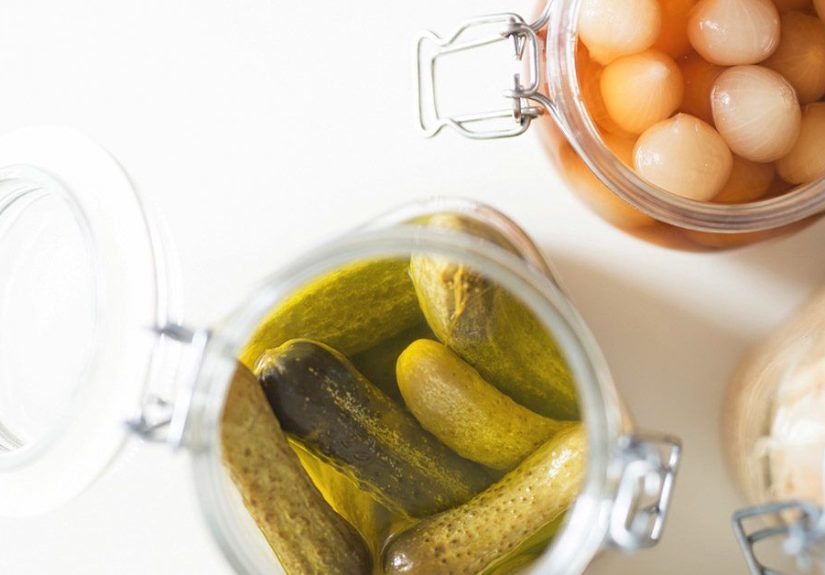
These are the pickles that started the whole crunchy obsession. Use small pickling cucumbers or Persian cucumbers because they stay firm and fit nicely into jars. Slice them into spears, chips, or thick rounds. Add fresh dill, garlic, mustard seeds, and black peppercorns. A simple brine of vinegar, water, a little salt, and a tiny touch of honey or sugar gives them that classic deli-style tang without making them taste like a salt lick wearing a green jacket.
Best with: turkey sandwiches, veggie burgers, tuna salad, grilled chicken, snack plates, and anything that needs a crisp snap.
2. Quick Pickled Red Onions
If there were a popularity contest for refrigerator pickles, pickled red onions would wear the crown and wave dramatically. Thinly slice one red onion and pack it into a jar. Pour over a brine made with apple cider vinegar, water, a pinch of salt, and a little maple syrup or honey. Add peppercorns or a smashed garlic clove if you want extra attitude.
After 30 minutes, the onions soften and turn bright pink. After a day, they taste even better. They are sharp, sweet, tangy, and ridiculously good on tacos, grain bowls, eggs, avocado toast, and salads.
Healthy tip: Use a small amount as a condiment. Big flavor means you do not need a giant pile.
3. Spicy Pickled Carrot Sticks
Carrots are naturally sweet, sturdy, and cheerful. Basically, they were born to be pickled. Cut carrots into thin sticks and add jalapeño slices, garlic, cumin seeds, oregano, and a splash of lime juice. Use white vinegar or apple cider vinegar for the brine.
The result is crunchy, spicy, and perfect for tacos, burrito bowls, bean salads, and lunch boxes. These carrots also make a great snack when you want something bold but not heavy. They are the vegetable equivalent of a tiny marching band.
4. Ginger-Turmeric Pickled Cauliflower
Cauliflower loves a strong flavor partner. Add sliced ginger, turmeric, garlic, and mustard seeds to a warm vinegar brine, then pour it over small cauliflower florets. The turmeric turns everything golden and sunny, as if your jar just came back from vacation.
This recipe works beautifully with Mediterranean bowls, roasted chicken, lentils, hummus plates, and salads. Keep the florets small so they absorb flavor quickly while staying crisp.
Healthy tip: Turmeric and ginger bring big flavor, which helps reduce the need for extra salt.
5. Pickled Radishes with Lemon and Dill
Radishes can be peppery when raw, but pickling softens their bite and turns them into bright, tangy little coins. Thinly slice radishes and combine them with lemon peel, dill, garlic, and a rice vinegar brine. After a few hours, they become crisp, pretty, and refreshing.
Use pickled radishes on fish tacos, open-faced sandwiches, noodle bowls, or green salads. They also look fancy with almost no effort, which is one of the best kitchen tricks available to modern humanity.
6. Crunchy Pickled Green Beans
Pickled green beans are a terrific alternative to heavier snacks. Trim fresh green beans so they fit upright in a jar. Add garlic, dill seed, red pepper flakes, and a vinegar brine. Let them chill for at least 24 hours.
They are crisp, tangy, and fun to eat straight from the jar. Serve them with sandwiches, chopped into potato salad, or alongside grilled fish. They also make a great garnish for brunch drinks, though they are just as happy beside a glass of sparkling water.
7. Apple Cider Pickled Beets
Beets bring earthy sweetness and dramatic color. Roast or steam them first, peel, slice, and pack them in a jar with apple cider vinegar, water, a small amount of salt, orange peel, and cloves or cinnamon. The flavor is sweet-tart and warm without needing much added sugar.
Pickled beets are excellent with goat cheese, arugula, walnuts, lentils, quinoa, and roasted vegetables. Their color is so bold it may stain your cutting board, your fingers, and possibly your sense of emotional neutrality. Worth it.
8. Pickled Cabbage Slaw
Pickled cabbage is a fast way to add crunch and brightness to meals. Shred red or green cabbage and toss it with rice vinegar, lime juice, a pinch of salt, shredded carrot, cilantro, and a little honey. Let it sit in the refrigerator for at least one hour.
This is not a canned pickle; it is more like a quick slaw with pickle energy. It works beautifully with tacos, grilled shrimp, pulled chicken, tofu bowls, and sandwiches. Red cabbage gives the most dramatic color, while green cabbage has a milder flavor.
9. Mediterranean Pickled Cucumbers and Fennel
For a lighter, elegant pickle, combine cucumber slices with shaved fennel, white wine vinegar, lemon zest, dill, and cracked pepper. Fennel adds a mild licorice note, while cucumber keeps everything fresh and crisp.
Serve this with grilled salmon, chickpea salad, roasted potatoes, or pita wraps. It tastes clean and bright, like a salad that decided to go to culinary finishing school.
10. Sweet-Heat Pickled Jalapeños
Homemade pickled jalapeños are easy and more customizable than store-bought versions. Slice jalapeños and combine them with carrots or onions to soften the heat. Use white vinegar, water, garlic, oregano, and just a small touch of sweetener.
These are perfect on tacos, nachos, black beans, eggs, burgers, and sandwiches. For less heat, remove some seeds before pickling. For more heat, leave them in and prepare emotionally.
How to Make Pickles Healthier Without Making Them Sad
Use less salt, but do not remove flavor
Salt is important for flavor, but quick refrigerator pickles do not need to taste like the ocean got a gym membership. Use herbs, spices, garlic, ginger, citrus peel, chile flakes, mustard seeds, coriander seeds, and peppercorns to build flavor. If you are watching sodium closely, use smaller servings and compare your homemade recipe with store-bought labels.
Choose vinegar wisely
White vinegar gives classic sharpness. Apple cider vinegar adds fruitiness. Rice vinegar tastes mild and works well with cucumbers, radishes, and cabbage. For safe canning, tested recipes usually call for vinegar with 5% acidity. For refrigerator pickles, flavor flexibility is greater, but the pickles must stay refrigerated.
Go easy on sugar
A little sweetness balances acidity, especially with onions, beets, and spicy peppers. However, many healthy pickle recipes need only a teaspoon or two. Try honey, maple syrup, or plain sugar in small amounts. The goal is balance, not dessert in disguise.
Pack in more vegetables
Pickling is a brilliant way to rescue produce before it wilts. Cucumbers, carrots, cauliflower, onions, radishes, green beans, asparagus, cabbage, turnips, beets, and peppers all work well. Mix colors and textures so your jar looks like confetti with nutritional ambition.
Food Safety Tips for Homemade Pickles
Healthy pickles should be safe pickles. Always start with clean jars, fresh vegetables, and clean utensils. Wash produce thoroughly and trim away bruised or damaged spots. Keep refrigerator pickles refrigerated and use them within about two weeks for best quality, unless a tested recipe gives different guidance.
Do not treat refrigerator pickles as shelf-stable canned pickles. If you want pantry-safe jars, follow a tested canning recipe from a reliable source such as a university extension program, USDA guidance, or the National Center for Home Food Preservation. Canning is science, not a vibes-based hobby. The acidity, processing time, jar size, and ingredient ratios matter.
Also, keep vegetables submerged in brine. If pickles smell unpleasant, become slimy, grow mold, fizz unexpectedly, or look suspicious, throw them away. The brave thing is not eating questionable pickles. The brave thing is admitting the jar has chosen chaos.
Best Ways to Eat Healthy Pickles
Healthy homemade pickles are more than sandwich sidekicks. Add pickled onions to avocado toast, tuck spicy carrots into tacos, chop dill pickles into Greek yogurt potato salad, scatter pickled radishes over rice bowls, or serve pickled cauliflower with hummus. Pickled cabbage can brighten grilled fish, while pickled beets can turn a basic salad into something that looks restaurant-worthy.
They also help balance rich foods. A small amount of acidity cuts through creamy dressings, roasted meats, cheese, beans, eggs, and grains. That is why pickles show up in so many food traditions. They bring contrast, and contrast is what keeps meals interesting.
Common Pickling Mistakes to Avoid
Cutting vegetables too thick
Large chunks take longer to absorb flavor. Thin slices, spears, ribbons, and small florets pickle faster and taste better sooner.
Using old spices
If your mustard seeds have been in the cabinet since the era of flip phones, replace them. Fresh spices create brighter brine.
Forgetting the chill time
Some pickles taste good after an hour, but most taste better after one or two days. Patience is the secret ingredient, and unfortunately it is not sold in bulk.
Making every jar the same
Experiment with flavor families. Try dill-garlic cucumbers, ginger-sesame radishes, cumin-lime carrots, turmeric cauliflower, or apple-cider beets. Once you learn the basic method, pickling becomes creative and surprisingly addictive.
Extra Experience: What We Learned While Making Healthy Pickle Recipes at Home
After making many jars of homemade pickles, one lesson stands above the rest: the best pickle is the one you actually want to eat. That sounds obvious, but it changes everything. A recipe can be technically healthy, beautifully photographed, and blessed by a thousand food bloggers, but if it sits untouched in the back of the fridge next to a forgotten lemon half, it has failed its mission.
The first practical experience is that texture matters as much as flavor. Cucumbers should be firm before they ever meet the brine. Small pickling cucumbers and Persian cucumbers usually stay crunchier than large slicing cucumbers. For carrots and radishes, thin cuts make a big difference. If the slices are too thick, the outside gets tangy while the center remains plain and stubborn, like a vegetable refusing to read the room.
The second lesson is that healthy pickling works best when you think like a cook, not a salt shaker. Many people assume pickles need loads of sodium to taste good, but garlic, dill, citrus zest, ginger, mustard seed, coriander, fennel seed, peppercorns, and chile flakes can do a lot of heavy lifting. A lower-sodium brine may taste sharp on day one, then become smoother and more balanced after a night in the refrigerator. This is why tasting too early can be misleading. Pickles need a little time to settle into themselves. Frankly, same.
Another experience worth sharing: small batches are better for beginners. A single pint or quart jar lets you test combinations without committing your entire produce drawer to one idea. Try one jar of dill cucumbers, one jar of pickled onions, and one jar of spicy carrots. In a week, you will know what your household loves. You may discover that everyone eats the onions first, the carrots second, and the experimental cinnamon cauliflower never gets invited back. That is useful data, even if the cauliflower feels judged.
Healthy pickles also make meal prep feel less repetitive. A Sunday batch of roasted vegetables, grains, and proteins can taste completely different depending on the pickle you add. Pickled red onions push a bowl toward taco night. Ginger radishes make it feel more like an Asian-inspired noodle bowl. Dill cucumbers bring deli energy. Pickled beets add earthy sweetness. This means you can cook simple base ingredients and use pickles as flavor switches throughout the week.
Finally, homemade pickles are a great reminder that healthy food does not have to whisper politely. It can be bright, sour, spicy, crunchy, colorful, and a little dramatic. The goal is not to turn every snack into a nutrition lecture. The goal is to make vegetables so delicious that eating them feels easy. When a jar of pickled carrots disappears before a bag of chips, you know something has gone wonderfully right.
Conclusion
Healthy pickle recipes are simple, flexible, and full of flavor. With fresh vegetables, vinegar, herbs, spices, and a mindful amount of salt and sweetener, you can create crunchy refrigerator pickles that brighten everyday meals. Start with classic dill cucumbers, then branch out into pickled onions, carrots, cauliflower, radishes, beets, cabbage, green beans, fennel, and jalapeños. Keep safety in mind, refrigerate quick pickles, and use tested recipes for canning. Most importantly, have fun with the flavors. A good pickle should make your plate happier, your vegetables more exciting, and your fridge look like it has its life together.
Note: This article is written for general food and recipe information. Refrigerator pickles should be stored cold, and shelf-stable canned pickles should always follow tested food-safety recipes.