Table of Contents >> Show >> Hide
- What Is a Multi Circle Quilt?
- Why Quilters Love Circle Quilts
- Best Techniques for Making a Multi Circle Quilt
- Choosing Fabric for a Multi Circle Quilt
- How to Design the Layout
- Tools and Materials You May Need
- Batting and Quilting Considerations
- Common Mistakes to Avoid
- Who Is a Multi Circle Quilt Best For?
- Why the Multi Circle Quilt Keeps Coming Back
- Conclusion
- Experience With a Multi Circle Quilt: What It Feels Like From Start to Finish
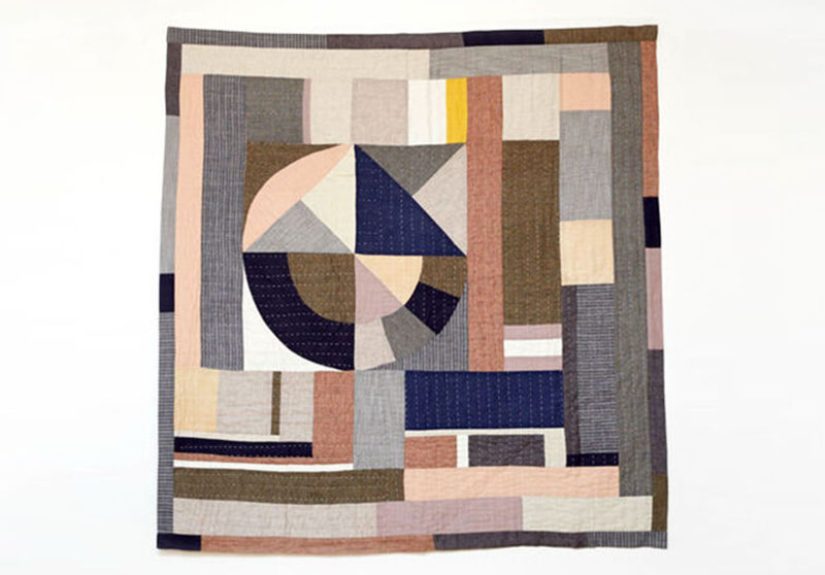
A multi circle quilt is exactly what it sounds like: a quilt built around repeated circles, overlapping circles, circle-inspired blocks, or even dimensional fabric yo-yos. In practice, though, it is much more than a geometry exercise with a cozy side hustle. A well-made multi circle quilt has rhythm, movement, and personality. It can look playful and modern, soft and vintage, or bold enough to make your living room wonder whether it suddenly became an art gallery.
That is part of the charm. Circles break up the grid that dominates so many traditional quilts. Squares behave. Rectangles stay in line. Circles? Circles throw a party. They create motion, suggest bubbles, petals, moons, pebbles, ripples, and every other shape that refuses to sit quietly in a corner.
If you have been curious about making a multi circle quilt, the good news is that you do not need to become best friends with difficult curved piecing on day one. Many circle quilts are built with approachable methods like fusible appliqué, raw-edge appliqué, prepared-edge appliqué, foundation piecing, or fabric yo-yos. That means you can get the look of curves without spending the afternoon muttering at your sewing machine like it personally betrayed you.
What Is a Multi Circle Quilt?
A multi circle quilt is any quilt design that uses many circles as the main visual theme. Those circles may be identical in size, scattered in mixed sizes, neatly aligned in rows, layered to create depth, or arranged into secondary motifs such as flowers, wheels, or orbital patterns. Some quilts use full circles. Others use partial circles, rings, arches, or circle-centered blocks.
In the quilting world, this style shows up in several forms:
- Appliqué circle quilts, where circles are cut from fabric and stitched onto a background.
- Fusible circle quilts, where circles are fused in place first and then edge stitched.
- Yo-yo quilts, where gathered fabric circles become dimensional rosettes.
- Curved-piece quilts, where the curve is actually sewn into the block construction.
- Improv circle quilts, where circles vary in size and placement for a more organic look.
The appeal is broad because the design is flexible. A multi circle quilt can be baby-friendly and cheerful, minimalist and modern, or deeply traditional depending on the fabric selection, quilting lines, and finishing choices.
Why Quilters Love Circle Quilts
Circle quilts stand out because they bring softness to a medium dominated by straight seams. A row of circles instantly adds movement. A cluster of overlapping circles creates visual depth. Large circles can make a quilt feel graphic and modern, while small circles create texture and repetition that reads as detailed and thoughtful.
There is also a practical reason they remain popular: circle motifs are incredibly stash-friendly. Scraps that are too small for big patchwork blocks often become perfect candidates for circles. If your fabric bin looks like a candy store exploded, a multi circle quilt may be your chance to turn that chaos into something wonderful.
Circle quilts also play nicely with many aesthetics. Bright prints can make the quilt lively and fun. Solids create a more contemporary gallery-wall look. Reproduction prints can make the circles feel nostalgic. Batiks give them a painterly glow. In other words, the circle is not picky. It is the golden retriever of quilt shapes.
Best Techniques for Making a Multi Circle Quilt
1. Fusible Appliqué
For many quilters, fusible appliqué is the easiest path to a multi circle quilt. You apply fusible web to the back of your fabric, cut out circles, arrange them on the background, fuse them in place, and stitch around the edges. This technique is beginner-friendly, fast, and ideal for quilts with lots of overlapping circles.
It also gives you freedom during layout. You can start with the largest circles, then tuck smaller ones into open areas until the composition feels balanced. This is especially helpful if you are designing as you go rather than following a rigid pattern.
2. Raw-Edge Appliqué
Raw-edge appliqué is a close cousin of fusible appliqué. Instead of turning the edges under, you stitch around the raw edge, usually with a zigzag, satin stitch, blanket stitch, or clean straight stitch. It is quick, graphic, and slightly casual in the best way. On a modern multi circle quilt, that relaxed edge can look intentional and stylish.
This method works especially well with tightly woven quilting cotton and with quilts that are more decorative than heavily washed utility pieces.
3. Prepared-Edge or Hand Appliqué
If you want smooth, polished circles with a more classic finish, prepared-edge appliqué is a beautiful choice. You make a template, leave seam allowance around the fabric circle, turn the edge under, press it into shape, and stitch it down by hand or machine. It takes longer, but the results are elegant.
This technique is popular among quilters who love refined detail and a softer traditional look. It is also satisfying in a deeply nerdy way. There is something magical about a crisp fabric circle landing perfectly on a quilt top.
4. Yo-Yo Construction
Yo-yos are gathered fabric circles that create a dimensional texture. They can be sewn together into an entire quilt or attached to a background fabric. A yo-yo-based multi circle quilt feels charming, tactile, and a little vintage. It is a terrific option for scrap users and anyone who enjoys hand sewing in front of the TV while pretending they are “just doing one more.”
5. Curved Piecing or Circle-Based Blocks
Some circle quilts are not appliqué at all. Instead, they use curved seams, melon shapes, or foundation-pieced arrangements that create circular movement. These can be stunning, especially in wall quilts or bold graphic throws. They require more precision, but they reward you with strong structure and dramatic visual impact.
Choosing Fabric for a Multi Circle Quilt
Fabric choice can make the difference between “wow, that’s gorgeous” and “why does this look like breakfast cereal in a tornado?” Circles attract attention, so contrast matters.
Here are a few approaches that work well:
- Solid background, printed circles: Great for letting the circles stand out.
- Tonal circles on a neutral field: Soft, sophisticated, and modern.
- Scrappy circles: Energetic, playful, and perfect for stash busting.
- Monochromatic palette: Elegant and cohesive, especially with different circle sizes.
- Bold contrast: Excellent for contemporary quilts that want maximum visual punch.
Scale matters too. Large prints inside small circles can feel chopped up, while tiny prints in large circles may disappear unless the colors are strong. Mixing scale usually creates the most interesting result.
How to Design the Layout
Layout is where a multi circle quilt comes alive. Unlike strict block grids, circle quilts often need a little auditioning before you commit. The easiest strategy is to spread out your background, place the largest circles first, and then fill in the gaps with medium and small circles. This creates balance without making the design feel stiff.
You can arrange circles in rows for a clean contemporary look, scatter them for a playful effect, or overlap them for depth and movement. Partial circles at the edge make the design feel larger than the quilt itself, which is a clever trick for giving the finished piece a more expansive look.
If you are unsure, take a phone photo before fusing or stitching anything down. A photo reveals spacing issues immediately. It is the quilting equivalent of hearing your recorded voice and realizing, “Wait, that is what I sound like?” Useful, slightly humbling, and impossible to ignore.
Tools and Materials You May Need
A multi circle quilt does not require a wildly exotic supply list. In most cases, the following basics are enough:
- Quilting cotton or chosen top fabrics
- Background fabric
- Circle templates, dies, or a circle cutter
- Fabric marking tool
- Fusible web or interfacing for appliqué methods
- Thread for piecing and edge stitching
- Batting
- Backing fabric
- Rotary cutter, mat, and ruler
- Iron and pressing cloth
If you plan to use fusible appliqué, choose a product that remains stitchable and does not make the quilt overly stiff. If you plan to hand appliqué, sturdy templates and sharp scissors become more important than fancy gadgets.
Batting and Quilting Considerations
Batting changes the personality of a multi circle quilt more than many beginners expect. A flatter cotton batting tends to support appliqué nicely and can create a soft, slightly antique look after washing. A loftier batting will make quilting lines stand out more and can give the circles extra pop.
If your quilt top is appliqué-heavy, especially with many layered circles, choose batting that complements the style rather than fights it. For a flatter, traditional finish, low-loft cotton is a smart choice. For more stitch definition and a crisper machine-quilted effect, a blend or loftier option may work better.
Also think about quilting density. Dense quilting around circles can make them puff visually. Echo quilting emphasizes the round shapes beautifully. Straight-line quilting can contrast with the circles in a very modern way. Swirls, pebbles, and curved lines can reinforce the circular theme throughout the quilt.
Common Mistakes to Avoid
Ignoring Scale
If every circle is the same size, the quilt can look flat unless color contrast does all the work. Mixing sizes usually adds more life.
Overcrowding the Layout
Not every square inch needs a circle. Negative space is your friend. Let the design breathe.
Choosing the Wrong Edge Finish
A delicate heirloom-style quilt may not want chunky visible zigzag stitches. A bold modern quilt might look great with them. Match the finish to the vibe.
Skipping a Test Sample
Before stitching around fifty circles, test your thread, stitch length, and stabilizing method on a scrap sandwich. Future you will be grateful.
Who Is a Multi Circle Quilt Best For?
This style is ideal for a wide range of quilters. Beginners appreciate fusible circle layouts because they are forgiving and creative. Intermediate quilters enjoy experimenting with prepared-edge appliqué, yo-yos, and mixed-size compositions. Advanced quilters can push the design further with layered appliqué, reverse appliqué, or curved-piece construction.
It is also a fantastic choice for gift quilting. Baby quilts look adorable with colorful circles. Throw quilts gain a lively modern edge. Wall quilts become statement pieces. And if you want to use scraps without making the final result look like a panic decision, circles are one of the best design tools you can choose.
Why the Multi Circle Quilt Keeps Coming Back
Quilting trends change, but circles keep returning because they feel both classic and fresh. They echo old yo-yo quilts and traditional appliqué, yet they also fit beautifully into modern quilt design. That combination is rare. The multi circle quilt can honor quilting history while still looking completely at home in a clean, contemporary space.
More importantly, it is fun. There is joy in cutting circles, arranging them, and watching a design shift from simple shapes into something expressive. Some quilts tell stories through blocks. A multi circle quilt often tells its story through motion.
Conclusion
A multi circle quilt is more than a trend piece or a novelty layout. It is one of the most flexible and visually engaging ways to build a quilt. Whether you use fusible appliqué, raw-edge stitching, hand-turned circles, yo-yos, or curved piecing, the core idea remains the same: repeated circular forms create movement, softness, and personality.
If you want a project that looks artistic without requiring impossible math, this is a wonderful direction to explore. Start with a simple background, choose fabrics with good contrast, vary your circle sizes, and let the layout evolve. Your quilt does not need to be perfect. It needs to feel intentional, balanced, and full of life. And if a few circles end up slightly more “organic” than planned, congratulations: you have made art.
Experience With a Multi Circle Quilt: What It Feels Like From Start to Finish
The experience of making a multi circle quilt is different from making a standard patchwork quilt, and that difference shows up almost immediately. With traditional piecing, you often begin by sewing units that look unimpressive for a while. A lot of patchwork goes through an awkward stage where it resembles fabric paperwork. A multi circle quilt is more theatrical. Even during layout, it already starts looking like something. You place one large circle on a plain background and the fabric wakes up. Add a few more, and suddenly the whole project has rhythm.
That early visual payoff is one of the reasons people get hooked on this style. It feels creative in a looser, more intuitive way. You are not just assembling blocks; you are composing. You move circles an inch to the left, remove one, add a smaller one, overlap another, and step back again. It can feel surprisingly similar to painting or arranging flowers. The design develops by adjustment rather than strict obedience.
There is also a nice balance between precision and freedom. Cutting circles cleanly takes care. Stitching them smoothly takes patience. But the layout itself can be wonderfully forgiving. A multi circle quilt does not always demand ruler-straight perfection. In fact, some of the best ones feel a little alive, a little in motion, almost as if the circles drifted into place on their own.
Many quilters also find that this style changes the emotional pace of sewing. A grid quilt can be very satisfying, but it often feels task-oriented: piece the blocks, trim the units, match the seams, repeat. A circle quilt has moments of play built right into the process. You audition color relationships. You try a cluster in one corner. You decide whether the quilt needs more contrast, more quiet space, or one dramatic circle that steals the show like it pays rent.
Then comes the quilting stage, and this is where the experience becomes even more personal. Quilting around circles creates a completely different mood than quilting a straight-line top. Echo lines make the circles feel like ripples in water. Pebble quilting adds texture and softness. Straight-line quilting against round appliqué creates tension in a good way, like structure meeting movement. The quilt starts telling you what it wants.
And finally, there is the finished result. A multi circle quilt tends to draw people in. They touch it. They ask how the circles were made. They notice the movement before they understand the construction. That reaction is deeply satisfying because the quilt feels both handmade and designed. It has warmth, but it also has visual confidence.
Perhaps the best part is that every version feels a little different. One multi circle quilt may look calm and modern. Another may feel joyful and scrappy. Another may lean vintage with yo-yos and soft cotton batting. The process teaches you not only about appliqué or layout, but about your own design instincts. And that may be the real magic of the multi circle quilt: by the end of it, you have not just made a blanket. You have made decisions, developed taste, solved problems, and stitched together something that could not have existed in quite the same way if anyone else had made it.