Table of Contents >> Show >> Hide
- What Is Monk Fruit (and Why Is It Suddenly Everywhere)?
- How Monk Fruit Sweetener Is Made
- Monk Fruit Nutrition Facts and Blood Sugar Impact
- Benefits of Monk Fruit Sweetener
- 1) Helps Reduce Added Sugar (Without a Sad Cup of Coffee)
- 2) Minimal Impact on Blood Glucose for Many People
- 3) Calorie Reduction That Can Support Weight Goals (If the Rest of the Diet Cooperates)
- 4) Mogrosides Have Antioxidant and Anti-Inflammatory Potential (But Don’t Oversell It)
- 5) Useful for Cooking and Baking (With a Couple of Tricks)
- Risks and Downsides of Monk Fruit
- 1) The FDA Status: “Generally Recognized as Safe” Doesn’t Mean “Unlimited Forever”
- 2) Watch Out for Erythritol Blends (Digestive Effects and Ongoing Risk Questions)
- 3) Possible Allergy Concerns (Rare, but Not Impossible)
- 4) Taste and Aftertaste Can Be a Dealbreaker
- 5) “Health Halo” Risk: Sweetness Creep
- How to Choose a Monk Fruit Sweetener That Actually Matches Your Goals
- Who Should Be Extra Cautious?
- Quick Pros and Cons Recap
- Conclusion: Is Monk Fruit “Healthy”?
- Experiences With Monk Fruit: What People Commonly Notice (and What to Do About It)
Monk fruit sounds like something you’d find in a fantasy novel: a mysterious melon, harvested in misty mountains,
turned into a sweet potion that defeats sugar. And honestly? That’s not too far offminus the dragons.
Monk fruit sweetener (aka luo han guo) has become a popular sugar substitute in the U.S. because it can deliver
big sweetness with little to no calories and minimal impact on blood sugar.
But “natural” doesn’t automatically mean “perfect,” and “zero sugar” doesn’t always mean “zero issues.”
This guide breaks down monk fruit benefits and risks in plain English, with practical examples so you can decide
whether it belongs in your coffee, your cookies, or your “nope” list.
What Is Monk Fruit (and Why Is It Suddenly Everywhere)?
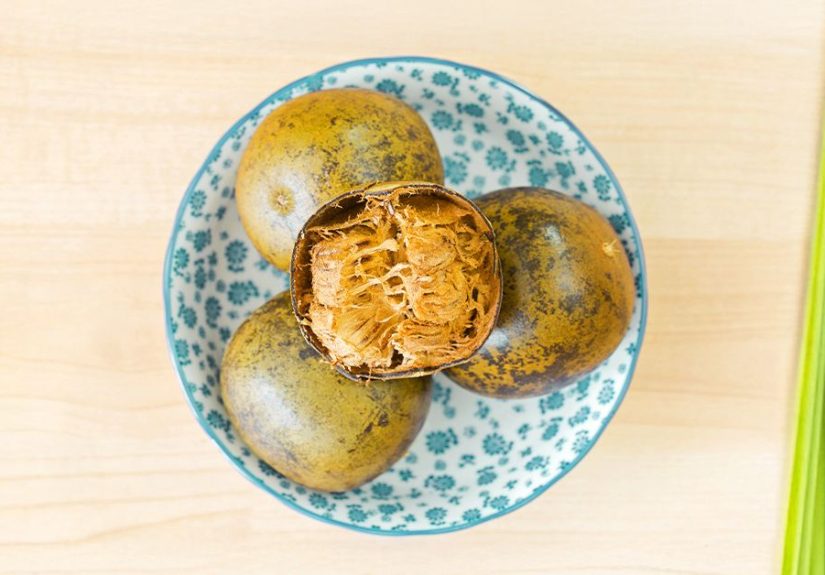
Monk fruit is a small green fruit native to southern China and parts of Southeast Asia. The modern sweetener you see
in U.S. stores is typically made from the fruit’s extractspecifically the sweet compounds called mogrosides.
Mogrosides taste intensely sweet (often described as 100–250 times sweeter than table sugar), so only tiny amounts
are needed to sweeten food and drinks.
Translation: you can sweeten a beverage without dumping in tablespoons of sugar. That’s the “magic trick.”
The “how” matters, thoughbecause the label might say “monk fruit,” but the ingredient list can tell a very different story.
How Monk Fruit Sweetener Is Made
Most monk fruit sweeteners are produced by crushing the fruit, collecting the juice, and isolating mogrosides.
Because mogrosides are so sweet, many products add a bulking ingredient to make the sweetener measure more like sugar.
That bulking ingredient is often erythritol (a sugar alcohol) or sometimes other fillers.
Why This Matters
- Pure monk fruit extract is used in very small amounts and is typically calorie-free.
- Monk fruit “granulated” blends often contain erythritol (or another bulk ingredient), which can affect digestion for some people.
- “Monk fruit sugar” is a confusing phrasemonk fruit isn’t sugar, and it doesn’t behave exactly like sugar in recipes.
Monk Fruit Nutrition Facts and Blood Sugar Impact
Monk fruit extract itself is generally considered a non-nutritive sweetenermeaning it provides sweetness with
negligible calories and carbs. Many products are marketed as having a glycemic index of zero, and as a practical
matter, monk fruit sweeteners are commonly used by people aiming to reduce added sugar, manage carbohydrate intake, or follow
low-carb eating styles.
That said, “blood sugar-friendly” depends on what you buy. A product that’s mostly erythritol typically won’t spike blood sugar
the way table sugar does, but it may come with other trade-offs (more on that soon). And if the product contains added sugar,
honey, dextrose, maltodextrin, or other sweeteners, the blood sugar story changes fast.
Benefits of Monk Fruit Sweetener
1) Helps Reduce Added Sugar (Without a Sad Cup of Coffee)
The biggest real-world benefit is simple: monk fruit can help people cut back on added sugars while still enjoying sweet flavors.
Since excess added sugar intake is linked to various health concerns, swapping sugar for a non-nutritive sweetener can be a useful
strategyespecially when it helps you stick with healthier habits long-term.
Example: If you normally sweeten iced tea with 2 tablespoons of sugar, switching to a monk fruit option could reduce
added sugar substantiallywhile keeping the drink enjoyable enough that you don’t “rebound” into a cookie spiral later.
2) Minimal Impact on Blood Glucose for Many People
Many people choose monk fruit because it’s widely described as not raising blood glucose like regular sugar.
Diabetes-focused organizations often note that sugar substitutes typically have little impact on blood glucose compared with sugar,
making them a tool for reducing sugar intake.
Important nuance: Human research specifically on monk fruit is still limited compared with long-studied sweeteners.
The strongest practical takeaway is that monk fruit is generally used in tiny amounts and doesn’t deliver the carbohydrate load that
drives big glucose spikes the way sugar does.
3) Calorie Reduction That Can Support Weight Goals (If the Rest of the Diet Cooperates)
Monk fruit sweetener is often used to reduce total calorie intake by replacing sugar. This can support weight management
when it doesn’t lead to “calorie repayment” later (like eating extra dessert because you “saved calories” in your latte).
In other words: monk fruit can be helpful, but it’s not a nutritional hall pass. If it helps you enjoy a balanced diet with less added sugar,
it’s doing its job.
4) Mogrosides Have Antioxidant and Anti-Inflammatory Potential (But Don’t Oversell It)
Mogrosides are the sweet compounds in monk fruit, and scientific literature often discusses potential antioxidant and anti-inflammatory activity.
Some research explores possible metabolic and inflammation-related effects, but much of this evidence is preclinical (lab/animal) or early-stage,
and long-term human outcomes are not yet well-established.
Bottom line: it’s fair to say mogrosides are biologically interesting. It’s not fair to claim monk fruit “treats” chronic disease based on current evidence.
5) Useful for Cooking and Baking (With a Couple of Tricks)
Many monk fruit products are heat-stable, making them practical for baking. But results vary because sugar does more than sweetenit adds bulk,
helps browning, supports moisture, and affects texture.
- For drinks: monk fruit is usually an easy swap.
- For baking: blends that measure “cup-for-cup” are convenient, but they may include erythritol and can brown differently.
- For sauces: taste as you go; some products have a noticeable aftertaste when concentrated.
Risks and Downsides of Monk Fruit
1) The FDA Status: “Generally Recognized as Safe” Doesn’t Mean “Unlimited Forever”
In the United States, monk fruit extracts have been evaluated through the FDA’s GRAS process for intended uses in foods.
That’s good news for basic safety. However, GRAS doesn’t automatically answer every question about long-term, high-dose use in every population,
especially since monk fruit’s popularity in the mass U.S. market is relatively recent compared with table sugar.
Practical takeaway: use it as a tool, not as a personality trait. (Yes, “Monk Fruit People” exist.)
2) Watch Out for Erythritol Blends (Digestive Effects and Ongoing Risk Questions)
Many granulated “monk fruit sweeteners” are mostly erythritol with a small amount of monk fruit extract added for sweetness.
Erythritol is commonly associated with digestive side effects in some peopleespecially at higher intakessuch as gas, bloating,
or diarrhea.
There’s also active scientific discussion about potential cardiovascular concerns linked to erythritol in certain high-risk groups,
based largely on observational and mechanistic research. That doesn’t mean your teaspoon in coffee is automatically dangerous,
but it does mean the “monk fruit” label can distract from what you’re actually consuming.
3) Possible Allergy Concerns (Rare, but Not Impossible)
Allergies to monk fruit appear uncommon, but they’re possibleespecially for people who react to other plants in the gourd family
(like melons, cucumbers, pumpkin, or squash). If you experience symptoms that suggest an allergic reaction, stop using it and seek medical advice.
4) Taste and Aftertaste Can Be a Dealbreaker
Monk fruit’s flavor is often described as pleasantly sweet, but some people notice a lingering aftertaste, especially with certain blends
or in recipes where sweetness is concentrated. Your taste buds are allowed to vote “no” without writing a thesis about it.
5) “Health Halo” Risk: Sweetness Creep
Even if monk fruit doesn’t spike blood sugar like sugar, frequent use of very sweet products may keep your preference for intense sweetness
dialed up. For some people, that makes it harder to enjoy less-sweet foods over time.
A balanced approach is to use monk fruit strategicallysweeten where it matters mostwhile gradually reducing overall sweetness in the diet.
How to Choose a Monk Fruit Sweetener That Actually Matches Your Goals
Step 1: Read the Ingredient List Like a Detective
- Look for “monk fruit extract” or “Siraitia grosvenorii” on the label.
- If you’re sensitive to sugar alcohols, avoid products where erythritol is the first ingredient.
- Check for added sugars (yes, some “health” sweeteners sneak them in).
- Be cautious with vague terms like “natural flavors” if you’re sensitive to additives.
Step 2: Pick the Right Form for the Job
- Liquid drops: great for coffee, tea, smoothies.
- Powdered/granulated blends: easiest for baking, but usually include erythritol or similar bulking agents.
- Pure extract: very concentrated; best for people who don’t want fillers but requires careful measuring.
Step 3: Start Small and Adjust
If you’re new to monk fruit, start with a small amount. This helps you figure out flavor preferences and reduces the chance of digestive surprises
(especially if your product is a blend).
Who Should Be Extra Cautious?
- People with sensitive digestion: especially if using erythritol blends.
- Anyone with gourd-family allergies: consider avoiding or trying only with caution.
- People at high cardiovascular risk: discuss frequent high intake of erythritol-heavy products with a clinician.
- Parents choosing sweeteners for kids: GRAS status supports general safety, but it’s still smart to keep overall sweetness modest.
Quick Pros and Cons Recap
Pros
- Very sweet with little to no calories
- Often used without raising blood glucose like sugar
- Can help reduce added sugar intake
- Works well in many drinks; can work in baking depending on the product
Cons
- Long-term human data is still limited compared with sugar
- Many products are erythritol blends (possible GI issues; ongoing risk questions for some groups)
- Aftertaste varies by brand and recipe
- Rare allergy risk, especially for gourd-sensitive individuals
Conclusion: Is Monk Fruit “Healthy”?
Monk fruit sweetener can be a smart way to cut added sugarespecially if it helps you enjoy healthier habits without feeling deprived.
The biggest “risk” is usually not monk fruit itself, but what’s packaged with it (like erythritol) and how heavily you rely on ultra-sweet flavors.
If you choose a product with ingredients you tolerate, use it in reasonable amounts, and keep your overall diet focused on whole foods,
monk fruit can be a practical, low-sugar toolnot a miracle, not a menace, just a useful option in the sweetener lineup.
Experiences With Monk Fruit: What People Commonly Notice (and What to Do About It)
Since monk fruit is now in everything from pancake syrup to protein shakes, real-life experiences are piling up fast.
Below are common “monk fruit moments” people reportshared here as practical patterns, not scientific proofplus tips to make the experience better.
1) “It Tastes Great… Then There’s a Weird Finish”
One of the most common reactions is that monk fruit tastes clean up front but leaves a lingering aftertaste.
Some describe it as mildly fruity, others as “considerably noticeable,” and some don’t notice it at all.
The difference often comes down to the brand, the form (drops vs. granulated), and the recipe.
- What helps: Try it first in coffee/tea where flavor is already complex (cinnamon, vanilla, cocoa).
- What doesn’t: Using it in a very simple recipe (like plain whipped cream) where there’s nowhere for the aftertaste to hide.
- Pro move: If you bake, start with half the suggested amount and increase slowlysweetness can build quickly.
2) “My Stomach Is Not a Fan”
Many people blame monk fruit for digestive upset when the real culprit is an erythritol-heavy blend.
Granulated “monk fruit sweetener” often behaves like sugar in measurements because it’s mostly erythritol.
Some people tolerate that just fine. Others experience bloating, gas, or urgencyespecially if they use large amounts in baked goods or desserts.
- What helps: Choose liquid monk fruit drops or a product without sugar alcohols if your stomach is sensitive.
- Portion tip: If you’re making cookies, try a smaller batch firstyour digestive system deserves a test run.
- Reality check: Even “zero sugar” brownies can still be a lot of sweetener in one sitting.
3) “It Works Perfectly in Coffee… But My Cookies Are Weird”
Drinks are monk fruit’s comfort zone. Baking is where things get complicated because sugar affects structure, moisture, and browning.
People often notice that cookies made with monk fruit blends brown less, feel drier, or have a cooling sensation (again, often from erythritol).
- What helps: Use recipes designed for sugar substitutes (or specifically for monk fruit/erythritol blends).
- Texture hack: Add moisture-supporting ingredients (applesauce, yogurt, extra egg) if the recipe allows.
- Expectation reset: “Healthier swap” cookies may be delicious, but they may not be identical to classic bakery-style cookiesand that’s okay.
4) “I Switched to Monk Fruit and My Sweet Cravings Changed”
Experiences here are mixed. Some people feel monk fruit helps them reduce sugar cravings because they’re no longer riding the blood-sugar roller coaster.
Others notice they still want sweet flavors oftenbecause the palate stays used to intense sweetness even without sugar.
- What helps: Use monk fruit to replace the “big sugar moments” (soda, sweet coffee drinks), then gradually reduce sweetness overall.
- Strategy: Keep a few “not sweet” defaultsunsweetened iced tea with lemon, plain Greek yogurt with berriesso everything isn’t dessert-flavored.
5) “I Love It… But I’m Confused by Labels”
This is extremely relatable. People buy “monk fruit sweetener” expecting pure monk fruit, then discover erythritol, “natural flavors,” or other additives.
Others buy pure extract and accidentally sweeten a whole pitcher of lemonade with what should’ve been three tiny drops.
- What helps: Decide what you want first: “no sugar alcohol” vs. “cup-for-cup baking.” Then shop for that goal.
- Label skill: If erythritol is listed first, it’s the main ingredient.
- Measuring tip: For pure extracts, treat it like vanilla extractstart tiny, taste, then adjust.
6) “My Family Will Only Accept It If Nobody Notices”
Many households adopt monk fruit successfully when it’s used quietly: a little in oatmeal, a few drops in smoothies,
or a cup-for-cup blend in recipes with strong flavors (banana bread, pumpkin muffins, chocolate anything).
The more “simple” the recipe, the more likely people will detect differences.
If you’re experimenting, keep one rule: don’t debut your new sweetener at a holiday gathering unless you enjoy high-stakes feedback.
Try it on a random Tuesday firstTuesdays are forgiving.