Table of Contents >> Show >> Hide
- What Is Mild Acne?
- Mild Acne Symptoms
- How Mild Acne Is Diagnosed
- How Mild Acne Is Usually Treated
- A Simple Skincare Routine for Mild Acne
- How Long Does Treatment Take?
- When to See a Doctor for Mild Acne
- What a Doctor May Prescribe
- Mistakes That Can Make Mild Acne Worse
- The Emotional Side of Mild Acne
- Conclusion
- Real-Life Experiences With Mild Acne
Mild acne sounds like it should be no big deal. The word mild makes it sound like your skin is simply being a little dramatic before settling down with a cup of tea. In real life, though, even a few stubborn whiteheads, blackheads, and red bumps can feel loud, annoying, and weirdly well-timed right before school photos, big meetings, or first dates.
The good news is that mild acne is usually very treatable. The better news is that you do not need a 14-step skincare routine, a chemistry degree, or a bathroom shelf that looks like a beauty store exploded. Most people improve with the right diagnosis, a consistent routine, and a little patience. Acne loves chaos. Skin loves consistency.
This guide breaks down what mild acne actually is, what symptoms to watch for, how doctors diagnose it, which treatments tend to work best, and when it makes sense to stop guessing and call a medical professional.
What Is Mild Acne?
Mild acne is the early or less severe end of acne vulgaris, the most common form of acne. It usually includes a limited number of clogged pores and small inflamed bumps without deep nodules, cysts, or widespread scarring. In plain English, mild acne is often the kind that shows up as blackheads on the nose, whiteheads on the forehead, and a few red pimples on the cheeks or chin.
Acne develops when hair follicles become clogged with oil and dead skin cells. Add inflammation to the mix, plus the skin bacteria that thrive in blocked pores, and you have the classic breakout recipe. Hormones, genetics, friction, certain cosmetics, stress, and some medications can all make acne more likely. So no, it is not simply because you touched your face once or dared to eat a slice of pizza in public.
Mild Acne Symptoms
The symptoms of mild acne are usually easy to spot, though they can vary from person to person. Some people mostly get clogged pores. Others get small inflamed pimples that pop up in clusters and then hang around like uninvited guests.
Common Signs of Mild Acne
- Whiteheads: closed clogged pores that look like tiny flesh-colored or white bumps.
- Blackheads: open clogged pores with a dark surface. The color is not dirt. It is oxidation.
- Papules: small red, tender bumps without visible pus.
- Pustules: inflamed bumps with a visible white or yellow center.
- Mild oiliness: shiny skin, especially on the forehead, nose, and chin.
- Occasional post-acne marks: dark or pink spots left behind after a pimple heals.
Mild acne most often appears on the face, but it can also show up on the chest, shoulders, and upper back. Breakouts may be steady and low-grade, or they may flare with menstrual cycles, sports equipment, hot weather, or stress. That is one of acne’s least charming features: it is very committed to bad timing.
How Mild Acne Is Diagnosed
Doctors usually diagnose mild acne by looking at your skin and asking a few questions. In most cases, no blood test, skin scraping, or high-tech machine is needed. Diagnosis is based on the type of lesions you have, how many there are, where they appear, how long they have been happening, and whether they are leaving marks or scars.
What a Clinician May Ask
- When did the acne start?
- Do breakouts flare around your period, sports, stress, or certain products?
- What skincare or acne treatments have you already tried?
- Are the bumps painful, itchy, deep, or leaving scars?
- Are you taking medications that can trigger acne?
- Do you have a family history of acne?
A clinician will also make sure the problem really is acne and not something that only likes to dress up like acne. Rosacea, folliculitis, perioral dermatitis, and other skin conditions can mimic breakouts. That matters because the wrong treatment can make the wrong diagnosis even worse.
How Mild Acne Is Usually Treated
The main goal in treating mild acne is to reduce clogged pores, calm inflammation, prevent new breakouts, and lower the risk of scarring or discoloration. The first line of treatment is usually topical therapy, meaning products you put directly on the skin.
The catch is that acne treatment works on skin time, not human impatience time. Most treatments need several weeks of steady use before you can judge whether they are helping. Quitting after five days because your chin is still acting up is understandable. It is also exactly what acne wants.
1. Benzoyl Peroxide
Benzoyl peroxide is a classic over-the-counter acne treatment for a reason. It helps reduce acne-causing bacteria and can improve inflammatory pimples. Lower strengths are often effective and may be easier on sensitive skin. It is commonly found in face washes, gels, and spot treatments.
Heads-up: it can dry the skin and bleach towels, pillowcases, and that one T-shirt you actually liked.
2. Salicylic Acid
Salicylic acid helps exfoliate inside the pore and is especially useful for blackheads and whiteheads. It can be a good starting point for people with mostly clogged pores and mild oiliness. It is often found in cleansers, toners, and leave-on treatments.
3. Adapalene and Other Retinoids
Retinoids help prevent clogged pores and promote skin cell turnover. Adapalene is available over the counter in the United States and is one of the most evidence-based options for mild acne. Prescription retinoids may also be used if over-the-counter products are not enough.
Retinoids can cause dryness, peeling, and irritation, especially when you start. That does not always mean the product is wrong. It often means your skin needs a slower introduction.
4. Azelaic Acid
Azelaic acid can help with mild acne and may be especially appealing for people who are also dealing with post-inflammatory dark spots. It tends to be gentler than some other actives, though skin can still be sensitive at first.
5. Topical Antibiotics
If mild acne is more inflammatory, a clinician may prescribe a topical antibiotic such as clindamycin. These are generally used with benzoyl peroxide rather than alone to reduce the risk of bacterial resistance. Translation: acne bacteria do not need help becoming clever.
A Simple Skincare Routine for Mild Acne
For many people, success comes from doing a few smart things consistently rather than trying everything all at once. A simple routine can be enough.
Morning Routine
- Wash with a gentle cleanser or a benzoyl peroxide cleanser if tolerated.
- Apply a light, oil-free, noncomedogenic moisturizer if needed.
- Use sunscreen with SPF 30 or higher every day.
Evening Routine
- Cleanse gently to remove oil, sweat, sunscreen, and makeup.
- Apply your acne treatment, such as adapalene or salicylic acid.
- Finish with a noncomedogenic moisturizer if your skin feels dry.
Helpful Habits
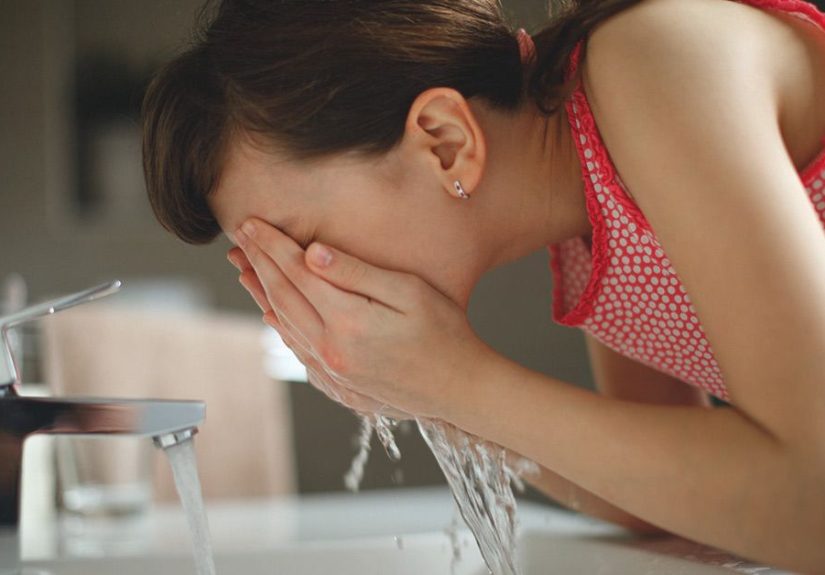
- Wash your face gently once or twice a day and after sweating.
- Avoid scrubbing, harsh exfoliants, and alcohol-heavy products.
- Choose noncomedogenic makeup, sunscreen, and moisturizer.
- Keep hair products off the face when possible.
- Do not pick or pop pimples unless you enjoy turning a temporary bump into a longer-lasting mark.
How Long Does Treatment Take?
This is where patience earns its paycheck. Mild acne often improves within six to eight weeks, but a full response may take longer. Some treatments can make skin look a bit worse at first because they are speeding up turnover and bringing clogged pores to the surface. It is rude, but common.
A good rule is to give a new regimen enough time, unless it causes severe irritation. Using too many active products at once can leave the skin dry, flaky, and angry without actually clearing the acne faster.
When to See a Doctor for Mild Acne
Even mild acne can deserve medical attention. There is no prize for suffering through breakouts while your bathroom turns into a failed skincare lab.
Make an Appointment If:
- Your acne is not improving after about 6 to 8 weeks of consistent over-the-counter treatment.
- Your skin becomes very irritated, swollen, itchy, or painful from products.
- You are getting marks, dark spots, or early scars.
- Your acne is affecting your confidence, mood, sleep, or daily life.
- You are starting to get deeper, more painful bumps.
- You think your breakouts may be caused by hormones or medication.
- You are not sure it is acne at all.
Primary care clinicians can often help, and dermatologists are especially useful when acne lingers, becomes more inflammatory, or starts leaving scars. The sooner acne is controlled, the better the chance of preventing long-term marks.
What a Doctor May Prescribe
If self-care is not enough, a doctor may step up treatment with prescription-strength topical retinoids, benzoyl peroxide combinations, topical antibiotics, or other targeted therapies. If acne is clearly moving beyond the mild stage, oral treatments may be considered.
That does not mean your skin has failed. It means the over-the-counter aisle does not always win every fight. Sometimes acne needs a referee with a prescription pad.
Mistakes That Can Make Mild Acne Worse
- Overwashing: stripping the skin can increase irritation and make treatment harder to tolerate.
- Product overload: using benzoyl peroxide, salicylic acid, retinoids, scrubs, and peeling pads all at once is not ambition. It is chaos.
- Picking and squeezing: this raises the risk of inflammation, infection, and scarring.
- Stopping too soon: acne treatment needs consistency.
- Ignoring moisturizer: acne-prone skin still needs hydration, especially during treatment.
The Emotional Side of Mild Acne
Because mild acne is medically less severe, people sometimes downplay how frustrating it can be. But even a few visible breakouts can affect confidence, social comfort, and self-image. Acne shows up on your face, not in a private spreadsheet. People notice. You notice even more.
That emotional side matters. If acne is making you feel stressed, embarrassed, or avoidant, that is a valid reason to seek treatment. Skin health and mental well-being are not separate planets.
Conclusion
Mild acne is common, treatable, and usually manageable with the right combination of gentle skincare, proven topical ingredients, and realistic expectations. Most cases involve whiteheads, blackheads, and a few small inflamed bumps rather than deep cysts or widespread scarring. Diagnosis is typically straightforward, and treatment often starts with benzoyl peroxide, salicylic acid, adapalene, or other topical options paired with noncomedogenic skin care.
The big takeaway is simple: treat early, treat consistently, and do not wait until your “small breakout” turns into a recurring saga. If your acne is lingering, worsening, leaving marks, or messing with your quality of life, a doctor visit is not overreacting. It is strategy.
Real-Life Experiences With Mild Acne
The experiences below are composite-style examples based on common acne patterns people describe. They are included to make the topic feel practical and relatable, not to replace medical advice.
One of the most common mild acne stories starts in middle school or high school. A student notices a few blackheads on the nose, then a whitehead on the forehead, then suddenly a cycle begins. Every test week, every sports tournament, every picture day seems to come with a bonus pimple. At first, the person tries whatever is closest in the bathroom cabinet: harsh soap, alcohol toner, maybe a scrub that feels powerful enough to remove paint from a wall. The skin gets tighter, redder, and shinier, but not actually clearer. That experience is incredibly common. Mild acne often teaches people the wrong lesson first, which is that more force must mean better treatment. In reality, acne-prone skin usually responds better to a calm routine than to a skincare attack plan.
Another familiar experience happens in college or early adulthood. Someone who had a few teen breakouts expects acne to disappear with graduation, like an awkward elective class. Instead, they start getting mild but persistent chin and jawline breakouts. They buy fancy serums, change pillowcases every other day, and begin inspecting their face under unforgiving bathroom lights as though they are reviewing security footage. Eventually, they simplify their routine: gentle cleanser, adapalene at night, moisturizer, sunscreen, and less random experimentation. Over a couple of months, the skin settles down. This kind of experience highlights one of the most useful truths about mild acne: consistency usually beats intensity.
There is also the athlete version. A runner, cyclist, or gym regular gets small breakouts around the hairline, forehead, chest, or back. Sweat, friction, helmets, hats, and tight clothing can all contribute. The person may assume they are just “dirty” after workouts, but acne is not a moral failure and definitely not a cleanliness scorecard. A better plan is often simple: shower after sweating, use a gentle cleanser, keep sports gear clean, and use an acne treatment designed for the affected area. For body breakouts, a benzoyl peroxide wash can be especially helpful when used carefully.
Then there is the experience almost everyone with mild acne seems to share at least once: the temptation to pop. The logic feels convincing in the moment. It is right there. It looks ready. Surely one tiny squeeze will solve everything. Instead, the pimple becomes angrier, redder, and more memorable. What might have faded in a few days now leaves a mark for weeks. Many people say this is the moment they finally understand why dermatologists keep repeating, “Hands off.” It is not just a rule. It is survival advice for your future face.
The reassuring pattern across all these experiences is that mild acne usually improves when people stop chasing miracles and start using evidence-based basics. The routine does not have to be glamorous. It just has to be smart enough to work and boring enough to repeat.