Table of Contents >> Show >> Hide
- What the Discovery Actually Means
- Why a Wax Sculpture's Rear End Became Big News
- The Sculpture: Small Object, Huge Context
- How Conservation Helped Reveal the Mark
- Can Experts Actually Prove It Is Michelangelo's Thumbprint?
- Why This Matters Beyond the Joke
- The Strange Beauty of Michelangelo in Miniature
- Experience and Reflection: What This Story Feels Like in Real Life
- Final Thoughts
- SEO Tags
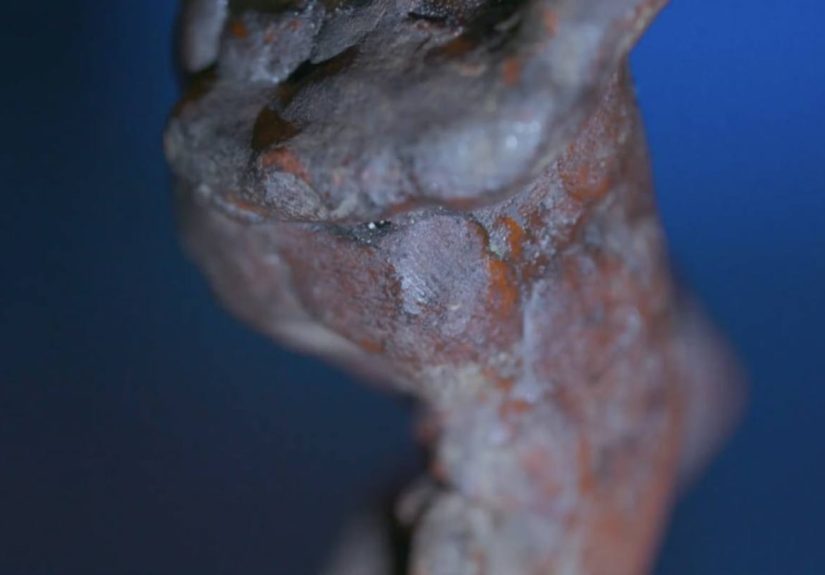
Art history is full of grand words: genius, mastery, monumentality, divine inspiration. And then, every once in a while, along comes a story that reminds us the Renaissance was also made by actual human hands. In this case, maybe one very famous thumb. At London’s Victoria and Albert Museum, conservators noticed a tiny mark on the backside of a small wax sculpture known as A Slave, a model generally attributed to Michelangelo and dated to about 1516–1519. The mark may be a surviving thumbprint or fingerprint from the artist himself. Yes, the possible trace of one of history’s greatest sculptors appeared on a wax buttock. Art can be majestic. Art can be weird. Sometimes it is both at once.
Behind the irresistible headline is a genuinely fascinating story about sculpture, conservation, climate, and the creative process. This is not just a funny museum anecdote designed to make everyone say “Wait, what?” and click immediately. It is also a rare chance to think about how Michelangelo worked, why wax models mattered in the Renaissance, and how fragile objects can reveal secrets centuries later. If the imprint really is Michelangelo’s, the discovery would offer something extraordinary: not just a work by the artist, but a physical trace of the artist in the act of making it.
What the Discovery Actually Means
The sculpture at the center of the story is small, reddish, and easy to underestimate if you are used to thinking of Michelangelo in marble mode. It is not David. It is not the Pietà. It is not a ceiling full of heroic torsos that look like they could bench-press a cathedral. It is a modest wax model of a twisting male figure, usually identified as a study for one of the “slave” or “prisoner” figures related to the never-fully-realized tomb of Pope Julius II.
That matters because wax models were working objects. They were places where artists tested pose, tension, anatomy, and movement before attacking stone. Michelangelo’s art has such a polished afterlife in museums, books, posters, documentaries, and souvenir shops that it is easy to forget how physical the process was. He shaped forms with his hands, adjusted contours, deepened planes, and refined ideas by touch as much as sight. A possible thumbprint, then, is not interesting because it is “celebrity residue.” It is interesting because it hints at process. It suggests contact. It turns a masterpiece-adjacent object into evidence.
Just as important, the museum has treated the mark carefully. The claim has been framed as a possibility, not a done deal. That distinction is crucial. Good art history is not built on wild declarations and dramatic pointing. It is built on cautious observation, comparison, material study, and the willingness to say, “This looks promising, but let’s not start engraving the T-shirts yet.”
Why a Wax Sculpture’s Rear End Became Big News
Let’s address the obvious question: why did this become such a headline-friendly art story? Because it combines three things the internet loves. First, Michelangelo is one of those rare artists whose name instantly means greatness, even to people who have never voluntarily opened an art history book. Second, fingerprints feel intimate. They are tiny, direct, and unmistakably human. Third, yes, the mark was spotted on the sculpture’s buttocks, which gives even the most serious museum story the energy of a Renaissance-era punchline.
But the humor should not distract from the importance of the object itself. Small-scale models can tell us things monumental finished sculptures cannot. Marble records decisions that survived. Wax can record decisions in motion. A model may preserve a stage before revisions, interruptions, commissions, or politics changed the outcome. In Michelangelo’s case, that is especially significant because so many of his projects were revised, delayed, or left incomplete. His career is filled with grand ambitions colliding with papal demands, changing plans, and the brutal reality that one person, however brilliant, cannot bend time forever.
So yes, the “butt thumbprint” angle is delightfully unbuttoned. But underneath the laugh is a serious question: can a delicate preparatory object reveal the maker’s presence in a way finished monumental works rarely do?
The Sculpture: Small Object, Huge Context
A Slave is generally connected to Michelangelo’s long and famously complicated tomb project for Pope Julius II. That project began with astonishing ambition. Early plans called for a massive monument with dozens of large figures. Like many Renaissance commissions, it lived in the dangerous zone between artistic dream and political reality. Money shifted. priorities changed. patrons died. designs were revised. what was supposed to be a towering statement became a decades-long saga of scaling back, redirecting energy, and leaving some ideas gloriously unresolved.
Michelangelo’s “slave” or “prisoner” figures occupy a special place in that story. They seem to embody struggle itself. Twisting torsos, bound energy, unfinished surfaces, and forms emerging from stone have made them magnets for interpretation. They can look trapped, awakening, resisting, or becoming. Even when viewers disagree about symbolism, they tend to agree on one thing: these figures make the creative act visible. They seem to show bodies fighting to exist.
That is why the wax model is so compelling. It is not just related to a famous sculptor. It is related to one of the most revealing themes in his sculpture: the tension between release and restraint, idea and matter, emergence and incompletion. A thumbprint, if authenticated, would feel almost poetically appropriate on an object already associated with the artist’s touch-driven way of thinking through form.
Michelangelo’s Working Method Comes Into Focus
Accounts from the period, including those associated with Giorgio Vasari, describe Michelangelo using small models to think through sculpture before translating those ideas into marble. That does not mean every detail of his practice can be reconstructed neatly, because artists are messier than legend likes to admit. Still, the broader point stands: models mattered. They were tools for invention, correction, and visualization.
The little wax A Slave becomes especially valuable because comparatively few such fragile models survive. Wax is vulnerable. It responds badly to heat. It can soften, crack, deform, and suffer from environmental instability. Many working models were never meant to last for centuries. Some were discarded. Some perished. Some were destroyed. The survival of this piece is already remarkable before anyone starts discussing fingerprints.
How Conservation Helped Reveal the Mark
The possible print did not appear because someone suddenly looked harder while dramatic violin music played in the background. It seems to have become visible after the object experienced environmental changes during a move to cooler storage and then back again. Wax is sensitive material. It reacts to shifts in heat and humidity in ways stone does not. That sensitivity is exactly why conservators worry about wax objects during warmer seasons and why climate control is not a luxury in museums; it is a survival strategy.
In this case, the object had been relocated to help protect it during conditions that could stress delicate wax sculptures. After it returned, museum staff noticed the mark on the figure’s buttocks more clearly. That detail is important for two reasons. First, it shows how discoveries sometimes happen not through dramatic excavation, but through careful routine stewardship. Second, it reminds us that climate affects collections in real time. Conservation is not simply polishing old things and looking solemn beside them. It is material science, preventive care, and sometimes the nerve-racking business of keeping five-hundred-year-old wax from behaving like wax.
There is also a larger modern angle here. Museums are increasingly confronting the impact of hotter summers and unstable conditions on vulnerable objects. In other words, the same environmental sensitivity that may have helped reveal the print is also part of why such works require constant vigilance. The object gave up a secret, but only while reminding everyone how easy it would be to lose it.
Can Experts Actually Prove It Is Michelangelo’s Thumbprint?
This is where the story gets more interesting and less tabloid. A possible fingerprint is not the same thing as a confirmed fingerprint. Attribution in art history is rarely solved by one exciting visual clue alone. Scholars would need close examination, comparison, imaging, and material analysis to strengthen the case. Reports at the time suggested comparison with another work known to preserve a Michelangelo print could help provide a point of reference. That kind of comparative approach is far more persuasive than simply declaring, “Looks thumb-y to me.”
Even if the evidence remains suggestive rather than conclusive, the mark still has scholarly value. It contributes to the object’s material story. It sharpens interest in the sculpture’s surface. It invites renewed attention to authenticity, handling, workshop practice, and the relationship between finished masterpieces and the modest working objects behind them.
There is also something refreshing about a discovery that may remain partly open-ended. Not every art historical question ends with a courtroom-style reveal. Sometimes the honest answer is that evidence points in a compelling direction without closing every gap. That kind of uncertainty is not a weakness. It is part of what makes scholarship trustworthy.
Why This Matters Beyond the Joke
It matters because we tend to experience famous artists at a distance. Michelangelo arrives wrapped in superlatives: titan, genius, master, legend. Those labels are not wrong, but they can flatten him into marble mythology. A tiny impression in wax does the opposite. It collapses distance. Suddenly Michelangelo is not just the maker of impossible monuments; he is a working sculptor pressing a thumb into warm material while thinking through anatomy, mass, and motion.
That shift changes how we look. We stop seeing only the finished image of genius and begin to see labor. Hands. Revisions. Material resistance. Hesitation. Pressure. The print, if genuine, becomes a direct reminder that great art is not produced by abstract greatness floating above the earth. It is made by bodies interacting with matter.
It also matters because the object itself sits at the crossroads of several important conversations: Renaissance workshop practice, museum conservation, authenticity, climate risk, and the afterlife of unfinished projects. This is one of those rare stories that can make casual readers laugh and then accidentally teach them something meaningful about material culture. Frankly, that is a public service.
The Strange Beauty of Michelangelo in Miniature
There is a poetic contrast at the heart of this story. Michelangelo is famous for scale, force, ambition, and public grandeur. Yet one of the most intriguing details associated with him is found on a fragile little wax figure that many visitors could probably walk past in under ten seconds. It is a reminder that artistic greatness does not always announce itself through size. Sometimes it survives in a subtle contour, a test pose, a rough surface, or an accidental trace.
The model also reinforces how unfinished and preparatory works can be emotionally powerful in their own right. We often imagine the final marble as the “real” artwork and the model as a mere backstage assistant. But objects like this challenge that hierarchy. The wax model preserves immediacy. It feels closer to thinking. It lets viewers witness an idea before it has been fully disciplined into permanence.
That may be one reason the story resonates so strongly. The possible thumbprint is not just evidence; it is atmosphere. It makes the sculpture feel startlingly near. The distance between the Renaissance and the present shrinks to the width of a fingertip.
Experience and Reflection: What This Story Feels Like in Real Life
There is a particular kind of museum experience that sneaks up on you. You enter expecting the usual respectable feelings: admiration, curiosity, maybe mild neck pain from reading wall labels at weird angles. Then one object refuses to stay politely in its case. It begins to feel personal. That is the energy around this Michelangelo wax sculpture. Even if you have never visited the V&A, you can almost imagine the scene: a small figure in a controlled display, conservators watching temperature and humidity like nervous meteorologists, and somewhere on the curve of a tiny backside, a mark that suddenly makes five centuries feel alarmingly short.
The experience of reading about it is funny first, and that is part of its charm. Let’s be honest: the words “Michelangelo,” “thumbprint,” and “butt” were never going to coexist quietly. But after the first laugh, the story does something better. It invites you to think about touch. Not the abstract “touch” of artistic influence, but literal touch. Skin meeting wax. A hand adjusting form. A thumb pressing gently while an artist solves a problem that no one else in the room can yet see.
That thought changes the mood entirely. The sculpture stops being a museum object and becomes a moment interrupted. You start imagining the workshop atmosphere: the smell of materials, the concentration, the half-finished surfaces, the repeated turning of the figure in the hand, the decisions made in silence, the small corrections before larger commitments. Michelangelo, for all his mythic status, becomes legible as a worker. A demanding, extraordinary, famously difficult worker, yes, but still a worker.
There is something oddly moving about that. We live in an era of polished images, frictionless screens, and endless digital copies. A thumbprint in wax feels stubbornly physical by comparison. It reminds us that art once depended on direct contact in ways that modern audiences can forget. You cannot swipe a sculpture into existence. You have to press, carve, scrape, smooth, gouge, and begin again.
The story also changes how people might move through a museum. Instead of racing from one blockbuster to the next, you begin to appreciate the objects that ask for closer looking. Maybe the most unforgettable experience is not standing before the biggest artwork in the room, but leaning in toward something small enough to fit in your hands and realizing that a famous artist’s hand may once have done exactly that. That kind of encounter can slow you down in the best possible way.
And then there is the emotional oddness of the location. Of all the places for a surviving trace to appear, it was the sculpture’s rear. That detail keeps the whole story delightfully grounded. Genius, apparently, is not always found in lofty symbolism or thunderous poses. Sometimes it is hanging out on a buttock, waiting centuries for the right humidity level. That absurdity does not diminish Michelangelo. It makes him more vivid. The Renaissance becomes less like a marble pedestal and more like a workshop full of material experiments, practical headaches, and gloriously human accidents.
In that sense, the most memorable “experience” related to this topic is not just seeing the object. It is recognizing what the object does to your imagination. It collapses categories: serious and funny, scholarly and accessible, monumental and intimate. It reminds you that art history is not a dead archive of finished things. It is a living conversation between materials, makers, conservators, and viewers. One tiny mark can reopen that conversation in an instant.
So if this possible thumbprint truly belongs to Michelangelo, it is a thrilling connection. And if it remains only a strong possibility, the story still succeeds. It draws people toward the object. It gets them looking. It gets them thinking about artistic process, museum care, and the stubborn humanity still embedded in old materials. Not bad for a little wax sculpture with a very famous maybe-thumb on its backside.
Final Thoughts
“Michelangelo may have left a thumbprint on this wax sculpture’s butt” sounds like the kind of sentence invented by an exhausted copywriter who had too much coffee and no supervision. Yet the story behind it is real, rich, and revealing. It speaks to the fragility of wax, the complexity of attribution, the unfinished drama of the Julius II tomb, and the remarkable intimacy of artistic labor. Most of all, it offers a reminder that even the most towering names in art history were once people in rooms, shaping stubborn materials by hand.
That is why this possible thumbprint matters. It does not shrink Michelangelo to a gimmick. It expands our understanding of him. The tiny mark suggests not just authorship, but presence. It lets us imagine the moment when concept became contact. And for an artist so often treated as a monument, that human nearness may be the most exciting discovery of all.