Table of Contents >> Show >> Hide
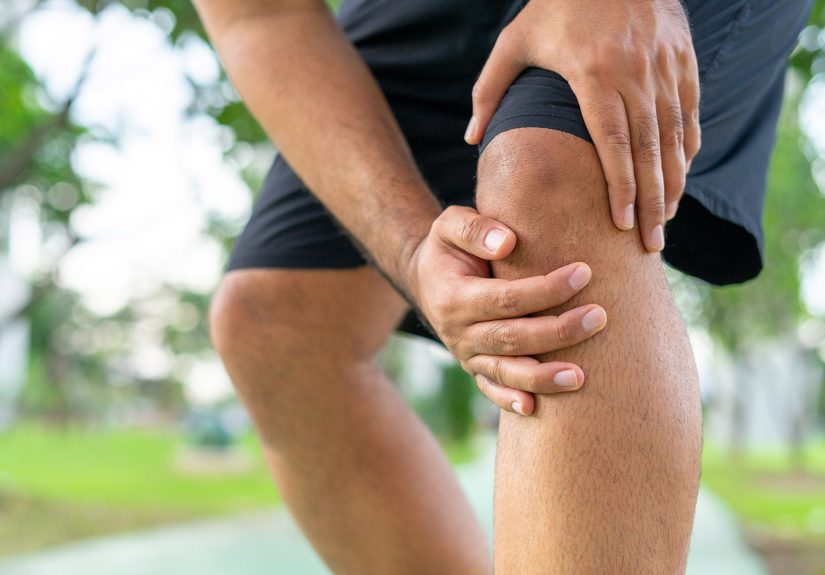
Knee pain is one of the most common complaints among people of all ages. Whether it’s from an injury, overuse, or underlying conditions like arthritis, knee pain can significantly impact daily activities and quality of life. In this article, we will delve into the causes of knee pain, explore effective treatments, and discuss preventive measures to keep your knees healthy for years to come.
Understanding the Causes of Knee Pain
Before we dive into treatment options, it’s essential to understand the various causes of knee pain. The knee joint is a complex structure, involving bones, ligaments, tendons, and cartilage. Because of this complexity, a range of issues can contribute to knee pain:
1. Injury
One of the most common causes of knee pain is injury. Whether it’s from sports, a fall, or a sudden movement, knee injuries can happen at any time. Some common knee injuries include:
- Ligament injuries: A tear or sprain in the ligaments, such as the anterior cruciate ligament (ACL), can cause severe pain and instability in the knee.
- Meniscus tears: The meniscus is cartilage in the knee that cushions the joint. A tear can cause swelling, pain, and limited movement.
- Patellar dislocation: When the kneecap (patella) moves out of place, it can cause intense pain and require immediate attention.
2. Osteoarthritis
Osteoarthritis (OA) is a degenerative joint disease that occurs when the cartilage in the knee breaks down over time. OA typically develops as people age, but it can also result from joint injuries or overuse. The cartilage loss causes bones to rub together, leading to pain, stiffness, and swelling. OA is the leading cause of chronic knee pain in older adults.
3. Tendonitis
Tendonitis refers to inflammation of the tendons, which connect muscles to bones. In the knee, the patellar tendon is particularly vulnerable to inflammation, especially in athletes who engage in repetitive jumping or running activities. Patellar tendonitis, also known as jumper’s knee, can cause pain just below the kneecap.
4. Bursitis
The knee has small fluid-filled sacs called bursae that reduce friction between bones and soft tissues. When these bursae become inflamed, a condition known as bursitis can occur. This condition often leads to swelling, warmth, and pain around the knee joint.
5. Overuse
Repetitive stress on the knee joint, especially from activities like running, jumping, or squatting, can cause overuse injuries. Conditions like patellofemoral pain syndrome, often called “runner’s knee,” are common among those who engage in high-impact sports.
Treating Knee Pain: Options and Strategies
The treatment for knee pain depends on its underlying cause. For some people, conservative measures like rest, ice, and medication can relieve discomfort, while others may require more advanced treatments. Here are some of the most common treatment options:
1. Rest and Ice
For mild knee pain caused by overuse or a minor injury, rest and ice are essential. Rest allows the knee to heal, while ice helps reduce swelling and inflammation. Applying ice for 15-20 minutes every 2-3 hours during the first 48 hours after an injury can be especially beneficial.
2. Physical Therapy
Physical therapy is often prescribed for knee injuries and conditions like osteoarthritis. A physical therapist can guide patients through exercises that strengthen the muscles around the knee, improve flexibility, and enhance overall joint function. In many cases, physical therapy is the first line of defense before resorting to more invasive treatments.
3. Medications
Over-the-counter pain relievers like ibuprofen or acetaminophen can help alleviate knee pain. Nonsteroidal anti-inflammatory drugs (NSAIDs) are particularly effective at reducing inflammation and swelling. For more severe pain, a doctor may prescribe stronger medications or inject corticosteroids directly into the knee joint.
4. Knee Braces or Supports
For those with knee instability or weakness, wearing a knee brace can provide support and relieve pain. There are several types of braces available, including those for ligament support, patella stabilization, or general compression. A physical therapist or orthopedic specialist can recommend the best option based on your specific condition.
5. Surgery
In cases where conservative treatments are ineffective, surgery may be necessary. Surgical options for knee pain include:
- Arthroscopy: A minimally invasive procedure where a surgeon uses small incisions and a camera to remove damaged tissue or repair the meniscus or ligaments.
- Knee replacement: For advanced osteoarthritis, a total knee replacement may be recommended to replace the damaged joint with an artificial one.
- Patellar realignment: If the kneecap is misaligned, surgery may be necessary to realign it properly.
Preventing Knee Pain: Tips for Healthy Knees
While not all knee pain is preventable, there are several strategies that can help reduce the risk of developing knee problems. By adopting healthy habits and proper techniques, you can protect your knees and maintain long-term joint health:
1. Maintain a Healthy Weight
Excess weight places additional strain on your knees, especially during activities like walking or climbing stairs. By maintaining a healthy weight, you can reduce the pressure on your knee joints and lower the risk of developing conditions like osteoarthritis.
2. Strengthen the Muscles Around Your Knee
Strong quadriceps, hamstrings, and calf muscles help support the knee joint and prevent injury. Incorporating strength training exercises into your fitness routine can improve muscle strength and stability, reducing the likelihood of knee pain.
3. Stretch Before and After Exercise
Stretching before and after exercise helps maintain flexibility in the muscles and tendons around the knee. This can prevent tightness and minimize the risk of injury during physical activity.
4. Use Proper Footwear
Wearing shoes that provide proper arch support and cushioning can reduce the impact on your knees while walking or running. Avoid wearing shoes with worn-out soles, as they provide less support and can lead to misalignment and strain on the knee joint.
5. Avoid Overuse
Repetitive movements or overuse can lead to knee pain, particularly in athletes. Be sure to take breaks during high-impact activities, and listen to your body when it signals fatigue. If you feel pain or discomfort, rest and recover before resuming physical activity.
My Personal Experience with Knee Pain
As someone who has dealt with knee pain for years, I can tell you that it’s not something you can just ignore. At first, I brushed off the occasional discomfort, thinking it was just part of getting older. But as time went on, the pain worsened, and I found myself limiting my activities. I couldn’t even walk around the block without feeling discomfort!
I finally sought advice from a physical therapist, who introduced me to knee-strengthening exercises. The difference it made was incredible! Within weeks, I noticed a significant reduction in pain and an increase in mobility. It was a game-changer! The most important lesson I learned is that early intervention is key. If you’re dealing with knee pain, don’t wait too long to seek help. The longer you wait, the harder it is to treat.
Now, I regularly practice exercises to keep my knee muscles strong and make sure I stretch before any strenuous activity. I’ve also adjusted my daily routine to incorporate more low-impact exercises like swimming and cycling, which don’t put as much pressure on my knees.
Conclusion
Knee pain can be debilitating, but with the right treatment and prevention strategies, you can manage and reduce discomfort effectively. Whether it’s through strengthening exercises, physical therapy, or simply taking care of your joints, there are many ways to keep your knees healthy. Always listen to your body, and don’t hesitate to seek medical advice if the pain persists or worsens.
With the proper care, you can continue to lead an active and pain-free life, no matter your age. Take care of your knees today to ensure they stay strong and functional in the future.