Table of Contents >> Show >> Hide
- What Makes a Kitchen Tile “Exotic”?
- Why Exotic Tiles Work So Well in Kitchens
- Popular Types of Exotic Kitchen Tiles
- Where to Use Exotic Tiles in the Kitchen
- How to Choose the Right Exotic Tile
- Design Ideas for Kitchen: Exotic Tiles
- 1. Glossy Emerald Zellige With White Oak Cabinets
- 2. Blue-and-White Patterned Tile Behind the Range
- 3. Terrazzo Floor With Quiet Cabinets
- 4. Cream Handmade Tile From Counter to Ceiling
- 5. Marble-Look Porcelain Chevron Backsplash
- 6. Terracotta-Look Porcelain for Warmth
- 7. Black Zellige or Glossy Charcoal Tile
- Installation Tips That Save Headaches
- Cleaning and Maintenance
- Budgeting for Exotic Kitchen Tiles
- Common Mistakes to Avoid
- Experience-Based Insights: Living With Exotic Kitchen Tiles
- Conclusion
If the kitchen is the heart of the home, then tile is the jewelry. Cabinets may do the heavy lifting, countertops may steal the selfies, and appliances may beep like tiny robots with opinionsbut exotic kitchen tiles are what give the room personality. They can whisper “Mediterranean villa,” shout “Moroccan market at golden hour,” or calmly announce, “Yes, I make weeknight pasta in a space that looks like a boutique hotel.”
The phrase Kitchen: Exotic Tiles does not mean choosing something random, loud, or impossible to clean. It means using tile with distinctive color, texture, pattern, origin, or craftsmanship to create a kitchen that feels layered, memorable, and alive. Think zellige with its handmade shimmer, encaustic-style patterns with old-world drama, terrazzo with confetti-like joy, marble mosaics with quiet luxury, or porcelain tiles that mimic rare stone without demanding the emotional support schedule of rare stone.
The best exotic tiles are not just beautiful. They are practical enough for real kitchensthe kind where tomato sauce splashes, coffee happens before full consciousness, and someone always forgets to use a cutting board. This guide explores how to choose, style, install, and maintain exotic kitchen tiles so your space feels special without becoming a high-maintenance diva.
What Makes a Kitchen Tile “Exotic”?
Exotic tile is less about geography and more about character. A tile becomes exotic when it brings something unexpected to the kitchen: handmade variation, saturated color, unusual shape, global influence, dramatic veining, raised texture, or a pattern that turns a plain wall into a story.
Common examples include Moroccan zellige, Spanish-inspired patterned tiles, Portuguese azulejo-style designs, Italian terrazzo, handmade ceramic squares, marble mosaics, geometric cement-look tiles, fish-scale tiles, Arabesque shapes, and bold porcelain panels that imitate onyx, travertine, or book-matched stone.
In modern American kitchens, these tiles often appear as backsplashes, statement floors, range alcoves, coffee bar walls, island fronts, open-shelf backgrounds, or full-height feature walls. Used well, they add depth without overwhelming the room. Used badly, they can make your kitchen look like it lost a fight with a souvenir shop. The goal is balance.
Why Exotic Tiles Work So Well in Kitchens
Kitchens need surfaces that can handle moisture, heat, grease, crumbs, and the occasional “I thought the lid was on” blender incident. Tile has long been popular because ceramic and porcelain options are durable, cleanable, and available in a huge range of styles. Exotic tile builds on that practicality by adding visual emotion.
They Create an Instant Focal Point
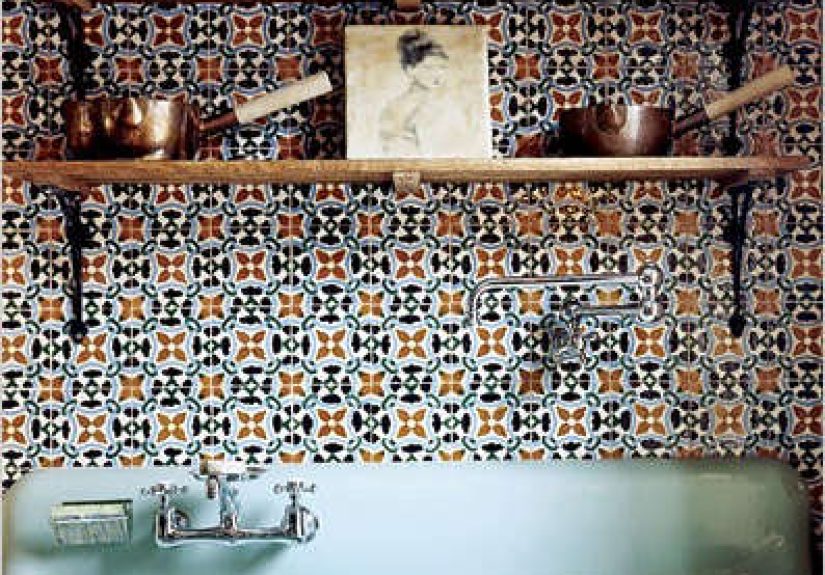
A patterned backsplash behind the range can work like artwork, especially in kitchens with simple cabinets and neutral counters. Instead of filling walls with decor that collects dust, tile becomes the decor. A blue-and-white Moroccan-inspired pattern behind a white range, for example, can make even scrambled eggs feel like a design event.
They Add Texture Without Clutter
Handmade or handmade-look tiles such as zellige create subtle movement because each piece reflects light differently. This is ideal for homeowners who want a kitchen that feels warm and personal but not busy. A glossy cream zellige backsplash can look simple from far away and richly detailed up closebasically the tile version of having a good personality.
They Help Personalize Neutral Kitchens
White, gray, beige, and wood kitchens remain popular because they are flexible, but too much neutrality can flatten a room. Exotic tiles add contrast, color, or pattern while keeping the main elements timeless. A sage green ceramic backsplash, terracotta floor, or marble mosaic insert can make a neutral kitchen feel custom rather than copied.
Popular Types of Exotic Kitchen Tiles
Zellige Tile: Imperfect, Glossy, and Full of Soul
Zellige is one of the most talked-about kitchen tile styles because it combines ancient craft with modern appeal. Traditionally associated with Moroccan design, zellige is known for irregular edges, tonal variation, and a glossy surface that catches light beautifully. No two tiles look exactly alike, which is precisely the point.
In kitchens, zellige works beautifully as a backsplash, especially in white, ivory, emerald, teal, clay, blush, or deep navy. It pairs well with marble countertops, soapstone, unlacquered brass, warm wood cabinets, and plaster-style walls. The look can be rustic, luxurious, coastal, or contemporary depending on the color and layout.
The caution: authentic handmade zellige can be uneven, porous, and more complicated to install than standard tile. It needs a skilled installer, careful sealing when recommended, and realistic expectations. If you want perfectly flat walls, zellige may not be your soulmate. If you want sparkle, texture, and charming little irregularities, it might be the one.
Moroccan and Mediterranean Patterned Tiles
Patterned tiles inspired by Moroccan, Spanish, Portuguese, and Mediterranean traditions bring energy to the kitchen. They often feature stars, florals, arabesques, diamonds, scrolling vines, or geometric repeats. These tiles can be ceramic, porcelain, cement, or cement-look porcelain.
For a kitchen backsplash, patterned tile works best when surrounded by calm materials. Try it with shaker cabinets, slab-front cabinets, butcher block, quartz, or simple stone counters. A patterned tile floor can also be stunning, especially in a galley kitchen, breakfast nook, or pantry, where the design feels intentional rather than overwhelming.
If you love cement tile patterns but worry about staining, porcelain lookalikes are a practical alternative. They offer the visual punch of traditional designs with better resistance to moisture and daily kitchen messes.
Terrazzo Tile: Playful but Sophisticated
Terrazzo is the confetti cannon of the tile worldbut the elegant kind that knows when to leave the party. Made or styled with chips of marble, quartz, glass, or stone, terrazzo brings color and movement without relying on a repeating motif.
In kitchens, terrazzo can be used on floors, backsplashes, or even island faces. Large-scale terrazzo with big chips feels bold and modern, while smaller flecks create a softer, vintage-inspired look. It pairs well with white oak, muted green cabinets, matte black fixtures, and simple countertops.
The design trick is to pull one or two colors from the terrazzo and repeat them elsewhere. If the tile has rust, cream, and blue chips, consider rust-toned stools, cream walls, or blue accessories. This keeps the room cohesive instead of looking like a very stylish gravel sample exploded.
Marble and Stone Mosaics
Marble mosaics offer exotic elegance through shape and veining. Herringbone, chevron, basketweave, fan, hexagon, and waterjet-cut patterns can make a backsplash feel luxurious without covering the entire kitchen in stone.
Natural marble is beautiful, but it is also porous and sensitive to acidic foods. Lemon juice, tomato sauce, wine, and vinegar can leave marks if the stone is not properly sealed or cared for. For homeowners who cook often and clean quickly only in theory, marble-look porcelain can deliver a similar effect with less maintenance.
Use real marble where patina feels acceptable, such as a decorative backsplash away from heavy splatter. Use porcelain marble-look tile where durability is the priority, especially behind ranges or on floors.
Handmade Ceramic Tile
Handmade ceramic tile has a softer, more organic look than factory-perfect tile. It may have slight waves, varied glaze, irregular edges, or delicate color shifts. These details make a kitchen feel human, not showroom-stiff.
Square handmade tiles in cream, green, ochre, black, or smoky blue are especially versatile. A simple stacked layout feels modern, while an offset pattern feels casual and classic. Handmade tile is ideal for homeowners who want something exotic but not loud.
Fish-Scale, Arabesque, and Fan-Shaped Tiles
Unusual shapes can make a single-color tile look exotic. Fish-scale tiles suggest waves and movement. Arabesque tiles add curves and old-world romance. Fan-shaped tiles bring Art Deco glamour. These forms work especially well when the color palette is restrained.
For example, a deep green fish-scale backsplash behind open shelves can feel dramatic yet polished. A white arabesque tile with light grout can add softness to a traditional kitchen. A blush fan tile in a coffee bar nook can feel playful without taking over the entire room.
Where to Use Exotic Tiles in the Kitchen
The Backsplash
The backsplash is the safest and most popular place to experiment. It offers high visual impact with less square footage than a floor. Exotic tiles behind the sink, range, or prep area can transform the room while keeping the budget under control.
For a subtle effect, choose handmade tiles in one color. For a dramatic look, use patterned tile from countertop to upper cabinetsor all the way to the ceiling. Full-height backsplashes are especially effective behind floating shelves or around a range hood.
The Floor
Kitchen floors need strength. Porcelain tile is a top choice because it resists wear, moisture, scratches, and stains better than many materials. Exotic floor tiles can include patterned porcelain, stone-look porcelain, checkerboard marble-look tile, terracotta-look porcelain, or terrazzo.
Because floors cover a large area, balance is important. If the floor is bold, keep the backsplash quieter. If the backsplash is the star, let the floor support the look. Two divas in one kitchen can work, but only if one agrees to sing backup.
The Range Wall
A range wall is perfect for a tile moment. Framing patterned tile behind the stove creates a built-in focal point and protects the wall from grease and steam. Consider a decorative tile panel bordered by simpler field tile, or use one material across the whole wall for a seamless statement.
The Island Front
Tiling the front or sides of a kitchen island is a clever way to add exotic detail. This works especially well with zellige, fluted tile, terrazzo, or small-format ceramic. It gives the island furniture-like presence and adds texture at eye level when seated.
Coffee Bars, Pantries, and Niches
Small zones are excellent places to be brave. A pantry backsplash, beverage station, baking nook, or arched niche can handle tile that might feel too intense across a full kitchen. These areas invite personality and make everyday routines feel slightly more glamorous. Even pouring cereal can become a tiny architectural experience.
How to Choose the Right Exotic Tile
Start With Your Kitchen’s Personality
Before choosing tile, decide what mood you want. A coastal kitchen may love glossy blue zellige. A desert-modern kitchen may call for terracotta tones. A Parisian-inspired kitchen may suit marble mosaics. A modern farmhouse may need handmade cream ceramic. A maximalist kitchen may happily welcome patterned tile with no apology whatsoever.
Exotic tile should amplify the room, not confuse it. Look at your cabinet color, countertop pattern, hardware finish, lighting, flooring, and wall color. If your counters already have dramatic veining, choose a quieter tile. If your cabinets are simple and your counters are calm, tile can carry more pattern.
Consider Maintenance Honestly
Some tiles are easier to live with than others. Glazed ceramic and porcelain are generally low maintenance. Glass is easy to wipe but shows smudges and water spots. Natural stone needs sealing and gentle cleaners. Cement tile is beautiful but porous and more demanding. Handmade tiles may require more careful installation and grout planning.
Be honest about your cleaning style. If you wipe splatters immediately, natural stone may be fine. If your kitchen cleaning motto is “later, probably,” porcelain is your loyal friend.
Think About Grout
Grout can change everything. A contrasting grout makes pattern and shape stand out. A matching grout creates a softer, more seamless look. In kitchens, grout also affects maintenance because more grout lines can mean more cleaning.
Small mosaics, zellige, and textured tiles often create more grout lines than large-format tiles. That does not mean you should avoid them, but it does mean you should choose quality grout, seal it when needed, and avoid placing fussy grout-heavy designs in the messiest zones unless you are ready for the relationship.
Order Samples and View Them at Home
Tile color changes under different lighting. A green tile that looks deep and elegant online may turn neon under cool LEDs. A creamy tile may look yellow next to bright white cabinets. Always order samples and view them in morning light, afternoon light, and evening artificial light.
Place samples next to your countertop, cabinet door, flooring, and hardware. Then step back. Then squint. Then ask the most brutally honest person in your household, but only if you are emotionally prepared.
Design Ideas for Kitchen: Exotic Tiles
1. Glossy Emerald Zellige With White Oak Cabinets
Emerald zellige creates depth and drama, while white oak keeps the kitchen warm. Add brass hardware and a creamy quartz countertop for a look that feels earthy, upscale, and inviting.
2. Blue-and-White Patterned Tile Behind the Range
A blue-and-white Moroccan or Portuguese-inspired tile panel can make a white kitchen feel collected and timeless. Use simple white tile on the rest of the backsplash to keep the pattern special.
3. Terrazzo Floor With Quiet Cabinets
A terrazzo floor adds playful color underfoot. Pair it with flat-panel cabinets, simple pendants, and a restrained backsplash so the floor becomes the main design feature.
4. Cream Handmade Tile From Counter to Ceiling
For subtle exotic charm, use handmade cream ceramic tile vertically from the countertop to the ceiling. The variation in glaze creates texture without loud color. This is perfect for small kitchens that need brightness but not boredom.
5. Marble-Look Porcelain Chevron Backsplash
Chevron or herringbone patterns add movement and elegance. A marble-look porcelain version gives the kitchen a luxury mood while staying practical for cooking zones.
6. Terracotta-Look Porcelain for Warmth
Terracotta tones bring Mediterranean warmth, but real terracotta can require maintenance. Terracotta-look porcelain is a smart option for homeowners who want earthy charm with modern durability.
7. Black Zellige or Glossy Charcoal Tile
Dark glossy tile can make a kitchen feel dramatic and intimate. Use it with light counters, warm wood, and good under-cabinet lighting so the space feels rich rather than cave-like.
Installation Tips That Save Headaches
Exotic tile often requires more planning than basic tile. Pattern repeats, handmade irregularities, veining, and color variation all need careful layout. Before installation, dry-lay the tile to check color distribution and pattern alignment. For natural stone and handmade tile, blend pieces from multiple boxes so one area does not accidentally become “the weird corner.”
Hire an installer with experience in the specific tile type you choose. Zellige, cement tile, mosaics, large-format porcelain, and stone each have different needs. A skilled installer will understand surface preparation, spacing, cutting, sealing, grout selection, and movement joints.
Also order extra tile. A common recommendation is to buy at least 10 percent more than the measured area, and more for complex patterns or specialty shapes. This covers cuts, breakage, and future repairs. Nothing ruins a renovation faster than needing five more tiles from a batch that has vanished into the design underworld.
Cleaning and Maintenance
Most glazed ceramic and porcelain tiles clean easily with warm water, mild soap, and a soft cloth or sponge. Avoid harsh abrasives that can scratch glossy surfaces. For textured tile, use a soft brush to remove residue from grooves.
Natural stone requires pH-neutral cleaners and periodic sealing. Acidic cleaners can damage marble, limestone, and travertine. Cement tile may also need sealing and gentle care. Glass tile wipes clean but may show streaks, so microfiber cloths are helpful.
Grout deserves attention too. Use a grout cleaner appropriate for your tile type, and reseal grout when recommended. In cooking zones, wiping splatters sooner rather than later makes maintenance much easier. Future you will be grateful. Future you may even write present you a thank-you note.
Budgeting for Exotic Kitchen Tiles
Exotic tile prices vary widely. Handmade zellige, marble mosaics, artisan ceramic, and specialty patterns can cost significantly more than standard ceramic tile. Installation may also be higher because unique materials take more time and skill.
If the budget is tight, use exotic tile strategically. Create a feature panel behind the range, tile only the coffee bar, use a decorative border, or choose a porcelain interpretation of a pricier material. You can also pair a small area of statement tile with affordable field tile.
Remember that tile is semi-permanent. It is not like a throw pillow you can replace when your mood changes after one dramatic season of home makeover shows. Choose something you love, but also something you can imagine living with for years.
Common Mistakes to Avoid
Choosing Beauty Over Function
A tile can be gorgeous and wrong for your lifestyle. Before buying, ask whether it can handle grease, water, heat, and cleaning products. The prettiest tile in the showroom may not be the best choice behind a busy stove.
Ignoring Scale
Large patterns can overwhelm a tiny backsplash, while tiny mosaics may look too busy across a large wall. Match the scale of the tile to the scale of the kitchen.
Forgetting the Countertop
Backsplash and countertop must work together. If both have strong movement, the result may feel chaotic. Pair bold tile with quiet counters or dramatic counters with subtle tile.
Using Trendy Tile Without Personal Connection
Trends are helpful for inspiration, but your kitchen should reflect your taste. If you choose zellige only because everyone online is swooning over it, you may regret the irregular edges later. Love the tile first. Trend status is just garnish.
Experience-Based Insights: Living With Exotic Kitchen Tiles
After seeing how exotic tiles perform in real kitchens, one lesson becomes obvious: the tile you love in a photo is only half the story. The other half is how it behaves at 7:15 a.m. when someone is making coffee, packing lunch, and looking for the missing lid to a container that has apparently joined a witness protection program.
Glossy handmade tiles, for example, can be surprisingly forgiving. Their surface variation hides small water marks and everyday reflections better than a perfectly flat, mirror-like tile. In a busy kitchen, that little bit of movement can be a gift. A cream or pale green handmade backsplash tends to look fresh even when the counters are doing their usual impression of a family command center.
Patterned tiles bring joy, but they are strongest when used with restraint. A full patterned floor can be breathtaking, especially in a kitchen with simple cabinetry. However, adding a patterned floor, dramatic backsplash, colorful cabinets, and busy countertop all at once can make the room feel restless. The most successful kitchens usually give one element the microphone and let the others harmonize.
Another practical experience: grout color matters more than people expect. White grout can look crisp on installation day, but behind a stove it may quickly reveal every sauce adventure. Medium-toned grout is often easier to live with, especially for handmade, patterned, or floor tiles. Matching grout also softens irregular edges and makes the overall surface feel calmer.
For families, porcelain versions of exotic styles are often the sweet spot. Porcelain can imitate marble, cement, terracotta, terrazzo, or handmade ceramic while offering strong everyday durability. This is especially useful in kitchens with kids, pets, frequent cooking, or humans who occasionally drop things and then stare at the floor as if gravity has personally betrayed them.
Lighting is another underrated factor. Zellige and glossy ceramic tiles look magical under warm under-cabinet lights because the glaze catches highlights. Textured or dimensional tiles also benefit from angled lighting, which reveals shadows and depth. If you are investing in exotic tile, plan the lighting at the same time. Good lighting makes tile look intentional; poor lighting makes even expensive tile seem shy.
Maintenance expectations should be clear from day one. Natural marble and cement tile can be wonderful, but they develop character over time. Some homeowners call that patina; others call it panic. If you want a surface to remain perfect, choose porcelain or glazed ceramic. If you enjoy materials that age naturally, stone and handmade options may be satisfying.
The biggest experience-based tip is to sample generously. One tile is not enough. Order several pieces, especially with handmade or highly varied tile. Place them vertically if they will be used on a backsplash and horizontally if they will be used on a floor. A tile that looks subtle flat on a table may become much more dramatic once installed upright across a wall.
Finally, exotic kitchen tiles tend to make people happier when they feel connected to a story. Maybe the tile reminds you of travel, a favorite restaurant, a grandmother’s kitchen, a coastal town, a historic home, or simply a color that makes you smile. That emotional connection matters. Kitchens are not museums. They are places where toast burns, soup simmers, friends gather, and someone always stands in front of the drawer you need. Choose tile that can live in those moments beautifully.
Conclusion
Kitchen: Exotic Tiles is more than a design phrase. It is an invitation to make the kitchen feel personal, expressive, and memorable while still respecting the practical demands of daily cooking. From glossy zellige and Mediterranean patterns to terrazzo, marble mosaics, handmade ceramic, and durable porcelain interpretations, exotic tiles can turn ordinary surfaces into unforgettable design features.
The smartest approach is to balance beauty with function. Choose materials that match your lifestyle, use bold patterns strategically, respect the relationship between tile and countertop, and hire experienced installers for specialty materials. When selected thoughtfully, exotic kitchen tiles do not just decorate the room. They give it rhythm, warmth, texture, and a story worth gathering around.