Table of Contents >> Show >> Hide
- Why Tattoos Get Itchy in the First Place
- When an Itchy Tattoo Is Normal
- When an Itchy Tattoo Is Not Normal
- How to Find Relief From Tattoo Itch
- What Not to Do
- When to Call a Doctor or Dermatologist
- How to Reduce the Chance of Tattoo Itch and Complications
- Final Thoughts
- Experiences People Commonly Have With an Itchy Tattoo
- SEO Metadata
Editorial basis: This article synthesizes guidance and research from major U.S. dermatology, public health, and health-system sources, including the American Academy of Dermatology, FDA, CDC, Cleveland Clinic, Mayo Clinic, MedlinePlus, Harvard Health, WebMD, NYU Langone, and NIH-reviewed literature.
You wanted a tattoo. What you did not want was the sudden urge to slap your own arm like it insulted your family. And yet, here we are: your tattoo itches, your self-control is hanging by a thread, and your skin is acting like it joined a drama club.
The good news is that an itchy tattoo is often part of the normal healing process. Fresh ink is, after all, a controlled skin injury. Your body responds by repairing the area, replacing damaged cells, rebuilding the skin barrier, and dialing up inflammation just enough to get the job done. That can create dryness, flaking, tightness, scabbing, and yes, itch.
But not every itchy tattoo is harmless. Sometimes the itch is a clue that your skin is irritated, allergic to an ink ingredient, reacting to the sun, or fighting an infection. The trick is knowing when the itch is just a temporary nuisance and when it deserves actual medical attention instead of a pep talk and a dab of lotion.
This guide breaks down why tattoos itch, how to calm the irritation, what symptoms should make you stop guessing and call a doctor, and what long-term itching can mean if your tattoo is months or even years old.
Why Tattoos Get Itchy in the First Place
1. Your skin is healing
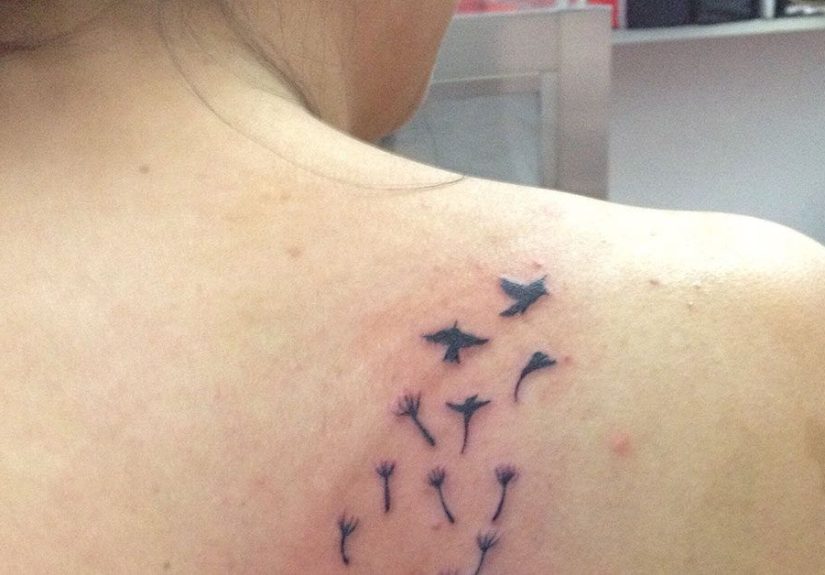
A new tattoo is basically a beautiful wound with a strong personality. During the first days and weeks, the area may feel sore, tight, warm, dry, flaky, or itchy. That is because your immune system is clearing debris, repairing the surface of the skin, and helping the outer layer close back up.
If your tattoo is in the early healing stage, some itchiness can be completely normal. Mild redness, tenderness, light swelling, clear fluid, flaking, and scabbing may show up as part of ordinary recovery. Translation: your skin is rebuilding itself, not necessarily plotting against you.
2. Dryness makes the itch louder
When tattooed skin dries out, it often gets more uncomfortable. Dry skin can feel tight, rough, and extra itchy, especially once peeling starts. That is why proper tattoo aftercare matters so much. Gentle cleansing and a fragrance-free moisturizer can help reduce the “I would trade my dignity for one scratch” phase.
3. Scabs and peeling can trigger that crawling feeling
As the tattoo heals, tiny scabs or thin flakes may form. This stage is notorious for itch. Unfortunately, it is also the stage when scratching can pull up pigment, irritate the skin more, and slow healing. In other words, the itch may be normal, but scratching is still a terrible strategy.
4. Nerves and inflammation can add to the sensation
Healing skin is busy skin. Inflammation, changes in the skin barrier, and sensitivity in the area can all contribute to that prickly, twitchy, maddening feeling. Some people describe it as a surface itch. Others say it feels deeper, like the tattoo is itchy from the inside out. Either way, your skin is sending a lot of signals while it repairs itself.
When an Itchy Tattoo Is Normal
In many cases, tattoo itching is normal when it:
- shows up during the first one to two weeks of healing,
- comes with light flaking or mild scabbing,
- improves when you moisturize the area,
- does not come with worsening redness, severe pain, pus, or fever,
- gradually gets better instead of more dramatic by the day.
A normal healing itch tends to be annoying but predictable. It usually fades as the skin settles down. Think of it as the skin equivalent of your body saying, “Repairs are underway. Please do not press any buttons.”
When an Itchy Tattoo Is Not Normal
This is where you stop playing detective and start paying attention.
1. Infection
A healing tattoo can be red and sore. An infected tattoo tends to become more red, more painful, or more swollen instead of slowly calming down. Warning signs can include spreading or darkening redness, pain that worsens instead of easing, itchy red painful bumps, fever, chills, pus, or open sores.
If that list made you sit up straighter, good. Infection is one of the biggest reasons not to dismiss a tattoo that “just itches.” Some tattoo infections need prescription antibiotics, and serious cases may require more aggressive treatment. Calling the tattoo artist for medical advice is like asking your barber to evaluate chest pain. Nice person, wrong job.
2. Allergic reaction to tattoo ink
A tattoo allergy can happen right away, weeks later, or even years after you got the tattoo. That delay is one reason people get confused. They think, “It healed fine back then, so this cannot be related.” Unfortunately, skin loves a plot twist.
Allergic reactions often stay limited to one section or one color of the tattoo. Common signs include itch, swelling, small bumps, raised scaly patches, blisters, crusting, or fluid leaking from the area. Red ink is often blamed, though other colors can cause problems too.
If the reaction is mild but lingers beyond a week or two, it is smart to see a dermatologist. If it comes with trouble breathing, intense swelling, hives, chest tightness, dizziness, or a racing heart, treat it as urgent care territory.
3. Sun-triggered reactions
Some people notice that their tattoo becomes itchy only after time in the sun. That can point to a sun-related reaction, especially if you get swelling, tiny itchy bumps, hives, or blisters on the tattooed area. Tattoos are not vampires, but some definitely become crankier in sunlight.
If sun exposure seems to be the trigger, consistent sun protection matters. Cover the area, seek shade, and use a broad-spectrum, water-resistant sunscreen with SPF 30 or higher once the tattoo is fully healed.
4. Chronic inflammatory reactions or granulomas
If you have a tattoo that healed long ago but has now become persistently itchy, raised, bumpy, or inflamed, an ongoing inflammatory reaction may be the culprit. These delayed reactions have been reported especially with red pigments and can show up weeks, months, or years later. Sometimes the area develops nodules, thickened plaques, or a stubborn patch that never seems to settle down.
This is not a “just tough it out” situation. A dermatologist may need to examine it, consider patch testing or a biopsy, and decide whether you are dealing with allergic contact dermatitis, a granulomatous reaction, or another skin condition that happened to target the tattoo.
5. Skin conditions or scarring
Tattoos can sometimes trigger skin problems in or around the inked area, including eczema, psoriasis, lichen planus, sarcoidosis, or keloid-type scarring. If your tattoo becomes raised, thickened, very itchy, or starts looking more like a rash than a healed design, it is worth getting a medical opinion.
How to Find Relief From Tattoo Itch
Keep it clean, but be gentle
Wash the area with a mild, fragrance-free cleanser and lukewarm water. Avoid scrubbing, rough washcloths, or “deep cleaning” like you are restoring antique furniture. The goal is cleanliness without irritation.
Use a fragrance-free moisturizer
If your tattoo artist or clinician has given you aftercare instructions, follow them. In general, a mild, fragrance-free, dye-free moisturizer can help calm dryness and reduce itch. For healed tattooed skin, water-based lotions or creams are often a good choice. More is not better here. A thin layer is usually enough.
Try a cool compress
A cool, clean compress can temporarily quiet itching. This is one of the simplest ways to calm irritated skin without interfering with healing. Think of it as giving your tattoo a small timeout.
Avoid scratching and picking
Yes, obviously. Also yes, surprisingly difficult. Scratching can reopen healing skin, increase irritation, raise the risk of infection, and pull off flakes or scabs before they are ready to leave. If the urge is strong, press gently around the area or use a cool compress instead.
Skip irritating products
Fragranced lotions, harsh soaps, exfoliants, and random “miracle balms” can make things worse. Your tattoo does not need a 12-step skincare routine while it is healing. It needs peace, moisture, and a little respect.
Keep heat and friction down
High heat, sweaty conditions, and rough or tight clothing can make itchy skin feel even itchier. Soft, loose clothing is usually a better choice while the tattoo heals, especially if the area already feels irritated.
Be careful with anti-itch creams
For a fully healed tattoo that is itchy from irritation or dermatitis, a clinician may recommend treatments such as topical steroids or antihistamines. But for a fresh tattoo, do not start experimenting with medicated creams unless a healthcare professional tells you to. A new tattoo is still healing, and not every over-the-counter fix belongs on it.
What Not to Do
- Do not scratch the tattoo, even if your brain insists this is a reasonable life choice.
- Do not pick scabs or peeling skin.
- Do not ignore fever, pus, worsening pain, or spreading redness.
- Do not assume “it is probably fine” if the itching keeps returning in one ink color.
- Do not use heavily fragranced or irritating products on healing skin.
- Do not rely on internet folklore when a dermatologist should be involved.
When to Call a Doctor or Dermatologist
Seek medical care if your itchy tattoo comes with:
- fever or chills,
- pus or open sores,
- worsening or spreading redness,
- pain that keeps getting worse,
- itchy red painful bumps,
- blisters, hives, or intense swelling,
- trouble breathing, dizziness, or a racing heart,
- itching that lasts for weeks, returns repeatedly, or starts months or years later.
If the tattoo is old and the problem is new, that does not rule the tattoo out. Delayed reactions happen. If the tattoo is new and the symptoms are escalating instead of improving, do not wait for your skin to make a second announcement.
How to Reduce the Chance of Tattoo Itch and Complications
Choose a reputable shop
The safest tattoo starts before the needle ever touches your skin. A professional, licensed, hygienic setting matters. Infection risks rise in unregulated settings, and contaminated or improperly handled ink has been linked to outbreaks.
Ask smart questions
It is completely fair to ask about hygiene practices, whether the inks are made specifically for tattooing, and whether sterile technique is being used. That is not being difficult. That is being a person who enjoys having functioning skin.
Follow aftercare instructions closely
Good aftercare lowers irritation, supports healing, and helps you tell the difference between normal recovery and a problem. Healing skin is already doing enough. Do not make it do obstacle training too.
Protect healed tattoos from the sun
Sun exposure can irritate some tattoos and may trigger reactions in sensitive skin. Once healed, regular sunscreen use also helps preserve the look of the tattoo over time. Your future self with a still-crisp tattoo will be grateful.
Final Thoughts
An itchy tattoo is often just your skin doing normal repair work. Mild itching during the healing process is common, especially when dryness, flaking, or small scabs show up. In many cases, gentle cleansing, a fragrance-free moisturizer, a cool compress, and heroic restraint around scratching are enough to get you through.
But some tattoos itch because something is off. Infection, allergic reactions, sun sensitivity, chronic inflammation, and scarring can all turn a normal itch into a medical issue. The biggest clue is the pattern: normal healing tends to improve with time, while problem tattoos get angrier, linger too long, or come with obvious red flags.
So if your tattoo is just mildly itchy, you probably need patience. If it is hot, swollen, leaking, painful, covered in bumps, or suddenly freaking out months later, you probably need a doctor. Your tattoo can be art and still require adult supervision.
Experiences People Commonly Have With an Itchy Tattoo
People often expect pain after getting tattooed. What catches them off guard is the itch. Day one and day two may feel more like soreness or a sunburn. Then, sometime during the first week, the itch arrives like an uninvited guest who also knows how to juggle. Suddenly the tattoo feels tight, a little flaky, and weirdly “tickly” under the skin. Many people say this is the stage that tests their willpower far more than the tattoo session itself.
A very common experience is the “peeling panic” phase. The tattoo begins to shed tiny flakes, and the person immediately assumes the artwork is falling off forever. In reality, it is usually just the surface healing. The itch tends to spike when those flakes appear, especially if the skin gets dry. That is why people often notice the tattoo feels better right after a gentle wash and a light layer of moisturizer. The itch may not vanish completely, but it becomes less dramatic and less likely to inspire bad decisions.
Another familiar experience is the bedtime itch. During the day, people are distracted. At night, however, the tattoo suddenly becomes the only thing in the universe. Sheets brush the skin, body heat builds, and the mind starts negotiating. “One tiny scratch,” it whispers. That is how many people end up lightly tapping around the tattoo, holding a cool compress on it, or sleeping in loose clothing just to avoid waking up mid-scratch like a raccoon in a pantry.
Some people have a different pattern entirely: the tattoo heals, life moves on, and months later one section becomes itchy and raised. Often it is a single color, not the whole tattoo. Red areas are a frequent troublemaker. The person usually thinks it must be a bug bite, dry skin, or stress. Then the same patch keeps flaring, especially after sun exposure or heat. That kind of experience can be confusing and frustrating because the tattoo looked fine for so long. In those situations, a dermatologist is often the person who finally connects the dots.
Then there are the experiences that should not be shrugged off. A person may notice the tattoo getting redder instead of calmer, more painful instead of less, or developing pus, sores, or clusters of itchy painful bumps. Some also feel sick overall, with fever or chills. Those stories tend to start with “I thought it was normal” and end with antibiotics or a doctor visit. That is why paying attention to the trend matters so much. Healing should look boringly better, not creatively worse.
In short, the experience of an itchy tattoo ranges from mildly annoying to medically important. For many people, it is just a temporary part of healing. For others, it is the first clue that the skin is reacting to ink, sunlight, or infection. The more closely you watch the pattern, the easier it is to tell whether you need lotion, patience, or professional help.