Table of Contents >> Show >> Hide
- What Is Cottage Cheese?
- Cottage Cheese Nutrition: What Is Inside the Bowl?
- Health Benefits of Cottage Cheese
- Potential Downsides of Cottage Cheese
- Is Cottage Cheese Good for Weight Management?
- Is Cottage Cheese Good for Your Gut?
- How to Choose the Healthiest Cottage Cheese
- Easy Ways to Eat Cottage Cheese
- Who Should Be Careful With Cottage Cheese?
- Real-Life Experience: What Eating Cottage Cheese Actually Feels Like
- Conclusion: So, Is Cottage Cheese Good for You?
Cottage cheese has officially escaped the sad cafeteria tray and entered its main-character era. It is blended into high-protein pancakes, whipped into dips, folded into scrambled eggs, spooned onto toast, and somehow turned into “ice cream” by people with very confident blenders. But beneath the social media glow-up, one practical question remains: is cottage cheese good for you?
The short answer is yes, cottage cheese can be a very nutritious food for many people. It is rich in protein, relatively low in calories, usually low in added sugar, and supplies important nutrients such as calcium, phosphorus, selenium, potassium, riboflavin, and vitamin B12. It can support muscle repair, fullness, bone health, and balanced meals. However, it is not perfect. Some varieties are high in sodium, some contain more saturated fat, and people with lactose intolerance or dairy allergies may need to avoid it or choose carefully.
Think of cottage cheese as a useful tool, not a miracle food wearing a tiny cape. When chosen wisely and eaten as part of an overall balanced diet, it can absolutely earn a spot in your fridge.
What Is Cottage Cheese?
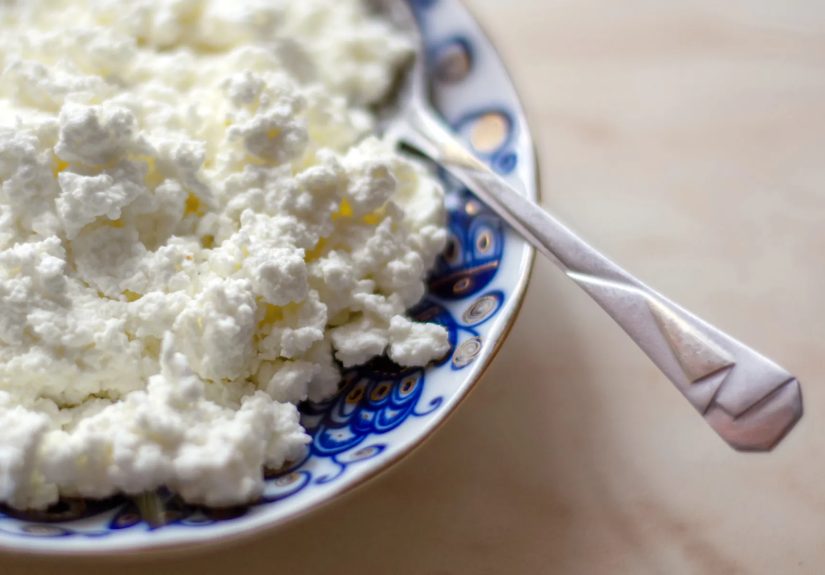
Cottage cheese is a fresh cheese made from curds, usually from cow’s milk. Unlike aged cheeses such as cheddar or parmesan, cottage cheese is not pressed into a firm block. It stays soft, creamy, and slightly lumpy. Those little curds are part of its charm, even if the texture has divided households for generations.
Most grocery stores carry several versions: nonfat, low-fat, 2%, 4% full-fat, small curd, large curd, whipped, lactose-free, low-sodium, and flavored cups with fruit. The nutrition changes depending on the brand and style, so the Nutrition Facts label matters. A plain low-fat cottage cheese may be high in protein and moderate in sodium, while a flavored version may contain more added sugar. A full-fat version may be creamier and more satisfying but higher in calories and saturated fat.
Cottage Cheese Nutrition: What Is Inside the Bowl?
A typical half-cup serving of low-fat cottage cheese provides roughly 90 calories, about 11 to 14 grams of protein, around 4 to 5 grams of carbohydrates, and a small amount of fat. Full-fat cottage cheese may provide closer to 110 to 120 calories per half-cup, with more fat and saturated fat. Exact numbers vary by brand, but the overall pattern is clear: cottage cheese offers a lot of protein for a fairly modest calorie amount.
Its biggest nutritional flex is protein. Cottage cheese contains casein, a dairy protein that digests more slowly than some other protein sources. This is one reason it can feel satisfying. It does not vanish from your stomach like a handful of crackers that promised to be a snack and immediately betrayed you.
Cottage cheese also contains minerals and vitamins that support everyday health. Calcium and phosphorus help maintain bones and teeth. Vitamin B12 supports nerve function and red blood cell formation. Selenium helps protect cells from oxidative stress. Potassium plays a role in fluid balance and muscle function. In other words, cottage cheese brings more to the table than just “protein, but make it spoonable.”
Health Benefits of Cottage Cheese
1. It Is High in Protein
Protein is essential for building and repairing tissues, supporting immune function, and helping meals feel more satisfying. Cottage cheese is especially useful because it packs a meaningful protein punch into a small serving. For breakfast, a half-cup of cottage cheese with berries can be more filling than a plain piece of toast. For lunch, cottage cheese added to a salad can make the meal feel more complete. For dinner, blending it into a pasta sauce can add creaminess and protein without needing a heavy cream waterfall.
This does not mean everyone needs to chase giant protein numbers. But many people benefit from spreading protein throughout the day instead of eating most of it at dinner. Cottage cheese makes that easier because it works in both sweet and savory meals.
2. It May Help With Fullness and Balanced Eating
Because cottage cheese is high in protein, it can help you feel full longer. A snack that combines protein, fiber, and healthy carbohydrates is often more satisfying than a snack made mostly of refined carbs. For example, cottage cheese with sliced peaches, berries, or whole-grain crackers gives you protein plus energy from carbohydrates. Cottage cheese with cucumber, tomatoes, pepper, and herbs can feel like a mini-meal instead of a desperate fridge raid.
For people trying to build balanced meals, cottage cheese is convenient. It requires no cooking, comes ready to eat, and can be portioned easily. That matters on busy mornings, school nights, office lunches, or any moment when the refrigerator looks like a puzzle and you are not emotionally prepared to solve it.
3. It Supports Muscle Repair and Active Lifestyles
Cottage cheese can be helpful after exercise because it provides protein needed for muscle repair. Pairing it with carbohydrates can make it even more useful after a workout. For example, cottage cheese with fruit, a slice of whole-grain toast, or a baked potato can help replenish energy while providing amino acids for recovery.
It is not only for athletes. Anyone who walks, lifts, dances, plays sports, gardens, or carries grocery bags like a competitive event uses muscles. Protein-rich foods such as cottage cheese can help support those muscles as part of an overall healthy diet.
4. It Contributes to Bone Health
Dairy foods can provide calcium, phosphorus, and protein, all of which play roles in bone health. Cottage cheese is not always as calcium-rich as yogurt or milk, depending on how it is made, but it still contributes useful nutrients. Calcium needs vary by age and life stage, and many people do not consistently meet their needs through food alone.
The smartest approach is variety. Cottage cheese can be one part of a bone-supportive eating pattern that also includes foods such as yogurt, milk, fortified soy milk, leafy greens, beans, tofu made with calcium, canned salmon with bones, and fortified cereals. Your bones do not care whether the calcium arrived wearing a dairy badge or a plant-based badge; they care that the nutrients show up.
5. It Is Usually Low in Added Sugar
Plain cottage cheese usually contains little to no added sugar. That makes it a strong option for people who want a creamy snack without turning it into dessert by accident. The key word is “plain.” Flavored cottage cheese cups with fruit sauces may contain added sugars, so check the label if that matters to you.
You can sweeten plain cottage cheese naturally with fruit, cinnamon, vanilla, or a small drizzle of honey. Or you can go savory with black pepper, chili flakes, fresh herbs, tomatoes, avocado, or everything bagel seasoning. Cottage cheese is basically a blank canvas, except it lives in the dairy aisle and has curds.
Potential Downsides of Cottage Cheese
1. Some Cottage Cheese Is High in Sodium
The biggest drawback is sodium. Cottage cheese often contains more sodium than people expect because salt helps with flavor, texture, and preservation. A single serving can contribute a noticeable amount toward the recommended daily sodium limit. For people watching blood pressure or trying to reduce sodium intake, this is important.
The fix is simple: compare labels. Look for lower-sodium or no-salt-added cottage cheese if sodium is a concern. You can also balance higher-sodium cottage cheese with potassium-rich foods such as bananas, oranges, potatoes, tomatoes, spinach, or beans. That does not erase sodium, but it helps build a more balanced meal pattern.
2. It Contains Lactose
Cottage cheese is a dairy food, so it contains lactose unless labeled lactose-free. People with lactose intolerance may experience gas, bloating, or stomach discomfort after eating it. Some people tolerate small portions well, while others do better with lactose-free cottage cheese or non-dairy alternatives.
If you are sensitive to lactose, start with a small amount and see how your body responds. Your digestive system is allowed to have opinions, and sometimes it submits them loudly.
3. It Is Not Safe for People With Dairy Allergy
Lactose intolerance and dairy allergy are not the same. Lactose intolerance involves difficulty digesting lactose. A dairy allergy involves the immune system reacting to milk proteins. People with a true dairy allergy should avoid cottage cheese unless a qualified healthcare professional has advised otherwise.
4. Full-Fat Versions Contain More Saturated Fat
Full-fat cottage cheese can be creamy, rich, and satisfying, but it contains more saturated fat than low-fat or nonfat versions. That does not automatically make it “bad.” It simply means portion size and overall diet matter. If most of your meals are rich in saturated fat from butter, fatty meats, pastries, and full-fat dairy, choosing low-fat cottage cheese may be a better everyday move. If your diet is generally balanced, full-fat cottage cheese can fit in moderation.
Is Cottage Cheese Good for Weight Management?
Cottage cheese can support weight management because it is high in protein and can help with fullness. But it does not cause weight loss by magic. No single food does. If cottage cheese helped people lose weight automatically, grocery stores would need velvet ropes around the dairy section.
What cottage cheese can do is make balanced eating easier. A protein-rich breakfast may reduce the urge to snack constantly. A cottage cheese bowl with fruit and nuts can feel more satisfying than a sugary snack. A blended cottage cheese sauce can add creaminess to meals while keeping protein high. These small choices can support a healthier pattern over time.
The goal should not be restriction. The goal is building meals that provide enough protein, fiber, flavor, and satisfaction so you are not wandering into the kitchen every 20 minutes asking the cabinets for emotional support.
Is Cottage Cheese Good for Your Gut?
Some cottage cheese products contain live and active cultures, which may support gut health. However, not every cottage cheese contains probiotics. If that is what you want, look for labels that mention “live and active cultures.”
Even without probiotics, cottage cheese can still be part of a gut-friendly diet when paired with fiber-rich foods. Try it with berries, sliced apples, oats, flaxseed, chia seeds, beans, vegetables, or whole-grain toast. Protein plus fiber is a much better digestive team than protein alone. Cottage cheese brings the protein; plants bring the fiber; your gut gets a more interesting guest list.
How to Choose the Healthiest Cottage Cheese
Choosing cottage cheese is not complicated, but the label deserves a quick glance. First, check the protein. A good cottage cheese usually provides at least 10 to 12 grams of protein per half-cup. Next, check sodium. If you eat cottage cheese often or monitor blood pressure, look for lower-sodium options. Then check added sugar, especially in flavored versions. Plain is usually the most flexible choice.
Also consider fat level. Nonfat and low-fat cottage cheese are lighter options. Full-fat cottage cheese may be more satisfying and taste better to some people. The best choice depends on your health needs, preferences, and how the rest of your diet looks.
Finally, look at the ingredient list. Some brands are very simple: milk, cream, salt, and cultures. Others include gums, stabilizers, or flavorings. These are not automatically harmful, but if you prefer a shorter ingredient list, you have options.
Easy Ways to Eat Cottage Cheese
Cottage cheese is much more versatile than its old reputation suggests. For a sweet breakfast, top it with berries, banana slices, cinnamon, walnuts, and a spoonful of oats. For a savory lunch, spread it on toast with tomato, cracked pepper, and basil. For a quick snack, pair it with cucumbers, carrots, or whole-grain crackers.
You can also blend cottage cheese until smooth and use it as a base for dips, dressings, pancake batter, scrambled eggs, pasta sauce, or creamy soups. Blending is especially helpful for people who like the nutrition but cannot make peace with the curds. Texture should not stand between you and a good snack.
Who Should Be Careful With Cottage Cheese?
Cottage cheese is safe and healthy for many people, but some should be more careful. People with high blood pressure, kidney disease, or sodium restrictions should choose low-sodium versions and ask a healthcare professional for personalized advice. People with lactose intolerance may need lactose-free cottage cheese or smaller portions. People with dairy allergy should avoid it. Pregnant people, young children, older adults, and anyone with a weakened immune system should choose pasteurized dairy products and avoid raw milk products.
For most people, the main strategy is simple: choose a version that fits your needs, watch portions, and pair it with other nutrient-rich foods.
Real-Life Experience: What Eating Cottage Cheese Actually Feels Like
In real life, cottage cheese is one of those foods that becomes more useful the moment you stop treating it like a lonely side dish. Eaten straight from the container, it can feel a little plain. Eaten with the right toppings, it becomes a fast, flexible meal helper. The experience depends heavily on texture, temperature, and pairing.
For breakfast, cottage cheese works best when it has contrast. A bowl with blueberries, sliced strawberries, cinnamon, and chopped almonds feels fresh, creamy, sweet, and crunchy at the same time. The protein makes the meal more satisfying than fruit alone, while the fruit keeps it from feeling too heavy. If you like a sweeter flavor, a small drizzle of honey or maple syrup can help, but it usually does not need much.
For savory meals, cottage cheese can be surprisingly good on toast. A thick layer on whole-grain toast with tomato, black pepper, olive oil, and fresh herbs tastes like something you would pay too much for at a café with tiny wooden chairs. It also works well next to eggs, roasted potatoes, or grilled vegetables. The mild flavor makes it easy to season.
One of the best practical uses is blending it. Blended cottage cheese becomes smooth and creamy, almost like a high-protein ricotta or sour cream substitute. It can be stirred into pasta sauce, mixed with herbs for a dip, or added to pancake batter. This is helpful if you dislike curds but still want the nutrition. The blender basically gives cottage cheese a makeover and tells it to stand up straight.
As a snack, cottage cheese is useful because it does not require cooking. After school, after work, after a workout, or during a busy afternoon, it can become a quick protein source. Pairing it with fruit, crackers, vegetables, or nuts makes it feel more complete. Eating it alone is fine, but pairing it well improves both flavor and satisfaction.
The main experience-related warning is sodium. Some brands taste noticeably salty, which can be great in savory recipes but too much in sweet bowls. If you plan to eat it often, testing a few brands is worth it. Texture also varies: some are creamy, some are watery, some have firm curds, and some are smooth. If you tried one cottage cheese years ago and hated it, you may not hate all cottage cheese. You may have simply met the wrong tub.
Overall, cottage cheese works best as a supporting actor that can quietly upgrade meals. It adds protein to breakfast, creaminess to sauces, body to snacks, and staying power to simple plates. It is not glamorous in the traditional sense, but it is practical, affordable, and surprisingly adaptable. In a world of complicated wellness trends, that is a pretty strong résumé.
Conclusion: So, Is Cottage Cheese Good for You?
Yes, cottage cheese is good for many people. It is high in protein, convenient, versatile, and packed with useful nutrients. It can support fullness, muscle repair, bone health, and balanced meals. It also works in sweet and savory recipes, which makes it easier to eat regularly without getting bored.
Still, the healthiest choice depends on the label and your personal needs. Choose low-sodium cottage cheese if you are watching salt. Pick lactose-free if regular dairy bothers your stomach. Choose lower-fat versions if you are limiting saturated fat, or enjoy full-fat cottage cheese in moderate portions if it fits your overall diet. Plain cottage cheese is usually the most flexible option because you control the toppings, sweetness, and seasoning.
Cottage cheese is not a magic food, but it is a smart one. It is simple, protein-rich, and ready whenever your meal needs a boost. That is more than enough reason to give the humble tub in the dairy aisle a second look.