Table of Contents >> Show >> Hide
- Why In-Ground Fire Pits Feel So Good
- Before You Dig: Safety, Codes, and “Please Don’t Hit a Gas Line”
- 10 Inspirational In-Ground Fire Pit Ideas That Actually Work
- 1) The Classic Flush Stone Ring
- 2) The Sunken Patio “Conversation Pit”
- 3) The Gravel Courtyard With a Steel Insert
- 4) The Paver Circle That Reads Like an Outdoor Room
- 5) The Retaining-Wall Block Build With a Capstone Finish
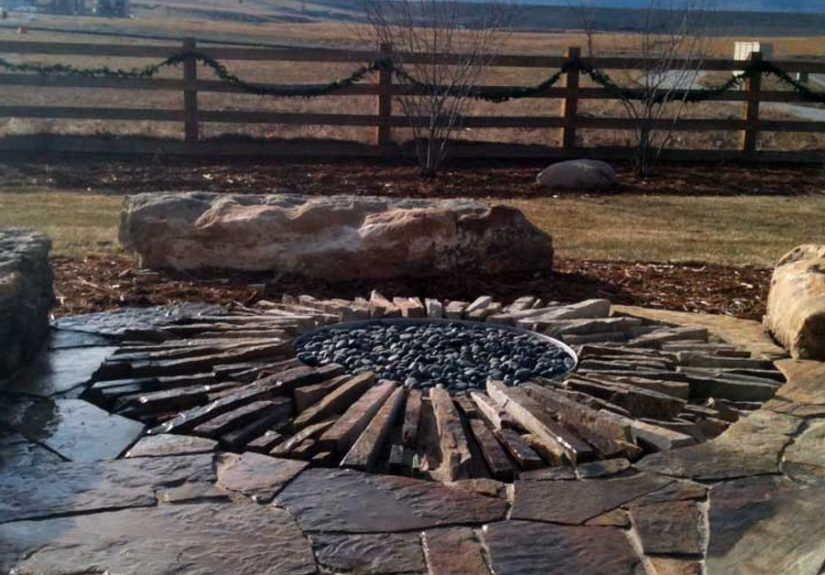
- 6) The Rustic Boulder Edge (With Smarter Stone Choices)
- 7) The Mandala-Style Decorative Sand + Stone Pattern
- 8) The Low-Profile Modern Concrete Look
- 9) The Gas-Powered In-Ground Fire Feature
- 10) The Budget “Weekend Glow-Up” Pit With a Seating Ring
- Materials That Hold Up to Heat (and Don’t Start Drama)
- Drainage: The Difference Between “Cozy” and “Outdoor Soup Bowl”
- Fire Pit Seating Area Ideas: Comfort, Spacing, and Flow
- Smoke Management (a.k.a. Being a Good Neighbor)
- Small Upgrades That Make an In-Ground Fire Pit Look Expensive
- Maintenance and Cleanup: Keep It Easy, Keep It Safe
- Conclusion: Build the Cozy, Not the Chaos
- Real-World Experiences With In-Ground Fire Pits (What People Learn After the First Few Nights)
An in-ground fire pit is basically the backyard equivalent of upgrading from “I guess we can hang out” to
“we have a vibe.” It’s lower to the ground, feels more tucked-in than a bowl-on-legs fire pit, and can
make even a plain yard look like it’s starring in a cozy fall catalog shoot.
This guide pulls together the best real-world ideas and practical lessons floating around DIY circles (think:
the kinds of projects you’d see on Hometalk) and combines them with safety and design principles that keep
your fire feature fun instead of “memorable for the wrong reasons.” We’ll cover inspiring in-ground fire pit
styles, materials that handle heat, drainage and maintenance tips, and layout ideas so your space works for
actual humansnot just for one perfect photo.
Why In-Ground Fire Pits Feel So Good
There’s a reason sunken fire pit ideas keep trending: lowering the flame changes the whole mood. An in-ground
fire pit can feel more intimate because the fire sits below sightline, which makes conversation easier and
helps the glow feel like it’s “in” the space rather than perched on top of it. In many yards, that low profile
also helps reduce visual clutterno bulky metal bowl dominating the view.
They also play nicely with landscaping. You can blend a fire pit into gravel, pavers, decomposed granite, or a
patio edge so it looks built-in. Done right, an in-ground fire pit becomes a natural anchor point for an
outdoor living room: a place where chairs make sense, string lights feel justified, and s’mores become a
legitimate dinner plan.
Before You Dig: Safety, Codes, and “Please Don’t Hit a Gas Line”
A backyard fire pit is a leisure feature, but it lives in the grown-up world of safety clearances, local
regulations, and common sense. Start here, and everything else gets easier.
Smart placement rules of thumb
- Give it space: A common minimum guideline is keeping a fire pit at least 10 feet from anything that can burn (structures, fences, sheds, dry landscaping, overhangs).
- Look up: Check tree branches, pergolas, umbrellas, and roof eaves. Embers don’t care about your patio aesthetic.
- Mind the wind: If your yard regularly funnels gusts, position the pit so smoke is less likely to drift into doors, windows, and neighbors’ seating areas.
- Think traffic: Don’t stick it in a narrow pass-through. People + drinks + fire = the kind of math nobody wants.
Call 811 (seriously)
If you’re creating a sunken fire pit, you’re digging. And if you’re digging, you should contact 811 (the
national “call before you dig” service) so underground utilities can be marked. This is free, it’s normal, and
it’s wildly less stressful than discovering you’ve unearthed something that starts hissing.
Check local fire rules and burn restrictions
Many cities and counties regulate recreational firessometimes by distance from structures, sometimes by fire
size (for example, some jurisdictions use “recreational fire” definitions tied to a 3-foot diameter / 2-foot
height fuel area), and sometimes by seasonal burn bans. Treat this like checking the weather: quick to do, and
it prevents bad nights.
Fuel caution: skip dangerous liquid-fueled fire pits
For backyard setups, avoid alcohol or other liquid-burning fire pits that can produce flame jetting and severe
burns. If you want convenience, choose a listed/certified gas product (installed correctly) or stick with a
traditional wood fire that’s managed responsibly.
10 Inspirational In-Ground Fire Pit Ideas That Actually Work
The best backyard fire pit ideas are the ones that look great and still look great after the first
rain, the first party, and the first time someone drops a marshmallow and pretends it was “for the dog.”
Here are standout styles you can adapt to your yard size, budget, and patience level.
1) The Classic Flush Stone Ring
A simple stone ring set slightly below grade is the timeless option: minimal, sturdy, and easy to landscape
around. Pair it with a gravel halo or paver border to keep grass from creeping into the party. This style works
especially well in mid-sized yards where you want a “destination” without building a whole patio.
2) The Sunken Patio “Conversation Pit”
If you’ve ever seen a built-in seating fire pit area that looks like a resort lounge, this is the blueprint.
A slightly lowered patio zone (even just a step down) creates instant coziness. Add low retaining walls as
seating, then layer outdoor cushions so it feels intentional instead of “we sat on a wall because we ran out of
chairs.”
3) The Gravel Courtyard With a Steel Insert
Gravel patios are popular because they drain well and feel casual in a good waylike you’re allowed to put your
feet up. Drop a steel fire ring insert into an in-ground pit, surround it with compacted gravel, and you’ve got
a modern-rustic look that doesn’t demand constant edging.
4) The Paver Circle That Reads Like an Outdoor Room
A paver circle visually “frames” the fire pit and makes your yard feel designed. This is a great layout for
symmetrical seating: Adirondack chairs, a semicircle bench, or a mix of lounge chairs and poufs. Add low
lighting and suddenly your backyard has better ambiance than your living room.
5) The Retaining-Wall Block Build With a Capstone Finish
If you like a polished look, retaining-wall blocks and capstones can deliver clean edges and a consistent
finish. The capstone detail matters: it creates a comfortable perch for elbows and gives the whole project a
“professional hardscape” vibe.
6) The Rustic Boulder Edge (With Smarter Stone Choices)
Big natural stones can look gorgeous as a half-buried edge, especially in cottage, woodland, or desert-style
yards. The key is choosing stone that’s appropriate for heat exposure and keeping the burn area lined with
fire-rated materials. Think “rustic on the outside, sensible on the inside.”
7) The Mandala-Style Decorative Sand + Stone Pattern
This is the artsy, Hometalk-adjacent favorite: a sunken pit decorated with concentric patterns of stones, sand,
or gravel for a custom look. It photographs beautifully and can be adjusted seasonally (different stones,
different pattern, same pit).
8) The Low-Profile Modern Concrete Look
For a sleek backyard fire pit design, use a minimalist ring and surround it with crisp materials: smooth pavers,
clean gravel, and a simple bench line. Keep furniture modern and low. This style is especially good in smaller
yards where busy textures can feel crowded.
9) The Gas-Powered In-Ground Fire Feature
If you want “flip a switch” convenience, an in-ground gas fire pit can be a smart upgradeespecially for
households that don’t want to store wood or deal with smoke. Plan for proper clearances, follow manufacturer
instructions, and use fire-rated media (like approved lava rock or fire glass) rather than random landscaping
stones.
10) The Budget “Weekend Glow-Up” Pit With a Seating Ring
Not every project needs a full patio makeover. A modest in-ground fire pit plus a gravel seating ring (or a few
pavers as chair pads) can transform an unused corner into a hangout zone. Add a small side table for drinks and
a basket for blanketsinstant “we meant to do this.”
Materials That Hold Up to Heat (and Don’t Start Drama)
The biggest mistake people make is treating a fire pit like any other landscaping feature. Heat changes the
rules. For the burn chamber, stick with materials designed for high temperatures: fire-rated brick, an
appropriate fire ring insert, or masonry products specifically meant for fire features.
Around the pit, hardscape choices like pavers, stone, and gravel are popular because they’re durable, tidy, and
easier to keep clear of leaves and debris. If you love the look of a lush lawn right up to the edge, consider
a small noncombustible border so you’re not constantly policing grass from turning into “accidental kindling.”
Drainage: The Difference Between “Cozy” and “Outdoor Soup Bowl”
In-ground fire pits are naturally prone to collecting water. Rain happens. Sprinklers happen. That one friend
who “didn’t see the hose” happens. Plan for drainage so your pit doesn’t become a permanent frog spa.
- Use a drainage layer: Many builders include gravel at the bottom to help water move through instead of pooling.
- Think about the surrounding grade: If your patio slopes toward the pit, water will follow. Adjust grading or add a subtle berm so runoff doesn’t aim straight at your fire feature.
- Cover it: A simple cover helps keep out rain, leaves, and the mysterious yard debris that appears overnight like a prank.
Drainage is also maintenance: wet ash turns into a messy paste, and a soggy pit is harder to light and more
likely to smoke. A little planning up front saves you a lot of “why is it doing that?” later.
Fire Pit Seating Area Ideas: Comfort, Spacing, and Flow
Seating makes the fire pit. Without it, you just have… a hole you occasionally stare into. A great fire pit
seating area balances three things: comfort, safety, and the ability for people to move around without playing
obstacle course.
Layout tips that feel good in real life
- Don’t crowd the heat: If seats are too close, guests will either roast or constantly scoot back. Build in breathing room so you can adjust with the weather.
- Create “landing zones”: Add side tables or a ledge for drinks and plates. People relax faster when they’re not clutching everything like they’re on a windy boat.
- Plan a walkway: A clear path to and from the house mattersespecially when it’s dark and people are carrying snacks.
- Mix seating types: Chairs for chatting, a bench for extra guests, and a couple of lightweight stools you can move as needed.
Smoke Management (a.k.a. Being a Good Neighbor)
Smoke is the biggest reason some people “love the idea of a fire pit” but avoid using one. The trick is setting
yourself up for cleaner burns and smarter placement.
- Burn dry, seasoned wood: It lights more easily and produces less smoke than wet wood.
- Avoid burning trash or treated materials: Besides being unsafe, it can create unpleasant fumes.
- Use wind to your advantage: Place the pit so smoke drifts away from doors, windows, and your neighbors’ favorite patio chair.
- Consider gas if smoke is a deal-breaker: Gas fire pits can reduce smoke and simplify lighting, especially in neighborhoods where wood smoke is a sensitive issue.
Also: keep a screen handy if your setup allows it. Sparks are charming in movies. In real life, they’re tiny
chaos confetti.
Small Upgrades That Make an In-Ground Fire Pit Look Expensive
You don’t need a massive remodel to get a high-end look. These tweaks are budget-friendly, photo-friendly, and
sanity-friendly:
- Define the edge: A clean border of pavers, capstone, or steel makes everything look intentional.
- Layer lighting: String lights for glow, path lights for safety, and a lantern or two for mood.
- Add texture: Combine pavers + gravel, or stone + mulch beds (kept at a safe distance) for a designed feel.
- Hide the “stuff”: Store wood neatly, tuck tools into a box, and keep a metal bucket for ash.
- Bring soft goods: Outdoor pillows and a throw basket make the space inviting fast.
Maintenance and Cleanup: Keep It Easy, Keep It Safe
The best fire pit is the one you’ll actually use. Maintenance doesn’t have to be a big production, but it does
need to be consistent.
- Let ashes cool completely: Ash can stay hot longer than you think. Use a metal container with a lid for disposal.
- Clear the area: Remove dry leaves and debris so stray embers don’t find a side quest.
- Inspect the ring/liner: Look for cracks, shifting stones, or loose capssmall fixes now prevent bigger repairs later.
- Keep safety tools nearby: A hose, bucket of water, or extinguisher is backyard insurance you hope you never cash in.
Conclusion: Build the Cozy, Not the Chaos
Inspirational in-ground fire pits work because they combine atmosphere with function. The best designs feel
welcoming, sit naturally in the landscape, drain well, and respect safety clearances and local rules. Whether
you go classic stone ring, modern gravel courtyard, or a full sunken conversation pit, the goal is the same:
create a place where people linger, talk longer, and maybe tell the same story twice because the fire makes
everything feel like a tradition.
Real-World Experiences With In-Ground Fire Pits (What People Learn After the First Few Nights)
If you scroll enough DIY posts and comment threads about sunken fire pits, a pattern emerges: almost everyone
loves the finished look, and almost everyone has at least one “wish I’d known that earlier” moment. The good
news is that these lessons are predictablemeaning you can steal the wisdom without earning it the hard way.
One of the most common experiences is the “first rain reveal.” In-ground fire pits are magnets for water, and
people often discoversurprise!their yard subtly slopes toward the pit. That’s when drainage stops being a
boring detail and becomes the headline. Homeowners end up adding gravel, improving grading, or using a cover
religiously. The takeaway: plan for water like it’s definitely coming, because it is.
Another frequent story: seating ends up too close. When you’re laying out chairs during the daytime, it’s easy
to think, “This will be cozy.” Then you light the fire and realize “cozy” can quickly turn into “why are my
eyebrows negotiating?” People usually fix this by widening the seating circle, swapping bulky chairs for slimmer
ones, or adding a bench line that naturally sits a bit farther back. The best layouts give you options: scoot
closer on a chilly night, sit farther away when the fire is roaring.
Smoke management is its own chapter of lived experience. Many first-time fire pit owners assume smoke will rise
neatly upward like a candle commercial. In reality, wind will push smoke sideways at the exact moment someone
opens a bag of marshmallows. That’s why experienced folks obsess over dry, seasoned wood, wind direction, and
where the pit sits relative to doors and windows. Some even decide that if smoke is a constant issue in their
neighborhood, a gas fire pit is the “peace treaty” that still gives flame and glow.
There’s also the “hosting reality check.” A fire pit makes people gather, but it also makes them carry things:
plates, drinks, skewers, blankets, extra chairs. After a couple of nights, many homeowners add small side tables,
a wood rack, and a simple storage box for tools and lighters. These aren’t glamorous upgrades, but they’re the
difference between a relaxed evening and a scavenger hunt for tongs.
Finally, people learn that the magic is in the rituals. The best in-ground fire pit setups aren’t just a hole
with flamethey’re a mini destination. A clear path, a little lighting, a safe surface underfoot, and a few
creature comforts make the space feel intentional. When that happens, the pit gets used more often, not just on
“special” nights. And that’s the real win: a backyard fire pit that becomes part of how you live, not just a
project you built once and admire from the window.