Table of Contents >> Show >> Hide
- First: Pick Your “Order Style” (Because There’s More Than One)
- The Best Watch Order for Most People (Canon-Focused, Minimal Confusion)
- Series Order, Explained (What Each Show Is and Why It Matters)
- 1) Dragon Ball (The Beginning)
- 2) Dragon Ball Z or Dragon Ball Z Kai (Same Story, Different Pacing)
- 3) Dragon Ball Daima (Yes, It’s “Between” Things)
- 4) Dragon Ball Super (Gods, Universes, and Next-Level Stakes)
- 5) Dragon Ball GT (Optional, Alternate Sequel)
- 6) Super Dragon Ball Heroes (Optional Promo Anime)
- Dragon Ball Movies in Order (Complete List, With What’s Canon vs. Optional)
- Where Do the Movies Fit During the Shows?
- Z vs. Kai: A Practical Decision Guide
- Filler Survival Guide (Without Being a Spoilsport)
- Where to Watch Dragon Ball in the U.S. (Streaming Reality Check)
- FAQ: Common “Wait, Do I Have to…?” Questions
- Viewer Experiences: What It’s Like to Watch Dragon Ball in Order (and Why It’s Worth It)
- Conclusion
Dragon Ball is one of those franchises that feels simple until you try to watch it “in order”… and suddenly you’re staring at decades of shows, a small mountain of movies, multiple timelines, and at least one version of Goku who is (again) a kid. If you’ve ever thought, “I just want to punch bad guys and see hair turn goldwhy is this so complicated?” congrats: you’re officially a Dragon Ball fan.
This guide breaks everything down in plain Englishno spreadsheet required. You’ll get (1) the best watch order for most people, (2) where every series fits, (3) a complete movie list, and (4) smart options depending on whether you want canon-only, release order, or the “give me literally everything” approach.
First: Pick Your “Order Style” (Because There’s More Than One)
Option A: Release Order (the simplest, most “how the world experienced it”)
You watch the shows and movies in the order they came out. It’s straightforward, it preserves surprises the way audiences originally got them, and it’s great if you don’t want to overthink it.
Option B: Canon-Focused Order (best for newcomers who don’t want extra side stories)
You watch the core story first, then add optional movies/spin-offs later. This is the most beginner-friendly if you want “the main plot” without detours.
Option C: Completionist Order (the “I have snacks and a long winter” plan)
You watch everything: series, TV specials, and the older movies (most of which are non-canon but still a lot of fun). This is the full buffetjust know that some older films don’t perfectly line up with the show’s continuity.
The Best Watch Order for Most People (Canon-Focused, Minimal Confusion)
If you want the smoothest ridestory clarity, biggest emotional payoffs, and minimal “wait, who is this guy?” momentsuse this order:
- Dragon Ball (Goku’s childhood and origins)
- Dragon Ball Z or Dragon Ball Z Kai (same main story; Kai is faster and trims filler)
- Dragon Ball Daima (takes place after the Buu arc and before the start of Super)
- Dragon Ball Super (the “god-level” era during the time gap after Z’s final battle)
- Dragon Ball Super: Broly (canon movie)
- Dragon Ball Super: Super Hero (canon movie)
- Optional: Dragon Ball GT (alternate sequel experiencewatch it last if you’re curious)
Quick shortcut: If you’re short on time, don’t skip Dragon Ball entirelyat least watch enough to meet the main crew and understand why the friendships matter. Dragon Ball is the heart; Z is the fireworks.
Series Order, Explained (What Each Show Is and Why It Matters)
1) Dragon Ball (The Beginning)
This is where you meet kid Goku, Bulma, Krillin, Master Roshi, and the early “adventure + comedy + martial arts” vibe. The show starts like a quirky treasure hunt with magical orbs and gradually becomes a tournament-and-training machine. Watching this first makes later moments land harderbecause you’ll actually care when characters grow up, change, or sacrifice.
What you’ll experience: World Martial Arts Tournaments, ridiculous villains, early power growth, and a lot of charm.
2) Dragon Ball Z or Dragon Ball Z Kai (Same Story, Different Pacing)
Dragon Ball Z is the iconic era: Saiyans, Namek, Frieza, Androids, Cell, and Majin Buu. It’s huge, emotional, and loaded with legendary moments. It also has a good chunk of filler and “padding” (characters powering up for long enough to file taxes).
Dragon Ball Z Kai is a remastered, re-edited version that follows the manga more closely and cuts a lot of filler. If you want the core plot with faster pacing, Kai is the easiest recommendationespecially for first-timers who don’t want 12 minutes of reaction shots per episode.
Which should you choose?
- Pick Z if you want the classic broadcast experience, extra side adventures, and that old-school anime rhythm.
- Pick Kai if you want a cleaner, quicker run through the main story beats.
3) Dragon Ball Daima (Yes, It’s “Between” Things)
Dragon Ball Daima is set after the Majin Buu arc but before the events that kick off Dragon Ball Super. That means it’s closer to Z chronologically, even though it released much later. If you watch canon-first, this fits naturally after you finish Z/Kai.
What you’ll experience: a more adventurous tone, a fresh quest-like setup, and a story that bridges eras without forcing you to memorize 40 years of lore.
4) Dragon Ball Super (Gods, Universes, and Next-Level Stakes)
Dragon Ball Super takes place during the time gap after the defeat of Kid Buu and before the “End of Z” epilogue. The early part covers the same major plot ideas as the movies Battle of Gods and Resurrection ‘F’ (you can watch the movies insteadmore on that below).
What you’ll experience: divine transformations, multiverse tournament drama, new villains with scary philosophies, and some of the franchise’s biggest “crowd goes wild” moments.
5) Dragon Ball GT (Optional, Alternate Sequel)
Dragon Ball GT came out after Z and continues the story… but it wasn’t based on the original manga the way Dragon Ball and Z were. Some fans love it, some fans treat it like a “what if?” timeline. The smartest way to watch GT today is after you finish the canon routeso you can enjoy it as its own flavor without mixing it up with Super/Daima continuity.
6) Super Dragon Ball Heroes (Optional Promo Anime)
Super Dragon Ball Heroes is essentially a flashy promotional anime tied to games/cards. It’s fun in a “turn your brain off and watch the hype” way, but it’s not required viewing for the main story.
Dragon Ball Movies in Order (Complete List, With What’s Canon vs. Optional)
Here’s the movie situation in one sentence: most older movies are optional side stories, while the more modern films tie into the main canon and actually matter going forward.
Classic Dragon Ball Movies (Optional)
- Dragon Ball: Curse of the Blood Rubies (1986)
- Dragon Ball: Sleeping Princess in Devil’s Castle (1987)
- Dragon Ball: Mystical Adventure (1988)
- Dragon Ball: The Path to Power (1996) a retelling/reimagining of early Dragon Ball story beats
Dragon Ball Z Era Movies (Mostly Optional, Very Fun)
- Dragon Ball Z: Dead Zone (1989)
- Dragon Ball Z: The World’s Strongest (1990)
- Dragon Ball Z: The Tree of Might (1990)
- Dragon Ball Z: Lord Slug (1991)
- Dragon Ball Z: Cooler’s Revenge (1991)
- Dragon Ball Z: The Return of Cooler (1992)
- Dragon Ball Z: Super Android 13! (1992)
- Dragon Ball Z: Broly – The Legendary Super Saiyan (1993)
- Dragon Ball Z: Bojack Unbound (1993)
- Dragon Ball Z: Broly – Second Coming (1994)
- Dragon Ball Z: Bio-Broly (1994)
- Dragon Ball Z: Fusion Reborn (1995)
- Dragon Ball Z: Wrath of the Dragon (1995)
Modern Canon Movies (These Matter)
- Dragon Ball Z: Battle of Gods (2013) canon; also adapted in early Dragon Ball Super
- Dragon Ball Z: Resurrection ‘F’ (2015) canon; also adapted in early Dragon Ball Super
- Dragon Ball Super: Broly (2018) canon; watch after finishing Dragon Ball Super
- Dragon Ball Super: Super Hero (2022) canon; watch after Broly
TV Specials and OVAs (Optional, But Great Add-Ons)
- Dragon Ball Z: Bardock – The Father of Goku (TV special, 1990)
- Dragon Ball Z: The History of Trunks (TV special, 1993)
- Dragon Ball GT: A Hero’s Legacy (TV special, 1997)
- Dragon Ball: The Return of Son Goku and Friends! (TV special/OVA, 2008)
- Dragon Ball: Episode of Bardock (TV special/OVA, 2011)
- Dragon Ball Z: Plan to Eradicate the Super Saiyans (OVA, 1993; later revisited in updated form)
Where Do the Movies Fit During the Shows?
If you want the “as you go” experience, here’s the simplest rule that won’t ruin your life:
- Older movies (pre-2013): treat them as bonus adventures. Watch them anytime after you recognize the main cast and their abilities.
- Battle of Gods / Resurrection ‘F’: either watch these movies OR watch the early Super arcs that adapt them. Don’t feel obligated to do both unless you’re collecting experiences like Dragon Balls.
- Broly / Super Hero: watch them after you finish the Dragon Ball Super TV series. They’re the cleanest continuation in the modern lineup.
Z vs. Kai: A Practical Decision Guide
If you’re brand-new (and allergic to filler)
Go with Dragon Ball → Dragon Ball Z Kai → continue. You’ll get the core plot with tighter pacing and less “meanwhile… absolutely nothing.”
If you want the classic experience (and don’t mind a longer journey)
Go with Dragon Ball → Dragon Ball Z. Some filler arcs are genuinely enjoyable, and the older pacing can feel nostalgic and “big” in a way modern shows don’t always replicate.
Filler Survival Guide (Without Being a Spoilsport)
Filler isn’t automatically badsometimes it deepens relationships or adds fun side plots. But sometimes it’s also 22 minutes of “Goku is still running on Snake Way.”
Here’s a smart approach:
- First watch: try not to obsess over skipping everything. If you’re enjoying yourself, you’re doing it right.
- If pacing drags: switch from Z to Kai (or use Kai from the start).
- On rewatch: skip filler and enjoy the story at “saiyan-speed.”
Where to Watch Dragon Ball in the U.S. (Streaming Reality Check)
Streaming libraries change over time, but as a general rule in the U.S.:
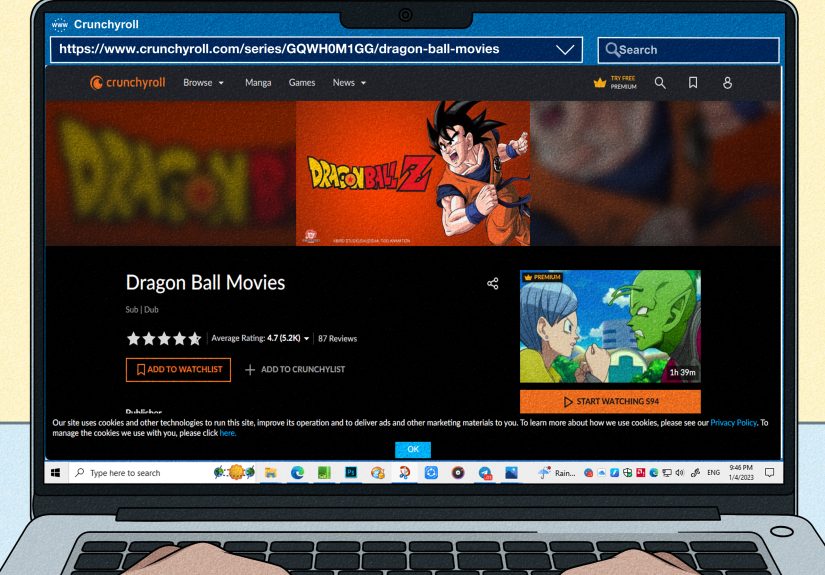
- Crunchyroll is often the biggest hub for Dragon Ball series and newer releases.
- Hulu commonly carries major series like Dragon Ball GT, Dragon Ball Z Kai, Dragon Ball Super, and Dragon Ball Daima depending on current licensing.
- Movies may rotate between services or be available to rent/buy digitallyespecially the modern canon films.
Tip: If you can’t find a specific movie on your streaming service, search by exact title. Dragon Ball naming conventions have never met a colon they didn’t like.
FAQ: Common “Wait, Do I Have to…?” Questions
Do I have to watch Dragon Ball before Dragon Ball Z?
You don’t have to, but you’ll enjoy Z more if you do. Dragon Ball builds the emotional foundation: friendships, rivalries, and why certain bonds matter when the stakes get ridiculous.
Are the old Z movies canon?
Most of the classic Z-era movies are not essential to the main storyline. Think of them as “alternate weekend adventures” with great fights and memorable villains.
Should I watch Battle of Gods and Resurrection ‘F’ as movies or in Super?
If you prefer a crisp, movie-style experience, watch the films. If you want everything in one continuous series format, watch the Super arcs that adapt them. Either path works.
Where does Daima go again?
After the Buu arc in Z/Kai and before the beginning of Super’s main era. It’s a modern series that slots into an earlier point in the timelineDragon Ball loves doing that.
Viewer Experiences: What It’s Like to Watch Dragon Ball in Order (and Why It’s Worth It)
Watching Dragon Ball in order isn’t just “content consumption”it’s basically a rite of passage. A lot of viewers describe the first few dozen episodes of Dragon Ball as a pleasant surprise, because the tone is more adventurous and comedic than people expect from the internet’s loudest “power level” memes. You go in thinking you’re signing up for nonstop planet-smashing battles, and thenbamthere’s a talking pig, a teenage genius driving a capsule motorcycle, and a monkey-tailed kid who treats impossible training like a normal Tuesday.
Then the experience shifts in a really satisfying way: the early story invests in friendships, mentor-student relationships, and the idea that hard work is a superpower. So when you finally reach Z (or Kai), the escalation doesn’t feel random. You’re not just watching stronger enemies show up; you’re watching a world you understand get tested. For many fans, that’s the secret sauce: the emotional payoff isn’t only in the fightsit’s in seeing characters you met as goofy kids become responsible adults who still crack jokes, still argue, and still show up for each other when everything is on fire.
A common “first-time viewer” moment is realizing that Dragon Ball pacing is part of the culture. In Z, powering up can feel like a dramatic event, not a quick animation. Some people love that slow-burn tension; others bounce off it. If you’re in the second group, the most practical “experience tip” is to switch to Kai without guilt. You’re not failing the fandom. You’re simply choosing the cut that matches your attention span in the modern erabecause not everyone has time for 1990s broadcast pacing when the rest of the world is scrolling at hyperspeed.
Another shared experience is discovering that the movies hit differently depending on when you watch them. If you drop a classic Z movie into your binge right after an intense arc, it can feel like a fun palate cleanseralmost like a “special event episode” with better animation and a villain who gets straight to the point. But if you try to treat every movie as perfectly canon, you can end up frustrated by tiny continuity hiccups. Most longtime viewers eventually land on the same approach: enjoy the movies for what they areextra Dragon Ballunless the film is clearly part of the modern canon (like Broly and Super Hero), in which case it becomes required viewing because it pushes the story forward.
Watching in order also changes how you experience the newer series. Super can feel like a victory lap: familiar characters, bigger concepts, and new transformations that are more “mythic” than “muscle.” Daima, on the other hand, often lands as a refreshing reminder that Dragon Ball started as an adventure. People who watch the whole franchise in sequence often say the tone shifts are part of the funlike the series is showing off how many genres it can pull off while still being unmistakably Dragon Ball.
If you want to make the experience even better, consider watching with a friend (even remotely). Dragon Ball is one of those franchises where reacting togetherlaughing at the absurd stuff, cheering at the big moments, quoting iconic linesbecomes part of the enjoyment. And yes: you will eventually understand why “over 9000” became a thing. It’s not just a meme; it’s basically a historical artifact.
Conclusion
The best way to watch Dragon Ball in order is the one you’ll actually stick with. For most people, the sweet spot is Dragon Ball → Z (or Kai) → Daima → Super → Broly → Super Hero, with GT as an optional alternate sequel when you’re ready for more. Treat most older movies as bonus content, don’t be afraid to choose Kai for pacing, and remember: if the timeline gets confusing, that’s not a bugit’s a Dragon Ball feature.