Table of Contents >> Show >> Hide
- Why Zipper Hoodies Need Special Care
- How Often Should You Wash a Zipper Hoodie?
- Step-by-Step Guide: How to Wash a Zipper Hoodie
- Step 1: Read the Care Label First
- Step 2: Empty the Pockets
- Step 3: Close the Zipper
- Step 4: Tie the Drawstrings
- Step 5: Turn the Hoodie Inside Out
- Step 6: Pretreat Stains Before Washing
- Step 7: Sort the Hoodie with Similar Items
- Step 8: Use Cold Water
- Step 9: Choose a Gentle or Normal Cycle
- Step 10: Measure Detergent Carefully
- Step 11: Skip Chlorine Bleach Unless the Label Allows It
- How to Hand Wash a Zipper Hoodie
- How to Dry a Zipper Hoodie Without Shrinking It
- How to Keep a Zipper Hoodie Soft
- How to Wash Different Types of Zipper Hoodies
- Common Mistakes to Avoid
- How to Remove Odors from a Zipper Hoodie
- How to Store a Clean Zipper Hoodie
- Personal Experience: What Actually Works When Washing a Zipper Hoodie
- Conclusion
A zipper hoodie is the dependable friend of your closet. It shows up for chilly mornings, lazy Sundays, coffee runs, gym commutes, road trips, airport naps, and those “I’m dressed, technically” days. But because a zip-up hoodie often gets worn more than almost anything else you own, it also collects sweat, lint, body oil, snack crumbs, pet hair, and the occasional mystery smudge that looks suspiciously like pizza sauce.
The good news? Learning how to wash a zipper hoodie is simple once you understand three things: protect the zipper, protect the fabric, and avoid heat when you do not need it. Whether your favorite hoodie is cotton fleece, cotton-poly blend, performance fabric, sherpa-lined, or printed with a logo you want to keep from cracking, the right laundry routine can help it stay soft, clean, and shaped like a hoodienot a tiny zippered napkin.
This complete guide covers how to wash a zip-up hoodie step by step, how often to wash it, how to treat stains, how to dry it without shrinking, and what mistakes to avoid. Grab your laundry basket. Your hoodie is about to get a spa day.
Why Zipper Hoodies Need Special Care
A zipper hoodie may look tough, but it has more “moving parts” than a basic sweatshirt. The zipper can snag other garments, the drawstrings can tangle, the hood can hold extra water, and the cuffs can stretch if handled roughly. Many hoodies also have prints, embroidery, ribbed hems, brushed fleece interiors, or blended fabrics that respond differently to heat and agitation.
Most hoodie disasters come from a few common habits: washing with towels, using hot water, leaving the zipper open, overloading the machine, pouring in too much detergent, or blasting the hoodie in a hot dryer. None of these mistakes is dramatic in the moment, but over time they can cause fading, shrinking, pilling, stiff fabric, warped zippers, and that sad “used-to-be-fluffy” texture.
The best method is gentle but effective: read the care label, zip the hoodie, turn it inside out, wash with similar colors and fabrics, use cold water, choose a mild detergent, and dry with low heat or air. It is not complicated. It is just laundry with slightly better manners.
How Often Should You Wash a Zipper Hoodie?
You usually do not need to wash a zipper hoodie after every wear unless it is sweaty, stained, smoky, muddy, or exposed to something you do not want living in the fibers. For casual wear, washing after about five or six wears is often enough. If you wore it to work out, got caught in rain, spilled food on it, or used it as a blanket for your dog, wash it sooner.
Overwashing can age a hoodie faster. Every wash cycle creates friction, and every dryer cycle adds heat and tumbling. That friction can lead to fading, pilling, roughness, and loss of shape. A smart hoodie care routine is not “wash constantly”; it is “wash when needed and wash correctly.”
Quick freshness test
Before throwing your hoodie in the hamper, check three areas: the underarms, the cuffs, and the neckline. These spots collect the most sweat, oil, lotion, and dirt. If they smell fresh and look clean, you may be able to wear the hoodie again. If the cuffs look gray, the armpits are less than charming, or the hoodie smells like a gym bag with feelings, it is time for a wash.
Step-by-Step Guide: How to Wash a Zipper Hoodie
Step 1: Read the Care Label First
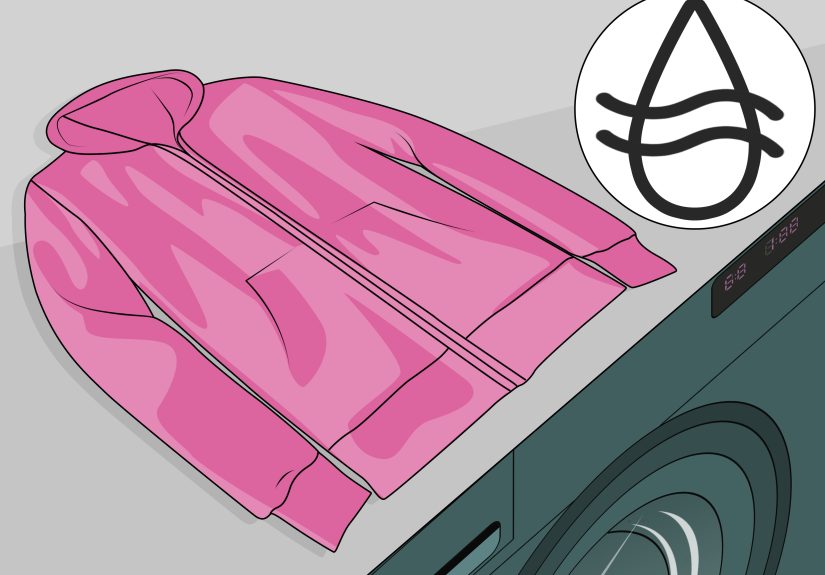
The care label is the tiny tag most people ignore until disaster strikes. Do not skip it. It tells you whether the hoodie can be machine washed, what water temperature is safest, whether bleach is allowed, and how to dry it. If the label says “machine wash cold” and “tumble dry low,” treat that as your default plan. If it says “dry clean only” or “hand wash,” follow that instruction instead.
Care labels matter because hoodies are not all made the same. A heavyweight 100% cotton hoodie, a polyester performance hoodie, and a sherpa-lined zip hoodie can all react differently to water, heat, and agitation. When in doubt, choose the gentler option.
Step 2: Empty the Pockets
Before washing, check every pocket. This is where you discover receipts, earbuds, lip balm, gum wrappers, coins, tissues, and possibly a snack from a previous civilization. A single tissue can turn a dark hoodie into a lint-covered snowstorm. Lip balm can melt and stain. Coins can clank around in the machine like tiny laundry gremlins.
Shake out crumbs, remove detachable accessories, and make sure nothing is hiding in the kangaroo pocket or side pockets. Your washing machine will thank you with fewer weird noises.
Step 3: Close the Zipper
Always zip the hoodie before washing. An open zipper can catch on fabric, scratch prints, snag delicate items, or twist out of shape. Closing the zipper helps keep the hoodie’s front panels aligned and reduces stress on the teeth and zipper tape.
For extra protection, pull the zipper all the way up and make sure the pull tab lies flat. If the zipper is metal or chunky, washing the hoodie inside out will also reduce rubbing against the washer drum and other clothes.
Step 4: Tie the Drawstrings
If your hoodie has drawstrings, loosely tie them together before washing. This helps prevent them from slipping into the hood channel or tangling around other garments. Do not tie a tight knot that becomes impossible to undo after the spin cycle. A loose bow or simple knot is enough.
If a drawstring does get pulled out, you can usually thread it back through with a safety pin, but it is better to avoid that tiny household adventure altogether.
Step 5: Turn the Hoodie Inside Out
Turning a zipper hoodie inside out is one of the easiest ways to preserve its appearance. It reduces friction on the outer surface, protects printed graphics, minimizes fading, and helps prevent pilling. It also allows detergent and water to reach the areas that touch your skin most, such as the neckline, underarms, and cuffs.
This step is especially important for dark hoodies, graphic hoodies, embroidered hoodies, and fleece hoodies. Think of it as giving the outside of your hoodie a little protective armor.
Step 6: Pretreat Stains Before Washing
Do not toss a stained hoodie directly into the washer and hope for a miracle. Laundry machines are useful, but they are not wizards. Pretreat stains first, especially on cuffs, sleeves, pockets, and the front zipper area where food stains love to make a dramatic entrance.
For most everyday stains, apply a small amount of liquid laundry detergent or stain remover to the spot. Gently work it in with your fingers or a soft brush, then let it sit for 10 to 15 minutes before washing. Avoid scrubbing aggressively, because rough scrubbing can damage fleece and create fuzzy patches.
For protein stains such as sweat, blood, dairy, or egg, start with cold water. Hot water can make some protein stains harder to remove. For oily stains, such as salad dressing, butter, or bike-chain grease, apply liquid detergent directly to the spot and let it break down the oil before washing in the warmest water allowed by the care label.
Step 7: Sort the Hoodie with Similar Items
Wash your zipper hoodie with similar colors and similar fabric weights. Dark hoodies should go with dark clothing. Light hoodies should go with light clothing. New hoodies, especially dark or bright ones, may bleed dye during the first few washes, so washing them separately at first is a smart move.
Avoid washing hoodies with towels. Towels shed lint and create heavy friction, which can rough up fleece and make your hoodie look older. Also avoid washing a hoodie with delicate fabrics, lace, thin knits, or anything that can snag on the zipper.
Step 8: Use Cold Water
Cold water is usually the best choice for washing a zipper hoodie. It helps reduce the risk of shrinking, fading, dye bleeding, and fiber damage. Modern detergents are designed to clean well in cold water, especially for normal everyday soil.
Warm water may be useful if the hoodie is heavily soiled or has oily stains, but always check the care label first. Hot water is rarely necessary for a regular hoodie wash and can be risky for cotton, fleece, prints, and blends. When you are unsure, cold water is the safer bet.
Step 9: Choose a Gentle or Normal Cycle
Use a gentle cycle for hoodies you want to protect, especially fleece, graphic, embroidered, vintage, or lightweight zip-up hoodies. A normal cycle can work for sturdy cotton hoodies that are moderately dirty, but avoid heavy-duty cycles unless the care label allows it and the hoodie is truly grimy.
The goal is to clean the hoodie without beating it up. Too much agitation can cause pilling, stretching, and wear. If your washer has a “bulky” cycle and the hoodie is thick, that can also help it move more freely in the drum.
Step 10: Measure Detergent Carefully
More detergent does not mean cleaner clothes. It often means residue, stiffness, dull fabric, and extra rinsing. Hoodies are thick, so they can trap detergent if you use too much. Follow the detergent label and use the amount recommended for your load size and soil level.
Liquid detergent is often a good choice for cold water because it dissolves easily. A mild detergent works well for most hoodies. For performance hoodies, technical fabrics, or water-resistant outerwear, use a detergent recommended for that fabric type and avoid products that can interfere with special finishes.
Step 11: Skip Chlorine Bleach Unless the Label Allows It
Chlorine bleach can weaken fibers, discolor fabric, damage prints, and ruin non-white hoodies. Unless the care label clearly says chlorine bleach is safe, do not use it. For white hoodies that need brightening, oxygen bleach may be a gentler option, but check the care label and product directions first.
If your hoodie has spandex, wool, silk trim, leather patches, embroidery, or colorful graphics, be extra cautious. Bleach is not a “maybe it will help” product. It is a “measure twice, pour once” product.
How to Hand Wash a Zipper Hoodie
Hand washing is a good option for delicate, vintage, embroidered, or expensive hoodies. It is also helpful when the care label says “hand wash” or when you simply do not trust your washing machine with your favorite zip-up hoodie.
Hand-washing instructions
- Fill a clean sink, tub, or basin with cold water.
- Add a small amount of mild detergent and mix until dissolved.
- Zip the hoodie, turn it inside out, and submerge it.
- Gently press the fabric through the water. Do not twist or scrub hard.
- Let it soak for 10 to 20 minutes if needed.
- Drain the soapy water and rinse with clean cold water until no suds remain.
- Press out excess water gently. Do not wring.
- Roll the hoodie in a clean towel to remove more moisture.
- Lay flat or hang on a drying rack to air dry.
Hand washing takes a little longer, but it gives you more control. It is the laundry version of driving slowly through a pothole-filled street: not glamorous, but very wise.
How to Dry a Zipper Hoodie Without Shrinking It
Drying is where many hoodies meet their tragic end. High heat can shrink cotton, weaken fibers, fade colors, roughen fleece, and make printed designs crack faster. The safest drying method is air drying. The fastest safe-ish method is tumble drying on low heat, then removing the hoodie while it is still slightly damp.
Best method: Air dry
After washing, reshape the hoodie while it is damp. Smooth the sleeves, cuffs, zipper area, hem, and hood. Lay it flat on a clean towel or drying rack, or hang it on a wide hanger if the fabric is not too heavy. Avoid thin wire hangers, which can create shoulder bumps.
Do not hang a soaking-wet heavyweight hoodie by the shoulders. Water weight can stretch it. If it is very wet, roll it in a towel first to remove excess moisture, then lay it flat or drape it evenly over a rack.
Faster method: Tumble dry low
If the care label allows machine drying, use low heat or an air-dry setting. Remove the hoodie before it is bone-dry to avoid overdrying. Then reshape it and let it finish drying naturally. This helps preserve softness and reduce shrinkage risk.
Avoid high heat unless the care label specifically allows it and you are not worried about shrinkage. Even then, low heat is usually kinder to the fabric and zipper.
How to Keep a Zipper Hoodie Soft
Softness comes from good washing habits, not from drowning the hoodie in fabric softener. In fact, fabric softener can coat certain fabrics and reduce breathability, absorbency, or performance. It can also leave buildup that makes fleece feel less fresh over time.
To keep your hoodie soft, wash it inside out, use cold water, choose a gentle cycle, avoid overloading the machine, measure detergent carefully, and skip high heat. If the hoodie feels stiff after washing, you may be using too much detergent or not rinsing thoroughly. Try an extra rinse cycle next time.
How to Wash Different Types of Zipper Hoodies
Cotton zipper hoodie
Cotton hoodies are comfortable, breathable, and prone to shrinking if exposed to heat. Wash in cold water, use a gentle or normal cycle, and dry on low heat or air dry. Do not use hot water unless the care label says it is safe.
Fleece zipper hoodie
Fleece hoodies need gentle handling to stay fluffy. Wash inside out with similar fabrics, use cold water, and avoid towels. Too much friction can cause pilling. Air drying is ideal, but tumble dry low if the label allows it.
Graphic zipper hoodie
For hoodies with screen printing, vinyl designs, embroidery, or decals, always turn the hoodie inside out. Use cold water, mild detergent, and a gentle cycle. Avoid high heat, which can crack or peel designs.
Performance or athletic zip-up hoodie
Performance hoodies often contain polyester, spandex, or moisture-wicking fibers. Wash in cold water and avoid fabric softener, which can interfere with fabric performance. Air dry or tumble dry low, depending on the label.
Sherpa-lined zipper hoodie
Sherpa can mat if washed roughly or dried on high heat. Use cold water, a gentle cycle, and mild detergent. Air dry when possible. Once dry, gently fluff the lining with your fingers or a soft brush if needed.
Common Mistakes to Avoid
Leaving the zipper open
An open zipper can snag fabric and become misshapen. Zip it before washing.
Using hot water
Hot water can shrink cotton, fade colors, and stress fibers. Use cold water unless the label says otherwise.
Washing with towels
Towels shed lint and create friction. Your hoodie deserves better company.
Overloading the washer
A stuffed washer does not clean well. The hoodie needs room to move, rinse, and spin properly.
Using too much detergent
Excess detergent can leave residue and make the hoodie stiff. Measure, do not freestyle.
Drying on high heat
High heat is the fastest route to shrinkage, fading, and rough fleece. Low heat or air drying is safer.
How to Remove Odors from a Zipper Hoodie
If your hoodie smells musty, sweaty, or smoky, do not just cover it with fragrance. Wash it properly. First, turn it inside out and check the underarms and cuffs. Pretreat odor-heavy areas with a small amount of detergent. Let it sit for 10 to 15 minutes, then wash in cold water.
If the odor remains, try an extra rinse cycle or wash again with the correct detergent amount. Do not leave a wet hoodie sitting in the washer for hours. Thick fabric can develop a musty smell quickly. Move it to the dryer or drying rack as soon as the cycle ends.
How to Store a Clean Zipper Hoodie
Make sure the hoodie is completely dry before storing it. Even slightly damp fabric can develop mildew odors. Fold heavy hoodies instead of hanging them for long periods, especially if they are thick cotton or fleece. Hanging can stretch the shoulders over time.
Store hoodies in a cool, dry place. Keep them away from direct sunlight, which can fade colors. If you are storing seasonal hoodies, wash them first so body oils and stains do not sit in the fabric for months.
Personal Experience: What Actually Works When Washing a Zipper Hoodie
After washing plenty of zip-up hoodiessome cheap, some surprisingly expensive, and some emotionally pricelessI have learned that the best hoodie care routine is boring in the best possible way. The less dramatic the wash, the better the hoodie looks afterward. Cold water, inside out, zipped up, mild detergent, and low heat or air drying: that combination wins almost every time.
One of the biggest lessons is that hoodies do not like being washed with towels. It seems convenient to throw everything in together, but towels are lint factories with a gym membership. They are heavy, rough, and excellent at making fleece look tired. The first time you wash a black hoodie with bath towels, you understand regret on a spiritual level. The hoodie comes out wearing a lint sweater over its actual sweater. A lint roller helps, but prevention is easier.
Another experience-based tip: always check the pockets twice. Not once. Twice. Hoodie pockets are little caves. I have found coins, paper receipts, gum wrappers, earbuds, and one very defeated tissue. The tissue incident was memorable because it turned an entire load of dark clothes into a winter wonderland. It was festive, but not in a useful way. Now, pocket-checking is part of the ritual.
I have also found that drying matters more than people think. A hoodie may survive a careless wash, but a hot dryer can change everything. Cotton hoodies can shrink, cuffs can tighten, fleece can feel rougher, and printed designs can age faster. The best approach is to dry on low for a short time, then let the hoodie finish air drying. If the hoodie is special, skip the dryer completely. Lay it flat, reshape it, and let time do the work.
For hoodies with metal zippers, washing inside out really helps. The zipper is protected, the fabric gets less abrasion, and the hoodie does not clank around like it is trying to start a band inside the machine. For hoodies with drawstrings, tying a loose bow saves the annoying task of rethreading the cord through the hood. Anyone who has tried that with a safety pin knows it is technically possible but emotionally unnecessary.
Stains are another area where patience pays off. If you spill coffee or sauce on a hoodie, pretreat the stain before washing. Do not dry the hoodie until you know the stain is gone. Dryer heat can make stains more stubborn. I like to check the front, sleeves, cuffs, and pocket edges before drying because those are the places stains hide like tiny laundry criminals.
The final lesson is simple: treat your favorite hoodie like a favorite hoodie. You do not need fancy products, complicated rituals, or laundry wizardry. You need a gentle process, a little attention, and the humility to admit that high heat is not your friend. Wash it carefully, dry it kindly, and your zipper hoodie will stay soft, clean, and ready for many more coffee runs, couch naps, and “I’ll just throw this on” moments.
Conclusion
Knowing how to wash a zipper hoodie is really about protecting comfort. Start with the care label, empty the pockets, close the zipper, tie the drawstrings, turn the hoodie inside out, pretreat stains, and wash with similar colors in cold water. Use a gentle cycle when possible, measure detergent carefully, and avoid high dryer heat. For special fabrics, graphics, fleece, sherpa, or performance materials, choose the gentlest safe method.
A zipper hoodie is easy to care for when you avoid the big mistakes: hot water, open zippers, towel loads, too much detergent, and over-drying. Wash it thoughtfully, and it will reward you by staying soft, shaped, and ready for whatever the day bringseven if the day mostly involves snacks and streaming.