Table of Contents >> Show >> Hide
- The Big Rule: Don’t Taste-Test Suspicious Salmon
- Quick Checklist: 9 Signs Salmon Has Gone Bad
- What Fresh Salmon Should Look, Smell, and Feel Like
- The Smell Test: Your Best Spoilage Detector
- The Touch Test: When “Slimy” Isn’t Just a Vibe
- The Look Test: Visual Clues That Salmon Is Past Its Prime
- Storage Timelines: How Long Salmon Lasts (Raw, Cooked, Frozen)
- The “It Was Left Out” Rule (A.K.A. The Countertop Countdown)
- Special Cases: Smoked Salmon, Sushi, and Higher-Risk People
- What to Do If You Think Salmon Is Bad
- How to Keep Salmon Fresh Longer (So You Throw Away Less)
- FAQ: Common Salmon “Is This Normal?” Moments
- Real-Life Experiences: What This Looks Like in Actual Kitchens (About )
- Conclusion
- SEO Tags
Salmon is one of those foods that can feel fancy even when you’re eating it in sweatpants. But when it goes bad, it stops being “restaurant vibes” and starts being “why does my fridge smell like regret?” The tricky part: spoiled salmon doesn’t always look dramatic. Sometimes it’s subtleuntil it isn’t.
This guide shows you how to tell if salmon has gone bad using the only tools you truly need: your eyes, your nose, your fingertips, and a little common sense. We’ll also cover safe storage timelines, what’s normal vs. not normal, and how to avoid playing salmon roulette in the first place.
The Big Rule: Don’t Taste-Test Suspicious Salmon
If you’re unsure whether salmon is still good, don’t “just try a bite.” Bacteria and toxins don’t announce themselves politely. When salmon seems offsmell, texture, color, or storage timeyour safest move is to toss it. Yes, it hurts your wallet. No, it’s not as painful as food poisoning.
Quick Checklist: 9 Signs Salmon Has Gone Bad
If you want the fastest answer, scan this list. One red flag might be enough to discard itespecially if it’s been stored too long.
- Strong sour, rancid, “fishy-funky,” or ammonia-like smell
- Sticky, slimy, or tacky surface that doesn’t rinse away cleanly
- Dull color (gray, brownish, or faded) or dry edges
- Milky liquid pooling excessively in the package
- Mold or fuzzy spots (even “just a little”)
- Package looks swollen/bloated or the seal is broken/leaking
- It’s past safe fridge storage time (raw or cooked)
- It sat out too long at room temperature
- Cooked salmon leftovers smell off or feel wet/slimy in a weird way
What Fresh Salmon Should Look, Smell, and Feel Like
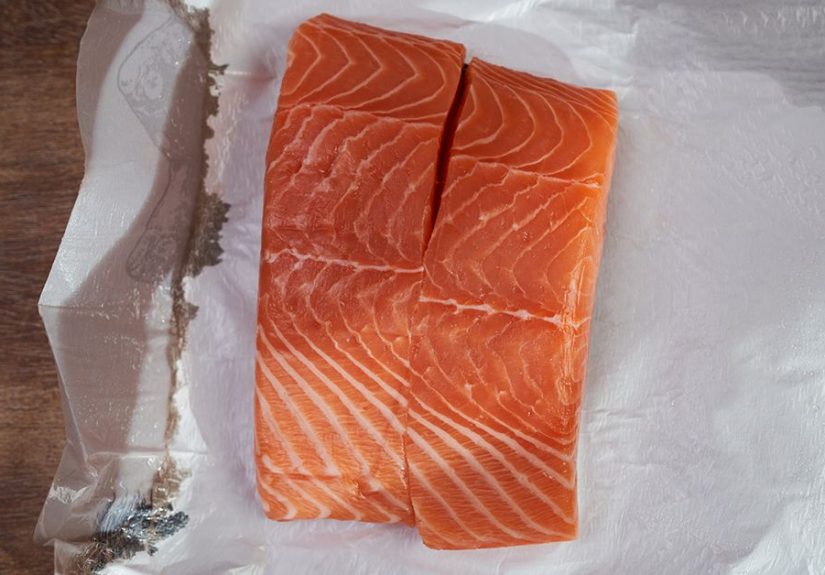
Let’s set a baseline. Fresh salmon usually has a clean, mild scentthink “ocean breeze,” not “dock behind a seafood restaurant in August.” The flesh should look moist (not dried out), and it should feel firm. If you press it gently, it should spring back rather than leaving a dent.
Color: “Salmon Pink” Isn’t One Exact Shade
Salmon color varies by type (sockeye tends to be deeper red; Atlantic can be lighter). So don’t panic if yours isn’t neon pink. What matters is whether it looks fresh: vibrant, moist, and consistent. Bad salmon often looks dull, grayish, or has browning around the edges.
A Note About the White Stuff
If you’re looking at cooked salmon and see white gunk on top, that’s usually albumin, a harmless protein that can seep out when salmon cooks (especially at higher heat). It’s not a spoilage signit’s more of a “your salmon got a little too excited in the oven” sign.
The Smell Test: Your Best Spoilage Detector
Smell is the quickest and most reliable clue. Here’s how to do it without making yourself miserable:
- Open the package and let it breathe for about 30 seconds.
- Take a small sniff from a few inches away. Don’t go nose-first like you’re inspecting perfume.
- If it smells sour, rancid, strongly fishy, or like ammoniadiscard it.
Why Odors Get Stronger After Cooking
Heat can intensify spoilage odors. So if salmon smells borderline raw, cooking it won’t “fix” itit can make the smell louder and the risk higher. If the odor is off before cooking, that’s your exit sign.
The Touch Test: When “Slimy” Isn’t Just a Vibe
Salmon naturally feels moist, but it shouldn’t feel like it’s wearing a sticky jacket. Run a clean finger lightly across the surface:
- Okay: cool, slightly damp, firm, smooth.
- Not okay: slippery slime, tacky stickiness, mushy spots, or a film that feels like glue.
What About “Rinsing It Off”?
Rinsing can remove surface moisture, but it won’t remove spoilage or make unsafe salmon safe. If the texture is truly slimy or sticky, that’s not a “quick rinse” problemthat’s a “goodbye, salmon” problem.
The Look Test: Visual Clues That Salmon Is Past Its Prime
Your eyes can catch what your nose might miss (especially if you’re congested or you’ve just lit a candle called “Coastal Escape” that lies to you).
Raw Salmon: Watch for These Visual Red Flags
- Dull, gray, or faded flesh instead of a fresh-looking color
- Brown, yellowing, or dried-out edges
- Excessive milky liquid (some moisture is normal; a lot can be a bad sign)
- Gaps in the flesh (called “gaping”) that look wider than normal
- Moldalways a hard no
Cooked Salmon: Signs Your Leftovers Should Go
Cooked salmon dries out in the fridge, but it shouldn’t become sour-smelling, slimy, or sticky. If leftovers smell “off,” look wet in a strange way, or you can’t remember when you cooked them, don’t gamble.
Storage Timelines: How Long Salmon Lasts (Raw, Cooked, Frozen)
Salmon doesn’t last as long as many people wish it did. The fridge slows bacteriait does not stop it. Use these timelines as your safety framework:
In the Refrigerator (40°F or Below)
- Raw salmon: usually safe for 1–2 days
- Cooked salmon leftovers: typically safe for 3–4 days
In the Freezer
Freezing keeps salmon safe longer, but quality can fade over time. For fatty fish like salmon, many food-safety charts recommend using it within a few months for best quality. Also: freezer burn won’t usually make you sick, but it can make your salmon taste like cardboard with dreams.
Thawed Salmon
If you thaw salmon in the refrigerator, plan to cook it soon. Once thawed, it behaves like fresh fish againso don’t let it sit for days and days “waiting for inspiration.”
The “It Was Left Out” Rule (A.K.A. The Countertop Countdown)
Salmon should not hang out at room temperature for long. If it sat out for more than 2 hours (or more than 1 hour in hot conditions), the safest move is to discard iteven if it looks fine. Bacteria can grow quickly in the temperature “danger zone.”
Special Cases: Smoked Salmon, Sushi, and Higher-Risk People
Not all salmon products behave the same way. Here are a few special situations where caution matters even more.
Refrigerated Smoked Salmon
Smoked salmon is often ready-to-eat, but it can still carry risksespecially for people who are pregnant, older adults, or anyone with a weakened immune system. Some bacteria (like Listeria) can survive and even grow at refrigerator temperatures, which is one reason cold-smoked fish gets extra warnings in public health guidance.
If you’re in a higher-risk group, consider choosing shelf-stable smoked fish (before opening) or eating smoked salmon only when it’s cooked in a hot dish (like a casserole or pasta bake), depending on guidance you follow.
“Sushi-Grade” Doesn’t Mean “Immune to Spoilage”
“Sushi-grade” is a market term, not a magic spell. Even high-quality salmon can spoil if it’s stored incorrectly, held too long, or left warm. For raw preparations, strict cold storage and freshness are non-negotiable.
What to Do If You Think Salmon Is Bad
If salmon shows spoilage signs or you suspect it was stored too long:
- Do not taste it. Smelling is enough.
- Seal it up (so your trash doesn’t become a crime scene) and discard it.
- Wash hands with soap and warm water.
- Clean and sanitize any surfaces, knives, boards, or containers that touched raw salmon.
- Don’t reuse marinades that held raw fish unless they were boiled (and even then, why invite chaos?).
How to Keep Salmon Fresh Longer (So You Throw Away Less)
Most “bad salmon” stories start with one of three things: it wasn’t kept cold enough, it sat too long, or it was forgotten behind the yogurt. These habits help:
At the Store
- Buy salmon last, right before checkout.
- Choose packages that feel cold and look intact (no leaks, no swelling).
- If you won’t cook it within a day or two, plan to freeze it.
At Home
- Keep your refrigerator at 40°F or below (a fridge thermometer helps).
- Store salmon on the bottom shelf so juices can’t drip onto other foods.
- Keep it in the coldest part of the fridge (usually the back, not the door).
- Freeze portions you won’t use quickly, tightly wrapped to prevent freezer burn.
- Label with the datebecause “I’ll remember” is how salmon becomes a science project.
FAQ: Common Salmon “Is This Normal?” Moments
Is a mild fish smell normal?
A mild, clean scent can be normal. But if the smell is strong, sour, rancid, ammonia-like, or just plain “wrong,” treat that as spoilage.
Can I cook salmon that smells a little off?
Cooking can kill some bacteria, but it does not reliably “fix” spoiled food, and it won’t undo toxins that may already be present. If it smells off, don’t cook itdiscard it.
What if the date on the package hasn’t passed?
Package dates aren’t a guaranteed safety shield. Storage time and temperature matter more. Salmon can spoil before a date if it was mishandled, stored too warm, or left too long after opening.
What’s the white stuff on cooked salmon again?
Usually albuminharmless protein. It’s common when salmon is cooked hotter or longer. Not a “gone bad” sign by itself.
Real-Life Experiences: What This Looks Like in Actual Kitchens (About )
Most people don’t throw away salmon because they love wasting money. It happens because real life is chaotic: groceries get shoved into the fridge, schedules change, and suddenly it’s three days later and your salmon is staring at you like, “So… are we doing this or what?”
One of the most common scenarios is the “I meal-prepped… kind of” situation. You buy a beautiful fillet on Monday with big plans for a salmon bowl. Then Tuesday becomes leftovers night, Wednesday becomes takeout night, and by Thursday you remember the salmon. Even if it still looks okay, that raw fish fridge timeline is short. This is where people get stuck: it doesn’t look like a disaster, but it smells slightly sharper than “fresh ocean.” That’s the moment to trust the timeline and your nose instead of your optimism.
Another classic: salmon leftovers in a container that isn’t quite sealed. Cooked salmon can last a few days, but it also absorbs fridge odors like a sponge with social anxiety. Sometimes it doesn’t smell “spoiled,” it smells like the onion you cut yesterday and the garlic you forgot existed. The trick is separating “fridge flavor” from actual spoilage. If it smells sour, rancid, or unpleasantly fishy, that’s not just onion vibesit’s a warning sign. If it smells normal but strongly of other foods, it might still be safe, but it may taste like a confused deli counter.
Then there’s the “left it out while plating” moment. Salmon goes from hot pan to “I’ll just set this here while I answer one text” surprisingly fast. Two texts later, you’re watching a video, and the salmon has been at room temperature long enough to make food-safety experts twitch. If you’re hosting, it’s even easier to lose track. The safe habit is simple: keep hot salmon hot, keep cold salmon cold, and don’t let it lounge on the counter like it pays rent.
People also get spooked by totally normal things. For example, the white albumin on cooked salmon looks suspiciouslike your fish is molting. But it’s usually just protein that seeped out during cooking, not spoilage. Meanwhile, the truly concerning issues can look subtle: a sticky film, dull color, or a sour smell that doesn’t match “fresh fish.” Spoilage doesn’t always arrive with fireworks. Sometimes it shows up quietly and expects you to ignore it.
The most reliable “experience-based” lesson is this: your future self will thank you for dating and portioning salmon the minute you get home. Freeze what you won’t cook within a day or two, store it cold, and don’t rely on memory. The salmon will not remind you politely. It will remind you aggressivelyusually when you open the fridge before work and realize the air smells like a harbor.
Conclusion
To tell if salmon has gone bad, rely on a simple system: smell, texture, appearance, and time. Spoiled salmon often smells sour, rancid, strongly fishy, or ammonia-like, and it may feel slimy or sticky. Even if it looks okay, salmon can become unsafe quickly if it’s stored too long or kept too warm. Keep your fridge cold, follow safe storage timelines, and freeze salmon you won’t use soon. When you’re unsure, it’s safer to toss it than to gamble.