Table of Contents >> Show >> Hide
- Why Urine Is So Tricky on Leather
- What You’ll Need
- How to Remove a Urine Stain from a Leather Couch: 7 Steps
- Step 1: Blot the Urine Immediately
- Step 2: Identify the Leather Type and Spot-Test First
- Step 3: Clean the Surface with a Leather-Safe Cleaner
- Step 4: Remove Residue Without Overwetting the Leather
- Step 5: Neutralize the Odor Carefully
- Step 6: Let the Couch Air-Dry Completely
- Step 7: Condition the Leather
- Mistakes That Can Make a Urine Stain Worse
- How to Remove an Old Urine Stain from Leather
- When to Call a Professional
- How to Prevent Future Leather Couch Accidents
- Conclusion
- Real-World Experiences and Lessons Learned
A urine stain on a leather couch is one of those household moments that arrives with zero notice and 100% attitude. One minute your sofa is minding its own business. The next minute, it has become the unwilling star of a cleaning emergency. The good news is that leather is often easier to clean than fabric when you act fast. The less-fun news is that urine is not just a “wipe it and forget it” kind of mess. It can leave behind a stain, a smell, and a lingering sense that your couch has seen too much.
If you want to know how to remove a urine stain from a leather couch, the trick is to clean the surface gently, control moisture, and restore the leather afterward so you do not solve one problem by creating three new ones. In this guide, you will learn the safest 7-step process, what products to avoid, how to handle old stains, and what to do when the odor has sunk deeper than the leather surface.
Why Urine Is So Tricky on Leather
Leather may look tough, but it is still a natural material with a finish that can react badly to the wrong cleaner, too much water, or aggressive scrubbing. Urine is a particularly annoying guest because it is not just a wet spill. It carries salts, proteins, and odor-causing compounds that can cling to the finish and, in some cases, seep into seams, padding, or the cushion insert underneath.
That means your goal is not only leather couch stain removal. You are also trying to stop the smell from settling in and to prevent tide marks, discoloration, cracking, or stiffness. In plain English: clean it, but do not bully it.
What You’ll Need
- Clean white microfiber cloths or soft cotton cloths
- Paper towels for the first blot
- A leather cleaner, or a very mild soap solution made mostly of water and foam
- Optional: a lightly diluted white vinegar solution for odor control
- A small bowl of cool or lukewarm water
- A soft dry towel
- Leather conditioner
- Optional gloves
Use white cloths whenever possible. Colored rags can transfer dye, which would be a deeply unfair plot twist for a couch that is already having a rough day.
How to Remove a Urine Stain from a Leather Couch: 7 Steps
Step 1: Blot the Urine Immediately
The first step is simple but important: blot, do not rub. Press paper towels or a dry white cloth onto the wet area to absorb as much urine as possible. Keep changing to clean sections of the towel until you are no longer picking up moisture.
Rubbing is a bad idea because it spreads the mess, pushes liquid deeper into the leather grain, and can grind the stain into seams or stitching. Think of blotting as damage control. You are stopping the accident from turning into a long-term tenant.
If the urine is sitting on a seat cushion, gently press along the edges and seams too. Those are common places where liquid sneaks in and later returns as a mystery odor.
Step 2: Identify the Leather Type and Spot-Test First
Before you start cleaning like a hero in a home-care commercial, figure out what kind of leather you have. Most leather couches are made with protected or finished leather, which usually tolerates careful surface cleaning fairly well. Unfinished leather, aniline leather, nubuck, and suede are much more delicate. They stain faster, darken more easily, and often do best with professional treatment.
No matter what kind of leather you have, test your chosen cleaner on a hidden area first. Try the back corner, underneath a cushion, or a lower side panel. Wait a few minutes and check for color change, darkening, tackiness, or dullness. This tiny step can save you from turning one stain into a large, expensive experiment.
Step 3: Clean the Surface with a Leather-Safe Cleaner
Once you know the leather can handle it, clean the stained area with a leather-safe product or a very mild soap solution. If you are using soap, avoid dumping soapy water directly onto the couch. Instead, dip a cloth into the solution, wring it out well, and use only the lightly dampened cloth or the foam. The cloth should feel damp, not soggy.
Gently wipe the stain from the outside toward the center. That helps keep the stain from spreading and reduces the chance of leaving a noticeable ring. Use light pressure and short passes. This is leather, not a cast-iron skillet. It does not need scrubbing with determination and upper-body strength.
If the stain covers a wider section, clean the surrounding area too so the finish dries evenly. This is especially helpful on leather that tends to show water marks or slight tone changes after spot cleaning.
Step 4: Remove Residue Without Overwetting the Leather
After the stain begins to lift, go back over the area with a fresh cloth that is only slightly damp with clean water. This helps remove leftover cleaner or soap residue. Again, use very little moisture. Leather usually hates being drenched, and an overenthusiastic rinse can create a second problem.
Then blot the area dry with a soft towel. Do not mash the leather, scrub it, or try to “polish” it aggressively. Just absorb the remaining dampness and let the leather breathe.
Step 5: Neutralize the Odor Carefully
If the stain is gone but the smell is hanging around like an uninvited relative after a holiday meal, you may need a gentle odor-control step. One cautious option is a very light wipe with a diluted white vinegar solution. Use only a small amount on a cloth, not a spray-soaked surface, and only after spot-testing first.
The key word here is lightly. You are not marinating the couch. You are just giving the area a careful wipe to help reduce lingering odor on the surface.
If the urine soaked through the leather and into the cushion insert, padding, or inner stuffing, surface cleaning alone may not solve the smell. In that case, remove the cushion insert if possible and inspect the underside. Often the odor is coming from inside the cushion, not from the leather face. A removable insert may need separate treatment, and sometimes professional upholstery cleaning is the smartest move.
Step 6: Let the Couch Air-Dry Completely
Now let the area dry naturally. Open a window, run a ceiling fan, or use gentle room airflow. Do not blast the spot with a hair dryer, heater, or direct sunlight. Fast heat can dry leather unevenly, make it stiff, and increase the risk of fading or cracking.
This part requires a little patience. The couch is recovering. Give it a calm spa moment, not a desert survival challenge.
Step 7: Condition the Leather
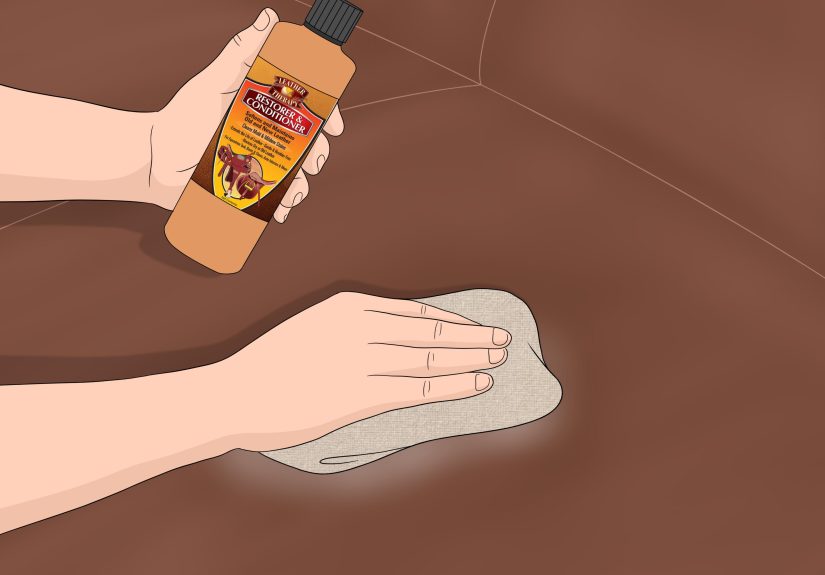
Once the leather is fully dry, apply a leather conditioner according to the product directions. This is the step many people skip, and then they wonder why the cleaned area looks a little tired, flat, or stiff. Cleaning removes grime and residue, but it can also leave the leather thirsty.
A quality conditioner helps restore softness, keeps the finish from drying out, and helps the cleaned section blend in better with the rest of the couch. If you want your leather sofa to look like it survived the incident with dignity, this step matters.
Mistakes That Can Make a Urine Stain Worse
- Using bleach, ammonia, or harsh all-purpose cleaners: These can damage the finish, strip oils, and discolor leather.
- Scrubbing hard: This can spread the stain and rough up the surface.
- Soaking the leather: Too much water can leave marks and weaken the material.
- Skipping the patch test: Even good products can behave badly on the wrong leather.
- Forgetting the conditioner: Clean leather without conditioning can become dry and stiff.
- Ignoring the cushion insert: If odor remains, the problem may be inside, not on top.
How to Remove an Old Urine Stain from Leather
An old urine stain is harder, but not always hopeless. Dried urine tends to leave behind more concentrated residue and a stronger odor. Start with the same process: blot if there is any dampness, clean with a leather-safe product, wipe away residue, dry, and condition.
You may need to repeat the gentle cleaning cycle more than once. Go slowly. A few careful rounds are better than one aggressive attack that damages the finish. If the stain has darkened the leather permanently or the smell returns after every cleaning attempt, it may be time for a leather-care specialist or upholstery cleaner.
This is especially true for cat urine, which tends to be more stubborn, or for accidents that sat overnight before anyone noticed. Leather is resilient, but it is not a magician.
When to Call a Professional
DIY cleaning is usually fine for a fresh surface accident on protected leather. But you should seriously consider professional help when:
- The leather is unfinished, aniline, nubuck, or suede
- The stain has set and changed the color
- The urine soaked deep into the cushion or frame
- The odor keeps returning after cleaning
- You see cracking, stiffness, or finish damage
- Your manufacturer’s care instructions warn against home treatment
Sometimes the cheapest move is not the boldest DIY trick from the internet. Sometimes the cheapest move is not ruining a pricey leather couch.
How to Prevent Future Leather Couch Accidents
Once you have rescued the sofa, prevention becomes your best friend. If the accident came from a pet, washable throws, waterproof pet blankets, or removable couch covers can create a barrier without making your living room look like a veterinary waiting room. If small children are involved, keep a quick-clean kit nearby so you can act within minutes, not after a dramatic house-wide search for paper towels.
Routine leather care also helps. Dusting, occasional conditioning, and prompt cleanup of any spill make the surface easier to clean when life gets messy. And life, to be fair, is extremely committed to getting messy.
Conclusion
If you need to remove a urine stain from a leather couch, speed and gentleness are everything. Blot first, test your cleaner, use a leather-safe cleaning method, keep moisture under control, treat odor carefully, let the area air-dry, and condition the leather when you are done. That seven-step approach gives you the best chance of removing both the stain and the smell without damaging the couch itself.
The biggest takeaway is this: treat leather like a premium material, not like a kitchen floor. When cleaned carefully, many fresh urine stains can be handled at home. When the leather is unfinished or the odor has penetrated the cushion insert, professional help is often the smarter route. Either way, your couch still has a future. It just had a weird day.
Real-World Experiences and Lessons Learned
In real homes, the experience of cleaning urine from a leather sofa usually follows the same emotional timeline. First comes confusion. Then disbelief. Then a speed-walk for paper towels. Whether the culprit is a new puppy, an aging dog, a potty-training toddler, or one deeply offended cat, people tend to learn the same lesson: the first five minutes matter more than the next fifty.
Many leather couch owners say the stain itself was not the hardest part. The smell was. A couch can look perfectly fine on the surface and still hold odor in the seams, zipper area, or cushion insert. That is why surface cleaning sometimes feels successful at first, only for the smell to make an encore performance later that evening. The deeper lesson is that leather is only one layer of the problem. Underneath it, padding and inserts can trap moisture like little odor vaults.
Another common experience is overcleaning. In panic mode, people often grab the strongest cleaner they own, add extra water, and scrub like they are trying to erase the event from history. Unfortunately, leather usually punishes that strategy. The stain may lighten, but the finish can become dull, sticky, or discolored. A lot of couch owners end up saying some version of, “The urine was bad, but my cleaning attempt made it look worse.” It is a brutal review, but an honest one.
Households with pets often report that repeat accidents become easier to manage once they build a simple routine. Keep white cloths nearby. Know where the leather cleaner is. Have conditioner ready. Use a washable blanket on a pet’s favorite spot. These small habits turn a chaotic surprise into a manageable cleanup. Not a fun cleanup, obviously. No one is framing it as a hobby. But manageable is a victory.
There is also a practical lesson about expectations. A fresh accident on protected leather often cleans up very well. An old stain on delicate leather may not disappear completely, and that is not necessarily a failure. Sometimes success means removing the odor, minimizing the mark, and keeping the couch comfortable and attractive instead of chasing perfection until the leather gets damaged. That mindset saves money and sanity.
People who have dealt with this more than once also tend to become fierce believers in spot-testing. It sounds boring, and boring rarely gets the spotlight. But spot-testing is the quiet genius of leather couch cleaning. It tells you whether your cleaner is safe before you spread it over an obvious area. In the hierarchy of exciting household moments, it ranks just below watching paint dry. In the hierarchy of useful ones, it is elite.
Perhaps the biggest shared experience is relief. Relief when the smell fades. Relief when the leather dries evenly. Relief when the couch does not crack, darken, or turn into a science project. And maybe a little pride, too. Because while removing a urine stain from a leather couch is not glamorous, doing it correctly is one of those oddly satisfying adult wins. No trophy arrives. No soundtrack plays. But your couch survives, your room smells normal again, and that is a pretty solid ending.