Table of Contents >> Show >> Hide
- Step 1: Start With One TruthRecycling Rules Are Local
- Step 2: Learn the “Golden Rules” (They Save More Recycling Than Good Intentions)
- Step 3: Recycle the “Big Four” the Right Way
- Step 4: Keep These Out of Your Recycling Bin (Even If They Have a Recycling Symbol)
- Step 5: Know What to Do With “Special Recycling” Items
- Step 6: Use Labels the Smart Way (Resin Codes Aren’t a Universal “Yes”)
- Step 7: Set Up a Recycling System That Actually Sticks
- Step 8: Reduce and Reuse First (Recycling Is Great, But It’s Not a Get-Out-of-Consumption-Free Card)
- Quick “Can I Recycle This?” Examples
- Conclusion: Recycling That Works Is Recycling You Can Prove
- Real-Life Recycling Experiences (500+ Words)
Recycling sounds simple: toss a can in a blue bin, feel heroic, move on with your day. And sometimes that works!
But sometimes that “one quick toss” turns into a sticky, soggy, bagged-up mystery that can contaminate a whole load.
(Your recycling bin is not a magical portal. It’s more like a very picky group project.)
This guide will show you how to recycle the right way in the U.S.with fewer wishful throws and more “yes, this actually gets processed” moves.
You’ll learn the core rules that apply almost everywhere, how to handle the most common materials, what to keep out of the bin,
and what to do with the weird stuff (batteries, electronics, plastic film, and all those “is this recyclable?” items that haunt your kitchen).
Step 1: Start With One TruthRecycling Rules Are Local
If you only remember one thing, make it this: what’s recyclable depends on your local program.
The same yogurt cup might be accepted in one city and rejected in the next, because recycling depends on what your local facility can sort
and what markets will buy.
So, before you build a perfect home system, check your city/county website, your hauler’s “what goes where” page,
or the label on your cart. When in doubt, treat your local rules like the final boss of recycling.
Step 2: Learn the “Golden Rules” (They Save More Recycling Than Good Intentions)
1) Empty, clean-ish, and dry
Recyclables don’t need to be spotless, but they do need to be mostly empty and free of gunk.
A quick rinse or scrape is usually enough. Paper must stay clean and drywet paper fibers break down and can’t be recycled well.
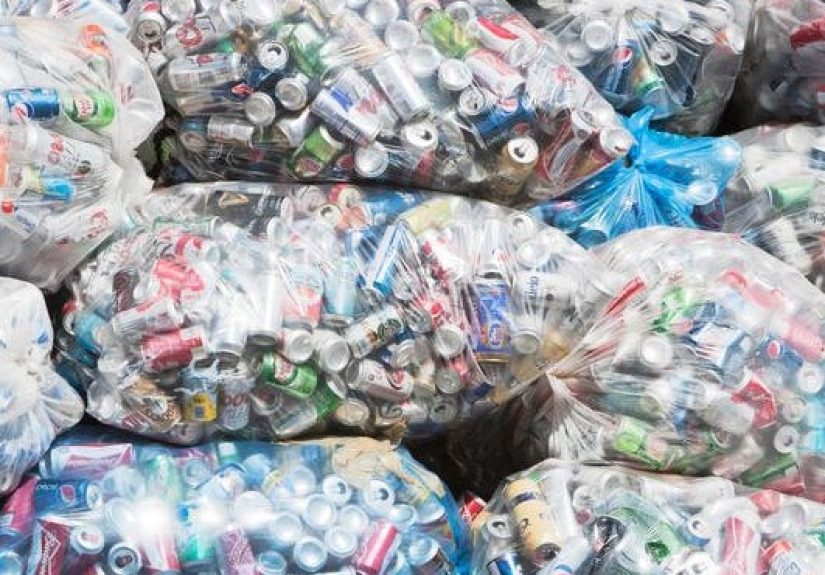
2) Recycle loosedon’t bag it
Putting recyclables in a plastic bag feels tidy. Recycling facilities hate it.
Bags tangle equipment and hide what’s inside, which can send the whole bag straight to trash.
Tip: keep a small bin indoors, then dump items loose into the cart.
3) No “tanglers”
Anything long, stretchy, or stringy can jam sorting machines: hoses, cords, chains, ropes, holiday lights, andyeswishful thinking.
These are a leading reason recycling lines shut down for repairs.
4) If it’s smaller than a credit card, it’s probably a “no”
Small items slip through sorting screens and end up as residue. Loose bottle caps and tiny bits of plastic are common culprits.
Many programs prefer caps screwed back on empty plastic bottles (so the cap stays with the bottle), but local rules varycheck yours.
5) When in doubt, leave it out
“I hope this is recyclable” is how contamination happens.
If you can’t confirm it’s accepted, don’t toss it in the binlook for a drop-off option or dispose of it properly.
Recycling is not a gambling hobby. (There are easier ways to feel adrenaline.)
Step 3: Recycle the “Big Four” the Right Way
Most U.S. curbside programs focus on four main categories: paper, cardboard, metal, and
certain plastics. Some accept glass, some don’t. Here’s how to handle each.
Paper
- Usually yes: office paper, mail, magazines, newspaper, paper bags, paperboard (like cereal boxes).
- Usually no: wet/greasy paper, paper towels, tissues, heavily food-soiled paper.
Keep paper dry. If it’s soaked, it’s done. If it’s greasy (like an oily takeout bag), it’s usually trash or compost, not recycling.
Cardboard
- Usually yes: shipping boxes, clean corrugated cardboard, cereal/shoe boxes (paperboard).
- Usually no: wax-coated boxes, cardboard with heavy food residue.
Break down boxes so they fit and can move through sorting. The classic example:
a pizza box is often recyclable only if it’s mostly clean. Greasy sections? Tear those off and trash/compost them.
Metal (Aluminum & Steel)
- Usually yes: aluminum beverage cans, steel/tin food cans, clean aluminum foil balled up.
- Usually no: propane canisters, aerosol cans that are not fully empty, scrap metal odds and ends (varies).
Quick rinse, and you’re good. Metal is one of the recycling MVPs because it can be recycled repeatedly.
If you want a “high-impact” habit, recycling cans is a solid place to start.
Plastics (Recycle by shape, not by wishful number)
Plastics are the most confusing because “plastic” is not one materialit’s a whole family.
Many curbside programs commonly accept bottles, jugs, and jars (and sometimes tubs),
but reject film, foam, and multi-layer pouches.
- Often accepted: plastic bottles (water/soda), detergent jugs, milk jugs, some food jars, sometimes rigid tubs.
- Often not accepted: plastic bags, cling wrap, chip bags, snack pouches, foam cups/containers, plastic utensils.
A useful trick: focus on rigid containers with a defined shape. If it’s crinkly like a wrapper, stretchy like film,
or foamy like a takeout clamshell, it likely needs a special program (or isn’t recyclable where you live).
Glass (sometimes curbside, sometimes special drop-off)
Glass recycling depends heavily on local systems. Some areas accept bottles and jars in curbside bins; others require drop-off
because broken glass can contaminate paper and damage equipment.
- If accepted: recycle bottles and jars empty and rinsed.
- Not the same as bottle glass: ceramics, drinking glasses, window glass, mirrorsthese usually do not go in curbside recycling.
Step 4: Keep These Out of Your Recycling Bin (Even If They Have a Recycling Symbol)
Some items look recyclable but cause real problems. Here are the usual suspects:
- Plastic bags, wrap, and film: they tangle machinery (use store drop-off programs when available).
- Food and liquids: they contaminate paper and can spoil whole bales of material.
- Diapers, wipes, and paper towels: not recyclable curbside (even “flushable” wipesdifferent argument, same outcome).
- Hoses, cords, and holiday lights: classic tanglers.
- Needles/sharps: never in curbside recycling; use approved disposal options.
- Clothing and textiles: usually not curbside (look for textile donation/recycling programs).
Also: please don’t “help” by tying everything up neatly. Recyclables should be loose so sorters can see and process them.
Step 5: Know What to Do With “Special Recycling” Items
Some of the most important items to keep out of curbside bins are also some of the most recyclablejust through the right channel.
Batteries
Batteries (especially lithium-ion) can start fires if damaged, and they don’t belong in your curbside bin or household trash in many places.
Use a battery drop-off program, a retailer collection site, or a community hazardous waste option.
- Rechargeables: often accepted through battery stewardship programs or drop-off partners.
- Single-use (alkaline): rules vary; some locations accept them through specific programs or paid recycling.
Electronics (E-waste)
Electronics contain valuable materials and components that shouldn’t go to landfilland also shouldn’t go in curbside recycling.
Many retailers and local programs accept e-waste for recycling, sometimes with limits per day or per household.
Before you drop anything off, wipe personal data where possible (phones, laptops). If you can’t do that, ask the recycler about their data-handling policies.
Household Hazardous Waste (HHW)
Items like paint, solvents, pesticides, motor oil, and certain cleaners may be considered household hazardous waste.
These materials can be flammable, corrosive, or toxic, so they often require special collection events or drop-off facilities.
Practical rule: if the product label has hazard warnings (flammable, corrosive, poison), it’s a sign to look for HHW disposal.
Keep products in original containers, don’t mix chemicals, and follow your local guidance for drop-off.
Step 6: Use Labels the Smart Way (Resin Codes Aren’t a Universal “Yes”)
The little triangle with a number on plastic is a resin identification code, not a recycling guarantee.
It tells you what type of plastic it is, not whether your city accepts it.
Better tools:
- Local program lists: your city/hauler knows what their facility can sort.
- Packaging labels: systems like “Check Locally” can signal that recyclability depends on your area.
Step 7: Set Up a Recycling System That Actually Sticks
The best recycling plan is the one you can do on a Tuesday night when you’re tired and holding a leaky takeout container.
Try this:
Create a simple “sort station”
- Bin 1: Curbside recycling (paper, cardboard, accepted containers).
- Bin 2: Trash (non-recyclables, contaminated items).
- Optional: Compost (food scraps, soiled paper if your program allows).
- Small box: “Special drop-off” (batteries, lightbulbs, e-waste cablesaka the clutter gremlins).
Pick two high-impact habits
- Rinse/scrape containers quickly and let them dry.
- Flatten cardboard (especially big shipping boxes).
- Keep plastic bags out of the bincollect them for store drop-off if you have that option.
Do a monthly “mystery item cleanup”
Once a month, empty your special drop-off box: take batteries to a drop-off, return e-waste, and decide what you’re keeping.
Otherwise, that box becomes the place where good intentions go to hibernate.
Step 8: Reduce and Reuse First (Recycling Is Great, But It’s Not a Get-Out-of-Consumption-Free Card)
Recycling matters, but the biggest wins often come from reducing what you buy and reusing what you already have.
Some easy examples:
- Choose products with minimal packaging or easily recyclable packaging (like metal or paper-based when feasible).
- Use refillable bottles and mugs.
- Reuse boxes, jars, and durable containers.
- Compost food scraps if your community supports it (or if you have a backyard setup).
Think of recycling as one tool in a whole toolkituse it well, but don’t let it be the only tool.
Quick “Can I Recycle This?” Examples
- Greasy pizza box: Tear off greasy parts (trash/compost), recycle clean lid if your program accepts cardboard.
- Plastic clamshell from takeout: Often not accepted; check locally. If accepted, clean and dry first.
- Paper coffee cup: Often not recyclable curbside due to plastic lining; check locally.
- Metal can: Yesempty and rinse.
- Plastic bag: No curbsideuse store drop-off if available.
- Broken drinking glass: Usually notrash (or special drop-off in some areas).
- Batteries: Special drop-offdon’t put in curbside.
Conclusion: Recycling That Works Is Recycling You Can Prove
If recycling feels confusing, it’s not because you’re failingit’s because the system is complex, local, and sometimes poorly labeled.
The good news is you don’t need to be perfect; you just need a few solid habits:
check local rules, keep items empty/clean/dry, don’t bag recyclables, avoid tanglers, and use drop-offs for batteries and e-waste.
Do that, and your recycling stops being a “hope and pray” activity and becomes a real, measurable way to cut waste.
Plus, you’ll get the quiet satisfaction of knowing your bin is full of actual recyclableswhich is the adult version of a gold star.
Real-Life Recycling Experiences (500+ Words)
The first time I tried to “recycle seriously,” I did what a lot of people do: I bought a cute little bin, lined it with a plastic bag,
and proudly tied it up like I was sending a present to the planet. Then I learned the bad news: bagged recycling often doesn’t get processed.
My beautifully knotted “gift” was basically a mystery sack that could get rejected on sight. That was my first lesson:
recycling is not improved by my talent for making tidy little bundles.
In an apartment, the challenge wasn’t knowing what to recycleit was staying consistent when the recycling room was on another floor,
down a hallway, through a door that always felt like it required an access code, a key, and a minor quest. What helped was building a routine:
a small indoor bin with no liner, a “special drop-off” shoebox for batteries and random cords, and one weekly trip. Once it became a habit,
it stopped feeling like extra work and started feeling like brushing your teeth: not thrilling, but easy when it’s automatic.
Another moment that changed my recycling game was the “pizza box compromise.” For years I either recycled the whole box (oops)
or trashed the whole box (also not great). Eventually I learned the middle path:
tear off the greasy base and keep the clean lid. It’s not glamorous, but it’s real liferecycling often looks like small, practical choices,
not perfect all-or-nothing decisions.
At work, the biggest problem wasn’t lazinessit was confusion. We had a recycling bin right next to a trash can,
and people treated them like twins. Coffee cups, half-full soda cups, and mystery leftovers went everywhere.
So we did something surprisingly effective: we put a simple sign above the recycling bin with pictures of our accepted items
(paper, cardboard, cans, bottles) and a short “nope list” (food, cups with liquid, bags, cords). Suddenly contamination dropped.
The experience taught me that most people want to do the right thingthey just need the rules presented at the moment of decision,
when they’re holding the item.
The most nerve-wracking recycling experience I’ve had involved batteries. I used to toss old batteries in a drawer “for later,”
which is how batteries quietly become a lifestyle choice. Learning that some batteries can be a fire risk if crushed made me take it seriously.
I switched to a small, labeled container stored safely and made battery drop-off part of errands. It wasn’t dramatic,
but it felt like a genuine safety upgradelike finally replacing that smoke alarm battery you’ve been ignoring.
The biggest overall takeaway from these experiences is that good recycling is less about memorizing every material
and more about building a system: keep items empty and dry, don’t bag recyclables, learn your local rules,
and create a “special items” pipeline so batteries and electronics don’t end up in the wrong place.
Once your home setup matches your actual life (busy, imperfect, occasionally powered by takeout),
recycling becomes something you do without thinkingand that’s when it really starts working.