Table of Contents >> Show >> Hide
- Why Chickens Are a Great First Livestock Choice
- Before You Buy Chickens, Start With the Boring Stuff
- Should Beginners Start With Chicks or Pullets?
- How to Set Up a Coop That Chickens Actually Like
- Feeding Chickens the Right Way
- How to Care for Chicks in the First Weeks
- Daily, Weekly, and Seasonal Chicken Care
- Chicken Health, Biosecurity, and Disease Prevention
- Egg Collection, Cleaning, and Storage
- Common Beginner Mistakes to Avoid
- Final Thoughts: Start Small, Learn Fast, Enjoy the Flock
- Real-World Beginner Experiences: What Raising Chickens Actually Feels Like
- SEO Tags
Raising chickens sounds delightfully simple at first. You picture a few fluffy hens, a rustic coop, and a basket of warm eggs that would make any breakfast feel like a movie scene. Then reality taps you on the shoulder and asks, “Have you checked your local ordinances? Do you know how many nest boxes you need? And what, exactly, is a brooder?” Suddenly, your dream flock starts to look less like a charming farm fantasy and more like a group project with feathers.
The good news: chickens are genuinely beginner-friendly when you set them up the right way. They are funny, useful, surprisingly opinionated, and much easier to care for than many first-time keepers fear. The trick is not magic. It is planning. If you understand the basics of housing, feeding, health, and daily care before your first hen arrives, you will avoid most rookie mistakes and enjoy the part you actually signed up for: healthy birds, fresh eggs, and the daily comedy show that is chicken behavior.
This complete beginner’s guide walks you through everything you need to know to raise chickens successfully, from choosing the right birds to collecting clean eggs and keeping predators out. If you have ever wanted to start a backyard flock without accidentally building a raccoon buffet, you are in the right place.
Why Chickens Are a Great First Livestock Choice
Chickens earn their popularity honestly. They do not require acres of land, they fit into many suburban and rural lifestyles, and they give something back almost immediately in the form of eggs, compostable manure, and endless entertainment. A small flock can also help reduce kitchen scraps, teach kids responsibility, and make your backyard feel a little more alive.
But let’s keep it real: chickens are not “set-it-and-forget-it” pets. They need fresh water every day, safe housing every night, clean bedding, balanced feed, and routine observation. The happiest new chicken keepers are the ones who go in with cheerful realism instead of a cartoon version of homesteading.
Before You Buy Chickens, Start With the Boring Stuff
1. Check local laws, HOA rules, and neighborhood limits
Before you buy a single chick, confirm that chickens are legal where you live. Many towns allow hens but restrict roosters. Some places limit the total number of birds, specify where the coop can sit on your property, or require setbacks from neighboring homes. HOA rules can be even stricter than city ordinances. In other words, do not build a deluxe coop first and ask questions later. That is how people end up with a very expensive garden shed and no chickens.
2. Decide what kind of flock you want
Most beginners want egg-laying hens, and that is the easiest place to start. Ask yourself a few practical questions:
- Do you want eggs, companionship, or both?
- How many eggs does your household actually eat?
- Do you want chicks, started pullets, or adult hens?
- How much time do you want to spend training yourself and your birds?
For most first-timers, a flock of four to six hens is the sweet spot. It is large enough for good egg production and social stability, but still manageable for daily care.
3. Pick beginner-friendly breeds
Choose breeds known for calm temperaments, reliability, and hardiness in your climate. Popular beginner-friendly options often include Rhode Island Reds, Australorps, Orpingtons, Barred Rocks, and Easter Eggers. Some breeds are better layers, some are friendlier, and some handle heat or cold better than others. Match the bird to your goals rather than choosing based on “that one looked cute on social media.”
Should Beginners Start With Chicks or Pullets?
You have two good options, and both come with trade-offs.
Baby chicks
Chicks are adorable, affordable, and a great learning experience if you want to understand chicken care from day one. But they also need brooder heat, careful sanitation, close monitoring, and patience. If you start with chicks, expect a more hands-on setup for the first several weeks. They typically move from chick starter to grower feed as they mature, and many pullets begin laying around 18 to 22 weeks, depending on breed.
Started pullets
Started pullets are young hens that are nearly old enough to lay. They cost more, but they save you the brooder phase and bring you much closer to the payoff of eggs. For beginners who want a lower-stress entry point, pullets are often the smarter choice. They are basically the “skip the tutorial, start near the good part” option.
How to Set Up a Coop That Chickens Actually Like
Give them enough space
Overcrowding creates stress, dirty eggs, odor issues, and more pecking problems. A solid beginner guideline is at least 3 to 5 square feet of indoor coop space per bird, plus a secure outdoor run where they can move, scratch, and act like chickens instead of commuters stuck in an elevator.
Add roosts and nest boxes
Chickens like to sleep off the ground, so roosting bars are essential. Nest boxes are for laying, not sleeping, and you do not need one per hen. A general rule is one nest box for every four to five hens. Boxes around 10 to 12 inches square work well for many laying breeds, and clean nesting material helps keep eggs cleaner.
Prioritize ventilation without creating drafts
A coop should be dry, weather-tight, and well-ventilated. That combination matters more than beginners sometimes realize. Stale, damp air creates respiratory trouble and miserable birds. Fresh airflow high in the coop helps remove moisture and ammonia, but the birds should not be blasted by direct drafts where they roost.
Use practical bedding
Pine shavings are a common beginner choice because they are absorbent, easy to handle, and widely available. Keep bedding dry, remove wet spots, and top it up as needed. A clean coop is not just about smell; it is one of the most important tools you have for preventing disease, flies, and foot problems.
Build for predator defense, not optimism
Predators are clever, patient, and frankly rude. Raccoons, hawks, dogs, rats, foxes, and snakes can all become a problem depending on where you live. Secure latches, sturdy wire, tight openings, and a locked coop at night are not optional. If a gap looks “probably too small,” assume a predator sees it as an invitation.
Feeding Chickens the Right Way
Use feed that matches their life stage
One of the easiest ways to keep chickens healthy is to use a complete commercial feed designed for their age and purpose:
- Chick starter: for baby chicks
- Grower or developer feed: for growing birds
- Layer feed: once pullets begin laying
Laying hens need a ration formulated for egg production, and they also benefit from access to calcium, often offered separately as oyster shell. Chickens also need grit when they eat foods beyond their complete ration, especially if they are foraging or getting kitchen extras.
Fresh water matters more than people think
Feed gets all the attention, but water is the quiet hero of chicken keeping. Chickens need continual access to clean, fresh water. In hot weather, it becomes even more important because birds regulate heat partly by panting. Dirty waterers invite health problems fast, so cleaning them regularly is not glamorous, but it is effective.
Treats are fine, but moderation is your friend
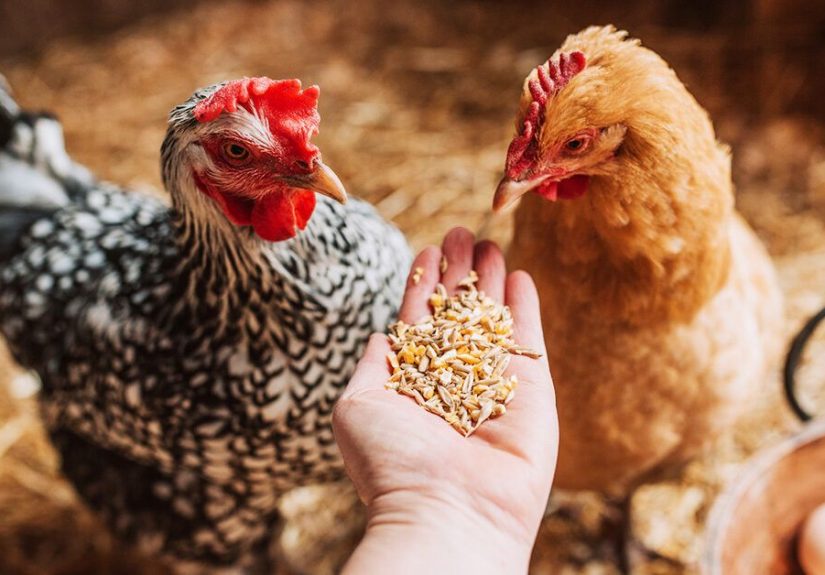
Yes, chickens enjoy scraps. Yes, it is fun to feel like a tiny celebrity when they sprint toward you for melon rinds. But treats should stay in the side-dish category. Their complete feed should do the nutritional heavy lifting. Too many treats can dilute the diet, reduce egg production, and create health issues that started with good intentions and a suspicious amount of leftover pasta.
How to Care for Chicks in the First Weeks
If you start with chicks, create a clean brooder with bedding, feed, water, and a safe heat source. A classic guideline is to begin at about 95°F at chick level during the first week, then reduce the temperature by about 5°F each week as the chicks feather out and adapt. Watch the chicks themselves. If they huddle under the heat, they are cold. If they avoid it and spread to the edges, they are too warm. Happy chicks usually look relaxed and evenly distributed.
Chicks should come from a reputable hatchery or breeder, and the brooder should be cleaned and disinfected before they arrive. Good brooder management makes an enormous difference in growth, stress, and long-term flock health.
Daily, Weekly, and Seasonal Chicken Care
Daily tasks
- Refill feed and fresh water
- Open the coop in the morning and secure birds at dusk
- Collect eggs once or twice a day
- Do a quick health check on behavior, appetite, and droppings
Weekly tasks
- Remove wet or dirty bedding
- Refresh nest box material
- Scrub feeders and waterers
- Inspect fencing, latches, and the coop for damage
Seasonal tasks
In summer, provide shade, airflow, and cool water. Heat stress can become dangerous, especially in humid weather. In winter, focus on dryness, ventilation, and protection from wind. Adult chickens handle cold better than damp, poorly ventilated housing. If you want to support egg production during darker months, some keepers use supplemental lighting, but avoid overdoing it. More light is not always better, and hens need a healthy rhythm too.
Chicken Health, Biosecurity, and Disease Prevention
Learn what a healthy chicken looks like
Healthy chickens are alert, active, bright-eyed, and engaged in very important chicken business such as scratching, pecking, dust bathing, and gossiping with the flock. A bird that isolates itself, stops eating, wheezes, sneezes, limps, or looks dull deserves attention right away.
Biosecurity is not just for big farms
Even backyard flocks need biosecurity. Diseases can travel on shoes, tools, wild birds, rodents, and newly introduced birds. Good beginner habits include:
- Use dedicated boots or footwear around the coop
- Limit unnecessary visitors to your flock area
- Store feed securely to reduce contamination and rodents
- Keep wild birds away from feeders and water when possible
- Clean and disinfect equipment regularly
- Quarantine new birds before adding them to the flock
Backyard poultry can carry Salmonella even when they look healthy and clean, so handwashing is essential after handling birds, eggs, bedding, or anything in the coop area. This matters even more in households with young children, older adults, or anyone with a weakened immune system.
Egg Collection, Cleaning, and Storage
Fresh eggs are one of the great joys of keeping chickens, but safe handling matters. Collect eggs at least once or twice daily, and more often in extreme weather. Discard cracked eggs. Keep nest boxes clean and dry so the eggs stay cleaner in the first place, because prevention beats scrubbing.
If an egg has a little dirt on it, dry cleaning methods are often preferable. If you do wash eggs, do it properly and dry them well. Once collected, refrigerate eggs promptly and store them in the main body of the refrigerator rather than the door, where temperatures swing more. In other words, treat your beautiful backyard eggs like the premium product they are, not like decorative rocks.
Common Beginner Mistakes to Avoid
- Buying birds before building the coop: Do the setup first.
- Keeping too many chickens in too little space: Crowding causes chaos.
- Ignoring local rules: Especially regarding roosters and setbacks.
- Overfeeding treats: Hens need balanced nutrition, not a buffet lifestyle.
- Underestimating predators: Secure everything before the first loss teaches the lesson for you.
- Skipping observation: Small behavior changes often show illness early.
- Adding new birds too fast: Quarantine first, introductions second.
Final Thoughts: Start Small, Learn Fast, Enjoy the Flock
Raising chickens is one of those projects that looks quaint from a distance and becomes wonderfully practical up close. You do not need to know everything on day one, but you do need a solid foundation. Give your birds enough space, feed them properly, keep the coop clean and secure, practice basic biosecurity, and pay attention to their normal routines. Chickens are surprisingly good teachers if you watch them closely.
The best beginner flocks are not the fanciest ones. They are the flocks with dry bedding, fresh water, good feed, safe housing, and a keeper who learns as they go. Start small. Keep it simple. Laugh when your hens sprint like tiny dinosaurs for a cabbage leaf. And when you collect that first warm egg from a nest box you prepared yourself, you will understand why so many people start with “just a few chickens” and end up speaking fluently about coop ventilation at dinner parties.
Real-World Beginner Experiences: What Raising Chickens Actually Feels Like
Most beginner chicken keepers go through the same emotional arc, and honestly, it is part of the fun. The first stage is pure excitement. You pick breeds, compare coop plans, and suddenly develop strong opinions about nesting material even though, a week earlier, you had never thought about a chicken’s bedtime preferences. Then the birds arrive, and reality becomes wonderfully specific. One chick drinks from the waterer immediately. Another stares at it like it is an advanced engineering puzzle. You realize quickly that chickens each have their own rhythm, and your job is less “commanding the flock” and more “managing a tiny, feathered committee.”
The first few mornings can be a little nerve-racking. New keepers often check on the birds far more than necessary, convinced that every unusual peep, nap, or dramatic flap is a crisis. Usually, it is not. One of the most valuable experiences for beginners is learning the difference between normal chicken weirdness and actual warning signs. Chickens do odd things all the time. They sprint for no visible reason. They reorganize a dust bath like interior designers on a deadline. They sing after laying an egg as if they personally invented breakfast. Over time, this becomes reassuring rather than confusing. You begin to recognize what is normal for your flock.
Another common beginner experience is discovering that coop cleanliness is easier to maintain than to rescue. New keepers who do small tasks oftenrefreshing bedding, cleaning waterers, collecting eggs promptlyusually have a smoother experience than those who plan a giant weekend cleanup after ignoring everything for five days. Chickens are generous that way: they reward consistency. A ten-minute daily routine often prevents an hour of messy regret later.
Many first-time owners also underestimate how attached they will become. At first, the flock may seem like a practical household project: a few hens, some eggs, nice compost, end of story. Then one bird develops an unmistakably nosy personality, another insists on supervising every garden task, and another becomes the dramatic lead actress of the group. Suddenly, you are not just caring for chickens. You know who is bossy, who is shy, who always claims the same nest box, and who thinks your shoelaces are a personal insult.
There is usually a turning point when the routine clicks. It might happen the first week you collect clean eggs consistently, the first time you spot a problem before it becomes serious, or the first evening you lock up the coop and realize the whole system now feels natural. That moment matters. It is when beginners stop feeling like accidental poultry interns and start feeling capable. Raising chickens does not become effortless, but it does become intuitive.
And yes, there are humbling moments. A feeder gets knocked over. A hen decides the perfect place to lay is not the carefully prepared nest box but a hidden corner that sends you on an egg treasure hunt. Rain turns the run muddy faster than expected. A raccoon tests your setup and reminds you that hardware decisions should be made with less optimism and more paranoia. These experiences are frustrating in the moment, but they are also how keepers get better. Each small challenge teaches something useful.
In the end, beginner chicken keeping feels less like mastering a rigid system and more like building a relationship with a small flock and a daily rhythm. You learn their habits. They learn your footsteps. The work becomes part of your routine, and the rewards are bigger than eggs alone. You get fresh food, practical skills, and the odd joy of being greeted every morning by birds who somehow look both prehistoric and deeply judgmental. That is a pretty great trade.