Table of Contents >> Show >> Hide
- Why Watch Glass Gets Scratched So Easily
- How to Protect Watch Glass from Scratches: 10 Steps
- Step 1: Choose the Right Crystal for Your Lifestyle
- Step 2: Stop Wearing Your Watch for High-Risk Tasks
- Step 3: Keep Your Watch Away from Sand, Grit, and Dust
- Step 4: Use a Soft Microfiber Cloth Only
- Step 5: Store Watches Separately
- Step 6: Be Careful with Bracelets, Zippers, and Desk Edges
- Step 7: Consider a Temporary Screen Protector for Rough Periods
- Step 8: Do Not Stack Your Watch with Jewelry
- Step 9: Polish Only When It Makes Sense
- Step 10: Make Crystal Protection Part of Your Routine
- Common Mistakes That Cause Watch Crystal Scratches
- When to Polish and When to Replace the Watch Glass
- Extra Watch Glass Protection Tips for Daily Wear
- Real-World Experiences: What Actually Helps in Everyday Life
- Final Thoughts
- SEO Tags
If you own a watch long enough, one day you will hear it: tick, scrape, regret. It usually happens when your watch meets a door frame, a granite countertop, a zipper, or that one desk edge that has apparently sworn a personal oath against polished objects. The good news is that watch glass protection is not mysterious. You do not need a PhD in horology, a monk-like lifestyle, or a velvet-lined bunker. You just need smarter habits.
Whether your watch has sapphire crystal, mineral glass, or acrylic, the goal is the same: reduce contact with hard surfaces, clean it the right way, and understand what your crystal can and cannot survive. That last part matters. A sapphire crystal is far more scratch-resistant than acrylic, but it is not magical force-field glass from a superhero movie. Mineral sits in the middle. Acrylic scratches more easily, but it is often easier to polish. In other words, every watch crystal material comes with a personality. Some are tough. Some are charming. Some are high-maintenance, like a tiny transparent celebrity on your wrist.
This guide walks through 10 practical steps to help protect watch glass from scratches, plus real-world experience and watch-care habits that make a bigger difference than most people realize. If you want your watch crystal to stay clear, sharp, and free of battle scars, start here.
Why Watch Glass Gets Scratched So Easily
Before getting into the steps, it helps to know what you are working with. Watch “glass” is usually one of three materials:
1. Sapphire Crystal
This is the premium favorite for everyday wear because it is highly scratch-resistant. If you wear a watch daily and do not want to baby it every second, sapphire is usually the best choice. Still, “scratch-resistant” does not mean “invincible.” Hard impacts, abrasive surfaces, and certain particles can still leave marks.
2. Mineral Glass
Mineral glass is common on affordable and mid-range watches. It is tougher against scratches than acrylic but not as resistant as sapphire. It is the middle child of watch crystals: practical, decent, and occasionally underappreciated.
3. Acrylic Crystal
Acrylic has vintage charm and warmth, but it scratches more easily. The upside is that light scratches can often be polished out. So while acrylic marks faster, it is often easier to refresh. It is less “tank” and more “classic car.” Gorgeous, but it rewards careful ownership.
How to Protect Watch Glass from Scratches: 10 Steps
Step 1: Choose the Right Crystal for Your Lifestyle
The first scratch-prevention move happens before the scratch ever exists: buy wisely. If you wear your watch every day, commute, travel, work at a desk, handle bags, lift groceries, or accidentally bump into reality, sapphire crystal is usually the smartest choice. It offers the best scratch resistance for normal daily wear and tends to hold its clean look longer.
If you already own a mineral or acrylic crystal watch, no need to spiral dramatically into a living-room monologue. You can still protect it well. But if you are shopping specifically for a daily driver, prioritize a scratch-resistant watch crystal over flashy extras you will forget about by Tuesday.
Step 2: Stop Wearing Your Watch for High-Risk Tasks
This sounds obvious, which is exactly why people ignore it. The fastest way to scratch watch glass is to wear it during tasks that invite contact with hard, gritty, or abrasive surfaces. That includes home repairs, gardening, moving furniture, gym training with metal equipment, biking repairs, beach digging, carrying boxes, and cleaning with rough tools.
Think of your watch crystal like dress shoes. Could you mow the lawn in them? Technically yes. Would that be a brilliant plan? Absolutely not. Taking your watch off for 20 minutes can save you from months of staring at one annoying scratch that catches every beam of sunlight like it is auditioning for a spotlight.
Step 3: Keep Your Watch Away from Sand, Grit, and Dust
Scratches are not always caused by dramatic collisions. Often, they come from tiny abrasive particles. Sand is especially rude. Dust mixed with pressure can also create micro-abrasions. If you wear your watch to the beach, on a trail, or in dusty environments, wipe it down afterward with a soft microfiber cloth. If it has been exposed to saltwater or grime, rinse and dry it according to the manufacturer’s care guidance.
This is one of the most overlooked watch crystal care habits. People panic about walls and countertops, but the sneaky enemy is often the microscopic grit sitting on the surface while you casually rub it with the wrong cloth like a villain in your own maintenance story.
Step 4: Use a Soft Microfiber Cloth Only
If your watch glass is dirty, do not clean it with your shirt, a paper towel, tissue, or whatever random fabric happens to be nearby. Paper-based products and rough cloth can drag particles across the crystal and create fine scratches, especially on softer materials like acrylic.
A clean microfiber cloth is your best friend here. It removes fingerprints, skin oils, and dust with minimal abrasion. Keep one in your watch box, one in a drawer, and maybe one in your bag if you are serious about keeping your crystal pristine. This is a tiny habit with very large long-term benefits.
Step 5: Store Watches Separately
Tossing your watch into a drawer with coins, keys, cuff links, earbuds, and general life chaos is basically asking for scratches. When watches rub against metal objects or even against each other, the crystal can pick up marks over time.
Use a watch box, a soft pouch, or at least a dedicated compartment. If you rotate several watches, give each one its own space. Your watch should sleep better than your phone charger. The charger is chaos. Your watch deserves boundaries.
Step 6: Be Careful with Bracelets, Zippers, and Desk Edges
Most people imagine scratches come from major accidents, but daily wear damage is often much less dramatic. Metal bracelets, bag hardware, laptop corners, stone counters, and jacket zippers are all repeat offenders. The crystal gets dinged not because you were mountain climbing, but because you rotated your wrist at the wrong angle while opening a backpack.
One of the best ways to prevent this is simple awareness. Learn how your watch sits on your wrist. If your watch is large or tall, it may contact surfaces sooner than you expect. A few days of mindfulness can reveal your own scratch patterns. That is useful information. Your watch is basically giving you performance reviews.
Step 7: Consider a Temporary Screen Protector for Rough Periods
If you are traveling, moving house, working a trade show, going on an outdoor trip, or doing any activity where your watch is more likely to get scraped, a temporary watch crystal protector can be a smart move. Purists may groan. Let them. Purists do not have to pay for your crystal replacement.
This is especially helpful for polished mineral glass or collectible pieces you want to keep looking fresh. Just make sure the protector is made for watches, applied cleanly, and removed or replaced as needed. It should be a practical tool, not a permanent layer of sadness bubbling at the corners.
Step 8: Do Not Stack Your Watch with Jewelry
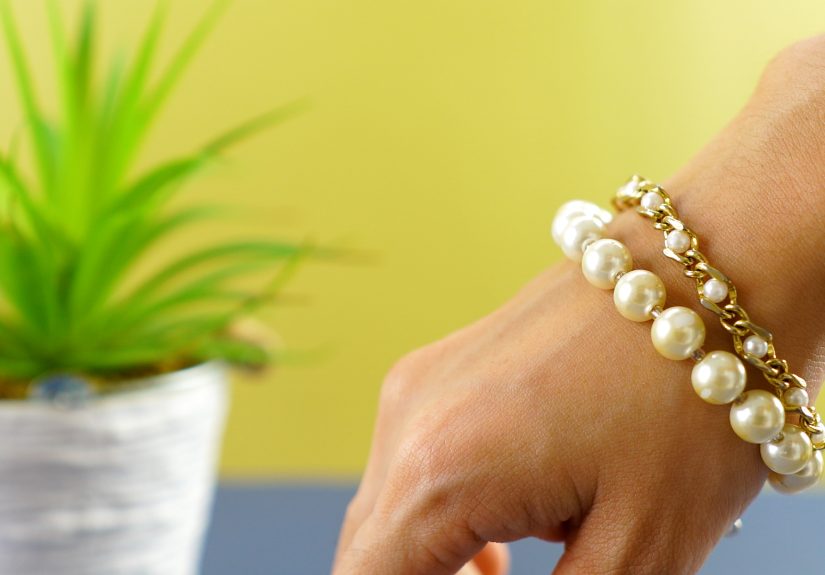
Stacked bracelets may look stylish in photos, but metal or hard-bead jewelry can repeatedly tap, rub, or scrape the watch case and crystal area. If your goal is scratch prevention, keep bracelets on the other wrist or choose softer materials that are less likely to abrade the watch.
This matters more than many style guides admit. Repeated light contact adds up. Watches do not need a noisy jewelry roommate. They need personal space and a calm environment.
Step 9: Polish Only When It Makes Sense
If your crystal is acrylic, light scratches can often be polished out successfully. That is one of acrylic’s biggest advantages. Mineral glass is trickier and may need specialized products or professional help. Sapphire usually resists scratching so well that if you do manage to scratch it, polishing is often less practical than replacement.
The key here is not to attack every mark with DIY enthusiasm and the confidence of a late-night infomercial. Match the method to the crystal material. A gentle approach and correct product matter. Wrong product, wrong pressure, wrong expectation? Congratulations, now you have turned one scratch into a weird cloudy patch.
Step 10: Make Crystal Protection Part of Your Routine
The best watch glass protection is not one heroic action. It is a routine. Wipe the crystal after wear. Store the watch properly. Remove it for risky chores. Rinse off salt and grit after beach or sports use. Check for dirt before cleaning. Treat the crystal like a precision surface instead of an indestructible windshield.
This is how watches stay sharp for years. Not through fear, but through consistency. The people whose watches always look amazing are rarely lucky. They just have boringly effective habits. And in watch care, boring is beautiful.
Common Mistakes That Cause Watch Crystal Scratches
- Wearing the watch while lifting boxes, tools, or weights
- Cleaning the crystal with a shirt cuff or paper towel
- Tossing the watch into a bag or drawer with keys
- Assuming sapphire crystal means zero risk
- Letting sand or grit sit on the crystal before wiping it
- Stacking hard bracelets next to the watch
- Using the wrong polish or too much pressure
When to Polish and When to Replace the Watch Glass
If the scratch is light and the crystal is acrylic, polishing may be worth trying. If the watch has mineral glass and the scratch is moderate, you may need a specialty glass polish or a professional evaluation. If the watch has sapphire and the scratch is deep, replacement is often the more realistic fix.
Also remember this: sometimes what looks like a scratch is grime, residue, or damage to a coating rather than the crystal itself. Clean the watch properly before assuming the worst. No need to plan a dramatic memorial service for your crystal before giving it a proper wipe.
Extra Watch Glass Protection Tips for Daily Wear
Try wearing your watch slightly farther from the edge of your hand if you tend to knock surfaces. If you wear long sleeves with metal buttons or cuffs, be mindful of contact. If you own a collectible or sentimental watch, reserve it for lower-risk days and use a tougher piece for errands, travel, and rough activity. A good two-watch strategy can dramatically reduce wear on your favorite crystal.
Also, if you are buying a watch for someone who is hard on accessories, do not get hypnotized by aesthetics alone. A beautiful sapphire crystal on a durable everyday watch will often age much better than a delicate vintage-style acrylic piece worn without caution.
Real-World Experiences: What Actually Helps in Everyday Life
In real life, most watch owners do not scratch their watch glass during some epic survival challenge. It usually happens during normal, boring, aggressively ordinary moments. You reach into a cupboard and clip the edge. You grab a grocery cart and scrape a painted metal rail. You slide your wrist across a desk while typing and discover that your “clean workspace” has enough dust and grit to function like low-budget sandpaper. Glamorous? No. Common? Very.
One of the most helpful lessons watch owners learn is that crystal protection is more about patterns than panic. After someone gets their first scratch, they often become hyper-aware of where it likely happened. Maybe they always bang their wrist on a door handle. Maybe their watch taps the laptop edge every day. Maybe they wear a bracelet on the same wrist and finally realize the two have been in a tiny metal argument for months.
People who switch from mineral glass to sapphire often notice how much less stressful daily wear becomes. They still care for the watch, of course, but they are not flinching every time their wrist gets near a countertop. That does not make sapphire invincible; it just means the watch tolerates normal life with more grace. It is the difference between owning a white couch in a house with spaghetti and owning a couch that understands the human condition.
Owners of acrylic crystal watches usually report the opposite experience: they accept that small scratches are part of the charm, but they also appreciate that those marks can often be polished away. That creates a different relationship with the watch. Instead of obsessing over every faint line, they treat maintenance as part of ownership. A quick polish now and then becomes routine, almost like shining shoes. Not ideal for everybody, but very satisfying for people who enjoy the ritual.
Another common experience is realizing that storage matters more than expected. Many people are careful while wearing the watch but careless when taking it off. They place it on a bathroom counter near metal grooming tools, drop it in a backpack pocket, or leave it loose in a drawer. Over time, those casual storage decisions can create the exact scratches they were trying to avoid during wear. Once owners switch to a simple pouch or watch box, damage tends to drop dramatically.
Travel is another big scratch zone. Airports, hotel nightstands, backpacks, charging cables, belt buckles, toiletry kits, and hard-sided luggage all create opportunities for crystal damage. Experienced travelers often either wear a tough sapphire crystal watch for the trip or pack their nicer watch in a dedicated roll. That one habit saves a lot of regret.
Desk workers also learn a funny lesson: the office is not automatically a safe environment. Laptop corners, metal desks, filing cabinets, and even ceramic mugs can be surprisingly effective at marking up a watch. Some people start taking their watch off while typing long hours. Others simply become more aware of wrist placement. Both approaches work.
What helps most, again and again, is simple consistency. Wipe the crystal. Store it separately. Remove it for messy or abrasive tasks. Respect the material. That is what experienced owners tend to figure out after the first scratch, the second scratch, and the long stare into the middle distance that follows both. In the end, protecting watch glass is not about keeping a watch frozen in perfect condition forever. It is about reducing avoidable damage so your watch ages well, stays legible, and continues to look like something you actually enjoy wearing.
Final Thoughts
If you want to protect watch glass from scratches, start with the basics: choose the right crystal material, avoid wearing your watch during risky tasks, keep abrasive grit off the surface, clean it properly, and store it like it matters. Because it does. Whether you own a rugged tool watch, a vintage dress piece, or your one beloved daily wearer, the crystal is the part you look at most. Keeping it clear keeps the whole watch looking better.
You cannot prevent every scratch forever. Life has edges. But you can prevent a surprising number of them with smart habits, a little care, and the radical decision not to treat your watch like a fork in a kitchen junk drawer. That alone puts you ahead of the game.
SEO Tags
Note: This article is written in standard American English, based on real watch-care and crystal-material guidance, and cleaned for web publishing with no unnecessary citation artifacts.