Table of Contents >> Show >> Hide
- Why Hurricane Florence Still Matters
- Step One: Harden the House Before the Storm Has a Name
- Step Two: Prepare for Flooding, Not Just Wind
- Step Three: Build a Real Hurricane Supply Plan
- Step Four: Protect Documents, Money, and Digital Life
- Step Five: Make an Evacuation Plan Before You Need It
- Step Six: Prepare for Power Outages Like They Are Guaranteed
- Step Seven: Know What to Do During the Storm
- Step Eight: Never Underestimate Floodwater After Landfall
- Lessons Homeowners Can Take from Hurricane Florence
- Experience Section: What Preparing for a Hurricane Like Florence Really Feels Like
- SEO Tags
When people talk about hurricane prep, they usually focus on wind. Fair enough. Wind is loud, rude, and very committed to redecorating your yard. But Hurricane Florence taught homeowners a bigger lesson: a storm does not need to arrive as the strongest hurricane on the map to turn life upside down. Water, prolonged rain, storm surge, power outages, road closures, and days of uncertainty can do just as much damage as a dramatic weather graphic on TV.
If you want a hurricane proof house, or at least a hurricane far more stubborn than average, preparation has to start before the sky turns that weird greenish-gray and your local store runs out of batteries, bread, and common sense. The smartest approach is not one giant panic-fueled shopping trip. It is a layered plan: strengthen the house, protect the people inside it, prepare for evacuation, and assume flooding may matter just as much as wind.
This guide breaks down exactly how to prepare for Hurricane Florence-style conditions, using practical, real-world advice for homeowners who want to be safer, calmer, and much less likely to be taping windows at midnight like it is a home-improvement horror movie.
Why Hurricane Florence Still Matters
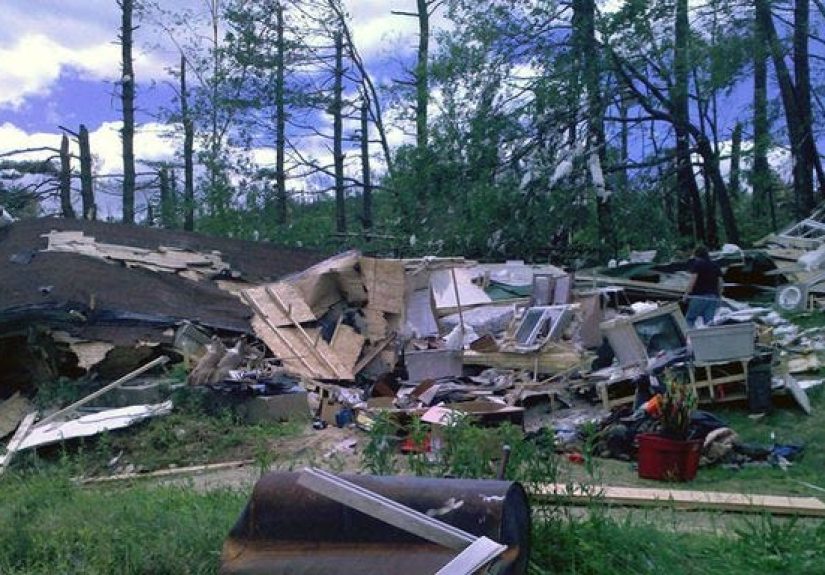
Hurricane Florence remains one of the clearest examples of why homeowners should never judge a storm by category alone. By the time it made landfall near Wrightsville Beach, North Carolina, Florence was no longer the monster Category 4 system many people feared days earlier. But it still produced catastrophic results because it slowed down, dumped extraordinary amounts of rain, pushed storm surge inland, and caused long-lasting flooding.
That is the key lesson for every household in a hurricane-prone region: a “weaker” storm can still wreck a stronger-looking house if that house is not ready for prolonged rain, drainage failure, power loss, and floodwater. Preparing for Florence is really about preparing for a hurricane that lingers, floods, cuts off roads, and tests every weak point in your home at once.
Step One: Harden the House Before the Storm Has a Name
If your goal is a hurricane proof house, start with the parts of the structure most likely to fail under high wind and wind-driven rain. The roof, windows, doors, garage door, and areas where water can get in deserve your full attention.
Protect the roof first
Your roof is the house’s helmet. If it fails, rain can enter fast, insulation gets soaked, ceilings collapse, and interior damage multiplies in a hurry. That is why roof upgrades are some of the most valuable hurricane improvements a homeowner can make.
Check for loose shingles, damaged flashing, aging sealant, soft spots, and signs of previous leaks. If the roof is already tired, hurricane season is not the time to trust it with your future. If you are reroofing, ask about a sealed roof deck, stronger nailing patterns, and reinforced roof edges. Those upgrades are emphasized in modern storm-resilience standards because they help keep the roof on and keep water out when the weather gets aggressive.
If your budget allows, look into FORTIFIED-style upgrades or comparable wind-resistant roofing methods. They are designed to reduce common failure points, and that matters when a storm tries to peel your home open like a sardine can.
Secure windows and glass doors
Flying debris is one of the biggest reasons homes fail during hurricanes. Once a window breaks, wind and rain rush inside, pressure changes, and the home becomes more vulnerable to further structural damage. Proper storm shutters are far better than the classic “X made of tape” trick, which mostly adds false confidence and zero engineering.
Install code-rated storm shutters, impact-rated windows, or approved protective panels. If permanent shutters are not in the budget yet, at least know exactly how you will cover vulnerable openings before a storm watch is issued. Buying plywood when everyone else is buying plywood is a great way to discover there is no plywood left.
Do not forget the garage door
Many homeowners obsess over front windows and completely ignore the garage door, which is a mistake. Garage doors are large, vulnerable openings. If wind compromises one, the pressure and rain entering through that space can lead to extensive damage inside the house. Reinforce the garage door or upgrade to a wind-rated model if you live in a hurricane zone. It is not the flashiest improvement, but it may be one of the smartest.
Trim the trees and tidy the yard
Branches, loose patio furniture, planters, grills, and yard décor can all become airborne troublemakers. Cut back weak limbs well before storm season. Remove dead trees if they threaten the roof, driveway, or power lines. Before the storm arrives, bring outdoor furniture, trash bins, garden tools, and decorations indoors. A decorative metal flamingo should never become a neighborhood missile.
Improve drainage around the home
Florence showed how devastating prolonged rainfall can be. Clean gutters and downspouts so water can move away from the house. Extend downspouts away from the foundation. Clear storm drains and yard drains. If your property has a history of pooling water, consider grading improvements, a French drain, a sump pump with battery backup, or landscaping that channels water away from doors and crawl spaces.
Step Two: Prepare for Flooding, Not Just Wind
One of the biggest mistakes homeowners make is thinking, “I am not on the beach, so storm surge is not my problem.” Hurricane flooding does not care about your assumptions. Surge can move inland, rivers can rise, low streets can disappear, and extreme rainfall can overwhelm drainage systems far from the immediate coastline.
If your home is in a flood-prone area, elevate what you can. Move valuables, electronics, important papers, and sentimental items off the floor and onto higher shelves. If you have a basement or lower-level storage area, assume water may find it. Relocate chemicals, paint, tools, and anything dangerous that should not be mixing with floodwater.
Review your flood risk honestly. Then review your insurance honestly. Standard homeowners insurance typically does not cover flood damage. If flood coverage applies to your situation, do not wait until a hurricane is circling on the news. By then, you may already be too late.
Step Three: Build a Real Hurricane Supply Plan
Emergency supplies are not glamorous, but they are the difference between inconvenience and chaos. A strong hurricane plan includes two supply setups: one for evacuating and one for staying home.
Create a go-bag
Your go-bag should be ready to grab in minutes. Pack clothing, medications, chargers, hygiene items, flashlights, batteries, copies of IDs, some cash, snacks, and water. Add supplies for children, older adults, pets, and anyone with medical needs. If someone in your household relies on a CPAP machine, refrigerated medication, mobility equipment, or other power-dependent care, that should shape your plan from day one.
Create a stay-at-home kit
Your home kit should cover at least several days, and ideally much longer. Hurricanes can shut down stores, gas stations, roads, pharmacies, and delivery services. Stock bottled water, nonperishable food, a manual can opener, medications, first aid items, cleaning supplies, pet food, and sanitation products. A battery-powered or hand-crank weather radio is a smart addition, especially when Wi-Fi vanishes and cell service becomes moody.
Think beyond snacks and batteries. Have tarps, work gloves, contractor bags, plastic bins, towels, duct tape, and basic tools. Post-storm cleanup is messy, wet, and annoying. Supplies that seem boring before the storm suddenly become excellent company afterward.
Step Four: Protect Documents, Money, and Digital Life
When a storm hits, people focus on the roof and forget the paperwork. Then they need insurance information, identification, medical records, banking access, or ownership documents right when everything is wet, dark, and inconvenient.
Put paper copies of key records in a waterproof, portable container. This should include insurance policies, IDs, passports, birth certificates, prescriptions, pet records, contact lists, and property photos. Back up digital copies on an encrypted drive or secure cloud storage. Charge power banks before the storm. Keep a little cash on hand because card readers and ATMs are not famous for reliability during extended outages.
Step Five: Make an Evacuation Plan Before You Need It
The worst time to figure out your evacuation route is when everyone on the road is trying to do the same thing. If local officials issue an evacuation order, go. Do not stay behind because the storm “does not look that bad.” Hurricanes punish last-minute optimism with traffic jams, fuel shortages, and closed roads.
Know your zone
Find out whether your home is in an evacuation zone, surge zone, or flood-risk area. Know multiple routes out. Do not rely on a single highway or your favorite shortcut, because storms love making shortcuts unusable.
Know where you will stay
Identify several possible destinations: family, friends, a hotel inland, or a public shelter. If you have pets, confirm pet-friendly options ahead of time. “We will figure it out later” is not a plan. It is a stress multiplier.
Fuel the car early
Keep the gas tank topped off when a storm is approaching. Check tire pressure, windshield wipers, oil, and the spare tire. Put emergency supplies in the car before it becomes an obstacle course of panic and half-zipped bags.
Step Six: Prepare for Power Outages Like They Are Guaranteed
Power outages are common during hurricanes, and they can last far longer than people expect. Plan for no air conditioning, no refrigeration, limited communication, and no easy way to charge devices.
Use generators safely
Generators save the day only when they do not accidentally poison the household. Never run a generator inside the home, garage, basement, or near doors, windows, or vents. Carbon monoxide is odorless, invisible, and absolutely not interested in second chances. Use battery-powered carbon monoxide detectors and place the generator well outside in a safe location.
Preserve food and medicine
Keep refrigerator and freezer doors closed as much as possible. Know which medications need refrigeration and have a backup plan for them. Freeze water bottles in advance to help preserve cooler temperatures. Charge every phone, battery pack, lantern, and rechargeable light before the storm arrives. This is not the moment to discover your emergency flashlight is decorative.
Step Seven: Know What to Do During the Storm
Once conditions worsen, your mission changes. You are no longer improving the house. You are protecting the people inside it.
- Stay indoors and away from windows and glass doors.
- Keep monitoring trusted weather alerts.
- Do not go outside during a lull unless officials say it is safe.
- Move to an interior room if wind intensifies.
- Avoid using candles if safer battery lighting is available.
- Unplug sensitive electronics if appropriate and safe to do so.
If water begins entering the home, move to higher ground within the structure if it is safe. Never enter a flooded attic unless you have a way to escape through the roof if water continues rising. Flood situations become life-threatening faster than most people expect.
Step Eight: Never Underestimate Floodwater After Landfall
Hurricane Florence made one truth painfully clear: the danger does not end when the eye passes. In many cases, the worst flooding comes later. Roads that looked passable become deadly. Rivers continue rising. Neighborhoods that survived the wind may still face major water damage.
Never drive through floodwater. Do not walk through it either unless emergency conditions leave no safer option. Water can hide holes, debris, downed power lines, contamination, and road collapse. What looks like a shallow puddle may be a bad decision wearing a shiny disguise.
Lessons Homeowners Can Take from Hurricane Florence
The biggest takeaway from Florence is that preparing for a hurricane means preparing for a system, not a single threat. Wind matters. Flooding matters. Time matters. Communication matters. Insurance matters. House strength matters. Human decision-making matters, especially in the 48 hours before landfall and the 72 hours after it.
A hurricane proof house is rarely the result of one expensive product. It is usually the result of many thoughtful choices: better drainage, stronger roofing, proper shutters, safe backup power, emergency supplies, flood awareness, and a family plan that has already been discussed before anyone starts saying, “Should we maybe do something?”
If you live where hurricanes are possible, preparing early is not overreacting. It is just good home management with slightly more plywood and fewer illusions.
Experience Section: What Preparing for a Hurricane Like Florence Really Feels Like
Preparing for a storm like Hurricane Florence is not just a checklist exercise. It is an experience that starts quietly, then slowly takes over your attention. At first, it feels manageable. You watch forecasts, charge devices, and tell yourself you are being proactive. Then the updates become more serious. The store shelves thin out. Your neighbors start bringing patio chairs inside. Suddenly, every little home detail seems important. Is that tree branch too close to the roof? Did you ever replace that loose shingle? Why does the flashlight drawer contain seventeen dead batteries and one mystery candle?
One of the most memorable parts of hurricane preparation is how fast priorities change. People who spent all year thinking about kitchen upgrades and paint colors start caring deeply about gutters, generator cords, and whether important paperwork is sealed in plastic. Homes begin to reveal their habits. A back door that always sticks becomes a concern. A low corner of the yard becomes suspicious. The garage starts to look less like storage and more like a giant vulnerable opening that may need reinforcement right now.
There is also the emotional side. A storm like Florence creates a strange mix of routine and anxiety. You may still be doing normal things like making coffee or folding laundry while also tracking rainfall projections and deciding whether to leave town. Families have practical conversations that suddenly feel very serious: Who takes the pets? Where are the medications? What happens if the phones stop working? Which relative inland actually has room for everyone?
Then there is the waiting. Hurricane prep is rarely a dramatic movie montage. It is often hours of uncertainty. You hear rain, then more rain, then reports of roads closing in nearby areas. You check alerts constantly. You listen for unfamiliar sounds from the roof or windows. If the power goes out, the house changes immediately. It gets quieter in some ways and more stressful in others. Every battery matters. Every weather update matters. Every rumor from social media feels like it needs verification.
After storms like Florence, many homeowners say the biggest lessons were not abstract at all. They were specific. Keep documents together. Buy flood insurance early if flood risk exists. Never assume a lower-category storm is a minor event. Trim trees before the season, not during it. Learn your evacuation route before traffic becomes impossible. Keep more water and medication than you think you need. And perhaps most importantly, understand that floodwater can remain the main threat long after the headline winds are gone.
That is why real hurricane preparation is about reducing regret. You want fewer sentences that begin with, “I wish we had…” You want fewer rushed decisions and more steady ones. A well-prepared home does not guarantee zero damage, but it can absolutely improve safety, reduce losses, and make recovery less chaotic. And when the forecast starts turning ominous, that kind of preparation feels less like paranoia and more like peace of mind with a toolbox.