Table of Contents >> Show >> Hide
- Quick Jump
- 1) Choose the Right Fleabane (Because Names Are Messy)
- 2) Best Site: Sun, Soil, and Drainage
- 3) When to Plant Fleabane
- 4) How to Plant Fleabane (Starts, Seeds, Containers)
- 5) Fleabane Care: Water, Feeding, Pruning
- 6) Propagation + Keeping It From Spreading Everywhere
- 7) Problems & Fixes (Troubleshooting Like a Pro)
- 8) Landscape Design + Companion Plants
- 9) Fleabane FAQ
- 10) Real-World Growing Experiences (Extra ~)
- Experience #1: “It looked fine… then it got leggy overnight.”
- Experience #2: “It survived drought… but the flowers slowed down.”
- Experience #3: “It pops up in cracks where I never planted it.”
- Experience #4: “I planted ‘fleabane’ and now I’m not sure what I have.”
- Experience #5: “It’s the one plant the bees never ignore.”
- Conclusion
Fleabane is one of those plants with a public-relations problem. The name sounds like something you’d buy in the pest-control aisle,
yet in the garden it’s usually a cheerful, daisy-like bloomer (most often Erigeron) that’s adored by pollinators and adored by
gardeners who like plants that don’t demand daily pep talks.
Here’s the twist: “fleabane” can refer to several different speciessome are delightful ornamentals, some are native wildflowers,
and one common “fleabane” is a true nuisance weed (often called horseweed or marestail). This guide helps you pick the right kind,
plant it correctly, and keep it blooming without letting it audition for the role of “garden takeover.”
1) Choose the Right Fleabane (Because Names Are Messy)
In garden centers and ornamental plant lists, “fleabane” usually means Erigerona group of plants in the aster family
with small, starry daisies that can bloom for a long stretch. In weed-management guides, “fleabane” may refer to
horseweed/marestail (Conyza canadensis), which is not the cute friend you invite to brunch.
Common “good” fleabanes for gardens
-
Mexican fleabane / Santa Barbara daisy (Erigeron karvinskianus):
A low, airy, long-blooming plant that spills nicely from walls, edging, and containers. Often treated as a short-lived perennial. -
Showy (Aspen) fleabane (Erigeron speciosus):
A taller perennial with daisy flowers in white to pink/lavender tones. Great in borders and meadow-style plantings. -
Philadelphia/common fleabane (Erigeron philadelphicus):
A native wildflower in many regions, often happiest in moist sites. Can look “weedy” in formal beds, but beautiful in naturalistic spots.
The “not invited” fleabane
Horseweed / marestail (often called Canada fleabane) is a fast-seeding annual/biennial weed with lots of tiny seeds that blow around
like plant confetti. If you’re intentionally planting fleabane for flowers, you generally want Erigeron, not horseweed.
How to tell ornamental Erigeron from horseweed (fast check)
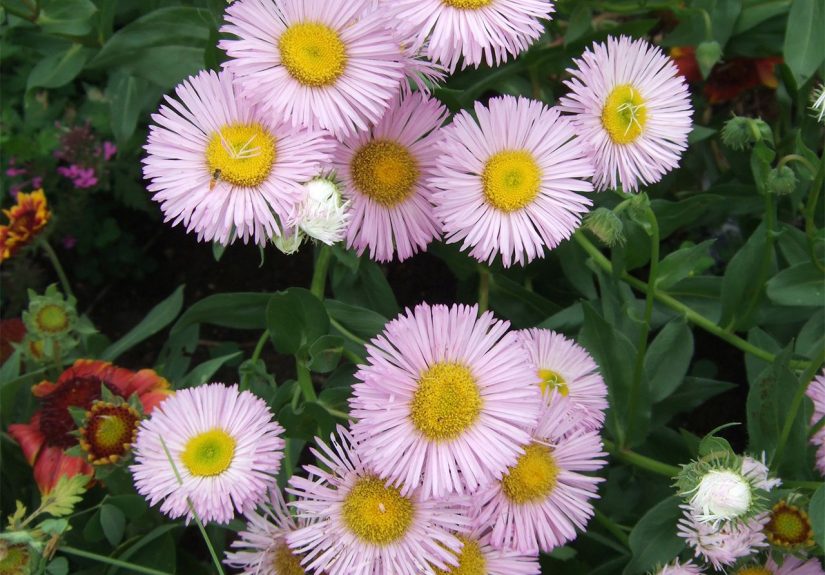
- Erigeron: obvious daisy flowers with a yellow center and many thin rays; often forms clumps or mounds.
- Horseweed: can start as a rosette, then shoots up tall with narrow leaves and clusters of small, less-showy flower heads; looks more “spiky.”
Local tip: If you live in an area where certain species are considered invasive or problematic,
treat this like dating advice: check the local “do not recommend” list (your state extension or native plant society) before committing.
2) Best Site: Sun, Soil, and Drainage
Light
Most ornamental fleabanes bloom best in full sun (think 6+ hours). They’ll tolerate partial shade,
but you may get fewer flowers and more “stretching” (plants leaning like they’re reaching for the remote you hid).
If your summers are brutally hot, a little afternoon shade can keep plants happierespecially in containers.
Soil
Fleabane is famously un-fussy, but it has one major preference: drainage. Aim for soil that doesn’t stay soggy.
Many types perform well in average garden soil and even tolerate lean, rocky spots.
If your soil is heavy clay, improve drainage with compost and (where appropriate) grit or fine gravel, or grow in raised beds.
Water
Once established, many fleabanes are moderately drought-tolerant, but the first season matters. Think of the first 6–10 weeks as
“training wheels”: consistent moisture helps roots settle in. After that, water deeply but less often.
Native fleabanes that prefer moist habitats (like Philadelphia fleabane) may need steadier moisture than Mexican fleabane.
Hardiness (USDA zones)
Hardiness depends on species and your winter moisture. Mexican fleabane is often grown in milder zones and can struggle in cold, wet winters,
while showy and native fleabanes can be hardy in colder climates. If you’re buying plants, trust the tag for your regionand remember:
“winter wet” is sometimes harder on fleabane than “winter cold.”
3) When to Plant Fleabane
-
Plant starts outdoors: Spring after your last frost is safest. Early fall also works in many regions,
giving roots time to settle before winter (especially in mild climates). - Sow seeds outdoors: Spring is common; early fall can work for many perennials in regions with mild winters.
- Start seeds indoors: About 6–8 weeks before last frost is a good rule of thumb for spring planting.
The best planting day is boring weather: mild, cloudy, and calm. Fleabane doesn’t need dramasave that for reality TV.
4) How to Plant Fleabane (Starts, Seeds, Containers)
A) Planting nursery starts (the easiest win)
- Pick the spot (sun + drainage). Remove weeds and loosen soil 8–10 inches deep.
- Dig a hole as deep as the root ball and about twice as wide.
- Set the plant so the top of the root ball sits level with the soil surface (don’t bury the crown).
- Backfill with native soil (amend lightly with compost if your soil is poor).
- Water in deeply to settle soil around roots.
- Mulch lightly (about 1–2 inches), keeping mulch off the crown to prevent rot.
Spacing: For many garden fleabanes, 12–18 inches apart is a solid starting range.
Smaller types can be closer; taller border types may need more room. If you want a “meadow drift,” plant in loose clusters.
B) Growing fleabane from seed (tiny seeds, big potential)
Fleabane seeds are small and many types germinate best with light exposure. Translation: you typically
surface-sowpress seeds into the soil or seed-starting mix without burying them deeply.
Indoor seed-starting steps
- Fill trays or small pots with a fine seed-starting mix; moisten it evenly.
- Sprinkle seeds thinly on the surface; press gently so they contact the mix.
- Do not cover heavilyat most, use a whisper-thin dusting of mix or vermiculite.
- Keep warm and bright (a sunny window or grow light).
- Mist or bottom-water to keep the surface moist (not swampy).
- Once seedlings have a few true leaves, thin and pot up if crowded.
- Harden off for 7–10 days before planting outside.
Direct sowing outdoors
Rake the soil smooth, scatter seed, press it in, and keep the top layer lightly moist until sprouts appear.
If you’re sowing in a windy spot, lightly tamping the soil helps keep seeds from relocating without leaving a forwarding address.
C) Fleabane in containers (and in cracks, walls, and edges)
Mexican fleabane is famous for thriving in containers, hanging baskets, and even stone wall crevicesanywhere with
sharp drainage. Use a high-quality potting mix, and consider mixing in a little grit for extra drainage.
- Pot size: 10–14 inches wide is a comfortable start for one plant.
- Watering: Containers dry fastercheck more often in summer.
- Feeding: Light feeding during the growing season can support continuous bloom (don’t overdo it).
5) Fleabane Care: Water, Feeding, Pruning
Watering that makes sense
For the first season, water when the top inch of soil feels dry. After establishment, many fleabanes do well with deep watering during
extended dry spells. If your fleabane is in a moist-site species, keep soil evenly moistespecially during heat waves.
Feeding (a little goes a long way)
Fleabane isn’t a heavy feeder. In average beds, compost at planting time may be enough.
In containers or very lean soil, a light balanced fertilizer during spring and summer can encourage longer bloom.
Too much fertilizer can push leafy growth and fewer flowerslike giving a teenager an energy drink before homework.
Deadheading (optional, but helpful)
Fleabane often keeps flowering even if you do nothing, but deadheading (removing spent blooms) can:
- extend bloom time,
- keep the plant tidier,
- reduce self-seeding (important if you want “charming” not “chaos”).
Cutting back (the secret to a second act)
If plants get leggy or tired midseason, shear back by about one-third. Many types respond with fresh growth and a new flush of flowers.
In fall, you can cut back harder for a clean restartespecially in borders.
Winter care
In colder climates, a dry mulch (think straw or pine needles) can protect crownsespecially for Mexican fleabane.
The goal is insulation without trapping soggy moisture against the plant.
6) Propagation + Keeping It From Spreading Everywhere
Propagation options
- Seed: Easy, but offspring may vary. Great for naturalistic plantings.
-
Division: Many perennial fleabanes can be divided in spring or fall.
Dig the clump, split it with a spade or knife, and replant divisions promptly. - Cuttings: Some fleabanes can be started from stem cuttings, especially in mild seasons.
How to prevent unwanted self-seeding
- Deadhead early (before seeds mature) if you don’t want volunteers.
- Keep soil a bit leanoverly rich soil can encourage more growth and more seed.
- Use containers for “enthusiastic” varieties (you still get flowers, with fewer surprise seedlings).
- Pull seedlings youngtiny volunteers are easy; older ones become a workout.
If your goal is a wildlife-friendly, meadow vibe, let it seed lightly. If your goal is a neat border, treat deadheading
like brushing your teeth: small effort, big payoff.
7) Problems & Fixes (Troubleshooting Like a Pro)
“My fleabane is lush but barely flowering.”
- Likely cause: too much shade or too much fertilizer.
- Fix: move to a sunnier spot, reduce feeding, and shear lightly to encourage fresh buds.
“It’s getting floppy or leggy.”
- Likely cause: low light, overcrowding, or rich soil.
- Fix: shear back by one-third, thin nearby plants for airflow, and aim for more sun.
Powdery mildew or leaf issues
Fleabane is often fairly trouble-free, but humid weather plus tight spacing can invite mildew.
Improve airflow, avoid overhead watering late in the day, and remove heavily affected foliage.
Aphids
If you spot aphids clustering on soft new growth, blast them off with water or use insecticidal soap per label directions.
Healthy plants usually bounce back quickly.
“I planted fleabane and now I think it’s horseweed.”
It happensespecially when seed mixes or volunteer seedlings are involved. If you see a fast-growing, upright plant with narrow leaves
and less “daisy show,” pull it early. In disturbed soils, horseweed can show up quickly and spread by wind-blown seed.
8) Landscape Design + Companion Plants
Fleabane’s superpower is that it looks intentional even when you plant it in places that look… not intentional.
Use it to soften edges, fill gaps, and knit together bolder perennials.
Design ideas that work
- Cottage borders: Thread fleabane between taller flowers for a “cloud of daisies” effect.
- Rock gardens and gravel beds: Perfect drainage, perfect vibe.
- Path edges: Low fleabane can spill slightly over pavers without becoming a tripping hazard.
- Containers: Use it as a spiller with upright thriller plants.
- Naturalistic plantings: Mix native fleabanes into prairie or meadow gardens for pollinator value.
Companion plants (good neighbors)
Pair fleabane with plants that enjoy similar conditions. In sunny, well-drained beds, it plays nicely with
coneflowers, black-eyed Susans, salvias, yarrow, and ornamental grasses. In moister, native-style areas,
pair native fleabanes with other moisture-tolerant wildflowers and grasses.
9) Fleabane FAQ
Does fleabane actually repel fleas?
Historically, people believed dried “fleabane” could help repel insects, which is likely how the name stuck.
In modern gardens, it’s grown mainly for flowers and pollinatorsnot as reliable pest control.
Is fleabane a perennial?
It depends on the species. Some are perennials (often short-lived), some are annual or biennial,
and some reseed so readily they behave “perennial-ish” even when individual plants don’t live forever.
How long does fleabane bloom?
Many gardeners grow fleabane because it can bloom for a long season, especially when deadheaded or lightly sheared.
Climate, species, and watering all affect bloom length.
Will it take over?
It can self-seedespecially in mild climates or in open soil. The good news: unwanted seedlings are usually easy to pull when small,
and deadheading keeps most “spread drama” under control.
10) Real-World Growing Experiences (Extra ~)
The advice above is the “textbook version.” Here’s what gardeners commonly experience in real yards, real weather,
and real lifewhere nobody has time to whisper affirmations to every plant.
Experience #1: “It looked fine… then it got leggy overnight.”
This is a classic with Mexican fleabane in partial shade or rich soil. Gardeners often report that it starts dense and flowery,
then stretches once summer heat arrives or once nearby plants cast more shade. The fix that gets repeated (because it works):
a quick midseason shear. Cutting the plant back by a third looks scary for about a week, then it rebounds with fresh green growth and
another wave of blooms. The takeaway: fleabane doesn’t mind a haircutjust don’t wait until it’s totally exhausted.
Experience #2: “It survived drought… but the flowers slowed down.”
Fleabane is often drought-tolerant once established, but “surviving” and “performing” aren’t the same thing.
In hot, dry stretches, gardeners commonly notice fewer blooms and smaller flowers. A deep soak every so often (instead of frequent splashes)
tends to bring the bloom show back. If you’re growing in a container, the story changes: pots can dry fast, and fleabane may look droopy
one afternoon and perfectly fine the next morning after watering. The takeaway: in-ground fleabane likes occasional deep watering;
container fleabane likes you to check it before it turns into a dramatic fainting goat.
Experience #3: “It pops up in cracks where I never planted it.”
Fleabane seeds are tiny and can settle into paving joints, gravel, and the edges of beds. Many gardeners actually love this,
because it creates that effortless “European courtyard” look. Othersespecially the neat-border crowdare less amused.
The consistent pattern is that seedlings are easiest to manage when they’re young. A quick hand-pull after rain removes them cleanly.
If you want the look without the surprise auditions, deadhead more aggressively, or keep fleabane in containers where seeds are easier to catch.
Experience #4: “I planted ‘fleabane’ and now I’m not sure what I have.”
This happens most often with seed mixes, gifted seedlings, or volunteer plants. Gardeners frequently discover that what they assumed was
ornamental fleabane is actually a roadside-type fleabane or even horseweed. The practical approach is simple: wait for the plant to show its flowers.
True ornamental Erigeron gives you obvious daisy blooms you’d happily photograph. Horseweed tends to look tall, weedy, and fast,
and it produces masses of wind-dispersed seeds. If you’re unsure and it’s growing like it’s late for a meeting, pull it early and plant a labeled
nursery start instead. The takeaway: tags and trusted sources beat mystery seedlingsespecially with plants that share common names.
Experience #5: “It’s the one plant the bees never ignore.”
A repeated gardener observation is that fleabane attracts a steady stream of pollinatorsespecially when other flowers are between bloom cycles.
In mixed borders, fleabane often functions like a “bridge plant,” keeping something blooming while showier perennials take a break.
The best real-world placement is where you’ll see it: along a path, near a patio, or spilling from a raised edge.
The takeaway: fleabane isn’t just fillerit can be the plant that keeps your garden lively when everything else is “thinking about it.”
Conclusion
If you want a plant that blooms like it’s paid by the flower, fleabane is a smart pickespecially the ornamental Erigeron types.
Give it sun, give it drainage, water it like a reasonable adult during establishment, and don’t be afraid to shear it back when it gets scruffy.
Decide ahead of time whether you want a few charming volunteers or zero surprises, then deadhead accordingly.
Do that, and fleabane will reward you with a long season of daisy blooms and a garden that looks joyfully alive.