Table of Contents >> Show >> Hide
- Why Gardeners Love Maple Trees
- Choose the Right Maple Before You Dig Anything
- Best Time to Plant a Maple
- How to Pick a Healthy Maple at the Nursery
- How to Plant a Maple Tree Step by Step
- How to Care for a Newly Planted Maple
- How to Grow a Maple Successfully Over the Long Term
- Common Maple Problems and How to Avoid Them
- Best Maple Types for Home Landscapes
- Final Thoughts
- Experience: What Growing a Maple Teaches You Over Time
- SEO Tags
If there were an award for “tree most likely to make neighbors slow down and stare,” the maple would have a very strong case. Between the fiery fall color, elegant branching, and easygoing charm, maples have a way of making an ordinary yard look like it suddenly got serious about landscaping. The trick, of course, is planting the right maple in the right place and giving it the kind of start that sets it up for a long, healthy life.
This guide walks you through how to plant and grow a maple from the ground up, without making the classic mistakes that turn a promising young tree into a stressed, sulky stick with leaves. Whether you want a bold shade tree, a graceful ornamental, or a front-yard showpiece, here is how to choose, plant, and care for a maple the smart way.
Why Gardeners Love Maple Trees
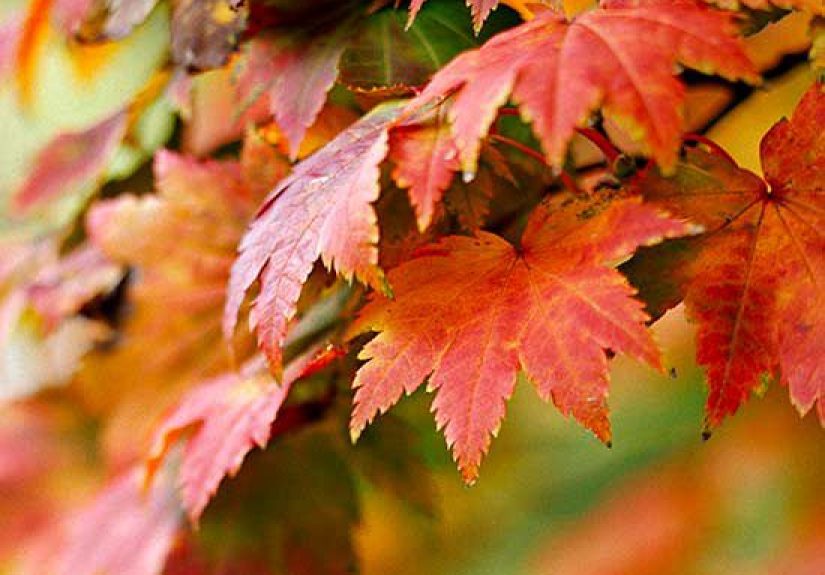
Maples earn their popularity honestly. They offer beautiful leaf shape, strong seasonal color, and a wide range of sizes and forms. Some are large shade trees that can anchor a landscape for generations. Others, like Japanese maples, stay smaller and bring a delicate, sculptural look to patios, entry gardens, and foundation beds.
They are also versatile. Red maples are admired for fast establishment and dependable color. Sugar maples are classics for broad shade and postcard-worthy autumn leaves. Japanese maples add texture and elegance in smaller spaces. Trident and hedge maples can suit tighter urban spots. In other words, there is a maple for the “I have two acres” person and the “I have one decent corner by the porch” person.
Choose the Right Maple Before You Dig Anything
The best maple tree is not automatically the prettiest one in the nursery. It is the one that fits your climate, soil, available space, and light conditions.
Think about mature size
This is where good intentions usually collide with roofs, sidewalks, and power lines. A sugar maple can become a large shade tree, while a Japanese maple stays much smaller. A red maple often lands somewhere in the middle to large range depending on the cultivar. Always read the plant tag, then imagine the tree at full size, not at its adorable current size when it can still fit in a shopping cart.
Match the tree to the site
Most maple trees grow best in full sun to light shade, but there are exceptions. Japanese maples usually appreciate protection from harsh afternoon sun in hotter climates, especially where summers are intense and drying winds are common. Some larger maples tolerate a wider range of conditions, but even adaptable trees perform better when they are not forced to live in the horticultural version of a bad apartment.
Check the soil
Many maples prefer moist, well-drained soil. Some, such as red maple, tolerate a broader range of soil conditions than fussier trees. Still, soggy sites, highly compacted ground, or extremely alkaline soil can create problems over time. If drainage is poor, choose carefully. If the planting area stays wet for days after rain, do not assume mulch and optimism will fix it.
Know your region
A maple that thrives in Minnesota may not be thrilled in the Deep South, and a tree that looks perfect in a catalog may struggle in a windy, exposed yard. Local extension guidance and regional nursery recommendations are your best friends here. If you want a low-stress decision, start with maples known to perform well in your part of the country.
A quick word about invasive maples
Not every maple is a great ecological fit everywhere. For example, Amur maple is considered invasive in some regions and should be avoided where it poses a problem. A beautiful tree is less charming when it starts misbehaving beyond your property line.
Best Time to Plant a Maple
In many parts of the United States, spring and fall are the best times to plant a maple. Spring planting gives roots time to settle in before summer heat arrives. Fall planting is often excellent because the soil is still warm, the weather is cooler, and the tree can focus on root establishment rather than pushing lots of top growth.
If you are planting a bare-root maple, early spring is usually ideal. Container-grown or balled-and-burlapped trees are more flexible, but extreme heat is not your friend. Planting a new tree in the middle of a blazing summer week is a little like moving house at noon in August: technically possible, but nobody is at their best.
How to Pick a Healthy Maple at the Nursery
Start with structure and roots. Look for a tree with a straight trunk, healthy bark, and no obvious wounds, oozing, dieback, or dead branches. The canopy should look balanced for the type of maple you are buying. Avoid trees with leaves that are badly scorched, spotted, or prematurely dropping unless it is clearly a temporary watering issue and the rest of the tree checks out.
If the tree is container-grown, gently inspect for circling roots. Roots that wrap tightly around the inside of the pot can become future girdling roots, which is exactly as fun as it sounds. You want a root system that is firm and healthy, not one that looks like it has been trying to knit itself into a basket.
How to Plant a Maple Tree Step by Step
1. Find the root flare
This matters more than people realize. The root flare is the point where the trunk begins to widen and transition into roots. It should end up at soil level or slightly above it after planting. If your maple is planted too deeply, it may struggle for years. Many tree problems start with this one mistake.
2. Dig a wide hole, not a deep one
Dig the planting hole two to three times as wide as the root ball, but no deeper than the root ball itself. The tree should sit on firm, undisturbed soil so it does not sink after watering. A wide hole encourages roots to move outward into the surrounding soil, which is exactly what you want.
3. Remove wrapping and correct circling roots
For container trees, loosen or slice circling roots so they do not keep spiraling after planting. For balled-and-burlapped trees, remove twine, burlap, wire, and tags from the top and sides of the root ball once the tree is positioned. Leaving those materials in place is not a thoughtful gift to the future tree. It is more like handing it a problem and walking away.
4. Set the tree at the proper height
Position the maple so the root flare is visible at the finished soil line or slightly above it. Step back and check that the trunk is straight before you begin backfilling. Tiny adjustments are much easier now than after the hole is filled and your patience has evaporated.
5. Backfill with the original soil
Use the soil you removed from the hole. Do not bury the top of the root ball under extra soil. Do not create a fluffy underground potting mix paradise that encourages roots to stay put instead of growing outward. Your goal is a smooth transition from root ball to native soil.
6. Water slowly and thoroughly
As you backfill, water to help settle the soil and remove large air pockets. Then water again after planting. A deep, slow soak is better than a quick splash that barely dampens the surface and mostly boosts your confidence for no good reason.
7. Add mulch the right way
Spread a two- to three-inch layer of organic mulch around the root zone in a wide ring. Keep it away from the trunk. Repeat that to yourself if needed: keep it away from the trunk. Mulch volcanoes are one of the most common tree-care mistakes, and maples do not appreciate being dressed like tiny smoking mountains.
8. Stake only if necessary
Most young trees do not need staking unless the site is windy, the root ball is unstable, or the trunk cannot remain upright on its own. If you do stake, remove the supports after the first growing season. Stakes are temporary training wheels, not permanent accessories.
How to Care for a Newly Planted Maple
Watering during the first year
The first year is all about root establishment. Newly planted maples need steady moisture, especially in the weeks right after planting. Water more frequently at first, then gradually shift to deeper, less frequent watering as the tree settles in. Always adjust for rainfall, heat, wind, and soil type. Sandy soil dries faster. Clay holds moisture longer. Your tree does not care about a rigid schedule nearly as much as it cares about whether the soil is actually moist where the roots are.
A good rule is to check the soil by hand before watering. If it is dry several inches down, water. If it is still damp, wait. Overwatering can be just as damaging as underwatering, and maples are not fans of sitting in soggy conditions for long stretches.
Mulch and weed control
Keep grass and weeds away from the base of the tree, ideally in a broad mulch ring. Turf competes for water and nutrients, and trimmers can damage bark faster than most new gardeners expect. A mulch ring is simple, practical, and far more effective than mowing in increasingly nervous circles around the trunk.
Fertilizer
Do not rush to fertilize a newly planted maple. Right after planting, the tree needs to establish roots, not be pushed into a frenzy of leafy top growth. In most home landscapes, good watering and correct planting depth matter far more than fertilizer in the early stage. If growth later seems weak, a soil test can help determine whether nutrients are actually the problem.
How to Grow a Maple Successfully Over the Long Term
Pruning
At planting time, remove only dead, broken, or clearly damaged branches. Save structural pruning for later, once the tree begins to establish. With maples, avoid heavy pruning in early spring because they tend to “bleed” sap. It looks dramatic, alarms new gardeners, and generally makes everyone wish they had picked a different weekend for the job.
For most home gardeners, light pruning in dormancy or according to regional guidance works well. Focus on removing rubbing branches, poorly attached limbs, water sprouts, and dead wood as the tree matures.
Watch for stress
Leaf scorch, early fall color, dieback, sparse foliage, or yellowing leaves can signal trouble. Sometimes the cause is drought. Sometimes it is poor drainage, deep planting, compacted soil, or unsuitable pH. The sooner you notice the pattern, the better the odds of fixing it before the tree declines seriously.
Protect the root zone
Maples often develop surface roots as they age, and many dislike repeated disturbance near the trunk. Avoid piling soil over roots, chopping at them, or repeatedly digging in the root zone. If roots begin to make mowing awkward, widen the mulched area instead of declaring war on the tree.
Choose companions carefully
Underplanting beneath a mature maple can be tricky because of shade and root competition. If you add plants later, choose species that tolerate those conditions and avoid aggressive digging close to the trunk. Your maple is generous, but it is not interested in sharing its root space with every plant in the garden center.
Common Maple Problems and How to Avoid Them
Planting too deep
This is the big one. If the root flare is buried, roots may struggle for oxygen and the trunk can become vulnerable to decay and girdling roots. Always expose the flare before planting and keep it visible afterward.
Bad site selection
Putting a giant maple under power lines or a shade-loving Japanese maple in a blazing reflected-heat courtyard is not a bold garden experiment. It is a long-term headache. Respect mature size, light exposure, soil conditions, and drainage from the beginning.
Improper mulch
Too much mulch or mulch pressed against the trunk can create moisture problems, encourage decay, and invite pests. Keep the mulch ring broad and shallow, not steep and trunk-hugging.
Ignoring circling roots
Container trees with circling roots can look fine at planting and decline years later. If you see roots wrapping around the root ball, correct them before the tree goes into the ground.
Watering by mood instead of need
Some gardeners forget to water for ten days, then panic and flood the tree like they are filming a disaster movie. Consistency matters more than drama. Check the soil, then water accordingly.
Best Maple Types for Home Landscapes
Red maple: A strong choice for many regions, prized for fast establishment, bright seasonal color, and adaptability.
Sugar maple: A classic shade tree with stunning fall color, best where it has room to mature.
Japanese maple: Ideal for smaller spaces, ornamental gardens, and areas with some shelter from harsh afternoon sun.
Hedge or trident maple: Good options for smaller urban landscapes where size control matters.
The right answer depends on your yard, not on what looked irresistible in a photo. A tree that fits well will almost always outperform a tree that merely looked glamorous on purchase day.
Final Thoughts
Planting a maple is not difficult, but planting one well makes all the difference. Start by choosing a maple that matches your space and climate. Plant it at the correct depth, water it faithfully, mulch it properly, and resist the urge to overdo everything else. Trees, like people, tend to do better when they are not smothered with attention in all the wrong ways.
Give your maple a smart start, and it can reward you for decades with shade, structure, wildlife value, and the kind of fall color that makes you want to text pictures of leaves to people who absolutely did not ask for them. That is the power of a good maple.
Experience: What Growing a Maple Teaches You Over Time
The longer you grow maples, the more you realize they teach patience in a very specific, slightly bossy way. A maple does not respond well to shortcuts. You cannot bury it too deep, toss some fertilizer at it, and expect a standing ovation. It wants a good site, decent soil, consistent water, and enough room to become what it is supposed to become. Once you accept that, growing a maple becomes less about controlling the tree and more about setting the stage for it.
One of the most memorable experiences many gardeners have is the first fall after planting. You spend months wondering whether the tree is settling in, whether the leaves look normal, whether that one curled leaf is a tragedy, and then suddenly the canopy shifts into color. Even a young maple can put on a surprising show. It feels like the tree is saying, “Yes, I noticed your effort. This is your receipt.”
There is also a practical satisfaction that comes from watching a maple change the feel of a property over time. In the first year, it looks small and hopeful. In the third or fourth year, it begins to define space. By the time it is well established, it can soften a harsh corner, cool a patio, frame a window view, and make a yard feel finished. Few landscape plants do that so completely.
Gardeners also learn humility from maples. Maybe you planted a Japanese maple where the afternoon sun was harsher than expected. Maybe a red maple started showing stress because the soil stayed wetter than it looked from the surface. Maybe you discovered that mowing too close to the trunk was a terrible idea. These moments are annoying, yes, but they also sharpen your instincts. A maple is one of those trees that makes you pay attention to the relationship between roots, soil, weather, and space.
Another experience that sticks with people is seasonal rhythm. In spring, maples leaf out with a fresh, hopeful energy. In summer, they settle into their workhorse stage, building roots and shade. In fall, they absolutely show off. In winter, the structure becomes visible, and you begin to appreciate branch shape, bark texture, and the quiet architecture of the tree. A good maple is never really off-duty. It just changes costumes.
Over the years, many homeowners begin with “I want a nice tree” and end up with something more personal. The maple becomes the tree under which kids play, where birds gather, where chairs get moved on hot evenings, where autumn photos happen, and where you quietly notice each year’s changes. That is part of the real reward. Planting a maple is technically a landscaping decision, but living with one becomes a long conversation between the gardener and the place they call home.