Table of Contents >> Show >> Hide
- Why Fresh Ingredients Make Better Smoothies
- The Simple Smoothie Formula That Actually Works
- Choose the Best Fresh Ingredients for Smoothies
- How to Make a Smoothie Step by Step
- Three Fresh Smoothie Ideas to Try
- Common Smoothie Mistakes to Avoid
- How to Store Smoothies Safely
- Best Flavor Pairings for Fresh Ingredient Smoothies
- How to Customize Smoothies for Different Goals
- Fresh-Ingredient Smoothie Experiences: What People Learn After They Start Making Them Regularly
- Final Sip
If your blender has been sitting on the counter like a decorative paperweight, it is time to give it a real job. Learning how to make smoothies from your favorite fresh ingredients is one of the easiest ways to turn fruit, vegetables, yogurt, milk, seeds, and other good stuff into something fast, tasty, and surprisingly satisfying. It is also a great way to use produce before it starts giving you that “eat me now or regret it later” look from the refrigerator drawer.
The best smoothies are not just sweet fruit thrown into a blender and blasted into submission. A truly great smoothie has balance. It should taste bright and fresh, feel creamy instead of watery, and keep you full longer than a sip-and-shrug breakfast. That means choosing the right mix of fruit, greens, liquid, protein, healthy fats, and texture boosters. Once you know the formula, you can make a smoothie from almost any fresh ingredients you already love.
This guide walks you through exactly how to build better smoothies at home, avoid common mistakes, and create delicious combinations using fresh ingredients without making every glass taste like a lawn clipping or melted popsicle. Your blender deserves better. So do you.
Why Fresh Ingredients Make Better Smoothies
Fresh ingredients bring stronger flavor, brighter color, and better texture to homemade smoothies. A ripe banana gives natural sweetness and body. Fresh berries add tartness and depth. Spinach blends in easily without making the drink taste like a salad with ambition. Fresh herbs like mint or basil can wake up a smoothie faster than a motivational podcast at 6 a.m.
Using fresh ingredients also gives you more control over what goes into your glass. You can choose whole fruit instead of sugary concentrates, plain yogurt instead of dessert-in-disguise yogurt cups, and real add-ins like oats, chia seeds, nut butter, or avocado instead of mysterious powders with labels that sound like a chemistry final exam.
Another bonus is flexibility. Once you understand how smoothie ingredients work together, you can build drinks around what is in season, what is on sale, or what needs to be used up today. One peach about to turn soft? Great. Half a cucumber from last night’s salad? Blend it. A handful of spinach that is one day away from becoming compost? Smoothie hero.
The Simple Smoothie Formula That Actually Works
If you want a smoothie that tastes good and feels satisfying, use this easy build:
- 1 to 2 cups fruit: fresh, frozen, or a mix
- 1 handful greens or vegetables: optional, but smart
- 3/4 to 1 cup liquid: milk, unsweetened plant milk, water, or coconut water
- 1 protein or creamy base: Greek yogurt, cottage cheese, kefir, tofu, or nut butter
- 1 texture booster: oats, chia seeds, flaxseed, avocado, or frozen banana
- Optional flavor extras: cinnamon, ginger, cocoa, vanilla, lemon juice, fresh mint
That formula keeps the smoothie from becoming too thin, too sugary, or too bland. It also helps you build a drink that feels more like a meal or smart snack and less like liquid fruit confetti.
Choose the Best Fresh Ingredients for Smoothies
Fresh Fruits That Blend Beautifully
Bananas are the MVP of smoothie-making. They add creaminess, sweetness, and body without much effort. Berries bring color and tang. Mango gives tropical sweetness and silky texture. Peaches make everything taste like summer got organized. Apples add freshness, though they benefit from being chopped small. Pineapple gives a bright, juicy punch, especially when paired with greens or yogurt.
If your fruit is not super ripe, that is okay. You may just need a little extra banana, yogurt, or a date to smooth out the flavor. If it is extra ripe, even better. That is prime smoothie material.
Fresh Greens and Vegetables That Do Not Ruin the Party
Spinach is the easiest green to start with because it blends well and has a mild flavor. Kale is more assertive, which is a nice way of saying it can absolutely take over if you are not careful. Cucumber adds freshness without much sweetness. Carrots work well with orange, mango, peach, and ginger. Avocado is technically a fruit, but in smoothies it behaves like a creamy texture magician.
A good beginner rule is this: use mild greens first, then level up later. You do not need to prove anything to kale on day one.
Liquids That Support Instead of Sabotage
Your liquid matters more than most people think. Milk and unsweetened plant milk create a creamy base. Water is clean and simple. Coconut water works well in tropical smoothies. Plain kefir adds tang and probiotics. Juice can add flavor, but too much can push a smoothie from balanced to sugar-happy in a hurry.
If you want the fruit flavor to shine, start with less liquid and add more only if needed. You can always thin a smoothie. Rescuing a watery one is a much sadder story.
Protein and Creamy Add-Ins
Greek yogurt is one of the easiest ways to add protein and make a smoothie creamy. Cottage cheese sounds odd until you try it and realize it blends into a rich, smooth base. Nut butter adds flavor and staying power. Tofu works especially well in fruit smoothies because it makes them silky without adding a strong flavor. Oats can help a smoothie feel more breakfast-worthy, while chia or flax add fiber and body.
How to Make a Smoothie Step by Step
1. Wash and Prep Fresh Produce
Before blending, wash your fresh fruits and vegetables well under running water. Even produce you plan to peel should be rinsed first. Dry it, trim away damaged spots, and chop larger ingredients into smaller pieces. This is not glamorous, but neither is fishing a giant strawberry chunk out of your straw.
2. Load the Blender in the Right Order
A smarter loading order helps the blades move efficiently. Start with liquid, then add powders or oats if using, then greens, then fresh fruit, and finish with frozen fruit or ice. This helps the blender create a smoother vortex and reduces the odds of needing the classic “stop, shake, scrape, sigh, restart” routine.
3. Blend Until Smooth, Not Until Warm
Blend on high until the mixture is creamy and even. In most cases, 45 to 60 seconds does the trick. If it is too thick, add a splash of liquid. If it is too thin, add more frozen fruit, a few ice cubes, oats, chia, or half a banana.
4. Taste and Adjust
This step separates decent smoothies from really good ones. Taste before pouring. Need more sweetness? Add ripe banana, mango, or a date. Too sweet? Add lemon juice, plain yogurt, or more greens. Too flat? A pinch of cinnamon, ginger, vanilla, or even a tiny pinch of salt can sharpen the flavors.
Three Fresh Smoothie Ideas to Try
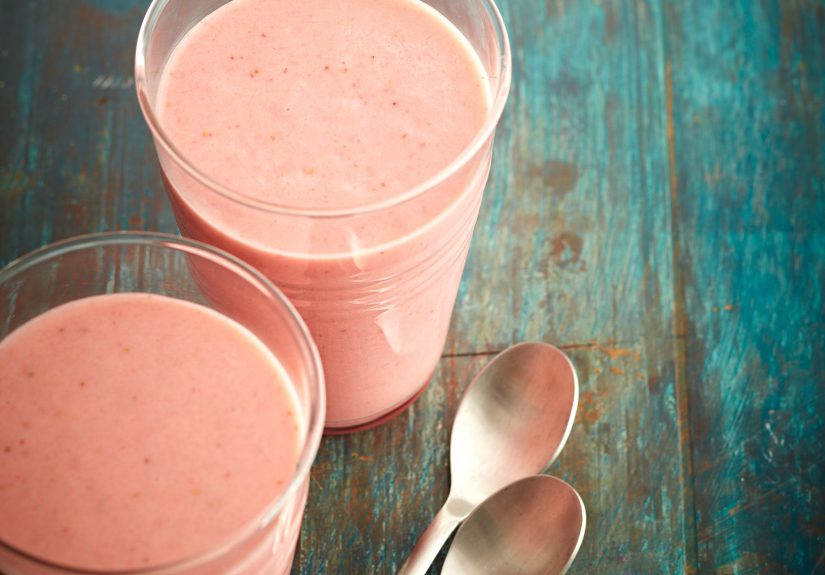
1. Berry Banana Breakfast Smoothie
Ingredients: 1 banana, 1 cup strawberries, 1/2 cup blueberries, 3/4 cup plain Greek yogurt, 3/4 cup milk, 1 tablespoon oats, a few ice cubes.
Why it works: It is creamy, naturally sweet, and easy for beginners. The banana gives body, the berries add freshness, and the yogurt makes it more filling.
2. Mango Spinach Green Smoothie
Ingredients: 1 cup mango, 1/2 banana, 1 to 2 cups fresh spinach, 3/4 cup unsweetened almond milk, 1 tablespoon chia seeds, juice of 1/2 lime.
Why it works: Mango and banana soften the flavor of the spinach, while lime brightens the whole drink. This is a great “I want to be healthy but still enjoy my life” smoothie.
3. Peach Vanilla Protein Smoothie
Ingredients: 2 peaches, 1/2 banana, 3/4 cup cottage cheese or Greek yogurt, 1/2 cup milk, 1 tablespoon ground flaxseed, 1/4 teaspoon vanilla extract, a handful of ice.
Why it works: It tastes like dessert, but behaves like breakfast. The peaches bring freshness, while the protein and flax add substance.
Common Smoothie Mistakes to Avoid
Using Too Much Juice
Fruit juice may sound healthy, but a juice-heavy smoothie can get sweet fast and leave you hungry sooner. Whole fruit usually gives you more texture and a better balance.
Skipping Protein and Fiber
A smoothie made of only fruit and liquid can taste nice, but it often acts more like a quick snack than a lasting meal. Add Greek yogurt, cottage cheese, tofu, oats, chia, flax, or nut butter for staying power.
Adding Too Many Ingredients
More is not always better. Ten “superfoods” in one blender can turn a simple smoothie into a muddy, expensive science experiment. Start with a few ingredients that make sense together.
Using Too Much Ice
Ice makes smoothies cold, but too much can water down flavor. Frozen fruit often does a better job because it chills and thickens at the same time.
Ignoring Texture
The difference between a good smoothie and a disappointing one is often texture. Fresh fruit gives flavor, but frozen fruit, banana, avocado, oats, yogurt, and chia help create that thick, creamy sip people actually look forward to.
How to Store Smoothies Safely
Fresh smoothies are best right after blending, when the texture is thick and the flavor is bright. But real life happens. If you need to save one for later, pour it into a clean jar or bottle, fill it close to the top to reduce air exposure, seal it tightly, and refrigerate it promptly. Give it a shake before drinking because natural separation is normal.
Because smoothies often contain cut fruit, dairy, or plant-based alternatives, they should be treated like other perishable foods. Do not leave them sitting around for hours while you “definitely plan to come back to it.” Your smoothie should not spend the afternoon on your desk becoming a microbiology project.
Best Flavor Pairings for Fresh Ingredient Smoothies
Classic Combinations
- Banana + strawberry + yogurt
- Mango + pineapple + coconut water
- Blueberry + banana + oats
- Peach + vanilla + Greek yogurt
Fresh and Bright Combinations
- Cucumber + pineapple + mint
- Orange + carrot + ginger
- Spinach + mango + lime
- Strawberry + basil + banana
Richer, More Filling Combinations
- Banana + peanut butter + cocoa
- Peach + cottage cheese + flax
- Berry + yogurt + chia
- Banana + oats + cinnamon
How to Customize Smoothies for Different Goals
For breakfast: Include protein and fiber, such as Greek yogurt, oats, chia, nut butter, or cottage cheese.
For a lighter snack: Use fruit, greens, and a simple liquid base with a smaller portion of protein.
For post-workout: Combine fruit with a stronger protein source and enough liquid for easy sipping.
For picky eaters: Start with sweet fruit and mild greens like spinach, then slowly increase the vegetable content.
For hot weather: Use frozen fruit, citrus, cucumber, or mint for a more refreshing blend.
Fresh-Ingredient Smoothie Experiences: What People Learn After They Start Making Them Regularly
There is a funny thing that happens when people start making smoothies from fresh ingredients at home: the first smoothie is usually either way too healthy-tasting or suspiciously close to melted ice cream. That is part of the journey. One day you throw spinach into a blender like a brave kitchen warrior and discover that, yes, it can taste good with mango. The next day you get overconfident, add raw kale, protein powder, peanut butter, frozen berries, chia, flax, cocoa, cinnamon, and half an avocado, and suddenly your breakfast tastes like a hedge with commitment issues.
But after a week or two, something clicks. You begin to notice which ingredients actually help and which ones are just freeloading. Bananas smooth everything out. Frozen fruit saves weak smoothies from watery sadness. Lemon juice can rescue a blend that tastes dull. A spoonful of yogurt can make a rough smoothie feel finished. You stop guessing so much and start building with intention.
Fresh-ingredient smoothies also change the way people shop. You find yourself buying berries because they are for breakfast, not just for looking responsible in the refrigerator. You start freezing ripe bananas instead of letting them become fruit flies’ finest real estate. Spinach becomes less of a side dish and more of a stealth ingredient. Leftover peaches, half a cucumber, extra mint, and that lonely orange on the counter all start to look like blender opportunities instead of future waste.
There is also the convenience factor. Once people get the hang of it, smoothies become one of those rare kitchen habits that feel both healthy and realistic. You can make one in minutes. You can carry it out the door. You can scale it up for a family or keep it simple for one person. On busy mornings, that matters more than fancy nutrition goals written in a notebook somewhere under a pile of charger cables.
Then there is the flavor discovery phase, which is where smoothie-making gets genuinely fun. You realize that strawberries and basil are weirdly excellent together. That peach and vanilla feel almost bakery-level cozy. That mango and lime can taste like vacation, even if you are drinking it while answering emails. You stop thinking of smoothies as one recipe and start seeing them as a flexible way to use whatever fresh ingredients you love most.
And maybe the biggest experience-related lesson is this: good smoothies are rarely about perfection. They are about rhythm. Wash the produce. Use what is ripe. Add something creamy, something juicy, something cold, and something that makes it satisfying. Taste and adjust. Repeat tomorrow. Pretty soon, making smoothies from fresh ingredients stops feeling like a health project and starts feeling like a normal, enjoyable part of everyday life. Which is exactly where the best habits belong.
Final Sip
Making smoothies from your favorite fresh ingredients is not complicated once you know what each ingredient brings to the blender. Start with whole fruit, add a smart liquid, include protein or healthy fat, and use frozen fruit or creamy ingredients for texture. Keep the flavors balanced, the ingredient list practical, and the blender loaded in the right order.
The result is a smoothie that tastes fresh, feels satisfying, and fits real life. Whether you want a quick breakfast, a better snack, or an easy way to use up ripe produce, homemade smoothies can do the job beautifully. And unlike some wellness trends, this one actually tastes good.