Table of Contents >> Show >> Hide
- What Makes Sungold Tomatoes So Special?
- Choose the Best Growing Spot
- Starting Sungold Tomatoes From Seed
- How to Plant Sungold Tomatoes
- Watering Sungold Tomatoes the Right Way
- Mulch: The Underappreciated Hero
- Feeding and Fertilizing Sungold Tomatoes
- Support, Pruning, and Keeping the Vine Under Control
- Growing Sungold Tomatoes in Containers
- Common Problems and How to Fix Them
- When to Harvest Sungold Tomatoes
- Best Ways to Use Sungold Tomatoes
- Real-World Growing Experiences With Sungold Tomatoes
- Conclusion
- SEO Tags
If tomatoes had a popularity contest, Sungold would walk in wearing a gold jacket and leave with a crown. Gardeners love this variety for one simple reason: it tastes outrageously good. The fruit is small, deep golden-orange, juicy, and sweet with just enough tang to keep it interesting. One tomato becomes three, three becomes a handful, and suddenly you are standing in the garden “taste-testing” your entire harvest like a very committed produce inspector.
But great flavor is only half the story. Sungold tomatoes are also famously productive, which is wonderful news if you like snacking, salads, and casually handing extras to neighbors who made the mistake of asking, “So how’s the garden doing?” The trick is giving the plant what it wants: warmth, strong sun, sturdy support, steady moisture, and a little discipline when the vines start acting like they own the place.
This guide walks through everything you need to know about growing and caring for Sungold tomatoes, from seed starting and transplanting to watering, pruning, harvesting, and troubleshooting. Whether you are planting one in a patio container or turning your backyard into tomato headquarters, this variety can reward you with a long, delicious season.
What Makes Sungold Tomatoes So Special?
Sungold is an indeterminate cherry tomato, which means it keeps growing, flowering, and fruiting until frost shuts the party down. Unlike compact bush tomatoes that ripen in a shorter burst, Sungold behaves more like an enthusiastic vine with a mission. Give it support and decent care, and it can produce for months.
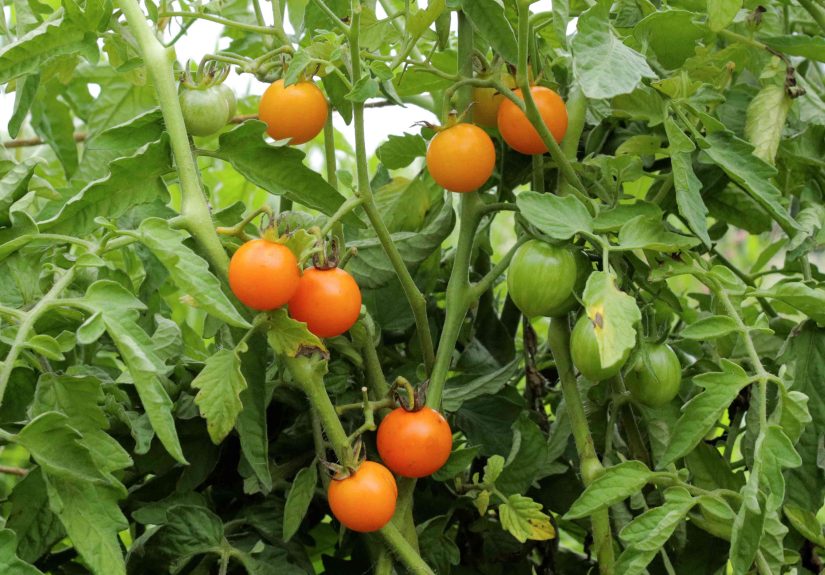
The fruit is usually small and round, ripening from green to a rich apricot-orange. Flavor is the headline here. Sungold is often described as candy-sweet, but that is only partly true. It also has a bright, fruity balance that keeps it from tasting flat. In practical terms, it is one of the easiest tomatoes to eat right off the vine, preferably while pretending you are only checking ripeness.
Because it is vigorous and fast-growing, Sungold is excellent for home gardeners who want reliable harvests. It is also a smart choice for beginners. The plant is generous, forgiving in many conditions, and rewarding enough to make even first-time gardeners feel suspiciously competent.
Choose the Best Growing Spot
Give It Real Sun, Not “Bright-ish” Sun
Sungold tomatoes perform best in full sun. Aim for at least 6 to 8 hours of direct sunlight a day, though more is usually better for stronger growth, better flavor, and heavier fruit set. If you have a choice between a charming half-shady corner and a hot, bright, slightly dramatic patch of yard, choose the dramatic one.
Warm Soil Matters
Tomatoes are warm-season plants, and Sungold is no exception. Do not rush them into cold soil. Wait until the danger of frost has passed and the ground has warmed up. A chilly transplant may survive, but it will sulk, stall, and make you question your life choices. Warm conditions help the plant establish faster and start producing sooner.
Rich, Well-Drained Soil Wins
Sungold likes loose, fertile, well-drained soil with plenty of organic matter. Work in compost before planting to improve structure, moisture retention, and nutrient availability. Heavy clay can be improved with compost over time, while sandy soil benefits from added organic matter that slows drying. Good drainage is essential because tomato roots hate sitting in soggy ground.
Spacing Is Not Optional
This is where many gardeners get a little too optimistic. Sungold may start small, but it will not stay small. Give plants about 2 to 3 feet of space, depending on how you plan to support and prune them. Proper spacing improves airflow, reduces disease pressure, and makes harvesting easier. It also prevents the late-summer situation where you have to crawl into a jungle just to find a ripe tomato.
Starting Sungold Tomatoes From Seed
If you want the full tomato-growing experience, start seeds indoors about 6 to 8 weeks before your expected outdoor planting date. Use a sterile seed-starting mix, sow seeds shallowly, and keep them warm until they germinate. Bright overhead light is essential after sprouting; otherwise, seedlings stretch into weak, skinny little philosophers searching for the sun.
Once the seedlings develop true leaves, pot them up if needed and keep them growing in strong light. Avoid starting too early. Overgrown tomato seedlings are awkward, fragile, and somehow always determined to fall over at the worst possible moment.
Before moving them outside, harden the plants off gradually over about a week. That means introducing them slowly to outdoor sunlight, wind, and temperature swings. Think of it as tomato boot camp, but with less yelling.
How to Plant Sungold Tomatoes
At planting time, bury your transplant deeper than it was growing in its pot. Tomatoes can form roots along the buried stem, which helps produce a stronger root system. Remove lower leaves if necessary so only the top set or two stays above the soil line.
Water the plant in well after transplanting and install support immediately. This matters more than people think. Waiting until the plant gets bigger sounds efficient, right up until you are shoving a cage into an established root system and apologizing to the tomato.
A starter dose of compost or a balanced fertilizer can help at planting, but avoid dumping on too much nitrogen. Excess nitrogen leads to lush foliage and delayed fruiting. In other words, you get a tomato plant that looks magnificent in photos and underperforms where it counts.
Watering Sungold Tomatoes the Right Way
Consistent watering is one of the biggest secrets to healthy Sungold plants. Tomatoes generally do best with deep, thorough watering rather than frequent, shallow sprinkles. A good target is around 1 to 1.5 inches of water per week, adjusted for heat, rainfall, soil type, and container growing.
The goal is evenly moist soil, not wet soil and not bone-dry soil. Big swings in moisture can stress the plant and contribute to problems like blossom-end rot or fruit splitting. Water at the base of the plant rather than overhead whenever possible. Wet foliage invites disease, and overhead watering tends to splash soil onto leaves, which is exactly the kind of drama you do not need.
Morning is usually the best time to water. It gives the plant access to moisture before the heat of the day and allows leaves to dry if they happen to get wet. Drip irrigation and soaker hoses are especially helpful because they keep foliage drier and make consistency easier.
Mulch: The Underappreciated Hero
Once the soil has warmed, add a 2- to 3-inch layer of mulch around your Sungold tomatoes. Straw, shredded leaves, or other clean organic mulches work well. Mulch helps conserve moisture, suppress weeds, and reduce soil splash that spreads disease onto lower leaves.
It also saves you from watering quite as often during hot spells, which means less hose-dragging and fewer negotiations with the weather forecast.
Feeding and Fertilizing Sungold Tomatoes
Sungold is a heavy producer, so it appreciates regular nutrition, but the key is balance. Start with compost-rich soil and use a tomato or vegetable fertilizer according to label directions. Early in the season, a balanced fertilizer helps support root and leaf growth. Once flowering and fruiting begin, many gardeners switch to a formulation that is not overly high in nitrogen.
If your plant is huge, dark green, and gorgeous but not setting much fruit, ease up on nitrogen. The tomato is telling you, in its leafy way, that it has been spoiled.
Container-grown Sungolds usually need more frequent feeding than in-ground plants because nutrients wash out faster with watering. A diluted liquid fertilizer every couple of weeks can be helpful during peak production.
Support, Pruning, and Keeping the Vine Under Control
Support Early
Sungold vines are vigorous and sprawling. A flimsy little ring support is basically a joke to a mature Sungold. Use a sturdy tomato cage, tall stake, or trellis. The plant will keep growing and setting fruit, so think bigger than you think you need.
Prune for Airflow and Sanity
Because Sungold is indeterminate, it benefits from some pruning. Remove lower leaves that touch the soil and trim growth near the base to improve airflow and reduce disease risk. You can also pinch some suckers if the plant is becoming too dense or hard to manage.
This does not mean you need to sculpt the plant like a hedge. Cherry tomatoes are naturally productive, and many gardeners use a light-touch approach. The goal is not perfection. The goal is a healthy plant you can still walk around without being slapped in the face by tomato vines.
Clean Tools, Clean Garden
When pruning, use clean clippers and do not leave diseased leaves under the plant. Good sanitation, spacing, mulching, and watering at the base all work together to reduce common tomato diseases.
Growing Sungold Tomatoes in Containers
Sungold grows very well in containers if the pot is large enough. Choose a container that holds at least 10 gallons, though larger is even better. Use a high-quality potting mix rather than garden soil, and make sure drainage holes are excellent.
Container Sungolds need more frequent watering because pots dry out faster than garden beds, especially in summer heat. During hot weather, you may need to water daily. They also benefit from steady feeding throughout the season. Add a strong cage or trellis at planting time, because container Sungolds can become surprisingly massive. Cute little patio tomato this is not.
Common Problems and How to Fix Them
Blossom-End Rot
If the bottom of the fruit turns dark and leathery, inconsistent moisture is often part of the problem. Keep watering even and mulch the soil. Avoid excessive nitrogen and do not assume the answer is dumping random calcium products on everything in sight.
Early Blight and Leaf Spot Problems
Spotted lower leaves, yellowing, or defoliation can show up when weather is wet or airflow is poor. Remove affected lower leaves, mulch, water at the base, rotate crops, and avoid overcrowding. Supporting the plant off the ground helps more than people realize.
Cracking Fruit
After very dry conditions followed by heavy watering or rain, ripe fruit may split. The best defense is steady moisture and harvesting tomatoes as soon as they color up fully.
Too Much Plant, Not Enough Fruit
If your Sungold looks like it is training for a bodybuilding contest but fruit production is disappointing, scale back nitrogen, check sunlight, and make sure the plant is not being overwatered or buried in shade.
When to Harvest Sungold Tomatoes
Sungold is known for early production, and once it starts, it often keeps going hard. Harvest when the tomatoes develop that rich golden-orange color and feel slightly soft but not squishy. They should come off the vine easily with a gentle twist.
Do not wait forever for them to become “more orange” if they already taste great. Sungold’s flavor develops early, and the best harvest timing is often a blend of color, feel, and good old-fashioned tasting. Yes, sampling is research.
Frequent harvesting also encourages the plant to keep producing. The more you pick, the more the plant tends to focus on making more fruit instead of turning your tomato patch into a tangled orange bead curtain.
Best Ways to Use Sungold Tomatoes
Honestly, the top use is eating them right in the garden before they ever make it inside. But beyond that, Sungolds are fantastic in salads, pasta, grain bowls, sheet-pan roasts, and lunchbox snacks. Their sweetness also makes them excellent for quick blistered tomato sauces, especially when paired with olive oil, garlic, and basil.
If you grow enough to have extras, consider roasting them until they collapse into jammy little flavor bombs. That is the point where ordinary dinner starts acting fancy.
Real-World Growing Experiences With Sungold Tomatoes
Ask a group of home gardeners about Sungold tomatoes, and you will hear the same tone in their voice almost immediately: affection mixed with mild disbelief. Sungold has a way of turning people into tomato evangelists. One season with a healthy plant and suddenly somebody who used to buy a single six-pack tomato start at the garden center is giving long speeches about trellising systems, mulch depth, and the exact orange shade that means “pick me now.”
A very common experience is underestimating the plant at the beginning. It starts out looking tidy and manageable, and then summer arrives. By midseason, that “one cute cherry tomato plant” may be climbing over its cage, weaving through nearby herbs, and trying to annex a pepper plant. Gardeners often realize too late that Sungold does not need a decorative support. It needs a serious plan.
Another thing people notice is how often the harvest disappears before it reaches the kitchen. Larger slicing tomatoes feel like produce. Sungolds feel like snacks. You go outside to water, spot a ripe cluster, eat three, pick six, eat two more, and walk back inside with a suspiciously small bowl. Families with kids often report that Sungold becomes the gateway tomato. Children who refuse supermarket tomatoes will happily eat these straight from the vine because the flavor is sweeter, brighter, and more approachable.
Container growers also tend to have strong opinions. Many say Sungold is one of the best patio tomatoes they have grown, as long as the container is big enough and watering stays consistent. The usual lesson is simple: a tiny pot creates a dramatic, thirsty plant that demands attention twice a day in hot weather. A large container, good potting mix, mulch, and a sturdy cage make the experience much more enjoyable.
Gardeners in humid climates often talk about the importance of airflow. Sungold can grow so densely that light pruning becomes less about aesthetics and more about survival. Removing crowded growth and keeping the lower leaves off the ground frequently makes the difference between a thriving plant and one that looks exhausted by August.
Then there is the emotional side of it, which sounds silly until you grow one yourself. Sungold feels generous. It starts producing early, keeps going, and gives you those small daily rewards that make gardening satisfying. It is the tomato you grab on your way to the mailbox, the tomato you hand to a neighbor over the fence, and the tomato that convinces you next year’s garden absolutely needs room for two plants instead of one. That may be optimism. Or it may just be experience talking.
Conclusion
If you want a tomato that tastes fantastic, produces heavily, and keeps the garden feeling alive all summer, Sungold is hard to beat. Give it full sun, warm soil, rich drainage, regular water, mulch, and strong support. Keep the foliage airy, feed it sensibly, and harvest often. Do that, and this cheerful golden cherry tomato will reward you with weeks of sweet, bright flavor and the pleasant gardening problem of having more snackable tomatoes than you expected.