Table of Contents >> Show >> Hide
- What Is Kalanchoe Thyrsiflora?
- Best Growing Conditions for Kalanchoe Thyrsiflora
- How to Water Kalanchoe Thyrsiflora
- How to Plant and Repot Paddle Plant
- How to Fertilize Kalanchoe Thyrsiflora
- How to Propagate Kalanchoe Thyrsiflora
- Common Problems and How to Fix Them
- Is Kalanchoe Thyrsiflora Toxic to Pets?
- Indoor vs. Outdoor Care: What Changes?
- Quick Care Summary
- Final Thoughts
- Growing Experiences With Kalanchoe Thyrsiflora
- SEO Tags
Note: Clean HTML body only. No source-marker artifacts included.
Kalanchoe thyrsiflora is the kind of succulent that makes people stop mid-sentence and ask, “What is that?” With its stacked, paddle-shaped leaves, dusty blue-green color, and dramatic red edges, it looks like a plant designed by someone who thought ordinary foliage was just a little too ordinary. Often called paddle plant or flapjack, this South African succulent is both sculptural and surprisingly easygoingprovided you don’t love it to death with too much water.
If you want a plant that can handle a little neglect, look fantastic in a sunny container, and make your windowsill look more expensive than it is, Kalanchoe thyrsiflora is a strong contender. The trick is understanding what this plant wants: bright light, excellent drainage, dry-down time between waterings, and protection from frost. Give it those basics, and it will reward you with bold foliage and a tidy rosette form that looks good in every season.
In this guide, you’ll learn how to grow Kalanchoe thyrsiflora indoors and outside, how to water it without causing root rot, how to propagate new plants, and how to troubleshoot the most common problems before your beautiful flapjack starts looking like a sad pancake.
What Is Kalanchoe Thyrsiflora?
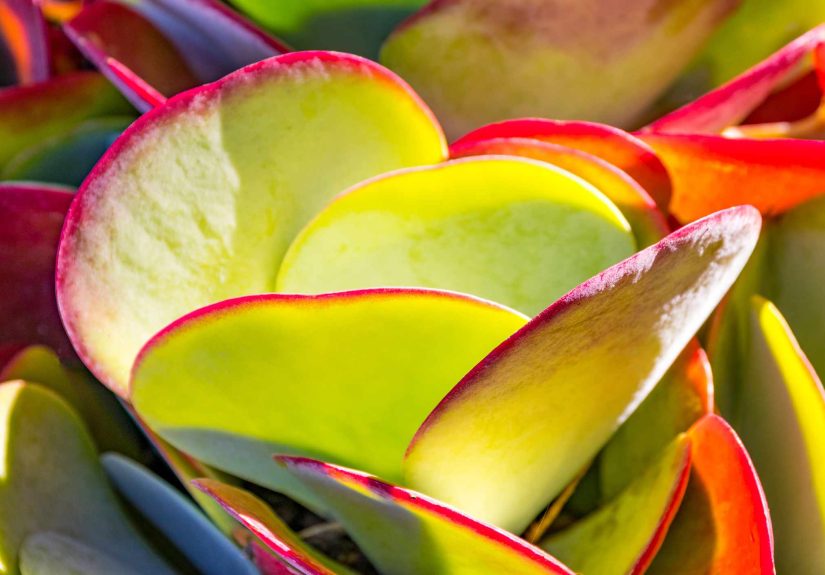
Kalanchoe thyrsiflora is a drought-tolerant succulent grown mainly for its foliage. The leaves form a basal rosette, stacking one over another in a shape that gives the plant its popular “flapjack” nickname. The foliage is usually gray-green to blue-green with a powdery coating, and in bright sun the leaf margins turn rich shades of red or pinkish red.
In warm climates, mature plants can eventually send up a tall flower spike with fragrant yellow blooms. That part is exciting, but there is a twist: the mother rosette is monocarpic, which means it dies after flowering. Before you panic, know this is normal. Mature plants usually produce offsets, so the show continues even after the original rosette bows out like a diva finishing a final encore.
This succulent is best suited to outdoor growing in very mild, frost-free climates. In much of the United States, gardeners grow it in containers so it can spend the warm months outside and the cold months indoors near a bright window.
Best Growing Conditions for Kalanchoe Thyrsiflora
Light: The More Sun, the Better the Blush
If your Kalanchoe thyrsiflora could write its own dating profile, it would say: “Seeking bright light, lots of sunshine, no drama.” This plant performs best in full sun to very bright light. Strong light helps maintain compact growth and brings out the red edging that makes the foliage so striking.
Outdoors, full sun works well in many areas, though gardeners in extremely hot climates may want to provide a little afternoon shade during intense summer heat. Indoors, place it in your sunniest windowsouth-facing is ideal, west-facing is often great, and a dim corner is basically a slow-motion betrayal.
If the plant starts stretching, leaning, or losing its tight rosette shape, that is a classic sign it needs more light. Pale growth and floppy leaves often follow. On the other hand, if a plant that has been sitting in low light is suddenly moved into blazing direct sun, it can scorch. Increase sun exposure gradually so it has time to adjust.
Soil: Fast Drainage Is Non-Negotiable
The fastest way to ruin a healthy paddle plant is to put it in dense, soggy soil. Like other succulents, Kalanchoe thyrsiflora needs a loose, sharply draining potting mix that allows air to reach the roots and excess water to escape quickly.
A cactus or succulent mix is the easiest option. You can also improve drainage by adding extra mineral material such as perlite or coarse sand to a standard succulent mix. Avoid using heavy garden soil in containers, and never assume rocks at the bottom of a pot will “fix” poor drainage. They won’t. That is one of gardening’s most persistent myths, right up there with “this one houseplant can survive in a windowless bathroom forever.”
Temperature and Humidity
Kalanchoe thyrsiflora likes warmth and low humidity. It grows best in typical warm household temperatures and handles dry indoor air quite well. It is not fond of frost, hard freezes, or long periods of chilly wet weather.
If you grow it outdoors in a container, bring it inside before temperatures dip too low. A good rule is to move it indoors before nights regularly drop below about 50°F. Frost can damage leaves quickly, and a hard freeze may collapse the plant entirely.
How to Water Kalanchoe Thyrsiflora
Here is the golden rule: water thoroughly, then wait until the soil dries out before watering again. This is not a “little sip every other day” plant. It wants a deep drink followed by time to breathe.
When you water, soak the potting mix until excess runs out of the drainage hole. Then let the mix dry well before the next watering. In warm, bright conditions, that may mean watering every couple of weeks. In winter or low light, it may be much less often. The exact schedule depends on your climate, pot size, soil, and light levels, which is why watering by calendar is less useful than checking the soil.
Stick your finger into the soil or use a moisture meter if that helps you feel more official. If the mix is still damp, wait. Succulents are far more forgiving of slight underwatering than chronic overwatering.
Signs of Overwatering
- Soft, mushy leaves
- Yellowing foliage
- Drooping despite wet soil
- Blackened stem or crown
- Rotting roots and an overall “uh-oh” vibe
Signs of Underwatering
- Wrinkled or slightly deflated leaves
- Dry potting mix pulling away from the pot edge
- Slower growth during active season
If underwatering is the issue, a deep watering usually perks the plant back up. If overwatering is the problem, the fix is less charming and more surgical: dry things out fast, inspect roots, remove rot, and repot into dry, fresh succulent mix if necessary.
How to Plant and Repot Paddle Plant
Choose a pot with a drainage hole. That detail matters more than the pot color, shape, trend factor, or whether it looks great on social media. Terracotta is especially useful because it dries out faster than plastic or glazed ceramic, which can help prevent soggy roots.
When planting, set the root ball so the crown sits slightly above the soil line rather than buried too deeply. After repotting, wait a short time before watering if roots were disturbed, especially if any damaged roots had to be trimmed. This reduces the risk of rot.
Repot only when needed, such as when offsets crowd the pot, the mix breaks down, or the plant becomes top-heavy. Kalanchoe thyrsiflora does not need frequent repotting, and oversized containers can hold too much moisture.
How to Fertilize Kalanchoe Thyrsiflora
This is not a greedy plant. In fact, too much fertilizer can create weak, overly soft growth that attracts pests and undermines that nice sturdy succulent form. During active growth in spring and summer, feed lightly with a balanced houseplant or succulent fertilizer diluted to half strength. Once a month is usually plenty, and some gardeners fertilize even less.
In fall and winter, reduce or stop feeding, especially if the plant is growing slowly indoors. If you see white crust on the soil or browned leaf tips after fertilizing, that is a hint you may be overdoing it.
How to Propagate Kalanchoe Thyrsiflora
One of the joys of growing this plant is that it can multiply without turning your home into a botanical soap opera. The easiest ways to propagate Kalanchoe thyrsiflora are by offsets and leaf cuttings.
Propagation by Offsets
Offsets are the baby plants that form near the base of a mature plant or along the flowering stalk after bloom. Once an offset is large enough to handle and has some roots of its own, gently separate it and pot it in a small container with dry succulent mix. Wait a little before watering, then water lightly and place it in bright light.
Propagation by Leaf Cuttings
Healthy leaves can also be used to start new plants. Remove a full leaf cleanly, allow the cut end to dry and callus, then place it on or just into dry, well-draining mix. Keep it in bright light and use water sparingly until roots and new growth appear. Rushing this step with lots of moisture is a great way to grow disappointment instead of roots.
Common Problems and How to Fix Them
1. Root Rot
This is the big one. Root rot is almost always tied to excess moisture, poor drainage, or cold wet soil. If the base turns mushy or the leaves collapse, unpot the plant, trim away rotten tissue, let cuts dry, and replant in fresh dry mix.
2. Mealybugs and Scale
These pests are common on succulents and houseplants. Mealybugs look like little bits of white cotton tucked into leaf joints. Scale appears as small bumps stuck to stems or leaves. Isolate the plant, wipe off visible pests, and repeat treatment as needed. Good airflow, moderate feeding, and avoiding chronically stressed plants all help reduce pest pressure.
3. Spider Mites
Spider mites thrive in hot, dry conditions and can cause stippling or dull foliage. If you suspect them, inspect closely and act early. A plant under proper light and watering stress levels is usually better equipped to resist infestation.
4. Leggy Growth
If the rosette opens up, stretches, or leans hard toward the window, the plant needs more light. Rotate the pot regularly indoors and move it to a brighter spot.
5. Frost Damage
Cold injury can turn leaves translucent, mushy, or collapsed. Protect outdoor plants with frost cloth during brief cold snaps, or move container plants indoors before cold weather arrives.
Is Kalanchoe Thyrsiflora Toxic to Pets?
Yes. Like other Kalanchoe species, it should be considered toxic to cats and dogs if eaten. Keep it out of reach of curious pets and small children. If you live with a cat who thinks every leaf is a snack review panel, this plant belongs high up or behind a firm boundary.
Indoor vs. Outdoor Care: What Changes?
Indoor Care
- Give it the brightest window you have
- Water less often in winter
- Rotate the pot for even growth
- Watch for mealybugs and scale
Outdoor Care
- Use a sharply draining soil or raised planting area
- Acclimate slowly to stronger sun if moving it outside
- Protect from prolonged rain and winter cold
- Expect stronger red color with more sun
Quick Care Summary
- Botanical name: Kalanchoe thyrsiflora
- Common names: Paddle plant, flapjack, dog tongue, desert cabbage
- Light: Full sun to very bright light
- Water: Water deeply, then let soil dry out
- Soil: Fast-draining cactus or succulent mix
- Temperature: Warm conditions; protect from frost
- Fertilizer: Light feeding in active growth
- Propagation: Offsets and leaf cuttings
- Main risks: Root rot, mealybugs, scale, frost damage
Final Thoughts
If you like houseplants that ask for very little and give back a lot, Kalanchoe thyrsiflora is an easy favorite. It brings bold shape, color, and texture to containers, sunny patios, and bright indoor spaces without demanding daily attention. The secret is not fancy fertilizer, rare potting ingredients, or a mystical watering ritual performed at dawn. It is simply this: give it strong light, give it fast drainage, and resist the urge to water every time you walk by holding a watering can.
Once you understand that balance, paddle plant becomes delightfully predictable. It grows slowly, colors up beautifully, and often looks better the less you fuss over it. In a world full of dramatic plants, that kind of low-maintenance confidence is refreshing.
Growing Experiences With Kalanchoe Thyrsiflora
Gardeners often describe Kalanchoe thyrsiflora as one of those plants that teaches restraint. People buy it for the foliage, place it in a cute pot, and then the learning begins. A common experience is bringing one home, setting it on a coffee table because it looks fabulous there, and then wondering why it slowly loses color and starts stretching toward the nearest window like it is trying to escape. Once moved into stronger light, the transformation can be dramatic. The rosette tightens, the blue-green tone becomes more pronounced, and the leaf margins start blushing red as if the plant has finally found good lighting for its close-up.
Another very common experience involves watering anxiety. New succulent owners often worry the plant is too dry because the soil feels dry for days, sometimes longer than expected. So they water again “just in case.” Then the leaves soften, the base weakens, and the grower learns the cardinal lesson of paddle plant care: dry soil is not an emergency; soggy roots are. After that first overwatering scare, many people switch to a far better routine. They lift the pot to judge weight, check the mix with a finger, and only water when the plant has truly used what is in the container. The result is a healthier plant and a calmer gardener.
Outdoor growers in warm climates often report the best color when the plant gets several hours of direct sun. In those conditions, Kalanchoe thyrsiflora can look almost painted, with crisp red edges and a chalky bloom over the leaves that gives it a soft, matte finish. But there is also a practical lesson here: a plant that grew indoors all winter cannot be shoved into harsh summer sun overnight without consequences. Many growers have learned this the hard way after seeing bleached patches or sun stress on foliage. The most successful transitions happen gradually over a week or two, especially in hot regions.
People who grow this plant for several years also talk about how satisfying offsets can be. A mature plant may flower and then decline, which can be alarming if you are not expecting the monocarpic habit. But when offsets appear at the base or along the stalk, the whole event feels less like plant tragedy and more like succession planning. In practice, that means one original plant can turn into a small colony over time. Many gardeners end up sharing babies with friends, which is how a lot of succulent collections quietly begin.
Indoors, one of the most useful experiences growers share is how much easier this plant becomes once it is matched with the right container. A terracotta pot with a drainage hole and a gritty succulent mix can solve half the usual problems before they start. The plant dries more evenly, roots get better airflow, and watering mistakes are less punishing. In contrast, decorative pots without drainage tend to produce suspense nobody asked for.
Perhaps the most relatable experience of all is this: Kalanchoe thyrsiflora rewards people who stop hovering. Once gardeners learn to give it light, warmth, and breathing room between waterings, it settles into a rhythm that feels easy. It does not demand constant grooming. It does not faint over a missed watering. It simply grows at its own steady pace, colors up when happy, and proves that sometimes the best plant care is knowing when to leave a good succulent alone.