Table of Contents >> Show >> Hide
- What Is Japanese Aralia?
- Why Gardeners Love Japanese Aralia
- Best Growing Conditions for Japanese Aralia
- How to Plant Japanese Aralia
- Japanese Aralia Care Tips
- How to Propagate Japanese Aralia
- Common Japanese Aralia Problems
- Best Uses for Japanese Aralia in the Garden
- Indoor Japanese Aralia Care
- Is Japanese Aralia Safe Around Pets?
- What Growing Japanese Aralia Is Really Like: Gardener Experiences and Practical Lessons
- Final Thoughts
Japanese aralia is the plant equivalent of showing up to a party in a dramatic green coat and somehow pulling it off. With its huge glossy leaves, tropical texture, and surprisingly easygoing attitude, Fatsia japonica has become a favorite for shady gardens, sheltered patios, and bright indoor corners that need a little personality. If you love plants that look expensive without acting high-maintenance, this one deserves a spot on your shortlist.
Also known as glossy-leaved paper plant, Japanese aralia brings bold structure to spaces where many other plants sulk. It can work as a specimen shrub, a backdrop in a woodland border, a container centerpiece, or a houseplant that makes guests ask, “Wait, what is that?” In the right setting, it is both lush and reliable. That is a rare combination in gardening, where some plants are either divas or wallflowers.
This guide covers how to grow and care for Japanese aralia outdoors and indoors, including the best light, watering schedule, soil, fertilizer, pruning, propagation, and fixes for the most common problems.
What Is Japanese Aralia?
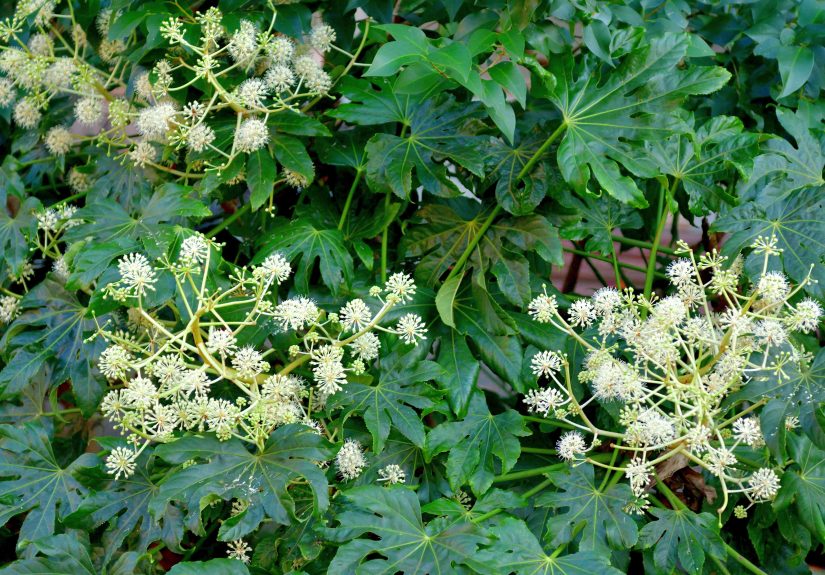
Japanese aralia is an evergreen shrub native to Japan and Korea. It is prized mostly for its foliage: large, leathery, hand-shaped leaves that create a tropical look even in relatively mild climates. Mature plants may also produce creamy white flower clusters in fall, followed by dark ornamental berries. The blooms are not the main attraction, but they are a nice bonus, like fries that accidentally came extra crispy.
Outdoors, Japanese aralia can grow into a substantial shrub in warm, protected conditions. Indoors or in containers, it usually stays more manageable while still looking dramatic. That makes it one of those rare plants that can be equally useful to a landscape designer, a patio gardener, and someone trying to make their entryway look less like a forgotten hallway.
Why Gardeners Love Japanese Aralia
It thrives where other plants struggle
Japanese aralia is especially valuable in part shade to full shade. That makes it a smart option for north-facing beds, spaces beneath taller trees, courtyards, covered porches, and shady foundation plantings.
It adds instant texture
The leaves are big, glossy, and deeply lobed, so even a young plant makes an impact. If your garden feels a little flat or fussy, Japanese aralia adds a bolder, cleaner look without needing flowers to carry the whole show.
It works indoors and out
In mild regions, Japanese aralia shines outdoors year-round. In cooler areas, it adapts well to containers and can be grown as a houseplant. It is one of the easiest ways to get a lush, almost tropical feel without moving to a rainforest or building a conservatory.
Best Growing Conditions for Japanese Aralia
Light
The best light for Japanese aralia is part shade or full shade outdoors. It tolerates bright conditions, but hot direct afternoon sun can scorch the leaves, bleach the color, and leave the plant looking tired. Morning sun is usually less of a problem, especially in cooler climates, but harsh midday and afternoon exposure is where trouble begins.
Indoors, place Japanese aralia in bright, indirect light or a well-lit room with filtered sun. It can handle lower light better than many tropical-looking plants, but very dim corners may lead to slower growth and leggier stems.
Soil
Japanese aralia prefers rich, well-drained soil with plenty of organic matter. It likes moisture, but it does not want to sit in swampy ground. Think “forest floor comfort,” not “wet sponge disaster.”
If your native soil is heavy clay, improve drainage before planting by working in compost and creating a looser planting area. For containers, use a high-quality potting mix that drains well but still holds some moisture. A humus-rich mix is ideal.
Water
Consistent moisture is the sweet spot. Newly planted Japanese aralia needs regular deep watering while it settles in. Established plants still prefer evenly moist soil, especially during warm weather, but they should never stay waterlogged.
When grown in containers, watering becomes even more important because pots dry out faster than garden beds. Check the soil regularly and water when the top layer starts to dry slightly. Indoors, reduce watering in winter when growth slows down. The goal is steady moisture, not an overenthusiastic flood schedule.
Temperature and Hardiness
Japanese aralia is best suited to mild climates. In many gardens it performs best in USDA Zones 8 through 10, though some gardeners in protected Zone 7 locations also grow it successfully. Cold snaps may damage leaves, but established plants can sometimes recover if the stems and roots remain alive.
As a houseplant, Japanese aralia tends to appreciate cooler room temperatures more than many tropical foliage plants. That makes it a nice choice for sunrooms, enclosed porches, and bright rooms that are not kept overly warm.
Humidity and Airflow
Average humidity is often enough, but Japanese aralia does appreciate decent air moisture, especially indoors. At the same time, it benefits from good airflow. Cramped, stuffy conditions combined with wet leaves can invite disease problems, so avoid crowding it into a corner where nothing moves except your regret.
How to Plant Japanese Aralia
Planting outdoors
Plant Japanese aralia in spring or early fall when temperatures are moderate and the soil is workable. Choose a site with shade or filtered light, moist but well-drained soil, and some shelter from strong wind. Those oversized leaves are gorgeous, but they are not built for a wrestling match with constant gusts.
Dig a hole about twice as wide as the root ball and no deeper than the root ball itself. Set the plant so it sits at the same depth it was growing in its nursery container. Backfill gently, water thoroughly, and add mulch around the base to help retain moisture and moderate soil temperature. Keep mulch a little away from the stems rather than piling it up like a tiny volcano.
Planting in containers
Use a pot with drainage holes. This is non-negotiable. A beautiful pot without drainage is just a stylish trap. Fill it with a rich, well-draining potting mix and place the plant where it gets bright shade or filtered light. Container-grown Japanese aralia can be moved seasonally, which is handy in regions with cold winters or wildly dramatic weather.
Japanese Aralia Care Tips
Fertilizer
Japanese aralia is not outrageously hungry, but it does respond well to feeding during the growing season. Outdoors, a balanced slow-release fertilizer in spring is usually enough, with an optional light summer feeding if the plant seems to need a boost. Indoors, use a diluted liquid fertilizer during spring and summer, then ease off in fall and winter.
Do not overfeed. Too much fertilizer can push soft growth that looks exciting for about five minutes and then becomes more vulnerable to problems.
Pruning
Japanese aralia usually does not need constant pruning, which is one more reason busy gardeners appreciate it. Still, it benefits from occasional shaping. Remove damaged, old, or awkward stems in late winter or early spring. This encourages fresh growth and helps maintain a fuller habit.
If the plant gets leggy, cut back a few of the oldest stems to the base or reduce the length of selected stems just above a node. This encourages branching and keeps the shrub denser. For indoor plants, light pruning can also help maintain size and prevent the “friendly octopus” look.
Cleaning the leaves
Because the leaves are so large and glossy, they collect dust indoors. Wipe them occasionally with a damp cloth. This keeps the plant attractive and can also help you spot pests early. Plus, a clean leaf simply looks better. Japanese aralia was born to shine.
Winter care
In borderline climates, protect Japanese aralia from severe cold and drying winter wind. Mulch around the root zone, and if a freeze damages the foliage, resist the urge to panic-prune immediately. Wait until spring to see what growth returns before removing stems that may still be alive.
For container plants in colder areas, move them to a frost-free location before a hard freeze. Indoors, keep them away from heating vents and other dry blasts of air.
How to Propagate Japanese Aralia
Propagation by cuttings
Stem cuttings are the easiest and most reliable method, especially if you want the new plant to look like the parent. Take a healthy cutting from semi-ripe growth in summer, remove the lower leaves, dip the cut end in rooting hormone if you have it, and place it into moist rooting mix or a well-draining potting medium.
Keep the cutting warm, lightly moist, and out of direct sun while it roots. A loose plastic covering can help hold humidity, but do not create a dripping little greenhouse that turns everything mushy. Aim for moist, not miserable.
Propagation by seed
Japanese aralia can also be grown from seed, though it takes more patience and the results may vary slightly from the parent plant, especially with named cultivars. If you are growing a variegated type such as ‘Spider’s Web’ or ‘Variegata,’ cuttings are usually the better choice.
Common Japanese Aralia Problems
Yellow leaves
Yellowing can point to overwatering, poor drainage, or roots sitting too wet for too long. It can also happen when a container is left standing in water. Check the soil before adding more water. If it feels soggy, the plant is asking for better drainage, not another drink.
Brown or scorched leaves
Leaves that look burned, faded, or crispy around the edges often signal too much sun, too much wind, or dry conditions. Move container plants to a more sheltered location and make sure watering is consistent during warm weather.
Leggy growth
If stems stretch and the plant starts looking sparse, it may need a little more light, strategic pruning, or both. Indoors, a plant shoved into a dim corner for months may survive but will not always look thrilled about it.
Pests
Japanese aralia may attract scale, aphids, mealybugs, spider mites, and occasionally thrips, especially indoors or in stressed conditions. Inspect leaves regularly, including the undersides and stems. Many infestations can be controlled early with a strong rinse, insecticidal soap, or horticultural oil used according to label directions.
Spider mites are particularly common when plants are too dry or too sunny. If you see stippling, webbing, or a general faded look, check for mites before assuming the plant is just having a bad week.
Root rot and leaf spot
Poor drainage, crowded conditions, and overhead watering can encourage fungal issues. The best fix is prevention: well-drained soil, smart watering, and enough airflow. Japanese aralia likes moisture, but it still believes in boundaries.
Best Uses for Japanese Aralia in the Garden
Shade garden anchor
Use Japanese aralia as a focal point in a shaded bed where finer-textured plants need a visual contrast. It pairs beautifully with ferns, hostas, cast iron plant, hellebores, and other shade lovers.
Foundation planting
Its broad evergreen foliage makes it useful near walls, entryways, and sheltered foundations. Just give it enough room to mature so it does not end up looking like it is trying to swallow the front walk.
Container statement plant
In a large pot, Japanese aralia creates instant structure on a shady patio or porch. It also mixes well with trailing companions or smaller foliage plants if you want a layered container design.
Coastal or mild-climate gardens
In some coastal and warm regions, Japanese aralia is especially valuable because it handles shade well and can tolerate conditions that frustrate fussier ornamentals.
Indoor Japanese Aralia Care
As a houseplant, Japanese aralia is surprisingly charming. Give it bright, indirect light, a pot with excellent drainage, and room temperatures that are comfortable but not overly hot. Water when the top of the potting mix begins to dry slightly, then let excess water drain away.
Repot when the plant becomes rootbound or dries out far too quickly between waterings. Go up only one container size at a time. A giant pot may seem generous, but too much extra soil can stay wet longer than the roots want. Generosity is lovely in friendships and desserts, less so in pot size.
If indoor air is very dry, occasional leaf cleaning and moderate humidity can help keep the foliage looking its best. Watch closely for spider mites, mealybugs, and scale, which tend to appear when houseplants are stressed or dusty.
Is Japanese Aralia Safe Around Pets?
Japanese aralia is generally considered non-toxic to dogs, cats, and horses. That said, “non-toxic” is not the same as “snack recommended.” It is still best to discourage pets from chewing ornamental plants, both for the plant’s sake and because upset stomachs are not exactly a fun evening for anyone involved.
What Growing Japanese Aralia Is Really Like: Gardener Experiences and Practical Lessons
One of the most common experiences gardeners report with Japanese aralia is that they buy it for the leaves and keep it because of the attitude. It has a bold, architectural look, but it does not demand the kind of endless pampering some dramatic plants seem to require. Once it is in the right spot, many people find that it settles in and becomes one of those quietly dependable plants that makes the rest of the garden look better.
Another shared experience is surprise at just how much the location matters. Put Japanese aralia in gentle shade with decent soil and regular moisture, and it looks glossy, lush, and almost tropical. Put the same plant in blasting afternoon sun or a windy corner, and suddenly it looks like it has had a rough semester. Gardeners often learn quickly that this is not a plant for “close enough” conditions. It wants the right place more than it wants constant intervention.
People also tend to notice that Japanese aralia becomes more attractive over time. A young plant is striking, but a mature one has presence. The stems thicken, the leaves become more plentiful, and the whole shrub starts to anchor the space around it. In shady gardens, that kind of growth can feel like a victory because shade plants are sometimes subtle to the point of invisibility. Japanese aralia is not subtle. It is the friend who enters the room wearing emerald satin and somehow still seems tasteful.
Container growers often say the plant teaches them restraint. It likes moisture, yes, but not constant saturation. Many gardeners start out loving it a little too hard with frequent watering, then realize the plant does better when the soil stays evenly moist rather than wet all the time. The lesson is simple: check the soil, trust the plant, and stop hovering with the watering can like an anxious stage parent.
Indoor growers frequently mention how much they enjoy the visual payoff. Japanese aralia can transform an entryway, stair landing, or bright corner into something that feels finished. It reads as lush without being messy. Still, it also teaches observation. If the leaves start dulling, drooping, or attracting spider mites, the plant is usually signaling a care issue before things get serious. In that sense, it is a good “listen to your plant” teacher for people who want to improve their houseplant skills.
Gardeners in colder regions often describe Japanese aralia as a plant of compromise and creativity. They may grow it in a large pot outdoors through the warm months, then move it to protection in winter. Others place it in a sheltered microclimate near walls or under overhead cover. There is a certain satisfaction in finding that sweet spot where a plant that seems borderline suddenly thrives. It feels a little like winning an argument with the weather, which is one of gardening’s great emotional rewards.
Perhaps the biggest practical lesson from long-term growers is this: Japanese aralia is not hard to grow, but it does reward attention to the basics. Right light, right drainage, right moisture, and a little pruning now and then go a very long way. Get those fundamentals right, and the plant does the glamorous part on its own. That is a pretty fair deal in any garden.
Final Thoughts
Japanese aralia is one of the best evergreen foliage plants for shade, shelter, and dramatic texture. It brings a tropical look without demanding tropical drama, adapts well to containers and indoor life, and rewards smart placement more than constant fussing. Give it moist but well-drained soil, protection from harsh sun and wind, and occasional pruning, and it can become one of the most memorable plants in your collection.
If your garden has a shady spot that feels uninspired, or your home has a bright corner begging for something bold, Japanese aralia may be exactly the leafy answer you have been looking for.