Table of Contents >> Show >> Hide
- What Is the Italian Beard Style?
- Who Looks Best With an Italian Beard?
- How Long Should Your Beard Be?
- Tools You Need for the Italian Beard Style
- Step-by-Step: How to Get the Italian Beard Style
- Expert Barber Tips for a Better Italian Beard
- Beard Care: How to Keep the Style Looking Healthy
- Common Mistakes to Avoid
- Italian Beard Style Variations
- Experience Notes: What It Feels Like to Grow and Maintain an Italian Beard
- Conclusion
The Italian beard style is not just facial hair; it is facial architecture with espresso confidence. It says, “I own a linen shirt, I know where the good olive oil is, and yes, my neckline is intentional.” In practical grooming terms, the Italian beard is a polished, masculine beard style that blends a full or short boxed shape with sharp lines, a tidy mustache, and a slightly sculpted jaw. It should look effortless, but make no mistake: the “effortless” part requires a trimmer, a mirror, and the emotional maturity not to shave too high under the chin.
This guide explains how to get the Italian beard style at home or with your barber, including the right beard length, neckline placement, cheek line shaping, mustache trimming, fading, beard care, and styling products. Whether you want a clean corporate version or a bolder Mediterranean-inspired full beard, the goal is the same: controlled fullness, clean edges, and a finish that looks refined without looking painted on.
What Is the Italian Beard Style?
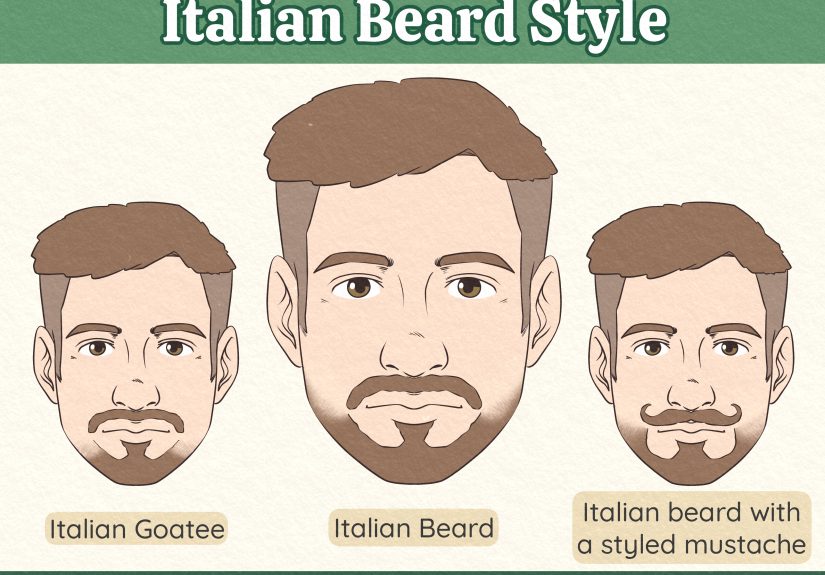
The Italian beard style usually refers to a neat, full-looking beard with defined cheek lines, a clean neckline, and enough density around the chin and jaw to frame the face. It is not a wild mountain-man beard, and it is not barely-there stubble. Think short boxed beard meets classic European grooming: strong shape, natural texture, and carefully trimmed edges.
The style works because it balances two ideas. First, it keeps enough beard volume to create masculine structure. Second, it uses clean barbering details to avoid looking messy. The best Italian beard does not scream for attention. It quietly enters the room, orders a macchiato, and somehow makes everyone else consider buying a better jacket.
Key Features of the Italian Beard
- Defined cheek line: Clean but not carved too low.
- Sharp neckline: Usually placed above the Adam’s apple and curved naturally from ear to ear.
- Fuller chin and jaw: Adds strength and structure to the face.
- Tidy mustache: Connected to the beard or softly blended, never drooping into lunch.
- Natural finish: Groomed, not overly artificial.
- Optional fade: Sideburns can taper into the haircut for a modern barbered look.
Who Looks Best With an Italian Beard?
The good news: the Italian beard style is flexible. It can work on oval, square, round, rectangular, and diamond face shapes. The trick is adjusting the length and lines to flatter your natural structure.
For Round Faces
Keep the cheeks slightly shorter and leave a bit more length at the chin. This creates a lengthening effect and helps the face look more angular. Avoid a beard that is equally round everywhere, unless your grooming goal is “friendly soccer ball.”
For Square Faces
You already have a strong jaw, so do not overbuild the sides. Keep the beard neat at the cheeks and soften the corners slightly. A short boxed Italian beard looks especially sharp on square faces because it enhances the jaw without making it look blocky.
For Long or Rectangular Faces
Avoid adding too much length at the chin. Instead, keep the bottom balanced and allow a little fullness along the sides. This helps the face appear more proportional.
For Patchy Beards
Choose a shorter Italian-inspired beard, such as heavy stubble or a short boxed version. Shorter lengths make uneven areas less obvious, while clean cheek and neck lines give the beard a deliberate style.
How Long Should Your Beard Be?
For most men, the Italian beard style looks best somewhere between heavy stubble and a short full beard. A practical starting range is about 6 mm to 12 mm on the cheeks and jaw, with slightly more length at the chin if you want a stronger profile. If your beard is very dense, you may look polished at a shorter length. If your beard is lighter or curlier, you may need extra growth to create the same visual fullness.
If you are starting from a clean shave, give yourself at least two to four weeks of growth before shaping the final style. Resist the urge to sculpt everything too early. Early beard growth can look suspiciously like a bad decision, but patience is part of the process. Let the density arrive before you judge the final shape.
Tools You Need for the Italian Beard Style
You do not need a bathroom that looks like a barber supply warehouse, but a few quality tools make the difference between “Italian gentleman” and “I trimmed this during a power outage.”
- Adjustable beard trimmer: For setting the main length.
- Detail trimmer or edger: For cheek lines, neckline, and mustache edges.
- Small grooming scissors: For stray hairs and mustache control.
- Beard comb: For guiding hair before trimming.
- Boar bristle brush: For training the beard and distributing oil.
- Razor or foil shaver: For cleaning bare skin around the beard.
- Beard oil or light balm: For softness, shine, and skin comfort.
Step-by-Step: How to Get the Italian Beard Style
Step 1: Wash and Dry Your Beard
Always trim your beard when it is clean and dry. Wet hair can stretch and appear longer, which may lead you to cut too much. Wash with a gentle beard wash or mild cleanser, rinse well, and dry completely. Then comb the beard downward and outward so you can see its true shape.
Step 2: Set the Main Beard Length
Start with a longer guard than you think you need. This is the golden rule of beard trimming: you can always take more off, but you cannot apologize hair back onto your face. Begin around 10 mm or 12 mm if you have a medium beard, then gradually reduce the guard until the beard looks even and intentional.
Trim with the grain first to reduce tugging and irritation. If your beard is very thick, you can lightly go against the grain afterward, but use a longer guard and a gentle hand. The Italian beard should look dense, not scalped.
Step 3: Shape the Cheek Line
The cheek line is one of the most important parts of the Italian beard style. A natural cheek line gives a rugged look, while a sharper cheek line creates a cleaner, more elegant finish. For this style, aim for clean but believable.
A useful guide is to imagine a line from the top of your sideburn area toward the corner of your mouth. Remove stray hairs above that line with a detail trimmer or razor. Do not drop the cheek line too low, because that can make the beard look thin and dated. The best cheek line follows your natural growth pattern while removing the chaotic little hairs that appear to be making independent life choices.
Step 4: Define the Neckline
The neckline can make or break this beard. Too low, and the beard looks unfinished. Too high, and you create the dreaded floating chinstrap effect. As a starting point, place one or two fingers above your Adam’s apple. That area is usually close to where the lowest point of your neckline should sit.
From there, imagine a soft curve running from behind one ear, dipping slightly above the Adam’s apple, and rising to the other ear. Trim everything below that curve. Keep the line clean, but not harshly geometric. The neckline should support the jaw, not look like it was designed with office software.
Step 5: Build a Strong Jaw Shape
The Italian beard style usually benefits from a little extra weight along the jaw and chin. If your face is round, keep the chin slightly longer. If your face is long, reduce chin length and keep the sides fuller. If your jaw is already sharp, maintain a balanced short boxed shape.
Use the trimmer guard to blend the sides into the chin. Then use scissors to snip any hairs that stick out from the outline. Work slowly and check both sides often. Beards are cousins, not twins, but they should at least look like they attend the same family reunion.
Step 6: Trim the Mustache
A proper Italian beard needs a mustache that looks controlled. Comb the mustache downward, then trim hairs that fall over the upper lip. You can keep the mustache connected to the beard for a fuller look or define it slightly for more character.
Avoid cutting the mustache too short compared with the beard. A tiny mustache sitting above a full beard can look unbalanced. Instead, keep it tidy, shaped, and proportional.
Step 7: Fade the Sideburns
A modern Italian beard often includes a soft fade from the sideburns into the beard. This is where a barber earns their applause. The fade connects your haircut to your facial hair and prevents the beard from looking like a separate accessory clipped onto your face.
At home, use a slightly shorter guard near the sideburns, then blend into your main beard length as you move downward. For example, if your beard is 10 mm, you might use 6 mm or 8 mm near the sideburns. Keep the transition smooth and subtle.
Expert Barber Tips for a Better Italian Beard
Ask for a Short Boxed Beard With Italian-Inspired Lines
If your barber does not immediately recognize “Italian beard style,” describe the look instead. Ask for a short boxed beard with a clean neckline, natural defined cheek line, tidy mustache, and tapered sideburns. Bring a reference photo if possible. Barbers love clarity almost as much as they love clients who do not move while clippers are near their ears.
Keep the Neckline Lower Than You Think
Many men shave too high under the jaw. This can make the beard look smaller and less masculine from the side. A good Italian beard supports the underside of the chin and jaw. Keep the neckline high enough to look clean, but low enough to preserve structure.
Do Not Over-Sharpen the Cheeks
Razor-sharp cheek lines can look great in photos, but they may look severe in daily life. For a natural Italian style, clean the stray hairs while keeping the cheek line close to your natural growth. The result feels refined, not drawn on.
Trim Every Few Days, Reshape Every Two Weeks
Clean up the neckline and cheek line every two to four days, depending on how fast your beard grows. Do a full shape-up every one to two weeks. If you visit a barber, schedule maintenance every two to four weeks to keep the fade and outline fresh.
Beard Care: How to Keep the Style Looking Healthy
A beard can have perfect lines and still look bad if the hair is dry, flaky, or rough. The Italian beard style depends on healthy texture. You want softness, light shine, and skin that does not feel like it is filing a formal complaint.
Wash, But Do Not Overwash
Wash your beard two to four times per week, or more often if you sweat heavily. Use a gentle beard wash instead of harsh body soap. Overwashing can strip natural oils, leaving the beard dry and frizzy.
Use Beard Oil
Beard oil helps soften coarse hair, add a healthy finish, and moisturize the skin underneath. Apply a few drops after washing or showering, when the beard is slightly damp. Work it down to the skin with your fingertips, then brush or comb the beard into place.
Add Balm for Control
If your beard has flyaways, use a small amount of beard balm. Balm gives light hold and helps the beard keep its shape through the day. Start with less than you think you need. Too much balm can make the beard look greasy, and nobody wants facial hair that resembles a glazed pastry.
Protect Sensitive Skin
If you are prone to razor bumps or ingrown hairs, shave with the grain, use a lubricating shave gel, avoid stretching the skin, and consider cleaning the edges with an electric trimmer instead of shaving extremely close. If irritation continues, pause close shaving and speak with a dermatologist.
Common Mistakes to Avoid
Mistake 1: Shaving the Neckline Too High
This is the classic beard crime. A neckline placed directly under the jaw can make the beard disappear when you turn your head. Keep the lowest point around one or two fingers above the Adam’s apple and curve upward toward the ears.
Mistake 2: Cutting the Cheek Line Too Low
A low cheek line can make the beard look thin. Remove strays, but preserve natural density. The Italian beard should look confident, not nervous.
Mistake 3: Ignoring the Mustache
The mustache is part of the design. Trim the lip line and remove hairs that fall into your mouth. A great beard loses points quickly when the mustache starts stealing soup.
Mistake 4: Using Too Much Product
Beard oil and balm should improve the finish, not announce themselves from across the room. Use a small amount, distribute evenly, and add more only if needed.
Mistake 5: Expecting Symmetry in One Pass
Beard shaping is a slow adjustment process. Trim a little, check the mirror, comb, and repeat. Rushing is how one cheek line ends up in Florence and the other in New Jersey.
Italian Beard Style Variations
The Short Italian Beard
This version is close to a short boxed beard. It is professional, easy to maintain, and ideal for men who want sharp style without heavy length. Keep the beard around 5 mm to 10 mm and maintain clean edges.
The Classic Full Italian Beard
This style uses more fullness around the jaw and chin. It works well for dense beard growth and pairs nicely with medium-length hair, slick backs, textured crops, or classic side parts.
The Italian Beard Fade
The beard fade blends sideburns smoothly into the beard. It is modern, clean, and especially strong with a skin fade, taper fade, or textured haircut.
The Italian Stubble Beard
If you prefer low maintenance, try heavy stubble with Italian-style edges. Trim evenly, define the neckline, clean the cheeks, and moisturize. It is simple, sharp, and less demanding than a fuller beard.
Experience Notes: What It Feels Like to Grow and Maintain an Italian Beard
Growing an Italian beard style is less like flipping a switch and more like training a small, stubborn garden on your face. The first week is easy. You feel rugged. You glance in the mirror and think, “This is working.” Then week two arrives, and suddenly the beard enters its awkward teenage phase. Hairs point in different directions. The neckline looks fuzzy. The mustache starts behaving like it has political ambitions. This is where most men panic and trim too much.
The best experience comes from waiting until there is enough growth to shape. Once the beard has filled in, the transformation can be dramatic. Cleaning the neckline alone can make the entire beard look intentional. Defining the cheek line adds polish. Trimming the mustache opens the face. Suddenly, the same beard that looked lazy yesterday looks stylish today. That is the power of structure.
One of the biggest lessons is that the Italian beard style rewards consistency more than perfection. You do not need a full barber session every morning. You need small habits: brush the beard after a shower, apply a few drops of oil, clean the neck before it gets woolly, and trim flyaways before they form a rebellion. Two minutes of daily attention can prevent twenty minutes of emergency repair before a date, meeting, or family photo where your aunt will absolutely comment.
Another real-world lesson: lighting matters. A beard that looks perfect in a dim bathroom can reveal surprise patches in daylight. Always check your lines in natural light when possible. Also, use more than one mirror angle. The front view may look sharp while the side view tells a different story. The Italian beard is especially dependent on profile shape, because the jawline and chin length create much of the style’s impact.
Product choice also changes the experience. A dry beard feels scratchy and looks wider than it really is. A lightly oiled beard sits better, reflects light naturally, and feels softer. Balm helps if your beard grows outward instead of downward. However, too much product can make the beard heavy. The goal is touchable and controlled, not shiny enough to signal ships.
Visiting a barber at least once for the first shape-up is worth it. A skilled barber can map the neckline, balance the cheek line, fade the sideburns, and show you where to maintain the edges at home. After that, upkeep becomes much easier. Think of the barber as setting the blueprint; your job is keeping the building from turning into an abandoned villa.
The most satisfying part of the Italian beard style is how versatile it feels. It works with a T-shirt, a suit, a leather jacket, or a casual weekend outfit. It makes the face look more deliberate. It can sharpen a soft jaw, mature a baby face, or add refinement to an already strong profile. And when it is maintained well, it gives that rare grooming effect where people notice you look better without immediately knowing why.
Conclusion
The Italian beard style is all about balance: full but controlled, sharp but natural, masculine but polished. To get it right, grow enough length, trim gradually, define the cheek line, place the neckline correctly, keep the mustache tidy, and use beard oil or balm for a healthy finish. The best version is not copied perfectly from someone else’s face. It is adjusted to your face shape, beard density, hair texture, and lifestyle.
If you want the safest route, ask your barber for a short boxed beard with clean Italian-inspired lines, a natural cheek line, a curved neckline, and tapered sideburns. Then maintain it at home with small, regular touch-ups. Done well, the Italian beard style delivers exactly what good grooming should: confidence, character, and the subtle impression that you have your life togethereven if your laundry says otherwise.