Table of Contents >> Show >> Hide
- First, a Quick Reality Check: Yellow Doesn’t Always Mean Fungus
- The Most Common Cause: Toenail Fungus (Onychomycosis)
- Other Causes of Yellow Toenails (That Aren’t Fungus)
- How to Get Rid of Yellow Toenails: Treatments That Actually Help
- How Long Until Yellow Toenails Look Normal Again?
- Prevent Yellow Toenails from Coming Back
- When to See a Doctor (Don’t Wait on These)
- Bottom Line
- Real-World Experiences: What People Commonly Notice, Try, and Learn
- Experience #1: “I thought it was just an old pedicure… until my nail got thick.”
- Experience #2: “I tried every home remedy in my kitchen… and the nail was still yellow.”
- Experience #3: “The medicine worked… but the nail still looked gross for months.”
- Experience #4: “I’m a runner, and my big toenail always looks… questionable.”
- Experience #5: “I have diabetes, and my doctor cared way more than I expected.”
If your toenails have started drifting into the “banana peel” color palette, you’re not aloneand you’re not doomed to closed-toe shoes forever.
Yellow toenails are common, usually fixable, and often caused by something pretty straightforward (hello, toenail fungus). But sometimes the color change
is your body’s way of saying, “Hey, pay attention down here.”
This guide breaks down the most likely causes, how to tell what you’re dealing with, and which treatments actually work (plus which ones are mostly
wishful thinking). Expect practical steps, realistic timelines, and a few jokesbecause if we have to talk about toenails, we might as well keep it light.
First, a Quick Reality Check: Yellow Doesn’t Always Mean Fungus
Yellow toenails can come from several sources. The trick is to look for clues beyond colorlike thickness, texture, smell, and whether the nail is lifting
away from the nail bed.
A fast “spot the difference” checklist
- Mostly surface staining + normal nail shape: often nail polish pigment, tanning products, or frequent acetone use.
- Yellow + thick + crumbly edges or debris under the nail: classic pattern for fungal nail infection (onychomycosis).
- Yellow + nail lifting + pitting or “oil drop” patches: can point toward nail psoriasis.
- Yellow nails + swelling in legs or breathing issues: rare, but could suggest yellow nail syndrome (needs medical evaluation).
- Yellow after trauma (tight shoes, running, toe stubs): nail damage can discolor or thicken nails and can also invite fungus later.
The goal isn’t to self-diagnose with 100% certaintyit’s to pick the smartest next step. If you’re unsure, a clinician can test a nail clipping or scraping
to confirm (or rule out) fungus before you commit to months of treatment.
The Most Common Cause: Toenail Fungus (Onychomycosis)
What it looks (and feels) like
Toenail fungus often starts smalla pale or yellow spot near the tipthen spreads deeper. As it progresses, the nail may thicken, turn yellow-brown,
become brittle or ragged, and sometimes lift from the nail bed. You might notice a chalky buildup or debris under the nail.
Why it happens
Fungi love warm, dark, damp environments. If your feet spend long hours in sweaty shoes (or you frequent locker rooms, pools, or communal showers),
fungus can take advantage of tiny cracks in the nail or surrounding skin. Athlete’s foot can also spread into the nail.
Who’s more likely to get it
- Older adults (nails grow slower; years of micro-trauma add up)
- People with athlete’s foot, sweaty feet, or frequent exposure to moist public areas
- Those with diabetes, circulation issues, or a weakened immune system
- Runners and athletes (repetitive toe trauma + sweaty shoes = fungus paradise)
- Anyone who shares nail tools or gets pedicures where sterilization is questionable
How clinicians confirm it (and why that matters)
Many nail problems look alike. Thick, yellow nails can come from fungus, psoriasis, trauma, and more. A clinician may take a small nail sample and do
lab testing (like microscopy or culture) to confirm fungus before prescribing certain medications. This is especially important if you’re considering oral
antifungals, since treatment takes weeks and isn’t right for everyone.
Other Causes of Yellow Toenails (That Aren’t Fungus)
1) Nail polish staining and cosmetic discoloration
Dark polishes (especially reds, oranges, deep blues, and blacks) can stain the nail plateparticularly if you skip a base coat or keep polish on
continuously. The nail usually stays smooth and normal thickness. Good news: staining grows out with the nail, and a polish break helps.
2) Trauma and pressure from footwear
Tight toe boxes, long runs, hiking descents, or repeated toe stubbing can cause nail thickening and discoloration. Sometimes the nail lifts slightly,
creating a cozy pocket where fungus later moves in. Think of trauma as the “open door” even if fungus is the “unwanted houseguest.”
3) Nail psoriasis
Psoriasis can affect nails even when skin symptoms are mild. You may see pitting (tiny dents), lifting of the nail, crumbling, thickening, and
yellow-red patches underneath the nail that can look like an “oil drop” stain. These changes can mimic fungus, and sometimes both problems occur together.
4) Smoking-related staining
Nicotine and tar can stain nails yellow over time. This is more obvious on fingernails in many people, but staining and overall nail discoloration can show
up in different ways depending on habits and exposure.
5) Yellow nail syndrome (rare but important)
Yellow nail syndrome is uncommon, but it’s worth mentioning because it involves more than nails. It can cause thick, yellow, curved nails and may be linked
with swelling (lymphedema) and respiratory issues like chronic cough or fluid around the lungs. If yellow nails come with swelling or breathing symptoms,
get evaluated promptly.
How to Get Rid of Yellow Toenails: Treatments That Actually Help
Step 1: Decide if it’s staining or an infection
If your nail is smooth, not thick, and the yellowing started after heavy polish use, start with a polish break and gentle nail care. If the nail is thick,
brittle, crumbly, lifting, or multiple nails are involved, assume fungus is possible and consider confirmation testingespecially before oral medication.
For nail polish staining
- Stop polish for a few weeks: let the nail grow and “air out” (yes, nails don’t breathebut breaks reduce ongoing pigment exposure).
- Use a base coat going forward: it’s like a raincoat for your nail plate.
- Gentle buffing: light buffing can reduce surface stains, but don’t overdo it (thin nails are cranky nails).
- Moisturize: cuticle oil or a simple moisturizer helps counteract drying from removers.
Avoid harsh DIY “whitening” routines that involve frequent strong acids or concentrated peroxide. They can dry, weaken, and irritate nails and surrounding skin.
For fungal toenails: what works best
1) Nail trimming, thinning, and debridement
Keeping nails trimmed and gently thinned helps reduce pressure in shoes and can make topical treatments penetrate better. Some clinicians or podiatrists
can debride thickened nails safely, especially when nails are very painful or difficult to cut at home.
2) Prescription topical antifungals (best for mild-to-moderate cases)
Topical treatments are usually used when the infection is limited (for example, part of the nail, not deeply involving the nail matrix).
Options may include medicated lacquers or solutions applied daily for months. They tend to have fewer systemic side effects but can be less effective
than oral therapy for severe disease.
- Ciclopirox: a medicated lacquer/solution used with regular trimming.
- Efinaconazole or tavaborole: topical solutions used for certain fungal toenail infections.
3) Oral antifungals (often most effective, especially for stubborn infections)
Oral antifungal medication is often the most effective approach for toenail fungusparticularly when multiple nails are involved or the nail is quite thick.
A common first-line option is terbinafine, typically taken daily for about 12 weeks for toenails. Itraconazole is another option in some cases.
Important: oral antifungals can interact with other medications and can affect the liver. Clinicians may order liver function tests before and during treatment,
and they’ll help decide if oral medication is appropriate for you.
4) What about over-the-counter antifungal creams?
Over-the-counter antifungal creams and ointments can help athlete’s foot on the skin, but they usually don’t penetrate the hard nail plate well enough
to treat nail infections. If you’re dealing with nail fungus, the “skin cream on a nail” approach often ends in disappointment.
5) Laser therapy and nail removal
Laser treatments are sometimes offered, but results can vary and they may be less effective than medication. In severe or resistant cases, partial or complete
nail removal may be considered (sometimes combined with antifungal therapy) to give new nail growth a better chance.
If nail psoriasis is the cause
Nail psoriasis treatment depends on severity and may involve topical medications, injected treatments near the nail, or systemic therapiesespecially if
psoriasis affects skin or joints. Because psoriasis and fungus can look similar (and occasionally overlap), confirmation testing can save time and frustration.
How Long Until Yellow Toenails Look Normal Again?
This is the part no one loves: nails grow slowly, and toenails are the tortoises of the nail world.
- If fungus is treated successfully: the fungus may clear in weeks, but discoloration can linger until the damaged nail grows out.
- Expect a long grow-out: it can take a year or longer for a toenail to fully grow out and look “new” again.
- Watch the base: improvement usually shows first as clearer nail growth near the cuticle. The old yellow section has to move forward and be trimmed away.
Translation: progress is real, but it’s not instant. If you want a quick win, focus on comfort and nail thickness firstbecause a thinner, smoother nail often feels better
even before the color is perfect.
Prevent Yellow Toenails from Coming Back
Recurrence is common, so prevention matters as much as treatment. Think of it as creating an anti-fungus lifestylenot a fungus-friendly vacation rental.
- Keep feet clean and dry: dry between toes after bathing; change socks daily (or more often if you sweat a lot).
- Choose breathable footwear: rotate shoes so they can dry out; consider moisture-wicking socks.
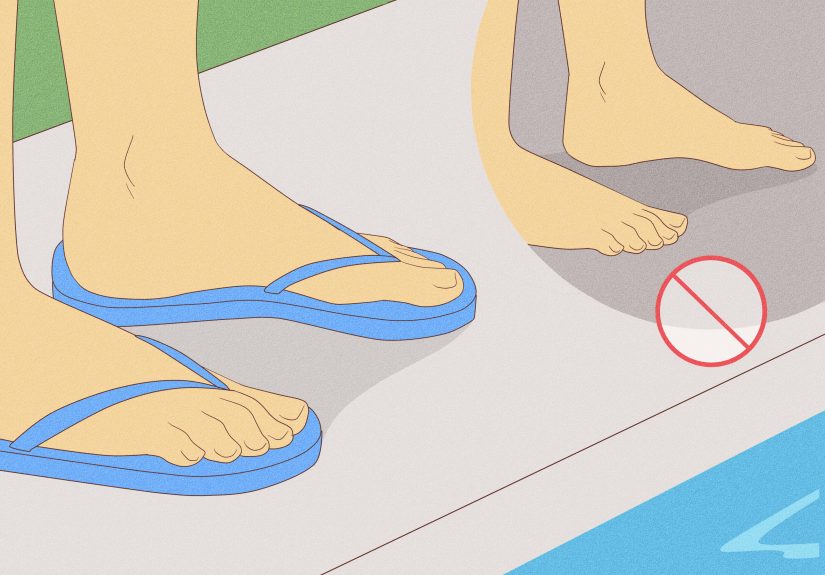
- Wear shower shoes: in locker rooms, public showers, pools, and gym bathrooms.
- Don’t share nail tools: clippers, files, and pumice stones should be personallike toothbrushes.
- Check your feet regularly: especially important for people with diabetes or reduced sensation.
- Treat athlete’s foot early: fungus on skin can spread to nails and keep reinfecting you.
- Use a base coat for polish: reduces pigment staining and makes polish breaks more effective.
When to See a Doctor (Don’t Wait on These)
Yellow nails are often a “schedule an appointment” issue, not an “ER right now” issuebut there are exceptions.
- You have diabetes, poor circulation, or immune suppression and notice nail changes or foot skin breakdown.
- Pain, swelling, warmth, redness, pus, or a foul smell around the nail (possible bacterial infection).
- The nail is lifting a lot or you can’t trim it safely.
- Rapid change, dark streaks, bleeding, or pigment spreading to the surrounding skin (needs prompt evaluation).
- Yellow nails plus leg swelling or breathing symptoms (rule out systemic conditions, including rare yellow nail syndrome).
If you’re considering oral antifungals, clinical evaluation is also smart to confirm the diagnosis and review medication interactions and safety.
Real-World Experiences: What People Commonly Notice, Try, and Learn
Let’s talk about the part that doesn’t show up on a medication label: the day-to-day experience of dealing with yellow toenails. While everyone’s situation is different,
certain patterns come up again and again in clinics and in the “I thought it was nothing” stories people share with family and friends.
Here are some common experienceswritten as realistic scenariosso you can recognize yourself and choose a smarter next step.
Experience #1: “I thought it was just an old pedicure… until my nail got thick.”
A lot of people first notice yellowing after weeks of polishespecially darker colors. The nail looks stained but feels normal, so they ignore it. Months later,
the nail starts thickening at the tip, becomes harder to cut, and develops a rough edge. That’s often when the suspicion shifts from “cosmetic” to “maybe fungal.”
The big lesson: if the nail changes texture (thick, brittle, crumbly) or starts lifting, it’s worth getting checked rather than endlessly cycling through polish breaks
and hoping it magically resets.
Experience #2: “I tried every home remedy in my kitchen… and the nail was still yellow.”
The internet is packed with DIY ideassoaks, scrubs, and miracle oils. People often try them diligently for a couple of weeks. The problem is that nails grow slowly.
Even if something helps, you’re not going to see overnight transformation. Another common issue: many DIY methods focus on whitening the visible nail rather than treating
the underlying cause. If fungus is present, surface brightening won’t erase the infection. The takeaway: home care is most useful for comfort (keeping nails trimmed,
reducing thickness) and for prevention (dry feet, clean socks, breathable shoes). For actual fungal cure, prescription therapy is often needed, and it takes time.
Experience #3: “The medicine worked… but the nail still looked gross for months.”
This one is surprisingly emotional. People start a proven treatment, symptoms improve, and then they look down and think, “Why is it still yellow?”
In many cases, the fungus clears before the nail looks normal, because the damaged portion must grow out. The “win” shows up as clear growth at the base,
while the old yellow area slowly migrates forward. The best mindset shift: stop judging success by the tip of the nail (the past) and start watching the base
(the present). Taking a monthly photo can help you see progress your eyes might miss day to day.
Experience #4: “I’m a runner, and my big toenail always looks… questionable.”
Runners, hikers, and people who wear tight work boots often experience nail trauma. The nail can thicken, turn yellow, or lift slightly. Sometimes it’s just repeated
pressure. Other times, the damaged nail becomes a perfect entry point for fungus. Many people find that changing footwear (wider toe box, better fit),
trimming nails straight across, and reducing chronic toe impact makes a dramatic differencesometimes as much as medication. If your nail problems line up with a
new training plan, a new job with heavy boots, or long periods in sweaty shoes, don’t underestimate the power of fixing the “environment.”
Experience #5: “I have diabetes, and my doctor cared way more than I expected.”
People with diabetes often assume yellow nails are just a cosmetic nuisance, but clinicians treat nail and foot infections more seriously in this group because even small
skin breaks can become bigger problems when circulation or sensation is reduced. The experience many people report is a shift from “annoying” to “important” once they learn
that preventing secondary infections matters. The practical lesson: daily foot checks, early treatment, and help with safe nail trimming aren’t overkillthey’re smart.
If there’s a unifying theme in these experiences, it’s this: yellow toenails are rarely a one-day fix, but they’re often a very solvable problem when you match the treatment
to the cause and give the nail time to grow out.