Table of Contents >> Show >> Hide
- Can You Compost Wine Corks?
- Why Natural Cork Belongs in Compost
- How to Compost Wine Corks at Home
- What Not to Do
- Can You Put Wine Corks in Municipal Compost?
- Composting vs. Recycling Wine Corks
- Best Composting Setups for Wine Corks
- Troubleshooting Common Problems
- The Bottom Line on Composting Wine Corks
- Experience Notes: What It’s Actually Like to Compost Wine Corks
- SEO Tags
If you enjoy the occasional bottle of wine, you’ve probably had this tiny moment of domestic suspense: the cork pops, dinner begins, and later you’re left staring at that stubby little stopper like it has personally challenged your sustainability values. Too small to feel important, too natural-looking to seem like trash, and too weirdly useful to toss without guilt. The good news? Real wine corks do not have to head straight to the landfill.
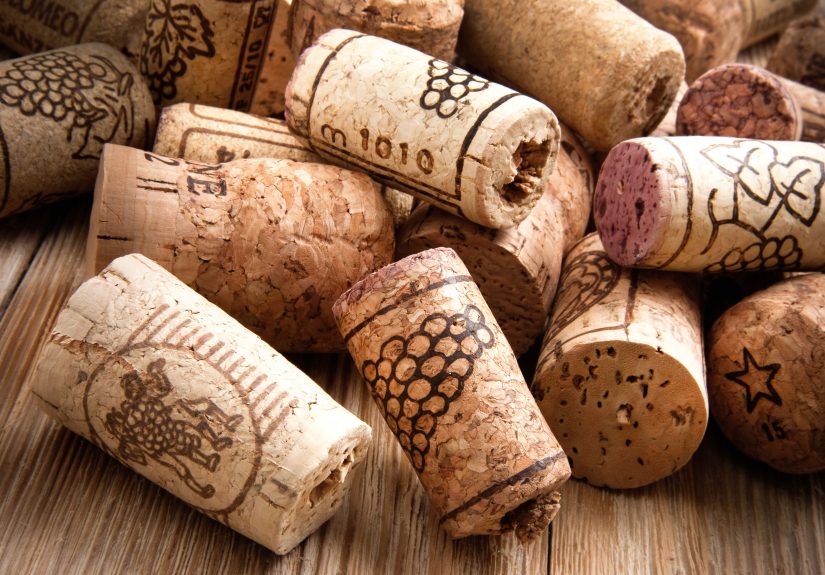
Natural wine corks can be composted, and that makes them one of those satisfyingly humble materials that reward a little composting common sense. They are plant-based, biodegradable, and far more at home in a compost pile than in a garbage can. The catch is that cork is slow. Think less “banana peel disappears by next Tuesday” and more “tiny oak-bark marathon runner.” If you want to compost wine corks successfully, you need to know which corks belong in the pile, how to prep them, and how to help them break down without turning your compost bin into a museum of last year’s Cabernet.
This guide walks you through exactly how to compost wine corks instead of trashing them, with practical advice, composting tips, and real-life examples that make the process easy for beginners and seasoned compost nerds alike.
Can You Compost Wine Corks?
Yes, but only if they are natural cork.
That distinction matters more than most people realize. Natural cork is made from the bark of the cork oak tree, which means it is a plant material and can break down over time in the right composting environment. Synthetic corks, on the other hand, are not true cork at all. They are usually plastic or plastic-like materials made to look like the real thing. Those belong in whatever recycling or disposal stream your local program recommends, not in your backyard compost pile.
There is also a gray area: technical, agglomerated, or composite corks. These are made from cork particles that may be held together with binders or adhesives. Some municipal programs treat them differently from pure natural cork. That is why the safest rule is simple: compost only corks you know are natural, and always check local organics rules before putting any cork into a curbside compost cart.
A Quick Rule of Thumb
- Natural wine cork: Usually compostable.
- Synthetic or plastic cork: Do not compost.
- Composite or technical cork: Check local rules first; when in doubt, keep it out of a home pile.
If you are unsure what you have, it is smarter to recycle through a cork collection program or dispose of it according to local guidance than to guess wrong.
Why Natural Cork Belongs in Compost
Natural cork is an organic material, and compost piles are basically nature’s version of a patient, hungry cleanup crew. Microorganisms, fungi, and other decomposers slowly break down plant matter into finished compost. Since natural cork comes from tree bark, it fits into that system.
But here is the honest part: cork is not a fast decomposer. It behaves more like a woody, carbon-rich “brown” than a soft kitchen scrap. That means it adds structure and carbon to the pile, but it also takes longer to break down than fruit peels, coffee grounds, or lettuce leaves. So yes, compostable. Also yes, dramatic about how long it takes.
That slow breakdown is not a problem if you manage expectations. Composting wine corks is less about instant disappearance and more about steadily turning a natural waste item into something useful rather than sending it to the trash.
How to Compost Wine Corks at Home
If you want the short version, here it is: sort them, prep them, shrink them, mix them, and be patient. If you want the long version, welcome. You are among friends.
1. Separate the Right Corks from the Wrong Ones
Start by sorting your stash. Natural corks can go forward. Synthetic corks should be removed. Any cork with obvious plastic parts, decorative tops, or mixed materials needs to be handled separately.
Also remove extras like foil, wax, wire cages, plastic seals, or shrink wrap. Your compost pile is excellent at handling biology and terrible at handling fake party clothes.
2. Clean Off Residue if Needed
You do not need to wash corks like they are heading into surgery, but if one is soaked in wine, sticky with syrupy residue, or coated with debris, give it a quick rinse and let it dry. This is more about cleanliness and storage than compost chemistry. Clean corks are also easier to cut or crumble.
3. Cut, Shred, or Break Them into Smaller Pieces
This is the step that matters most. Smaller pieces decompose faster because they expose more surface area to the organisms doing the work. Whole corks can sit around for a long time looking weirdly smug. Chopped cork bits blend into the pile much more effectively.
You can:
- Slice corks into rounds
- Cut them into quarters
- Run a batch through a dedicated old blender or grinder used only for compost materials
- Crush them with a mallet if you enjoy light kitchen chaos
No, you do not need cork confetti. Even rough chunks are better than whole corks.
4. Add Them as a Brown Material
Because cork is dry and carbon-rich, think of it as a brown ingredient. Browns help balance out wet, nitrogen-rich greens like vegetable scraps, coffee grounds, or fresh grass clippings. A healthy compost pile needs both.
If your pile is heavy on food scraps and turning damp or smelly, chopped cork can actually help by contributing dry structure. It will not solve every composting problem in your life, but it can pull its weight.
5. Mix Cork with Greener, Faster Materials
Do not dump a giant jar of corks into one corner and hope for magic. Mix the cork pieces into a more active section of the pile with materials that heat up and decompose quickly, such as:
- Fruit and vegetable scraps
- Coffee grounds and filters
- Grass clippings in moderation
- Shredded leaves
- Plant trimmings
This helps the cork stay in contact with moisture, microbes, and other ingredients that keep decomposition moving.
6. Keep Moisture in the Sweet Spot
Your compost should feel like a wrung-out sponge: damp, not dripping. Too dry, and the cork will just sit there being a decorative fossil. Too wet, and your pile may go anaerobic, smell bad, and make you question your choices.
If the pile seems dry, add water while turning. If it is soggy, add more dry browns like leaves, shredded paper, or cardboard and increase aeration.
7. Turn the Pile for Air
Turning introduces oxygen, redistributes moisture, and speeds up decomposition. Cork especially benefits from this because it is a slower, woodier material. You do not need to obsessively turn the pile like you are training for the Compost Olympics, but occasional mixing helps a lot.
If you use a tumbler, rotate it regularly. If you use a bin or open pile, turn it with a fork every week or two when conditions are active.
8. Be Patient and Sift if Necessary
Even in a well-managed pile, cork usually takes longer than softer materials. You may find that finished compost still contains a few visible cork bits. That is not failure. It is composting reality.
Just sift the finished compost, toss larger cork pieces back into the next batch, and let them keep going. Composting is less a perfect science experiment and more an ongoing relationship with decomposition.
What Not to Do
There are a few easy mistakes people make when trying to compost wine corks:
- Do not compost synthetic corks. Fake cork is still fake, even if it looks charming.
- Do not add corks with plastic, foil, wax, or decorative tops attached.
- Do not expect whole corks to disappear quickly. They will not.
- Do not overload a small pile with only dry corks and other browns. You still need nitrogen-rich greens.
- Do not assume your curbside program accepts them. Some do, some do not.
Can You Put Wine Corks in Municipal Compost?
Maybe. This is where things get local fast.
Some city compost programs accept natural corks in organics carts. Others specifically reject them, especially if the local processor is concerned about binders, contamination, or sorting challenges. That means the answer is not a universal yes or no. It is a deeply unglamorous but important “check your local program first.”
If your municipal compost service accepts natural cork, great. If not, home composting may still work if you are dealing with pure natural cork and you prep it properly. And if neither option fits, specialty cork recycling is often the next best move.
Composting vs. Recycling Wine Corks
If you have access to a cork recycling program, that is worth considering. Specialty cork recycling programs can collect natural wine corks and turn them into new materials instead of compost. That gives the cork a second life in products such as flooring materials, composite goods, or other durable uses.
So which is better: composting or recycling?
Recycle natural corks when you have an easy drop-off option. That keeps a durable natural material in circulation longer.
Compost natural corks when recycling is inconvenient or unavailable. Composting is still far better than tossing them in the trash, especially for households already running a healthy backyard compost system.
In other words, the best sustainable option is the one you will actually do. A jar of “someday corks” on top of the fridge for six years is not a circular economy plan. It is kitchen archaeology.
Best Composting Setups for Wine Corks
Backyard Compost Pile
A traditional compost pile works well for chopped natural cork, especially if you already maintain a good mix of greens and browns. Heat, moisture, and turning all help.
Compost Bin
An enclosed bin gives you more control over moisture and pests. Cork still breaks down slowly, but the system stays tidier and easier to manage.
Compost Tumbler
Tumblers can help with aeration and mixing, but cork still needs to be cut into smaller pieces. Whole corks in a tumbler may simply roll around like they paid admission.
Troubleshooting Common Problems
The Corks Are Still There Months Later
That usually means the pieces were too large, the pile was too dry, or the compost mix lacked enough active nitrogen-rich material. Chop finer next time and keep the pile properly moist and aerated.
The Pile Smells Bad
The corks themselves are probably not the problem. Bad odors usually point to excess moisture, low oxygen, or too many wet greens. Add dry browns, turn the pile, and rebalance.
The Pile Is Not Heating Up
That can happen if the pile is too small, too dry, or too carbon-heavy. Add more greens, water lightly if needed, and mix well.
The Bottom Line on Composting Wine Corks
If the cork is natural, you can compost it. If it is synthetic, don’t. If it is composite and you are not sure, follow local guidance instead of making a heroic guess.
The key to composting wine corks successfully is to treat them like a slow brown material: cut them small, mix them with greener ingredients, keep the pile as damp as a wrung-out sponge, and give the whole thing air and time. That tiny stopper may have started life sealing a bottle of Pinot Noir, but with the right composting method, it can end up helping feed your garden instead of cluttering a landfill.
And really, that is a pretty decent ending for something that spent its first act trapped in a bottle.
Experience Notes: What It’s Actually Like to Compost Wine Corks
In real backyard composting, wine corks are one of those materials that teach patience fast. People often begin with the best intentions, tossing whole corks into the bin and assuming they will vanish like apple cores. A few months later, there they are again, looking exactly like tiny canoe floats in a sea of half-finished compost. That experience is common, and it usually leads to the first big lesson: cork is compostable, but it is not quick.
Many home composters say their results improved the moment they stopped treating corks as a novelty item and started treating them like woody browns. Once corks were chopped into smaller pieces and mixed with damp kitchen scraps, shredded leaves, and active compost, they stopped lingering quite so dramatically. The change was not magical, but it was noticeable. Instead of finding whole corks at the end, people found smaller fragments that could either stay in the compost a little longer or be sifted out and returned to the next batch.
Another common experience is that cork collection becomes a habit before composting becomes a system. People often save corks in a jar, bowl, or kitchen drawer for weeks at a time, then process them all at once. That batch approach works well. Rather than trimming one cork at a time after dinner, composters often wait until they have ten or twenty, then chop them together and add the pieces to a fresh pile. It is faster, tidier, and much less annoying than constant cork maintenance, which absolutely no one needs in their life.
Some gardeners also notice that cork pieces are easier to manage in larger, hotter compost setups than in tiny countertop systems. In a big outdoor pile, cork can slowly disappear into the overall mass. In a small tumbler or compact bin, whole or chunky corks tend to remain visible longer, which can make the pile seem unfinished even when most of the compost is usable. That does not mean the process failed. It just means cork breaks down on its own schedule, like a retired uncle ignoring the family group chat.
There is also a practical lesson that comes up again and again: corks themselves rarely cause compost trouble, but bad compost habits do. When a pile smells bad, attracts pests, or turns slimy, the problem is usually too many wet scraps, not too many corks. In fact, once chopped, cork can help absorb moisture and balance a pile that leans too green. For that reason, some composters actually like adding cork alongside coffee grounds, fruit scraps, and wilted produce because it contributes dry texture without taking up much space.
Perhaps the most useful real-world takeaway is this: people who succeed with composting wine corks do not expect perfection. They expect progress. They know a few cork flecks may survive the first round. They sift. They re-add. They keep going. And over time, what started as a pile of saved stoppers becomes part of a healthier, richer compost system. That is the charm of composting wine corks. It is not flashy, fast, or particularly glamorous. But it is practical, low-waste, and oddly satisfying in the way only garden habits can be.