Table of Contents >> Show >> Hide
- A quick lymph node refresher (where they are and what they do)
- What “normal” vs. “swollen” can feel like
- Before you start: the 60-second setup
- Step-by-step: how to check lymph nodes (head to toe)
- 1) Under the jaw and chin (submental & submandibular)
- 2) In front of and behind the ears (preauricular & postauricular)
- 3) Back of the head (occipital)
- 4) Along the neck (cervical nodes)
- 5) Above the collarbone (supraclavicular)
- 6) Under the arms (axillary nodes)
- 7) Inside the elbow (epitrochlear)
- 8) Groin crease (inguinal nodes)
- What to track (so your brain doesn’t fill in the blanks)
- Common causes of swollen lymph nodes (the usual suspects)
- When to see a doctor: “soon” vs. “now”
- What a clinician might do (so it’s less mysterious)
- Common self-check mistakes (and how to avoid them)
- Experiences: what checking your lymph nodes can feel like in real life (and what people often learn)
- Experience 1: The post-cold “pea under the jaw” moment
- Experience 2: The “armpit lump” that turns out to be timing (and sometimes irritation)
- Experience 3: The groin node that’s actually your foot yelling upstream
- Experience 4: The persistent node that finally gets checked (and the calm that comes with answers)
- Conclusion: a simple, sane approach to lymph node checks
Your lymph nodes are like tiny security checkpoints for your immune system: they filter fluid, help trap germs, and call in reinforcements when trouble shows up.
The catch? When they “call in reinforcements,” they can get biggerand that can feel freaky when you notice a new lump in your neck or under your arm.
This guide walks you through a safe, simple lymph node self-check (no medical degree required), what swollen lymph nodes can feel like, what’s usually normal,
and when it’s smart to get a clinician involved. The goal isn’t to diagnose yourselfit’s to notice changes early, track them calmly, and know when to stop Googling
and start calling.
A quick lymph node refresher (where they are and what they do)
Lymph nodes are small, bean-shaped structures connected by lymph vessels. They’re packed with immune cells, so they tend to react when your body is fighting infection,
inflammation, or (less commonly) something more serious.
You have lymph nodes throughout your body, but the ones people can most easily feel are clustered in a few “high-traffic” areas:
the head/neck, above the collarbone, under the arms, around the elbow, and along the groin crease.
What “normal” vs. “swollen” can feel like
Here’s the tricky part: some lymph nodes are normally not noticeable, and some are occasionally palpable even when you’re healthyespecially if you’re thin or you’ve
recently had a cold. Size thresholds also depend on location and age, so a single number isn’t a perfect rule.
Common “reactive” lymph node vibes
- Tender or sore (like it’s annoyed you touched it)
- Soft-ish and slightly squishy, not rock-like
- Moveable under the skin when you gently push
- Shows up after a recent illness (cold, sore throat, dental issue, skin irritation)
- Shrinks over time as you recover
“Let’s not ignore this” characteristics
- Hard, rubbery, or fixed (doesn’t move much when you push)
- Persistently enlarging or not improving over a few weeks
- Located above the collarbone (supraclavicular area deserves extra attention)
- Comes with systemic symptoms like unexplained fever, night sweats, or unexplained weight loss
- Red, hot skin, streaking redness, or pus-like drainage (possible infection needing prompt care)
Important: a self-check can’t tell you “what it is.” It can only tell you “something changed.” That’s still incredibly useful information.
Before you start: the 60-second setup
- Pick a calm moment: after a shower or before bed works well.
- Use good light + a mirror for neck/collarbone checks.
- Wash your hands and trim nails if needed (you’re feeling, not digging).
- Use the pads of your fingers, not the tips. Gentle pressure is enough.
- Compare sides: lymph nodes are often symmetrical-ish, so “left vs. right” is helpful.
Step-by-step: how to check lymph nodes (head to toe)
Think “slow circles, light pressure.” You’re feeling for a distinct bump under the skin that stands out from the surrounding tissue.
If you’re pressing hard enough to leave fingerprints… congrats, you’re now checking your fingerprints.
1) Under the jaw and chin (submental & submandibular)
- Relax your jaw. Slightly tilt your head forward.
- Use both hands. Place fingertips under your jawline, starting near the chin.
- Move in small circles along the jawline toward the angle of the jaw.
- Check just under the center of the chin, too.
Common triggers here: colds, sore throat, dental issues, mouth ulcers, sinus trouble.
2) In front of and behind the ears (preauricular & postauricular)
- Use gentle circular motions just in front of the ear and then behind it.
- Slide down toward where the ear meets the skull.
Common triggers here: ear infections, scalp irritation, skin infections.
3) Back of the head (occipital)
- Place fingertips at the base of your skull (where your head meets your neck).
- Feel for small bumps along the hairline.
Common triggers here: scalp conditions, bug bites, skin irritation.
4) Along the neck (cervical nodes)
- Turn your head slightly to relax one side of the neck.
- With the opposite hand, feel in small circles from just below the ear down the side of the neck.
- Also check the front of the neck (along the sternocleidomastoid muscle) and the back edge of the neck.
Common triggers here: upper respiratory infections, strep throat, mono, dental problems.
5) Above the collarbone (supraclavicular)
- Stand in front of a mirror. Let your shoulders drop.
- Use light pressure in the hollow just above the collarbone, near the base of the neck.
- Check both sides.
This area is worth extra caution. If you feel a new, persistent lump hereespecially without a clear reasonmake an appointment rather than “watching it forever.”
6) Under the arms (axillary nodes)
- Raise your arm slightly (not straight upmore like you’re holding a baguette under your armpit).
- With the opposite hand, press your fingers high into the armpit and feel in small circles.
- Check the center of the armpit and then along the front and back edges.
Common triggers here: shaving irritation, skin infections, recent vaccines, or infections in the arm/hand. If you recently had a shot on that side,
temporary swelling can happen.
7) Inside the elbow (epitrochlear)
- Bend your elbow slightly.
- Feel just above the inner elbow crease with gentle circular motion.
Common triggers here: infections or inflammation in the forearm/hand (these nodes are often not noticeable).
8) Groin crease (inguinal nodes)
- Place fingers along the crease where the upper thigh meets the pelvis.
- Feel along the crease and slightly downward on the upper inner thigh.
- Check both sides and compare.
Common triggers here: skin infections, athlete’s foot, ingrown hairs, or injuries/infections in the leg or foot. Because this area deals with “everything
south of the waist,” it’s a busy neighborhood.
What to track (so your brain doesn’t fill in the blanks)
If you find something, don’t panic-check it 47 times a day. Instead, write it down once and re-check on a sensible schedule.
Think “calm data collection,” not “stress hobby.”
Your lymph node notes checklist
- Location: neck (left/right), armpit, groin, etc.
- Approximate size: pea, bean, grape (you don’t need a ruler; consistency matters more than precision)
- Tender or painless: does it hurt when touched?
- Texture: soft, rubbery, firm, hard
- Mobility: moves slightly or feels stuck in place
- Skin changes: redness, warmth, swelling of skin, drainage
- Recent context: cold symptoms, sore throat, dental pain, skin cuts, shaving irritation, vaccines, new meds
- Other symptoms: fever, fatigue, night sweats, unexplained weight loss, persistent cough, trouble swallowing/breathing
How often to re-check
If you recently had an obvious trigger (like a cold, sore throat, or a nasty blister), check again in about a week. If you’re tracking a persistent node,
checking once weekly is usually plenty. Daily checks can irritate the area and also irritate you.
Common causes of swollen lymph nodes (the usual suspects)
Most swollen lymph nodes are your immune system doing its job. Common causes include:
- Viral infections: common cold, flu-like illnesses, mono
- Bacterial infections: strep throat, dental infections, infected cuts
- Skin irritation/infection: shaving bumps, ingrown hairs, acne flares, cellulitis
- Localized infections: ear/sinus infections (head/neck nodes), foot infections (groin nodes), arm/hand infections (armpit nodes)
- Inflammation and autoimmune conditions: can cause generalized lymph node enlargement
- Medication reactions: some medications can be linked with lymph node swelling
- Cancer-related causes: less common, but persistent or suspicious nodes should be evaluated
When to see a doctor: “soon” vs. “now”
Self-checking is useful, but there are times when professional evaluation is the right move.
Use these as practical guidepostsnot as a personal prophecy.
Get prompt care (urgent) if you have:
- Trouble breathing or swallowing
- Rapidly enlarging swelling or severe pain
- High fever or you feel seriously ill
- Red, hot skin, red streaks, or drainage (possible significant infection)
- Significant swelling with immune suppression (for example, certain medical treatments)
Make an appointment soon if:
- The node has no clear cause and doesn’t start improving
- It keeps growing or stays enlarged for 2 to 4 weeks
- It feels hard, rubbery, or fixed
- It’s above the collarbone (supraclavicular)
- You have unexplained fever, night sweats, or unexplained weight loss
- You notice multiple swollen areas (generalized lymph node swelling)
If you’re unsure, it’s okay to call a clinician and describe what you found. “I noticed a new lump in my left armpit that’s been there three weeks” is a very normal
reason to book a visit.
What a clinician might do (so it’s less mysterious)
If you go in, you can expect some combination of:
- History questions: recent infections, travel, pets, injuries, medications, vaccines, and timing
- Physical exam: size, tenderness, mobility, warmth, and whether swelling is localized or generalized
- Lab work: sometimes a complete blood count (CBC) or other tests
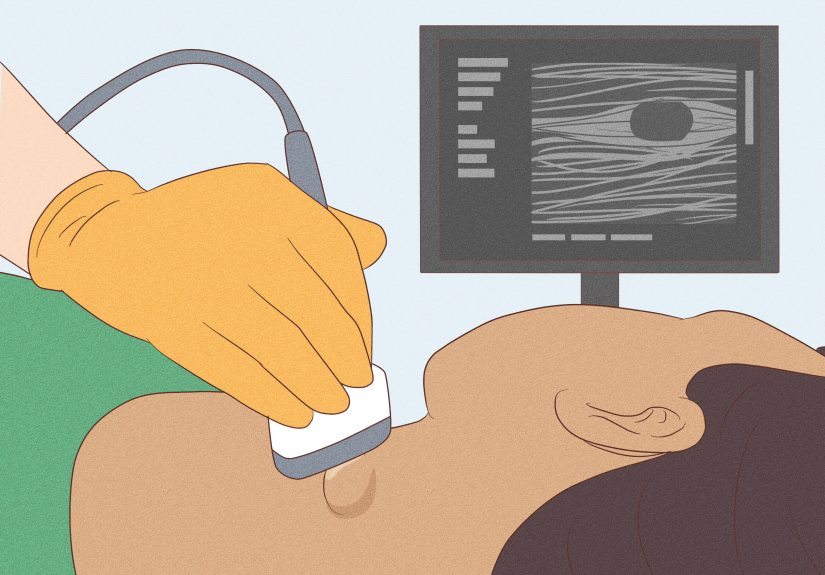
- Imaging: ultrasound or CT in certain situations
- Biopsy: only when neededtypically if nodes are persistent or suspicious
Common self-check mistakes (and how to avoid them)
Mistake 1: Pressing too hard
Over-pressing can make normal tissue feel “lumpy,” and it can irritate a mildly swollen node so it stays angry longer. Use light, steady pressure.
Mistake 2: Confusing normal anatomy for a node
Salivary glands, muscle edges, tendons, and small cysts can all masquerade as “a lymph node” to untrained fingers. Comparing both sides helps.
If you can’t tell what you’re feeling, that’s a sign to let a professional check rather than escalating your at-home detective work.
Mistake 3: Checking constantly
Repeated poking can cause tenderness and swelling on its own. If you found something, track it and re-check on a calm schedule (like weekly).
Mistake 4: Ignoring the “neighborhood”
Lymph nodes drain nearby areas. A groin node may be reacting to a foot blister; an armpit node may be reacting to an infected hangnail; a jawline node may be reacting
to a tooth problem. Always look for a nearby cause.
Experiences: what checking your lymph nodes can feel like in real life (and what people often learn)
People often expect a lymph node self-check to feel like finding a marble in a mattressobvious, dramatic, and Hollywood-level alarming. In reality, it’s usually more
subtle: “Is that a bump… or is that just my body being a body?” Here are a few common experiences many people report, and what tends to help.
Experience 1: The post-cold “pea under the jaw” moment
A classic scenario: you’ve had a sore throat or a cold, and a few days later you notice a tender, pea-sized lump under your jaw. It’s sore when you press it,
and you can nudge it around a bit. Many people feel immediate anxietybecause lumps are emotionally loud even when they’re medically quiet.
What usually helps is connecting the timing: “This showed up right after I got sick.” When people track it once a week, they often notice it gradually shrinks as the
cold symptoms fade. The biggest lesson here is that tenderness and recent infection often point toward a reactive nodeyour immune system doing extra shifts.
Experience 2: The “armpit lump” that turns out to be timing (and sometimes irritation)
Underarm lumps are famous for causing panic, because the location feels high-stakes. A common report is a small bump that’s mildly sore and appears after shaving,
using a new deodorant, getting a vaccine, or dealing with a small skin infection or irritation on the arm. Many people discover that checking gently (not aggressively),
noting any skin redness or irritation, and giving it a little time is useful. If it lingers beyond a few weeks, grows, or comes with other symptoms, that’s when people
feel relieved they documented the timelinebecause clinicians love timelines almost as much as they love blood pressure cuffs.
Experience 3: The groin node that’s actually your foot yelling upstream
Groin lymph nodes can react to surprisingly small issues: a blister from new shoes, athlete’s foot, an ingrown hair, or a scraped knee. People often notice a tender
bump along the groin crease and assume it’s “random.” Then they check their legs and feet and realize there’s a healing cut or irritated area that perfectly matches
the drainage pattern. The takeaway: lymph nodes are local reporters. They rarely file a story without a nearby event. If you find a groin node, scan for skin issues
on the legs and feet and treat the underlying irritation appropriately.
Experience 4: The persistent node that finally gets checked (and the calm that comes with answers)
Another common experience: someone finds a node that isn’t painful, doesn’t obviously relate to an illness, and doesn’t go away. Sometimes it’s nothing serious
a lingering reactive node can hang around after the original trigger has resolved. Sometimes it needs more evaluation. The emotional pattern is consistent:
uncertainty is stressful; clarity is calming. People who schedule an appointment often say the best part was getting a structured exam and a planwhether that plan is
watchful waiting with a follow-up, a test, or treatment for an infection. The practical lesson is simple: if a node persists beyond a few weeks, grows, feels hard/fixed,
appears above the collarbone, or comes with systemic symptoms, getting it checked isn’t overreactingit’s good maintenance, like taking your car in before the “check
engine” light starts blinking in Morse code.
Conclusion: a simple, sane approach to lymph node checks
Checking your lymph nodes for signs of swelling is a skillone that gets easier when you do it gently and consistently. Focus on the places lymph nodes cluster, compare
both sides, and track what you find with a calm checklist. Most swelling is linked to infections or irritation and improves over time, but persistent, unexplained, or
suspicious-feeling nodes deserve a clinician’s look.
Bottom line: your hands can help you notice changes early, and your notes can help you make smart decisions. The goal isn’t to panicit’s to pay attention.