Table of Contents >> Show >> Hide
- Before You Start: Know What Humane Mouse Control Really Means
- How to Catch a Mouse Without Killing It: 10 Steps
- Step 1: Confirm That You Really Have a Mouse
- Step 2: Choose the Right Humane Mouse Trap
- Step 3: Wear Gloves and Pick the Right Bait
- Step 4: Place the Trap Where Mice Actually Travel
- Step 5: Reduce Food Competition
- Step 6: Check the Trap Frequently
- Step 7: Release the Mouse Responsibly
- Step 8: Clean the Trap and Any Mouse Mess Safely
- Step 9: Seal Every Entry Point You Can Find
- Step 10: Monitor for a Week and Adjust if Needed
- Common Mistakes to Avoid
- When Catch-and-Release Is Not Enough
- Conclusion
- Real-Life Experiences and Practical Lessons From Humane Mouse Removal
- SEO Tags
Note: This article is written for web publication in standard American English, based on real U.S. guidance, and cleaned of any extra citation artifacts or editor-only markup.
So, you have a mouse in the house. Maybe you heard the tiny midnight sprint across the pantry. Maybe a crumb disappeared with suspicious enthusiasm. Maybe you locked eyes with a whiskered freeloader and both of you froze like you were in a low-budget Western. Either way, the goal is simple: remove the mouse without turning the situation into a horror movie.
The good news is that humane mouse control is possible when you act quickly, stay calm, and think beyond the trap itself. The not-so-fun truth is that catching one mouse is only half the job. If you do not remove the food, clutter, and entry points that invited it inside, you are basically running a free bed-and-breakfast for rodents. In this guide, you will learn exactly how to catch a mouse without killing it, when live trapping makes sense, how to release it responsibly, and how to keep your home from becoming Mouse Vegas.
Before You Start: Know What Humane Mouse Control Really Means
If you are trying to catch a single mouse without killing it, a live trap can work well. That said, humane rodent control is bigger than catch-and-release. True long-term success means combining live capture, safe cleanup, food control, and mouse-proofing. In other words, the trap is the headline, but prevention is the plot.
It is also important to be realistic. If you are dealing with one accidental visitor, humane capture is usually manageable. If you are seeing droppings in multiple rooms, hearing scratching in the walls, or spotting mice repeatedly, you may have more than a solo trespasser. In that case, trapping one mouse will not solve the larger issue. You will need a full humane rodent control plan and, in some situations, professional help.
How to Catch a Mouse Without Killing It: 10 Steps
Step 1: Confirm That You Really Have a Mouse
Before setting a humane mouse trap, make sure you are tracking the right culprit. Common signs include small dark droppings, gnaw marks on food packaging, shredded paper or fabric used as nesting material, a musky odor, and quick movement along walls or behind appliances. Mice usually prefer to travel close to edges and hidden routes rather than strolling boldly across the center of the room like they pay rent.
If you are not sure where the mouse is traveling, lightly dust a suspected route with flour or baby powder at night. By morning, you may see tiny tracks that reveal its favorite highway. It is not glamorous detective work, but it is effective.
Step 2: Choose the Right Humane Mouse Trap
To catch a mouse without killing it, use a live mouse trap designed for humane capture. These traps let the mouse enter, trigger a door, and stay contained until you release it. A simple single-catch trap is fine for one mouse. A multi-catch live trap can be useful if you suspect more than one visitor.
Skip glue traps. They are not humane, and they create prolonged stress, injury, and suffering. They can also catch non-target animals. If your goal is to remove a mouse alive, glue boards are the exact opposite of the assignment.
Step 3: Wear Gloves and Pick the Right Bait
Put on disposable gloves before handling traps, bait, or anything touched by mice. This is smart for hygiene, and it also helps keep your scent from turning the trap into a suspicious human-scented metal salad bar.
For bait, use a very small amount. Peanut butter is a classic for a reason. You can also try oats, seeds, or a tiny dab of chocolate spread. The key word is tiny. Too much bait lets the mouse snack without fully committing to the trap. You want “lean in and trigger,” not “grab-and-go buffet.”
Step 4: Place the Trap Where Mice Actually Travel
This is where many people go wrong. Do not place the trap in the middle of the floor and expect applause. Mice hug walls, sneak behind appliances, and move through dark corners, cabinet backs, pantry edges, garages, basements, and utility spaces.
Set the trap flush against a wall or directly beside a suspected run. Good locations include under the sink, beside the refrigerator, behind the stove, in the pantry, near pet food storage, or close to small gaps around pipes or doors. If you have seen droppings somewhere, that is not a clue. That is a map.
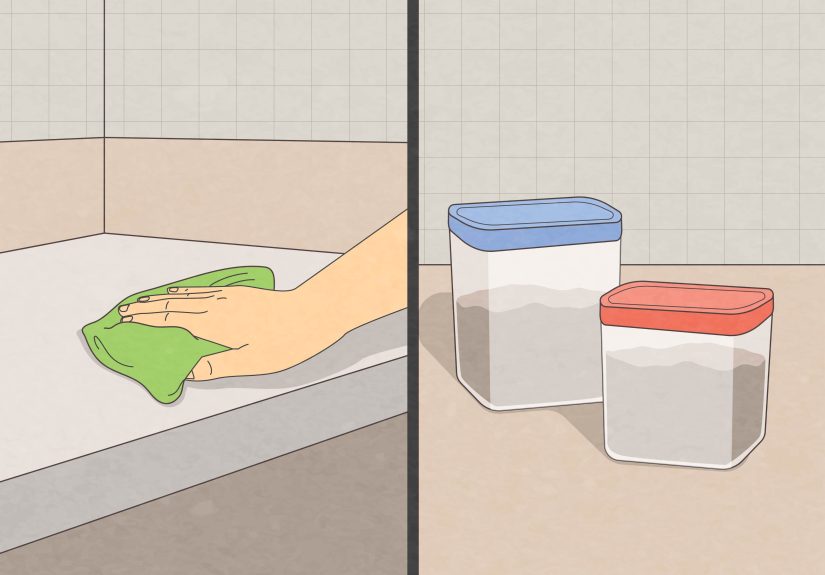
Step 5: Reduce Food Competition
A mouse is far less impressed by your trap bait when it already has access to cereal crumbs, pet kibble, birdseed, and a mystery cracker under the toaster. Before trapping, do a quick food lockdown.
- Wipe counters and sweep crumbs.
- Store dry food in glass or metal containers with tight lids.
- Do not leave pet food out overnight.
- Clean under appliances if possible.
- Secure trash and compost containers.
Humane mouse control starts with making your house less rewarding. If the mouse has to choose between a sealed kitchen and one delicious trap, your odds improve dramatically.
Step 6: Check the Trap Frequently
A live trap is only humane if you actually check it. Do not set it and forget it for two days while living your best life. Check it first thing in the morning, again later in the day, and again before bed if possible. A trapped mouse is vulnerable to stress, dehydration, and exposure, so quick release matters.
If you catch the mouse, keep the trap calm and covered loosely with a towel while transporting it. Darkness helps reduce panic. Avoid shaking the trap or carrying it around like you are showing off a science fair project.
Step 7: Release the Mouse Responsibly
Here is the part people often oversimplify. Releasing a mouse far away may sound kind, but relocation can be stressful and ineffective. In some places, moving house mice off the property is discouraged or restricted, and indoor-adapted mice may not do well when dumped into unfamiliar territory. That is why humane release should be thoughtful, not theatrical.
If local rules allow live release, choose a sheltered outdoor spot such as dense vegetation, near a hedge, or beside a shed area that provides immediate cover and is as far from your living space as practical. Release the mouse gently and step back. Do not release it in an exposed patch of open lawn like you are setting up a hawk lunch special.
If you suspect the mouse may be part of a larger indoor infestation, focus on exclusion immediately after release. Otherwise, there is a good chance the little guy will simply circle back and ring the same invisible doorbell.
Step 8: Clean the Trap and Any Mouse Mess Safely
Once the mouse is out, clean the trap with hot soapy water and then disinfect it according to the manufacturer’s instructions before using it again. If you found droppings or nesting material indoors, do not sweep or vacuum them while dry. That can stir contaminated dust into the air.
Instead, ventilate the area if possible, wear gloves, spray droppings or nest material with disinfectant, let it soak, and wipe it up with paper towels. Then seal the waste in a bag and wash your hands thoroughly. It is not glamorous, but it is a lot better than turning rodent cleanup into an accidental dust-launch event.
Step 9: Seal Every Entry Point You Can Find
This step is the real hero of the story. Mice can squeeze through openings just a little larger than a quarter inch, which means a tiny gap under a door, around a pipe, or near a utility line can become a full-service entrance.
Check these common trouble spots:
- Under exterior doors
- Around plumbing and utility lines
- Behind kitchen appliances
- Around dryer vents and floor vents
- Basement and crawl space edges
- Garage corners and storage rooms
- Window frames and foundation cracks
For small holes, use rodent-resistant materials. For larger ones, use metal flashing, hardware cloth, cement, or other durable barriers. Soft materials alone are often a losing argument against mouse teeth. Think “fortress,” not “gentle suggestion.”
Step 10: Monitor for a Week and Adjust if Needed
After you catch and release the mouse, keep watching for fresh droppings, new gnaw marks, sounds in the walls, or disturbed food packages. If you see no new signs after about a week, that is a good sign your humane mouse removal worked.
If signs continue, you may have multiple mice, a nest, or overlooked access points. At that point, repeat trapping, improve exclusion, and consider calling a pest professional who understands integrated pest management. Humane control is about solving the whole problem, not winning one dramatic round.
Common Mistakes to Avoid
- Using cheese as the default bait: It is famous, but peanut butter usually works better.
- Placing traps in open spaces: Mice prefer edges, walls, and cover.
- Ignoring food sources: A clean kitchen makes your trap more effective.
- Forgetting to check live traps: A humane trap becomes inhumane if ignored.
- Skipping cleanup: Droppings and nesting areas need careful sanitation.
- Not sealing entry points: If you do not close the openings, today’s mouse becomes tomorrow’s sequel.
When Catch-and-Release Is Not Enough
If you are dealing with repeated sightings, heavy droppings, a strong odor, nesting in walls, or mice in multiple rooms, the issue is no longer a single “surprise guest.” It is an infestation. In those cases, humane control still starts with sanitation and exclusion, but you may need a broader plan to protect your home and health.
Also, if anyone in your home has allergies, asthma, or health concerns, or if you are cleaning substantial droppings in a closed-up garage, attic, shed, or cabin, use extra caution. Safe cleanup matters just as much as trapping.
Conclusion
Learning how to catch a mouse without killing it is really about two things: compassion and strategy. The compassion part is obvious. You want the mouse out without causing unnecessary suffering. The strategy part is what makes the result last. Use a humane mouse trap, place it where mice travel, check it often, release responsibly, clean safely, and seal every possible entry point.
Done right, humane mouse removal is not just kinder. It is smarter. It solves the immediate problem while reducing the odds of the next tiny intruder showing up for a snack, a nap, and a surprise family reunion behind your stove.
Real-Life Experiences and Practical Lessons From Humane Mouse Removal
One of the most common experiences people describe is this: they notice one mouse, assume it is random, and wait a few days before doing anything. Then they find droppings in the pantry, hear scratching at night, or discover that a loaf of bread now looks like it survived a miniature chainsaw. The lesson is simple. Humane mouse control works best when you act early. A single mouse is easier to manage than a growing indoor population.
Another common pattern is placing a live trap in the wrong location and then declaring it useless. In reality, the trap often fails because it was set in the center of the room instead of along a wall, or because the kitchen still had easy food available. People who succeed usually describe the same turning point: they moved the trap beside a wall near droppings, cleaned the room thoroughly, and suddenly the trap worked overnight. The mouse did not become smarter or dumber. The setup simply started matching mouse behavior.
There is also the emotional side of the experience. Plenty of homeowners start out feeling embarrassed, frustrated, or weirdly betrayed by their own pantry. But catching a mouse humanely tends to replace panic with process. Once you understand where mice travel, what attracts them, and how they get in, the problem feels far less mysterious. You stop imagining a rodent genius and start noticing the half-inch gap under the garage door or the pet food bowl left out until morning.
Some people also learn the hard way that release is not the finish line. They catch the mouse, carry it outside, feel like a champion, and then do nothing else. A few days later, the scratching returns. That experience teaches the biggest lesson of all: humane trapping is only one chapter. The real ending comes when the crumbs are gone, the birdseed is sealed, the trash is secured, and the openings around pipes and doors are closed.
In short, the most successful experiences come from combining kindness with follow-through. Catch the mouse gently, yes. But also outsmart the conditions that invited it in. That is what turns a one-night rescue mission into a long-term solution.