Table of Contents >> Show >> Hide
- What “Butterflying” Means (and Why Your Pork Should Get Wings)
- Pork Loin vs. Pork Tenderloin (Don’t Let the Names Gaslight You)
- Tools & Setup (The “Don’t Bleed on Dinner” Checklist)
- Step-by-Step: How to Butterfly a Pork Loin
- A No-Pictures “Mental Map” That Actually Helps
- Common Mistakes (and How to Save Dinner Anyway)
- What to Do With a Butterflied Pork Loin
- Filling Ideas That Actually Work (Not Just “Throw Stuff In There”)
- Cooking Tips So Your Pork Loin Stays Juicy
- Knife-Skill Micro-Tips That Make a Big Difference
- Experience-Based, Real-World Tips (The Stuff Recipes Don’t Admit)
- Conclusion
Butterflying a pork loin is one of those kitchen skills that looks like wizardry,
feels like sorcery the first time you try it, and then becomes your secret weapon for
impressing guests with minimal extra effort. (Yes, we’re talking about the holy grail:
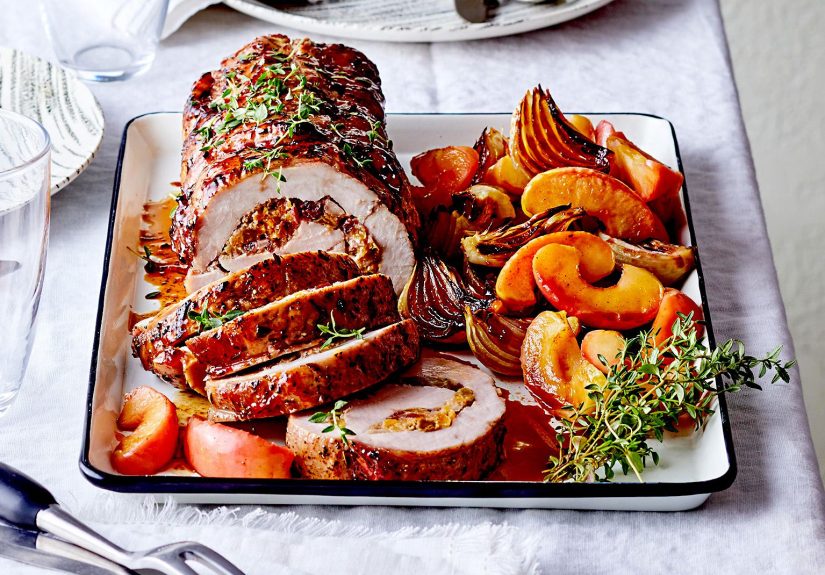
a stuffed pork loin with that fancy spiral when you slice it. The “oohs” are basically guaranteed.)
In this guide, you’ll learn exactly how to butterfly a pork loin roastclean cuts, even thickness,
no panicplus how to fix common mistakes, what to stuff it with, and how to cook it safely without
turning your beautiful roast into edible chalk.
What “Butterflying” Means (and Why Your Pork Should Get Wings)
In cooking, butterflying means slicing a thick piece of meat most of the way through, then
opening it up like a book so it becomes thinner and wider. The goal is an even slab of meat that cooks
more evenly and gives you a big, flat surface for seasoning, stuffing, rolling, and tying.
For pork loin, butterflying is especially useful because the cut is lean and thicktwo qualities that
can lead to dry edges and undercooked centers if you’re not careful. Butterflying helps you:
- Create even thickness for more consistent cooking.
- Add flavor inside the roast (herbs, cheese, fruit, aromaticsgo wild).
- Turn a basic roast into a roulade (aka “I totally meant to do this” fancy).
Pork Loin vs. Pork Tenderloin (Don’t Let the Names Gaslight You)
Before you start slicing, make sure you’re working with the right cut. A pork loin is
larger and typically sold as a wide roast (often 2–4+ pounds). A pork tenderloin is
smaller, thinner, and cooks much faster. They’re not interchangeable in recipes without major timing changes.
If you grabbed a long, skinny piece about 2 inches wide, that’s probably tenderloin. If you grabbed a
thicker roast that looks like it could bench-press you, that’s the loin.
Tools & Setup (The “Don’t Bleed on Dinner” Checklist)
Butterflying is mostly about control. The right setup makes you safer and the cuts cleaner.
- A sharp knife (boning knife, slicing knife, or a very sharp chef’s knife)
- Large cutting board (stableput a damp towel under it if it slides)
- Paper towels (dry meat = less slipping)
- Plastic wrap (for pounding without turning your kitchen into a pork crime scene)
- Meat mallet or rolling pin (to even thickness)
- Kitchen twine (if you’ll roll and tie)
- Instant-read thermometer (because guessing is how pork becomes a suspense thriller)
Step-by-Step: How to Butterfly a Pork Loin
There are a couple of common orientations you’ll see:
some cooks place the loin fat-side down for stability,
while others go fat-side up to avoid the fat cap sliding as you slice.
Either workschoose the position that keeps the roast steady and your knife confident.
Step 1: Chill, Dry, and Position
-
Keep the pork cold. Slightly chilled meat is easier to slice cleanly than warm, wobbly pork.
If it’s been sitting out, pop it in the fridge for 15–20 minutes. - Pat it dry. Moisture is the enemy of control. Use paper towels until the surface feels tacky, not slippery.
-
Place it longways. Set the loin on the cutting board so the length runs left-to-right (or right-to-left),
giving you room for long strokes.
Step 2: Make the First Long Horizontal Cut
This cut is the foundation. You’re slicing into the side of the roast, parallel to the cutting board,
stopping before you cut all the way through.
-
Set the blade parallel to the board, about one-third of the way up from the bottom.
(In other words: not directly in the middleslightly lower.) - Slice horizontally through the loin using long, smooth strokes. Avoid sawing. Think “glide,” not “panic.”
- Stop about 1/2 inch before the far edge so the loin opens like a book but stays attached.
Step 3: Open It Like a Book (GentlyThis Is Not a Pop-Up Novel)
Fold the top flap open. You should now have a thicker “spine” area where the meat is still attached,
plus one large flap. At this point, you’ve done a basic butterflybut for a pork loin roast, you’ll usually
keep going to create a wider, more even rectangle.
Step 4: The Second Cut (This Is Where It Becomes “Roulade-Ready”)
Now you’ll slice into the thicker portion to unfold it furtherkind of like unrolling a sleeping bag,
except tastier and less dusty.
- Lay the thicker section flat against the board.
- Again, slice horizontally through the thick section toward the outside edge, keeping the blade parallel to the board.
- Stop before cutting through, then unfold that flap outward.
Step 5: Flatten to an Even Thickness
Ideally, your butterflied pork loin is fairly uniformoften around 1/2 to 1 inch thick depending on what you’re making.
If some spots are thicker:
- Cover the meat with plastic wrap.
- Use the flat side of a mallet (or a rolling pin) to gently pound thicker areas.
- Work from the center outward so you don’t tear the edges.
Pro tip: Don’t pound like you’re auditioning for an action movie. You want “even,” not “lace doily.”
Too thin and the loin can tear when you roll it.
A No-Pictures “Mental Map” That Actually Helps
Imagine the pork loin is a thick log. Your knife is a shelf. You slide the shelf into the log, then stop before it exits the other side.
When you open it, you’ve got a hinge. Then you repeat on the thickest parts until the log becomes a rectangle.
Common Mistakes (and How to Save Dinner Anyway)
“Oops, I Cut All the Way Through”
Congratulationsyou now have two pieces. This is not a tragedy.
If you’re stuffing and rolling, you can still roll it up and tie it tightly with twine.
You can even overlap the pieces slightly, add filling, and roll as one.
Uneven Thickness
This is the most common issue and the easiest fix. Pound thicker spots under plastic wrap.
If one side is dramatically thicker, you can make a shallow corrective slice to open that section a bit more, then flatten.
Jagged Cuts and Tearing
Usually caused by a dull knife or sawing. Sharpen the knife, slow down, and use longer strokes.
If a small tear happens, don’t obsesstwine is basically edible duct tape.
What to Do With a Butterflied Pork Loin
You can cook the loin flattened (great for faster, more even cooking), or you can turn it into a rolled, stuffed roast.
Stuffing is where butterflying really shines, because the interior becomes a flavor highway instead of a bland tunnel.
Option A: Season and Cook It Flat
- Marinate or dry rub both sides.
- Grill or roast until done, then slice across the grain.
- Great for quick weeknights when you still want “restaurant vibes.”
Option B: Stuff, Roll, and Tie (The Showstopper Move)
- Season the cut side with salt and pepper.
- Spread filling evenly, leaving a 1/2 to 1-inch border so it doesn’t squish out immediately.
- Roll tightly from a short end like a jelly roll.
- Tie with kitchen twine every 1 to 1 1/2 inches. Tight enough to hold shape, not so tight you squeeze out the filling.
Filling Ideas That Actually Work (Not Just “Throw Stuff In There”)
The best fillings follow two rules:
(1) not too wet, and (2) chopped small enough to roll.
If your filling is watery, sauté vegetables first to cook off moisture and cool them before stuffing.
1) Classic Herb-Garlic Paste
- Minced garlic
- Parsley + rosemary (or thyme)
- Olive oil
- Salt and pepper
Simple, bold, and lets pork taste like porkjust the upgraded version.
2) Spinach + Roasted Red Pepper + Parmesan
- Squeezed-dry spinach
- Diced roasted red peppers
- Parmesan (or provolone)
- Fresh basil if you’ve got it
A reliable “wow” spiral that doesn’t leak all over your roasting pan.
3) Apple + Dried Cranberry + Onion
- Sautéed onion
- Diced apple (briefly cooked so it softens)
- Dried cranberries
- Sage (pork’s best friend)
Sweet-savory perfection for fall and winter dinnersbasically a sweater in food form.
Cooking Tips So Your Pork Loin Stays Juicy
Use a Thermometer (Yes, Every Time)
Pork loin is lean. Lean meat overcooks quickly. An instant-read thermometer turns “I hope this is done” into “I know this is done.”
For whole cuts of pork (like loin roasts), the widely cited safe target is 145°F followed by a 3-minute rest.
Ground pork is typically cooked to 160°F.
Rest Like It’s a Job Requirement
Resting isn’t just a polite pause; it helps the juices redistribute and can finish the final temperature gently.
Slice too early and the juices run out like they’re late for a meeting.
If You Stuff It, Think About the Filling
Many fillings are safe when the pork reaches its proper temp, but extra ingredients can change the equation.
For example, if your stuffing contains egg (like some bread stuffings), it may need a higher final temperature.
If you’re unsure, choose fillings that are fully cooked beforehand and not egg-based, and always temp the thickest part of the meat.
Knife-Skill Micro-Tips That Make a Big Difference
- Keep the blade parallel to the cutting boardcheck your angle every few strokes.
- Use long strokes instead of short sawing motions.
- Let the knife do the workpressure is not a personality trait.
- Dry the meat before slicing for better grip and safer control.
Experience-Based, Real-World Tips (The Stuff Recipes Don’t Admit)
This section is the “learn from other people’s mistakes” portion of the programbecause the fastest way to get good at butterflying a pork loin
is to avoid the most common facepalms. Home cooks and chefs tend to agree on one thing: the first attempt is rarely perfect, and that’s fine.
A rolled roast is incredibly forgiving once it’s tied, and nobody at the table will critique your internal seam alignment like it’s an architecture review.
One of the biggest practical lessons is that cold meat behaves better. When pork is slightly chilled, it holds its shape and resists
the “squishy drift” that makes your knife wander upward or downward. People who struggle often try again later with a colder roast and suddenly feel like
they unlocked a cheat code. The second lesson: dry hands and dry meat. A quick pat-down with paper towels and a wipe of your knife handle
can make the difference between smooth control and a horror-movie blooper reel.
Another reality: the loin is not always a perfect cylinder. Some have a thicker end, some taper, some look like they were shaped by a committee.
The trick cooks use is to aim for a rectangle that’s “even enough,” then gently pound thicker spots under plastic wrap. If you pound, focus on leveling,
not tenderizing. The goal is a consistent thickness so it rolls cleanly and cooks evenly. Also, if you’re stuffing, remember that fillings have personalities:
spinach tries to leak, mushrooms hold onto water like it’s precious, and cheese melts and makes a break for freedom. The practical move is to cook off
moisture in vegetables first and cool everything before it goes on the meat. Warm filling melts fat early and encourages slipping, which is the culinary version
of stepping on a banana peel.
Then there’s the classic mistake: cutting all the way through. It happenseven to confident cooks who looked away for half a second.
The good news is that a tied roast covers a multitude of sins. If you end up with two pieces, you can overlap them slightly, spread your filling, roll,
and tie. The spiral might be a little abstract, but it will still taste fantastic. Another save: if one area tears, don’t keep slicing thinner “to fix it.”
That’s how you end up with a pork loin doily. Instead, stop, patch the tear by overlapping the meat slightly when you roll, and rely on twine to hold it together.
Speaking of twine: tying is where many people either overdo it or underdo it. Too loose and the roast unravels; too tight and you squeeze out filling like
toothpaste. The sweet spot is firm and snug, with ties every 1 to 1 1/2 inches. If you want an extra layer of insurance, cooks often tie lengthwise once
(a “belt”) and then add crosswise ties (the “suspenders”). Is it necessary? Not always. Is it emotionally reassuring? Absolutely.
Finally, the most repeated “wish someone told me sooner” advice: don’t cook pork loin by vibes. People overcook pork because they’re afraid
of pink. But modern guidance emphasizes temperature and resting. Use an instant-read thermometer, pull at the right moment, rest, and slice. If you want to feel
extra confident, take multiple readings in the thickest area. Your reward is a roast that’s juicy, tender, and dramatic when slicedlike a dinner party entrance,
but edible.
Conclusion
Learning how to butterfly a pork loin is a small skill with a big payoff: more even cooking, more flavor, and the option to turn a basic roast into a stuffed,
rolled centerpiece that looks complicated (while secretly being totally doable). Keep the meat cold, the knife sharp, the cuts parallel, and the thickness even.
If something goes wrong, tie it up and carry ontwine has saved more dinners than anyone will admit.