Table of Contents >> Show >> Hide
- The Short Answer: Typical Fertilizer Frequency
- What Changes How Often You Should Fertilize?
- Sample Fertilizer Schedules You Can Actually Follow
- How to Know If You’re Fertilizing Too Often (or Not Enough)
- Best Practices to Make Every Feeding Count
- Real-World Experiences: What You Learn After a Few Seasons
- Bottom Line
If you’ve ever stood in the lawn-care aisle staring at rows of fertilizer bags wondering, “Okay…but how often am I supposed to use this stuff?”, you are very much not alone. Some guides say once a year, others swear by four separate feedings, and your neighbor seems to be out there with a spreader every time the mail arrives.
The truth is, there is a good answer to “How often should lawn fertilizer be applied?”but it depends on your grass type, climate, lawn goals, and the kind of fertilizer you use. Let’s break it all down so you can build a smart, science-backed schedule instead of guessing and hoping for the best.
The Short Answer: Typical Fertilizer Frequency
For most home lawns in the United States, a realistic guideline is:
- Minimal care lawn: 1–2 fertilizer applications per year
- Average, “nice green” lawn: 3–4 applications per year
- High-performance, golf-course-style lawn: Up to 4–5 applications per year, timed carefully
University turf programs and lawn-care brands commonly recommend around 4 applications per year, often spaced six to eight weeks apart during the growing season, to deliver a total of roughly 3–4 pounds of nitrogen per 1,000 square feet annually, depending on grass type and local guidelines.
So if you just want a healthy, presentable yard, plan on fertilizing your lawn a few times a year instead of constantly tossing down more product “just in case.” The real magic is in the timing.
What Changes How Often You Should Fertilize?
1. Grass Type: Cool-Season vs. Warm-Season
First, figure out whether you have mainly cool-season or warm-season grass. This matters a lot for both when and how often you fertilize.
- Cool-season grasses (common in the North and many transition areas): Kentucky bluegrass, perennial ryegrass, tall fescue, fine fescue, etc.
- Warm-season grasses (common in the South and warmer regions): Bermudagrass, Zoysiagrass, St. Augustine, Centipedegrass, Bahiagrass, etc.
Cool-season lawns grow best in cooler temperatures of spring and fall. Most experts suggest focusing fertilizer applications in:
- Early to mid-spring: A light to moderate feeding to wake the grass up.
- Late summer to early fall: A heavier feeding (or two) to help roots recover from heat stress and store energy for winter.
For cool-season lawns, many homeowners get excellent results with just two to three annual feedings centered on spring and fall.
Warm-season lawns actively grow in late spring and summer. Fertilizer timing tends to shift later in the year:
- Late spring: Once the lawn fully greens up and is actively growing, not while it’s still dormant or patchy.
- Summer: One or two more feedings while growth is strong.
- Fall: Sometimes an early fall feeding is recommended; in other cases (like some centipede or Bahia lawns), fall nitrogen is limited or avoided to reduce winter injury.
For warm-season lawns, a common recommendation is three to four feedings per year during the warm months, adjusted for your specific grass and region.
2. Your Climate and Soil
Where you live matters. A lawn in the rainy Pacific Northwest will have different fertilizer needs than a lawn in hot, sandy Florida. Two big climate-and-soil factors affect how often you fertilize:
- Rainfall and irrigation: Heavy rain and frequent watering can leach nutrients (especially nitrogen) more quickly from the soil, which may justify more frequent, lighter applications instead of a couple of big ones.
- Soil type: Sandy soils drain fast and don’t hold nutrients well, while clay soils hang onto them longer. Sandy lawns often benefit from more frequent, lower-dose feedings.
A soil test every three to five years is one of the most powerful tools you can use. It tells you which nutrients you actually need (and which you already have plenty of), so you’re not over-fertilizing just because the bag looks persuasive.
3. Fertilizer Type: Fast-Release vs. Slow-Release
How long a fertilizer feeding “lasts” depends heavily on whether you’re using fast-release or slow-release nitrogen:
- Fast-release fertilizers green the lawn quickly but may only last a couple of weeks. Overusing them increases the risk of burning the grass or sending nutrients into storm drains instead of roots.
- Slow-release fertilizers break down gradually, feeding your lawn over six to eight weeks or more. With these, you can generally fertilize less oftenoften every 6–8 weeks during the growing season.
If you’d like to fertilize less often while keeping a steady green color, look for products with a higher percentage of slow-release nitrogen on the label (often listed as “polymer-coated,” “sulfur-coated,” or “controlled release”).
4. Lawn Age and Your Goals
A brand-new lawn and a decades-old front yard don’t need the same schedule.
- New lawns (seeded or sodded within the last year) often need more frequent feeding to encourage dense establishment. Starter fertilizers may be used early on, followed by several light feedings the first growing season.
- Established lawns can usually be maintained with fewer, well-timed applications once roots and density are good.
- Your expectations matter too: If you’re happy with a durable, “good enough” yard for kids and pets, you can stick to the low end of the recommended range. If you want a showpiece lawn, you’ll likely use more frequent, carefully planned feedings.
Sample Fertilizer Schedules You Can Actually Follow
Every lawn is different, but these sample schedules can help you visualize what “1–4 times per year” looks like in real life.
Option A: Low-Maintenance Schedule (1–2 Times Per Year)
This is for people who want green grass but have no intention of turning into the “that neighbor” who owns three different spreaders.
- Cool-season grass:
- Early fall: Main feeding of the year. Use a slow-release fertilizer designed for lawns.
- Optional early spring: Light feeding if the lawn looks pale as it comes out of winter.
- Warm-season grass:
- Late spring: Main feeding once the lawn is fully green.
- Optional mid-summer: Second, moderate feeding if the lawn is thinning or pale.
This approach is gentle on the environment, easy to remember, and enough to keep most lawns reasonably healthy when combined with proper mowing and watering.
Option B: Standard 4-Step Program (Around 4 Times Per Year)
Many lawn-care plans (and fertilizer brands) use a four-step schedule for a richer, more consistently green lawn. It usually looks something like this for cool-season lawns:
- Early spring: Light to moderate feeding to wake up the lawn, sometimes combined with crabgrass prevention.
- Late spring: Second feeding to support strong growth. In some programs, this step may include weed control.
- Mid-summer: Feeding to help the lawn handle heat and foot traffic (often a lower-nitrogen, slow-release formula).
- Early fall: Heavier feeding to help roots rebuild, thicken turf, and store energy for winter and next spring.
Applications are typically spaced about six to eight weeks apart while the grass is actively growing. This is a good fit for homeowners who like a high-quality lawn and don’t mind a little more effort.
Option C: Warm-Season Southern Schedule
For warm-season grasses in the South, a four-times-per-year schedule might look like:
- Late spring: First feeding, once the lawn is fully green (not brown and dormant).
- Early summer: Second feeding to support vigorous warm-weather growth.
- Mid to late summer: Third feeding, often with slow-release nitrogen to maintain color without pushing excessive growth.
- Early fall (sometimes optional): Depending on grass type and region, a light fall feeding may help with winter resilience. For some grasses (like certain centipede or Bahia lawns), fall nitrogen is reduced or skipped to prevent cold damagelocal extension recommendations should always win here.
If this sounds like a lot, remember: each feeding is usually smaller and targeted. You’re not dumping massive amounts of fertilizer at onceyou’re spreading out the “meals” so your lawn gets a steady diet rather than a once-a-year buffet that it can’t fully use.
How to Know If You’re Fertilizing Too Often (or Not Enough)
Even with a good schedule, your lawn will tell you if it’s happyor not. Watch for these signs to fine-tune how often you fertilize:
Signs You May Need to Fertilize More (or More Regularly)
- Grass looks pale green or yellow overall, not just in patches.
- Growth is very slow despite proper watering and mowing.
- Weeds start to dominate because the turf isn’t dense enough to compete.
- Recovery from damage (foot traffic, pet spots, heat) is sluggish.
Signs You’re Fertilizing Too Often or Too Heavily
- Grass grows like crazy and you’re mowing way more than once a week.
- You see burned or brown patches after fertilizing (especially with fast-release products).
- That “lush” lawn gets fungal diseases or thatch buildup because it’s growing faster than roots and soil can support.
- You notice fertilizer granules washing into driveways, sidewalks, or storm drains after rainthis is a waste and an environmental concern.
If you suspect you’re overdoing it, back off. Try skipping an application or switching to a lower-nitrogen, slow-release formula and watch how the lawn responds over a few months.
Best Practices to Make Every Feeding Count
How often you fertilize mattersbut how you fertilize matters just as much. These simple habits help you get more benefit from fewer applications:
- Follow the bag’s application rate. It’s not a suggestion; it’s the difference between a greener lawn and a crispy one.
- Apply during the active growing season. Don’t fertilize dormant grassyour lawn can’t use those nutrients, and they’re more likely to wash away.
- Time it with the weather. Mild temps, moist soil, and no big storm in the forecast are ideal. Avoid extreme heat, drought stress, or heavy rain.
- Mow first, then fertilize. This lets the fertilizer reach the soil surface more easily.
- Water in the fertilizer. A light watering after application helps move nutrients off the leaf blades and into the root zone without washing them away.
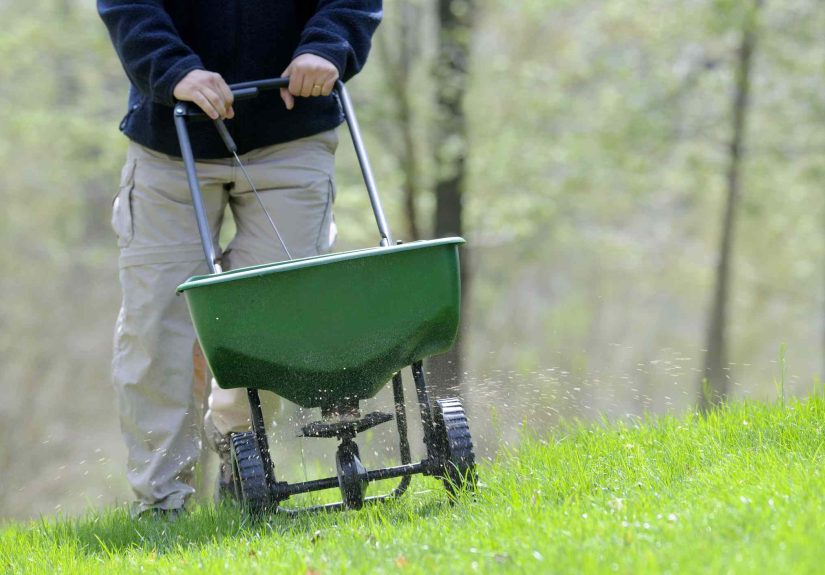
- Use a spreader, not your hands. Even coverage prevents stripes, streaks, and “oops” spots.
- Respect local rules. Many cities and states limit phosphorus or restrict fertilizer use near waterways. Always follow local regulations.
With these practices in place, you may find that you get better results from fewer applications, because each one is better timed and better executed.
Real-World Experiences: What You Learn After a Few Seasons
Numbers and charts are helpful, but most homeowners end up building their fertilizer schedule based on a mix of guidance and lived experience. Here’s what that looks like in real life.
The “Holiday Calendar” Trick
One surprisingly effective hack is to tie fertilizer timing to holidays. For a cool-season lawn, that might look like:
- Easter (or early spring): Wake-up feeding.
- Memorial Day: Late spring booster.
- Labor Day: Big fall feeding.
- Halloween: Optional late fall “winterizer” in colder climates.
Is it perfectly precise? Not always. But it gives you a simple, repeatable rhythm that keeps applications spaced out and in the right ballpark without relying on your memory or a spreadsheet.
The Over-Fertilizer Who Learned to Chill
There’s always one neighbor whose lawn is blindingly green for about two weeks at a timeand then starts looking patchy, diseased, or burned. When those homeowners dial back from very frequent, heavy feedings to a sane 3–4 times per year with slow-release products, they usually discover a few things:
- The lawn color stays more consistent instead of surging and fading.
- They spend less time mowing and bagging clippings.
- They see fewer problems like leaf spots, thatch, or flimsy, shallow-rooted turf.
In other words, they learn that more fertilizer is not always betterbetter timing and better products are.
Regional Reality Checks
Homeowners also learn quickly that generic advice doesn’t always match local conditions:
- In hot, humid southern areas, people often find that mid-summer fertilizer needs to be lighter or paired with excellent irrigation to avoid stressing the grass.
- In cooler northern climates, many discover that fall feedings do more for spring green-up than early spring applications ever did.
- In sandy coastal regions, lighter but more frequent nitrogen applications may be needed to keep the lawn from looking washed out.
Talking with neighbors, checking local university extension charts, and observing how your lawn responds from season to season will help you fine-tune how often you fertilize. Your goal isn’t to match what someone on social media is doingit’s to give your lawn the right amount of food at the right times.
Finding Your Lawn’s “Sweet Spot”
After a couple of years, most people end up with a personal formula that sounds something like:
“I fertilize three times a yearonce in spring, once in early summer, and once in fall. I use a slow-release product, stick to the bag rate, and skip summer if it’s really hot and dry.”
That’s the sweet spot: a schedule that fits your climate, your grass, your free time, and your standards for how you want the yard to look. If your lawn stays thick, relatively weed-free, and reasonably green without drama, congratulationsyou’ve answered the question, “How often should lawn fertilizer be applied?” for your own backyard.
Bottom Line
There’s no single magic number that works for every lawn, but most fall into a range of 1–4 fertilizer applications per year. Your grass type, climate, fertilizer choice, and expectations all tweak that number up or down.
If you’re just starting out, use these steps:
- Identify your grass type (cool-season or warm-season).
- Start with a simple 2–4 times-per-year schedule in the active growing season.
- Use mostly slow-release fertilizers and follow bag rates.
- Watch how your lawn responds and adjust the frequency, not just the product, over time.
Once you dial in a schedule that keeps your lawn healthy, dense, and green without constant fuss, you’ll spend less time wondering if you should fertilizeand more time actually enjoying the yard.