Table of Contents >> Show >> Hide
- Why Alcohol and IBS Can Be a Messy Relationship
- What Alcohol Does in Your Digestive Tract (In Plain English)
- Alcohol, the Gut Barrier, and the Microbiome: The Behind-the-Scenes Drama
- Does the Type of Alcohol Matter?
- IBS Subtype Matters: IBS-D vs. IBS-C vs. IBS-M
- What the Research Suggests (and Why It Still Feels Personal)
- Practical Tips: How to Drink (If You Choose To) Without Waking Up Your IBS Dragon
- When It’s Smart to Skip Alcohol Completely
- Putting It All Together
- Conclusion
- Experiences People Commonly Report: Alcohol + IBS in Real Life
IBS (irritable bowel syndrome) is basically your digestive system’s way of saying, “I would like to file a complaint,” often with zero warning and very little helpful documentation. Then alcohol shows upconfident, bubbly, and socially approvedand your gut is like, “Absolutely not.”
If you’ve ever wondered why one margarita can feel like you swallowed a marching band (complete with drums and urgent bathroom solos), you’re not imagining things. Alcohol can affect gut motility, sensitivity, hydration, and even the gut barrier and microbiomeareas that already tend to be touchy in IBS. The tricky part: the effect isn’t identical for everyone, and the “culprit” isn’t always the alcohol itself. Sometimes it’s the carbonation, the sugar, the mixer, the late-night greasy food, or the fact that you’re laughing harder than usual and your abdomen is staging a coup.
Why Alcohol and IBS Can Be a Messy Relationship
IBS is a functional GI disordermeaning the plumbing looks normal, but the system’s “software” (brain-gut signaling, sensitivity, and motility patterns) can be glitchy. That’s why people with IBS can get abdominal pain, bloating, diarrhea, constipation, or an alternating mix. Add alcohol, which is a known GI irritant for many people, and you’ve got a perfect storm: irritation + altered movement + dehydration + trigger ingredients.
One more complication: “drinking” isn’t one behavior. A slow glass of dry wine with dinner is very different from binge drinking sugary cocktails on an empty stomach. Research suggests heavier intakeespecially a lot in a short windowcan be more likely to worsen symptoms (particularly diarrhea) the next day.
What Alcohol Does in Your Digestive Tract (In Plain English)
1) It can change gut motility (a.k.a. the speed setting)
Alcohol can influence how quickly things move through your GI tract. For some peopleespecially those with IBS-D (diarrhea-predominant IBS)alcohol may “speed up” the intestines, leading to urgency, looser stools, and cramping. For others, alcohol contributes to dehydration and poor sleep, which can nudge the body toward constipation and sluggish digestion.
2) It can irritate the lining and ramp up sensitivity
IBS often involves visceral hypersensitivityyour gut nerves are more reactive than average. Alcohol can irritate the GI tract and may amplify that “overreactive alarm system.” Translation: the same amount of gas or stool movement that wouldn’t bother someone else can feel louder, sharper, and more uncomfortable in IBS.
3) It can affect fluid balance (hello, dehydration)
Alcohol can promote fluid loss and disrupt hydrationespecially if you’re not balancing it with water. Dehydration can harden stools and worsen constipation, while also making the colon’s job harder. Meanwhile, certain drinking patterns can also worsen diarrhea by altering absorption and intestinal movement. Yes, it can feel unfair that the same substance can push symptoms in opposite directionswelcome to IBS logic.
4) It often comes with “sidekicks” that are classic IBS triggers
Alcohol rarely travels alone. Think carbonation, high-fructose mixers, sugar alcohols (polyols), spicy rims, and late-night fried food. For many people, those add-ons do as much damage as the alcohol itself. Even the context matters: big meals, eating fast, stress, poor sleep, and travel can all raise the odds of an IBS flare.
Alcohol, the Gut Barrier, and the Microbiome: The Behind-the-Scenes Drama
Alcohol can disrupt the gut barrier (“leaky gut” isn’t a vibe you want)
Your intestines have a barrier that helps keep irritants and bacteria where they belonginside the gut, not wandering into places they shouldn’t be. Evidence from broader GI research (not just IBS-specific studies) shows alcohol, especially in larger or chronic amounts, can disrupt intestinal barrier function and promote inflammation. IBS is complex, and not everyone with IBS has barrier dysfunction, but if your system is already sensitive, anything that nudges inflammation or permeability in the wrong direction can potentially worsen symptoms.
Alcohol can shift the microbiome (the gut’s “neighborhood”)
The gut microbiome plays a role in digestion, fermentation, immune signaling, and even how the gut communicates with the brain. Alcoholagain, especially heavier intakehas been associated with changes in gut bacteria and immune activity. For IBS, where bloating and gas can be tied to fermentation patterns and sensitivity, microbiome shifts can matter. Not in a neat, predictable “one drink equals one outcome” waymore like “this might tilt the table if you’re already wobbling.”
Does the Type of Alcohol Matter?
Often, yes. Not because one drink is morally superior (your gut is not a judgmental life coach), but because different beverages come with different ingredients that affect IBS: carbonation, sugar content, acidity, and common mixers.
Beer
Beer combines alcohol with carbonation and fermentable components that can promote gas and bloating. Some people also notice symptoms with gluten-containing grains (like barley and wheat), even without celiac disease. If beer reliably causes bloating, pain, or diarrhea, it may be the carbonation, the alcohol, the grain components, or the overall “beer + snacks + late night” combo.
Wine
Wine varies widely. Dry wine generally has less residual sugar than sweet wine, which can matter for IBS symptoms. Some people report that a small amount of dry wine is tolerable, while sweet wines can trigger bloating or diarrhea. Red wine can also feel more irritating for some peoplepossibly due to compounds like tannins or overall acidity, though individual tolerance is the real deciding factor.
Spirits (vodka, gin, whiskey, tequila)
Straight spirits (without mixers) contain alcohol but minimal carbs. That can make them easier for some people than sugary drinks. But “easier” doesn’t mean “easy.” Alcohol is still alcoholso if ethanol itself is your trigger, a vodka soda won’t magically behave like chamomile tea.
Cocktails and mixers (often the true villain)
Many cocktails are IBS chaos in a glass: high sugar, high fructose, carbonation, fruit juices, and sometimes sugar alcohols. Common IBS-unfriendly suspects include:
- High-fructose mixers (some sodas, fruit punches, certain sweetened juices)
- Sugar alcohols (like sorbitol, mannitol, xylitoloften in “diet” mixers or sugar-free syrups)
- Carbonation (increases gas/bloating for many people)
- Creamy ingredients (for those sensitive to lactose or high-fat drinks)
- Spicy additions (can intensify gut irritation for some)
If you’re trying to pinpoint whether alcohol affects your IBS, cocktails can muddy the waters because you’re testing multiple variables at once. It’s like troubleshooting your Wi-Fi by simultaneously moving, changing routers, and adopting a new cat.
IBS Subtype Matters: IBS-D vs. IBS-C vs. IBS-M
IBS is not one-size-fits-all, and alcohol doesn’t hit everyone the same way.
- IBS-D (diarrhea-predominant): Heavier drinking episodes are more likely to trigger urgency, looser stools, and crampingespecially the next day.
- IBS-C (constipation-predominant): Alcohol-related dehydration, poor sleep, and disrupted routines can worsen constipation, bloating, and discomfort.
- IBS-M (mixed): Alcohol can flip symptoms in either direction depending on the amount, the drink, and what else is going on (food, stress, hormones, travel, and so on).
What the Research Suggests (and Why It Still Feels Personal)
IBS research on alcohol doesn’t produce a single universal rule like “never drink again.” What it does suggest is more nuanced:
- Heavy or binge drinking is more likely to worsen GI symptomsespecially diarrhea and abdominal painoften noticeable the next day in people with IBS.
- Light to moderate drinking may be tolerated by some people, especially if they avoid trigger mixers and drink with food.
- Alcohol can also affect gut permeability and inflammation in broader GI research, which may help explain why some IBS bodies react strongly.
The takeaway isn’t “alcohol causes IBS.” It’s closer to: IBS makes your gut more sensitive, alcohol can be irritating, and the combination can trigger flare-upsespecially with certain patterns and certain drinks.
Practical Tips: How to Drink (If You Choose To) Without Waking Up Your IBS Dragon
Not everyone wantsor needsto quit alcohol entirely. If you’re trying to reduce IBS flare-ups while still having a social life, here are strategies that tend to help many people:
Track patterns, not just “good” vs. “bad” drinks
Use a simple symptom diary for a few weeks. Note: what you drank, how much, what you ate with it, stress level, sleep, and symptoms over the next 24 hours. You’re looking for patterns like “two IPAs + wings = doom” or “one glass of dry wine with dinner = okay.”
Keep it boring (your gut loves boring)
If you’re experimenting, choose a simple drink so you’re testing fewer variables. For example:
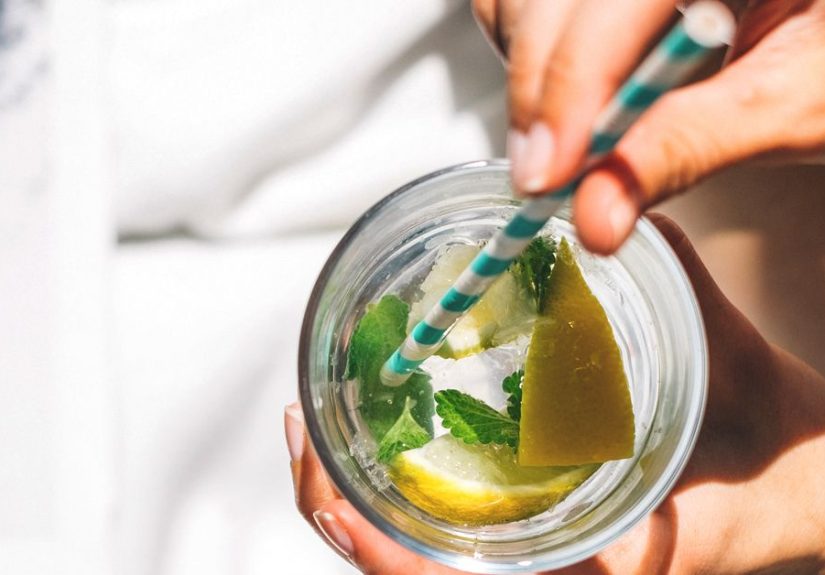
- vodka + plain soda water + lime
- gin + tonic (watch for sweeteners) or soda water
- a small pour of dry wine with food
Eat something IBS-friendly first
Drinking on an empty stomach can hit harder and irritate faster. A steady, IBS-friendly meal (whatever that means for you) can help buffer the gut. Bonus: it reduces the odds you’ll “accidentally” eat a basket of spicy fried regret at midnight.
Hydrate like it’s your job
A practical approach is alternating alcoholic drinks with water. Hydration can help reduce constipation risk and may soften the “next day” crash that often aggravates IBS symptoms.
Watch carbonation and sugar
Carbonated beverages can increase bloating and gas. Sugar-heavy drinks can also trigger symptoms. If you’re sensitive, consider minimizing sparkling mixers and sweet cocktails.
Set a personal “flare threshold”
Many people discover a tipping point: one drink might be fine, two is risky, three is a signed contract with the bathroom. Your threshold may depend on your IBS subtype, hormones, stress, and sleep. Respect it like it’s a speed limitbecause the ticket is abdominal pain.
When It’s Smart to Skip Alcohol Completely
Sometimes the best IBS management move is a firm “no thanks” to alcoholat least for a while. Consider skipping if:
- You’re in the middle of a flare and trying to calm inflammation and urgency.
- You’ve repeatedly noticed alcohol triggers severe cramping, diarrhea, or constipation.
- You’re starting a new IBS plan (like a low-FODMAP trial) and need a clean baseline.
- You’re taking medications that don’t mix well with alcohol (ask your clinician or pharmacist).
- You’re using alcohol to cope with stress or anxietybecause IBS and mental health are linked, and there are safer tools.
If alcohol is hard to cut back or it’s creating health or life problems, it’s worth talking to a healthcare professional. That’s not a character flawit’s a very human thing, and help works.
Putting It All Together
Alcohol can affect IBS through multiple pathways: changing motility, irritating the gut lining, worsening dehydration, and altering gut barrier and microbiome dynamicsespecially with heavier drinking. But the real-world impact depends on your body, your IBS subtype, your drink choice, and the “party package” that comes with it (sleep, food, stress, and hydration).
The most IBS-friendly approach isn’t necessarily perfect abstinence or reckless optimism. It’s strategic curiosity: learn your triggers, simplify variables, and make choices that let you enjoy your life without paying for it in cramps.
Conclusion
If alcohol consistently triggers your irritable bowel syndrome symptoms, you’re not being dramaticyour gut really can react to ethanol, carbonation, sugar, and common mixers. The goal isn’t to win a drinking contest; it’s to protect your quality of life. Start by noticing patterns, minimizing “mystery cocktails,” staying hydrated, and keeping your baseline routine steady. And if symptoms are frequent, severe, or changing, loop in a clinician or a registered dietitianIBS is manageable, but it shouldn’t be a solo mission.
~500-word experiences section
Experiences People Commonly Report: Alcohol + IBS in Real Life
Ask a room full of people with IBS about alcohol and you’ll hear a theme: it’s rarely just the drink. It’s the timing, the type, the stress, the food, and the next-day fallout. Many people describe a “two-phase reaction.” Phase one is the immediate gut responsebloating, gurgling, or cramping that shows up during the outing or on the ride home. Phase two is the next morning, when urgency, loose stools, or that heavy, swollen feeling arrives like an unwanted calendar invite you can’t decline.
A common story: someone can handle one simple drink with dinnersay, a small dry wine or a spirit with a plain mixer but gets symptoms when the night turns into sugary cocktails or beer. The difference often isn’t “hard liquor versus beer” in a moral sense; it’s the carbonation, wheat/barley, and the volume. People who are prone to bloating often mention that carbonated drinks (including hard seltzers) can feel like inflating a balloon inside the abdomen. For IBS-D folks, the complaint is frequently urgency: “I was fine until I wasn’t.” For IBS-C folks, it can be the opposite: dehydration plus poor sleep leads to constipation and a stubborn bloated belly for a day or two.
Another pattern people describe is the “vacation paradox.” At home, they have a routinepredictable meals, hydration, and known safe foods. On vacation, alcohol is paired with rich dinners, irregular meal timing, more walking (helpful), less sleep (not helpful), and maybe anxiety about bathrooms or travel. Some report that the stress of being away from home makes their gut more reactive, and alcohol simply amplifies what was already simmering.
Many people also report that the same drink behaves differently depending on context. A cocktail on an empty stomach at a loud event (high adrenaline, fast eating, less water) can trigger symptoms, while a similar drink with a balanced meal in a calm setting is tolerated. Some notice that certain mixersespecially fruit juices, “diet” mixers with sugar alcohols, or syrupsare reliable troublemakers. Others find that spicy food plus alcohol is a guaranteed flare, while alcohol alone is merely “risky.”
Finally, plenty of people report an emotional layer: the fear of symptoms can become part of the symptom cycle. Worrying about whether a drink will trigger IBS can increase gut-brain tension, which can itself intensify cramping or urgency. That’s why many find relief not only from changing what they drink, but from having a plan: choosing a simple beverage, drinking slowly, alternating with water, eating something gentle, and knowing where the restroom is. It’s not about controlling everythingit’s about giving your gut fewer reasons to panic. Over time, people often land on a personalized “social strategy” that lets them participate without paying for it the next day.