Table of Contents >> Show >> Hide
- Why Home Makeovers Matter
- Start with a Plan Before You Start Buying Throw Pillows
- The High-Impact Changes That Make the Biggest Difference
- Room-by-Room Home Makeover Ideas
- Do Not Ignore the Outside of the House
- Budget-Smart Ways to Make a Home Look More Expensive
- Common Home Makeover Mistakes to Avoid
- How to Make a Home Feel Personal, Not Generic
- Home Makeover Experiences: What People Often Learn Along the Way
- Conclusion
Some homes need a dramatic transformation. Others just need one lamp that doesn’t look like it came free with a motel checkout. That is the beauty of home makeovers: they do not always require a contractor convoy, a six-month timeline, or a budget that makes your wallet faint. A smart makeover can be as simple as repainting tired walls, reshuffling furniture, upgrading hardware, or finally admitting that the “temporary” folding chair in the bedroom has become a long-term resident.
A great home makeover is really about one thing: changing how a space feels. It should work better, look better, and make everyday life a little easier. The best transformations balance style and function, so a room does not just photograph well, but also survives spilled coffee, muddy shoes, and the mysterious pile of mail that appears even when nobody remembers bringing it inside.
Why Home Makeovers Matter
Home makeovers are not only about aesthetics. They can improve comfort, organization, flow, and even the mood of a room. A dark living room becomes more inviting with layered lighting. A cramped kitchen feels more functional with better storage and smarter zones. A bland bedroom turns restful when color, texture, and furniture placement start working together instead of arguing with each other.
There is also a psychological benefit to refreshing your surroundings. When a home reflects your lifestyle and personality, it feels easier to settle in, relax, and enjoy it. That does not mean every room needs a designer finish. Sometimes the most satisfying upgrade is a practical one: an entryway that finally corrals shoes, a bathroom that no longer feels like a fluorescent interrogation room, or a kitchen that lets two people cook without passive-aggressively bumping elbows.
Start with a Plan Before You Start Buying Throw Pillows
The fastest way to derail a makeover is to shop first and think later. Before changing anything, identify what is not working. Is the room too dark? Too cluttered? Too busy? Too bland? Does it lack storage? Does the layout fight the way you actually live? A makeover should solve problems, not just cover them with a trendy rug.
Start by asking three practical questions:
- What do I want this room to do better?
- What needs to stay because it is useful, sentimental, or expensive?
- What change would create the biggest visual impact first?
Once you know the answers, create a simple hierarchy. Usually, the best order is layout first, paint second, lighting third, furniture and storage fourth, and decorative details last. This prevents the classic makeover mistake of buying cute accessories for a room that still has the lighting quality of a parking garage.
The High-Impact Changes That Make the Biggest Difference
1. Paint: The MVP of Home Makeovers
If home makeovers had a mascot, it would probably be a paint roller. Paint is one of the most affordable ways to transform a room, and it works almost everywhere: walls, cabinets, trim, doors, furniture, and even some outdated brick surfaces. A fresh coat of paint can brighten a shadowy room, make a small space feel calmer, or add personality without major construction.
Soft whites, warm neutrals, muted greens, dusty blues, and earthy tones tend to have staying power because they are versatile and easy to layer with other finishes. But if your style leans bolder, smaller spaces like powder rooms, offices, and entryways are great places to experiment with saturated color. They are design playgrounds with doors.
2. Lighting: The Secret Upgrade People Underestimate
A room with only one ceiling fixture is doing the bare minimum. Layered lighting makes a home feel more intentional and comfortable. Combine overhead lighting with table lamps, floor lamps, sconces, or under-cabinet lighting to create depth and flexibility. This matters especially in living rooms, bedrooms, kitchens, and entryways, where one harsh bulb can flatten the entire space.
Good lighting also highlights what is already working. Artwork looks richer. Textures feel warmer. Corners stop looking abandoned. Even a modest room appears more polished when lighting comes from multiple levels instead of one blazing source overhead.
3. Hardware and Fixtures: Small Pieces, Big Personality
Cabinet pulls, doorknobs, faucets, mirror frames, and light fixtures are the jewelry of the home. They may be small, but they influence the entire tone of a room. Swapping dated brass, worn chrome, or builder-basic hardware for more cohesive finishes can quickly modernize kitchens, bathrooms, and built-ins.
The trick is consistency. That does not mean every finish must match perfectly, but the room should feel coordinated. Matte black, warm brass, brushed nickel, and oil-rubbed bronze all have their place. Just avoid turning one bathroom into a finish-based identity crisis.
4. Storage: The Makeover That Saves Your Sanity
Beautiful rooms get all the attention, but functional rooms win in the long run. Built-ins, floating shelves, baskets, cabinets, benches with storage, and furniture that multitasks can all make a home look cleaner and calmer. A room often feels “unfinished” not because it lacks decor, but because there is nowhere for real life to go.
Smart storage is especially important in entryways, bathrooms, kitchens, bedrooms, and home offices. If your makeover budget is limited, prioritize storage that solves daily friction. A stylish home is nice. A stylish home where you can find the scissors is better.
Room-by-Room Home Makeover Ideas
Living Room Makeovers
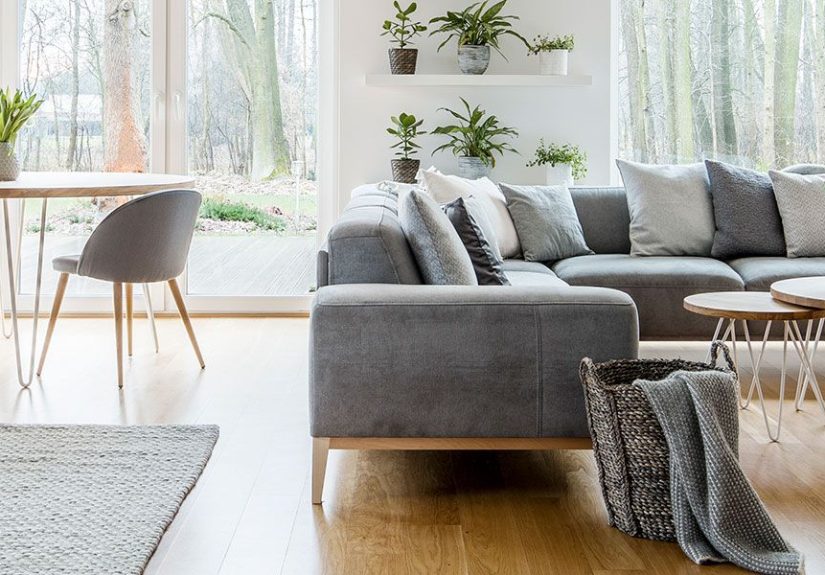
The living room should feel welcoming, layered, and easy to use. Start with the furniture layout. If all seating is pushed against the walls, pull pieces inward to create a conversation zone. Add an area rug large enough to ground the room, then layer in lamps, pillows, books, greenery, and art.
If the room feels flat, consider painting built-ins, replacing heavy curtains with airier panels, or adding texture through wood, boucle, linen, leather, or woven baskets. Even one statement element, such as a dramatic light fixture or oversized art, can shift the room from “fine” to “whoa, you have taste.”
Kitchen Makeovers
Kitchens do not always need full demolition to feel new. Painting cabinets, changing hardware, updating pendants, replacing bar stools, adding open shelving in moderation, and improving countertop styling can all make a major difference. If the backsplash is tired, a refresh there can instantly modernize the room.
Function matters just as much as looks. Create clear prep zones, reduce countertop clutter, and add storage where possible. Drawer organizers, pantry containers, under-shelf baskets, and rolling carts are not glamorous, but they are the supporting cast that keeps the star from melting down.
Bathroom Makeovers
Bathrooms respond well to focused upgrades. New mirrors, lighting, hardware, paint, and storage can do a lot of heavy lifting. Replacing a dated vanity top, refreshing grout, or adding a crisp shower curtain and better textiles can make the room feel cleaner and more expensive.
In small bathrooms, use vertical storage and reflective surfaces to make the space feel bigger. In larger bathrooms, add softness with wood accents, woven textures, and layered lighting. The goal is a room that feels less clinical and more like an actual retreat.
Bedroom Makeovers
A good bedroom makeover favors comfort over clutter. Start with bedding because it occupies the most visual real estate. Then think about wall color, bedside lighting, window treatments, and whether the furniture placement promotes calm or chaos.
Bedrooms often improve dramatically with fewer pieces, not more. A better headboard, richer textiles, and coordinated bedside tables usually make more impact than a room stuffed with decorative extras. If you want to add drama, try a painted accent wall, wallpaper behind the bed, or a moody color palette balanced with soft fabrics.
Entryway and Home Office Makeovers
Entryways are tiny but mighty. They create the first impression of the home and often determine whether shoes, bags, and coats land gracefully or explode across the floor. Add hooks, a bench, a runner, a mirror, and some concealed storage. Suddenly your front door area looks intentional instead of like a shipping department.
Home offices should balance productivity and personality. A proper chair, task lighting, and better cable management are the boring heroes here. After that, bring in character with paint, art, shelving, or a rug that makes you feel like a competent professional instead of someone answering emails from a forgotten corner.
Do Not Ignore the Outside of the House
Home makeovers are not just indoor events. Exterior updates can completely change the character of a property. Painting the front door, upgrading house numbers, changing exterior lighting, tidying landscaping, refreshing planters, power washing surfaces, and improving the walkway or porch can all raise curb appeal fast.
The exterior sets expectations before anyone steps inside. A charming entry, clean lines, and thoughtful details suggest the rest of the home has been cared for too. Plus, there is something deeply satisfying about a front door that no longer says, “We have given up.”
Budget-Smart Ways to Make a Home Look More Expensive
You do not need a luxury budget to create a polished result. In fact, some of the smartest makeovers come from editing, not spending. Rearranging furniture, removing visual clutter, rehanging curtains higher, using larger rugs, swapping lamp shades, repainting a piece of furniture, or mixing in vintage finds can elevate a room without wrecking your bank account.
Here are a few budget-savvy strategies that work again and again:
- Spend on one focal point instead of ten forgettable items.
- Repeat colors and materials so the home feels cohesive.
- Use texture to create richness even with a neutral palette.
- Shop your own house before shopping a store.
- Mix high and low pieces so the result feels collected, not staged.
Common Home Makeover Mistakes to Avoid
The biggest mistake is chasing trends with no connection to your life. A home should feel current enough to stay fresh, but personal enough to stay yours. Another frequent misstep is ignoring scale. Tiny rugs, undersized art, and light fixtures that disappear into the ceiling all make a room feel awkward.
Other pitfalls include poor lighting, overcrowded surfaces, too many competing finishes, and prioritizing decoration over comfort. If a sofa looks gorgeous but feels like sitting on a stack of old phone books, the makeover has failed on a spiritual level.
How to Make a Home Feel Personal, Not Generic
The most memorable makeovers do not come from copying a catalog page exactly. They come from layering a space with lived-in details: books you actually read, artwork you enjoy, family pieces that mean something, handmade objects, vintage finds, travel souvenirs, or colors that make you happy every day rather than just for one season on social media.
That is where the magic happens. A good makeover upgrades the room. A great makeover upgrades the relationship you have with your home. It makes routines smoother, quiet moments cozier, and gatherings more enjoyable. It gives the room a point of view.
Home Makeover Experiences: What People Often Learn Along the Way
One of the funniest truths about home makeovers is that the project you think will take one weekend has a habit of becoming a full emotional journey. You start by saying, “I’ll just repaint the guest room,” and three hours later you are researching curtain rods, second-guessing undertones, and wondering why nobody warned you that beige has approximately seventeen personalities.
Many people discover that the makeover process teaches them more about how they live than about design itself. For example, someone might believe they need a bigger living room, but the real issue is poor furniture placement. Another person may think their kitchen needs a total remodel, only to realize that better lighting, a decluttered counter, and smarter storage make the space function much better right away.
There is also the lesson of patience. The best rooms rarely come together in one shopping trip. A more satisfying home usually develops in layers. First comes the practical fix. Then the paint. Then the right lamp finally appears. Then a vintage chair shows up months later and somehow makes everything click. The process can feel slow, but it often leads to a home that feels collected and authentic instead of rushed and overly matchy.
Another common experience is realizing that comfort matters more than perfection. People often begin makeovers chasing a polished image, but end up happiest when the room supports real life. That might mean washable slipcovers, a durable rug, closed storage for chaos, or a dining table that can handle homework, takeout, and holiday dinners without complaint.
Homeowners also learn that small victories count. Painting the front door can be enough to reignite affection for the entire house. Replacing a dated light fixture can make a room feel newly grown up. Installing hooks in the entry can reduce daily stress more effectively than an expensive decorative object ever could. These small wins create momentum, and momentum is powerful.
Then there is the confidence factor. Once someone successfully paints a vanity, styles open shelving, or rearranges a room for better flow, the fear of making changes starts to disappear. The home becomes less of a fragile showroom and more of a creative space that can evolve over time. That mindset shift is often the real makeover. The room changes, yes, but so does the owner’s willingness to shape it.
Perhaps the most meaningful experience of all is this: people often fall back in love with homes they were ready to give up on. A makeover can reveal possibilities that were hidden under clutter, bad lighting, outdated finishes, or simple neglect. Suddenly the house feels like it has potential again. Not because it became perfect, but because it became more intentional.
And that is why home makeovers remain so appealing. They are part creativity, part problem-solving, part optimism. They remind us that spaces can change, routines can improve, and even tired rooms can surprise us. Sometimes all a home needs is a fresh perspective, a few smart upgrades, and the courage to stop living with that awful ceiling fan.
Conclusion
Home makeovers work best when they combine beauty with purpose. The most successful transformations are not always the biggest or most expensive. They are the ones that improve daily life, reflect personal style, and make every room feel more intentional. Whether you start with paint, lighting, storage, or curb appeal, the goal is the same: create a home that feels more functional, more inviting, and more like you.