Table of Contents >> Show >> Hide
- What Is the Hardy Bar Stool, Black?
- The Design Story: Why This Stool Feels Familiar in the Best Way
- Dimensions and Fit: Where the Hardy Bar Stool, Black Works Best
- Why Black Is Such a Strong Finish Choice
- Comfort, Usability, and Everyday Performance
- Things to Check Before You Buy
- Is the Hardy Bar Stool, Black Worth It?
- Real-Life Experience: What Living with the Hardy Bar Stool, Black Feels Like
- Final Thoughts
If your kitchen island has been begging for a little more style and a lot less “placeholder seating,” the Hardy Bar Stool, Black is the kind of piece that changes the room without shouting about it. It has that rare designer-furniture trick: from far away, it looks simple; up close, it looks thoughtful. And in real homes, thoughtful usually wins. Loud furniture is fun for about six minutes. Then you still have to live with it.
The Hardy Bar Stool, Black sits comfortably in that sweet spot between sculptural and practical. It reads as refined, but not precious. It feels classic, but not dusty. And most importantly, it avoids the two biggest bar-stool crimes: looking flimsy and feeling like a punishment disguised as seating. For anyone building a kitchen with black accents, a moody island, a modern farmhouse vibe, or a Scandinavian-meets-warm-wood palette, this stool is the sort of supporting actor that quietly steals the scene.
What Is the Hardy Bar Stool, Black?
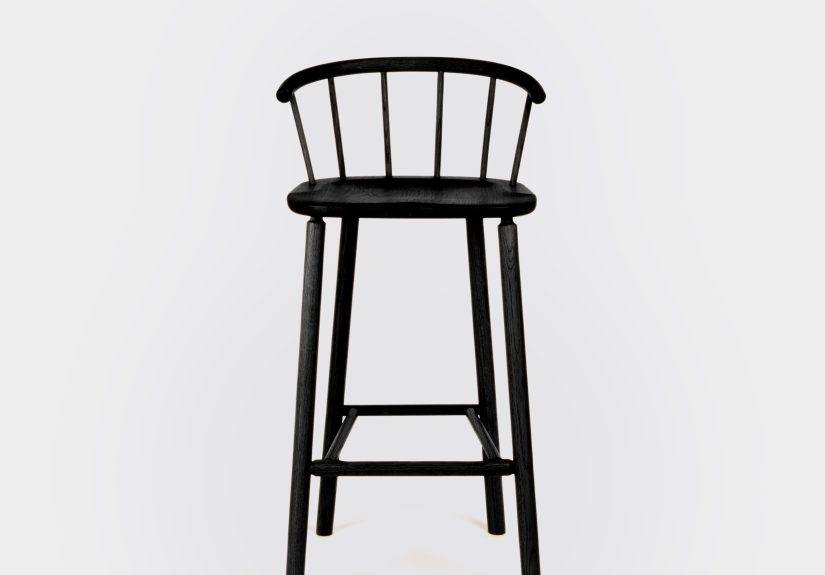
The Hardy Bar Stool, Black is a high-backed wooden stool associated with the Hardy collection by designer David Irwin. Its silhouette is clean and restrained, but not severe. A curved top rail, slim vertical spindles, and tapered legs soften the profile, while the dark finish gives it a grounded, architectural feel. In plain English, it looks elegant without looking like it needs its own insurance policy.
This is not a bulky, overstuffed stool built for sports-bar energy. It is a slimmer, more design-forward piece aimed at kitchens, breakfast bars, and interiors where furniture is expected to pull its weight visually as well as functionally. That matters because stools are usually parked right at eye level around an island. You do not just sit on them; you see them all day.
And that is where the Hardy Bar Stool, Black earns its keep. It has enough visual presence to anchor a space, but enough openness in the back and frame to avoid making a kitchen feel crowded. That balance is harder to achieve than it looks.
The Design Story: Why This Stool Feels Familiar in the Best Way
Part of the Hardy stool’s charm comes from its old-meets-new design language. The piece draws on traditional chair forms, especially the kind of low-backed wooden seating that once lived in cottages, pubs, and practical everyday interiors. But instead of reproducing antique furniture detail for detail, the design distills those references into a cleaner, more modern outline.
The result is a bar stool that feels rooted rather than trendy. It nods to heritage seating without turning your kitchen into a stage set for a period drama. That is a good thing. You want “timeless character,” not “someone please pass the butter churn.”
The black finish pushes the design even further into contemporary territory. Where a natural oak stool often reads airy and softly rustic, a black version feels more tailored and graphic. It sharpens the silhouette. It emphasizes the lines. It makes the stool more versatile in kitchens that mix stone, metal, painted cabinetry, and warm woods.
Why the Backrest Matters
Many beautiful stools forget a tiny but important detail: humans have backs. The Hardy design includes a supportive backrest, and that one choice changes the way the stool functions in daily life. A backless stool may disappear visually, but a stool with a shaped back is often the better choice for meals, coffee breaks, homework, laptop time, or those “I’ll just sit here for one minute” conversations that become 45 minutes long.
In other words, this is not just perch seating. It is actual seating.
Dimensions and Fit: Where the Hardy Bar Stool, Black Works Best
One of the smartest things about the Hardy Bar Stool line is that it is offered in multiple heights. That is essential because buying the wrong stool height is the furniture version of wearing formal shoes two sizes too small: technically possible, deeply regrettable.
The Hardy design is typically offered in a counter-height option with a seat height around 25.6 inches and a bar-height option with a seat height around 29.5 inches. That makes the stool suitable for two common setups:
- Counter height: Best for standard kitchen islands and counters around 36 inches high.
- Bar height: Best for taller bar surfaces, usually around 42 inches high.
Before buying any stool, measure from the floor to the underside of the counter or table surface, not just to the top. You want enough leg room to sit comfortably rather than wedge yourself in like a carry-on bag. A clearance of roughly 10 to 12 inches between the seat and the counter is a common rule of thumb, and the Hardy’s available heights fit neatly into that logic.
Spacing matters too. If you want a row of stools along an island, give each person enough elbow room. Nobody wants brunch served with accidental shoulder checks. The Hardy’s relatively compact footprint helps, but you should still plan the layout carefully, especially if the stools have backs and need enough room to pull out and sit down comfortably.
Why Black Is Such a Strong Finish Choice
Black bar stools have staying power because they solve several design problems at once. First, they create contrast. In a light kitchen with white cabinets, pale counters, or natural oak flooring, a black stool adds definition and rhythm. Second, black ties together other dark elements in the room, whether that means pendants, cabinet hardware, faucets, window frames, or a painted island base. Third, black tends to hide day-to-day scuffs, visual noise, and the low-grade chaos of normal life a little better than lighter finishes.
The Hardy Bar Stool, Black also works because its darkness is balanced by an open frame and traditional wood form. A fully upholstered black stool can sometimes feel heavy. A black metal stool can sometimes feel cold. This one lands in the middle: warm enough to live with, dark enough to make a statement.
Best Pairings for This Stool
White kitchens: The contrast is crisp, classic, and easy to style.
Wood-and-black kitchens: The stool looks especially good when repeated alongside oak floors, walnut accents, or butcher-block details.
Modern farmhouse interiors: The heritage-inspired shape gives it character, while the black finish keeps it from drifting into kitsch.
Scandinavian or Japandi spaces: The clean lines and emphasis on craft make it a natural fit.
Moody kitchens: If your island or cabinetry already leans dark, the stool can reinforce a cohesive, grounded look instead of introducing visual clutter.
Comfort, Usability, and Everyday Performance
There is a difference between furniture that photographs well and furniture that works hard. The Hardy Bar Stool, Black appears to aim for both.
The curved back offers posture support that many minimalist stools skip. The footrest is equally important, even if it does not get the same glamour treatment. A footrest makes tall seating feel stable and natural, especially during longer sits. Without one, even a gorgeous stool can start to feel awkward after ten minutes.
The stool’s wood construction also gives it an honest, durable feel. That does not mean indestructibleno fine wood furniture should be treated like playground equipmentbut it does mean it is designed as a long-term piece rather than a temporary trend purchase. In a market flooded with disposable lookalikes, that matters.
Because the stool is visually narrow and not overupholstered, it is also easier to integrate into smaller kitchens. Backed stools can sometimes dominate a compact island, but the Hardy’s airy spindle back keeps the profile lighter. It gives you support without turning the kitchen into a wall of chair backs.
Things to Check Before You Buy
1. Measure the overhang
Make sure your island or bar has enough knee space. A beautiful stool is not much use if your guests have to sit sideways like they are riding public transit during rush hour.
2. Confirm the correct height
Counter height and bar height are not interchangeable. They are close enough to confuse shoppers and far enough apart to ruin comfort.
3. Think about traffic flow
If your island sits in a high-traffic kitchen, backed stools need enough clearance to pull out. A stool can be slim and still need breathing room.
4. Expect a premium-furniture buying experience
This is not bargain-bin seating. The Hardy Bar Stool, Black belongs in the designer-furniture category, and current retail listings present it as a made-to-order piece. That usually means a stronger focus on craftsmanship, but also longer lead times and a more deliberate purchase process.
5. Treat the finish like furniture, not gym equipment
Dark wood finishes are generally forgiving visually, but they still benefit from sensible care. Use them, enjoy them, and do not panic over normal life. Just skip the harsh cleaners, the soaking-wet rag, and the idea that a bar stool is an acceptable stepladder. It is not. Your ankles and your designer stool agree on this.
Is the Hardy Bar Stool, Black Worth It?
If you are looking for the cheapest possible place to sit while eating cereal, probably not. There are plenty of mass-market stools ready to serve that noble mission.
But if you want a black bar stool that feels intentional, elevated, and likely to age well stylistically, the Hardy Bar Stool, Black makes a compelling case. It brings together several qualities that are hard to find in one piece: a classic silhouette, designer pedigree, thoughtful proportions, practical back support, and a finish that plays well with both light and dark interiors.
It is especially appealing for homeowners who want their island seating to feel like real furniture rather than afterthought furniture. That is the difference between a kitchen that merely has stools and a kitchen that looks fully designed.
Real-Life Experience: What Living with the Hardy Bar Stool, Black Feels Like
What makes the Hardy Bar Stool, Black interesting is not just how it looks on day one, but how it would likely feel after months of everyday use. This is where good design either proves itself or gets exposed fast.
In a real kitchen, a stool has to do more than sit there looking photogenic near a bowl of lemons. It has to handle rushed breakfasts, weekend lingering, school-night conversations, quick laptop sessions, and those random moments when everybody drifts into the kitchen because that is apparently where every household meeting takes place. The Hardy design seems especially well-suited to that kind of use because it does not force you to choose between comfort and visual lightness.
The first thing many people would notice in daily use is the back. It gives the stool a more settled, chair-like feeling than many sleek bar stools offer. You are not balancing on a perch; you are actually sitting. That matters when coffee turns into emails, or when dinner stretches into dessert and one more story and “wait, let me show you something.” A backless stool can look neat and tidy, but the Hardy’s backrest is the feature that makes it easier to live with.
The second thing you would likely appreciate is how the black finish behaves in the room. Black furniture can either disappear into a palette or sharpen it, and this stool tends to do the latter. Against a white island, it creates crisp punctuation. Against wood cabinetry, it adds contrast without looking cold. Against darker finishes, it helps the room feel deliberate and cohesive. It is a useful color because it does not need constant decorating support. The stool can hold its own even when the kitchen is not styled for a photo shoot, which, thankfully, is most of real life.
There is also something satisfying about the Hardy’s proportions. It appears compact enough for everyday kitchens, but not skimpy. That means it can look tailored rather than oversized, especially in homes where a giant upholstered stool would visually swallow the island. If you are working with an average-size kitchen, that compactness is not a small detail; it is the difference between an elegant setup and a traffic jam.
Over time, the best experience of owning a stool like this is probably psychological as much as practical. It gives a kitchen a sense of completion. The room feels more finished, more resolved, more like somebody made real design decisions instead of panic-ordering “four stools, any stools, please.” And honestly, that feeling is worth a lot. Good furniture earns its keep by making ordinary routines feel just a little better. The Hardy Bar Stool, Black seems built for exactly that job.
Final Thoughts
The Hardy Bar Stool, Black is a strong choice for anyone who wants kitchen seating that looks refined, feels supportive, and has enough design intelligence to outlast trend cycles. Its appeal is not flashy. It is steadier than that. It comes from proportion, restraint, craftsmanship, and a finish that makes almost any kitchen look a little more polished.
If your goal is to create an island setup that feels warm, modern, and genuinely livable, this stool deserves a serious look. It is proof that a bar stool does not have to be loud to have personality. Sometimes the smartest furniture in the room is the piece that simply gets every little thing right.