Table of Contents >> Show >> Hide
- What Is a Handwoven Wool Heriz Area Rug?
- Why Wool and Handweaving Matter
- What Makes a Heriz Rug So Popular?
- How to Judge Quality Before You Buy
- How to Style a Handwoven Wool Heriz Area Rug
- Care and Maintenance
- Who Should Buy a Heriz Rug?
- What It Feels Like to Live With a Handwoven Wool Heriz Area Rug
- Final Thoughts
A handwoven wool Heriz area rug is the kind of piece that refuses to be background decor. It does not whisper politely from the floor. It shows up with bold geometry, rich color, serious craftsmanship, and the quiet confidence of something that has outlived trend cycles before breakfast. If your room feels nice but a little too well-behaved, a Heriz rug may be exactly the design troublemaker you need.
These rugs are famous for their strong central medallions, angular motifs, hearty wool, and practical durability. In other words, they are beautiful enough for design lovers and sturdy enough for actual humans who walk, spill coffee, drag dining chairs, and occasionally let the dog make questionable life choices. That balance is a big reason Heriz rugs continue to thrive in both traditional interiors and modern homes that want character without chaos.
What Is a Handwoven Wool Heriz Area Rug?
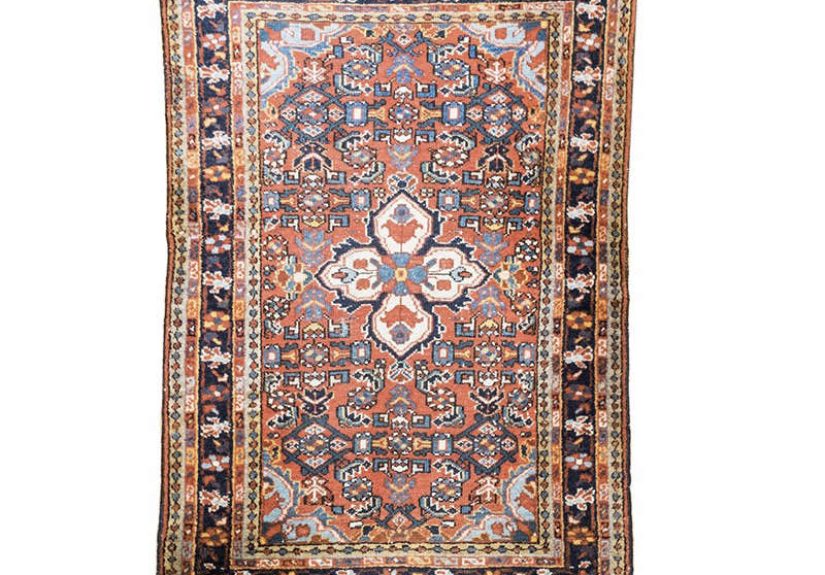
A Heriz rug comes from the Heriz region in northwestern Iran, an area long associated with bold village rugs that use geometric drawing rather than the softer, curvier floral language found in many other Persian carpets. The classic Heriz look usually includes a large medallion, stepped corners, strong borders, and a color palette that leans into rust red, navy, ivory, gold, and earthy accents. The result is graphic, grounded, and instantly recognizable.
The phrase handwoven wool Heriz area rug usually refers to a handmade rug with a wool pile and a traditional Heriz-inspired pattern. In the market, that may include antique Persian examples, semi-antique pieces, or newer hand-knotted rugs made in the Heriz tradition. Some are true vintage originals; others are faithful reinterpretations. Either way, the appeal is the same: a rug with backbone.
The Signature Heriz Look
If floral rugs are symphonies, Heriz rugs are jazz with excellent posture. Their motifs feel structured but lively. Instead of tiny, fussy ornament, you often get a commanding medallion, angular leaves, diamonds, rosettes, and broad borders that read clearly from across the room. That clarity makes a Heriz design especially useful in large spaces where delicate details can disappear faster than party snacks.
Heriz rugs also play well with many decorating styles. In a traditional room, they look right at home near wood furniture, brass lamps, and collected antiques. In a modern room, they provide contrast and warmth, like a little old soul energy under a sleek sofa. That tension is exactly what makes them so interesting.
Why Wool and Handweaving Matter
Not all rugs age gracefully. Some flatten, fuzz, and surrender to daily life with dramatic speed. Wool tends to be a better sport. A quality wool rug is valued for durability, resilience, warmth, and a comfortable feel underfoot. In a Heriz rug, wool is more than a material choice; it is part of the identity. The dense, sturdy pile helps give these rugs their long-wearing reputation.
Handweaving matters too. In most Heriz-style rugs, that means hand-knotting rather than machine production. The process is labor intensive, which is a fancy way of saying someone spent a truly heroic amount of time tying knots so your floor could look incredible. That craftsmanship gives the rug depth, subtle variation, and a human touch that machine-made pieces struggle to imitate.
Why Hand-Knotted Construction Feels Different
A hand-knotted rug usually has more visual texture and personality than a mass-produced alternative. The pattern may have small variations, the wool may show natural abrash, and the pile often feels more alive than perfectly uniform synthetic options. Those are not flaws. They are the reasons collectors, designers, and homeowners keep coming back.
With a Heriz rug, the construction often supports a low, sturdy pile rather than a fluffy, sink-your-toes-and-lose-your-slippers effect. That lower profile is practical. It can work beautifully in living rooms, dining rooms, home offices, and other high-traffic areas where you want elegance without constant fuss.
What Makes a Heriz Rug So Popular?
First, scale. Heriz rugs are often found in room-size and oversized formats, which makes them ideal for anchoring bigger spaces. Second, pattern. The bold medallion and strong border structure help organize a room visually. Third, durability. The wool pile and firm construction make these rugs feel substantial. And finally, they have style range. A Heriz rug can live under a farmhouse table, in a minimalist loft, beside a leather club chair, or under a cloud-like linen sofa and still look completely intentional.
That is not easy to pull off. Plenty of rugs are pretty. Fewer rugs are pretty, durable, timeless, and flexible enough to bridge old and new design. A Heriz rug does all four, which is why it remains a favorite among people who want a statement piece that can actually survive real life.
How to Judge Quality Before You Buy
1. Check the Materials
Look for a wool pile first. Many well-regarded Heriz rugs are made with wool pile, often on a cotton foundation. That combination can offer durability and structure. If the listing is vague and says only “soft fibers” or “rug-like material,” that is not confidence-inspiring. That is marketing poetry trying to avoid specifics.
2. Look at the Design Grammar
A Heriz-inspired rug should usually have strong geometry. Think angular medallions, stepped details, bold corners, and a clearly framed border. If the pattern is overly delicate, washed out, or drifting into generic floral territory, it may be lovely, but it is not delivering classic Heriz energy.
3. Pay Attention to Color
Traditional Heriz palettes often feature rust, red, navy, cream, and warm earth tones. Some newer versions soften the palette with faded neutrals, but the best ones still keep enough contrast to show off the design. A Heriz rug should not feel shy. It should feel grounded, expressive, and composed.
4. Consider Antique, Vintage, or New
An antique or semi-antique Heriz rug can bring remarkable depth and history. You may see mellowed colors, wear patterns, and subtle irregularities that add character. A newer hand-knotted Heriz-style rug can be a smart choice if you want the look with less uncertainty about condition. Neither option is automatically better. It depends on whether you want patina, predictability, or a little of both.
How to Style a Handwoven Wool Heriz Area Rug
Living Room
In a living room, bigger is usually better. A too-small rug can make the room feel disconnected and oddly apologetic. A Heriz rug works best when it helps unify the seating area. At minimum, the front legs of the sofa and chairs should sit on the rug. In larger rooms, fitting all furniture legs on the rug can create an even more cohesive look.
If your furniture is simple, a bold Heriz pattern can become the room’s visual anchor. If your space already has strong art or patterned textiles, choose a Heriz rug with a slightly calmer palette so the room feels layered instead of loud.
Dining Room
Heriz rugs are especially handsome under dining tables because their sturdy, low-profile construction tends to work well in practical spaces. As a rule, the rug should extend at least 24 inches beyond all sides of the table so chairs can slide out without half landing on the floor and half staging a rebellion on the rug edge.
The geometric structure of a Heriz rug also helps center the table visually. It makes the whole setup look more deliberate, which is helpful because dining rooms can go from elegant to “conference room with candles” very quickly.
Bedroom and Home Office
In a bedroom, a Heriz rug adds warmth and architecture. Under a queen or king bed, choose a size large enough to extend beyond the sides and foot of the bed so you actually step onto the rug in the morning instead of performing a chilly hardwood reality check. In a home office, a Heriz rug can soften acoustics, add depth, and make the room feel less like a tax form in architectural form.
Care and Maintenance
A handwoven wool Heriz area rug is durable, but it is not indestructible. Treat it well and it can reward you for years, even decades.
Routine Care
Vacuum regularly to remove dirt before it settles deep into the pile. Depending on foot traffic, once or twice a week is a sensible rhythm. Rotate the rug every few months, or roughly every six months in calmer spaces, to reduce uneven wear and fading. A rug pad underneath helps prevent slipping, adds cushioning, protects the floor, and extends the life of the rug.
Spills and Stains
Blot spills immediately with a clean cloth. Do not scrub unless your goal is to transform a minor accident into a much more committed problem. Use a mild detergent if needed, test in an inconspicuous area first, and keep moisture minimal. If a stain is set in or the rug needs a deeper refresh, professional cleaning is the safer move.
Shedding and Loose Fibers
Some shedding is normal, especially when a wool rug is new. That is not the rug falling apart; it is the rug being a wool rug. Regular vacuuming usually helps the shedding taper off over time. If you see a loose yarn, do not pull it. Trim it carefully to pile height instead.
Sunlight and Storage
Direct sunlight can fade dyes over time, so rotation helps keep the wear more even. If you need to store the rug, roll it with the face inward and keep it in a dry, breathable environment. Avoid damp basements unless you are also trying to host a mildew convention.
Who Should Buy a Heriz Rug?
A Heriz rug is a smart fit for homeowners who want substance, pattern, and long-term value from a room-defining piece. It is especially appealing if you love handmade decor, warm color palettes, and interiors that feel collected rather than copied straight from a catalog. It also suits busy households because the design often hides daily wear better than pale, delicate rugs that seem emotionally damaged by a single breadcrumb.
If your style leans modern, a Heriz rug can keep the room from feeling too stark. If your style leans traditional, it can add heritage and authenticity. If your style is “I bought things I love and hope they cooperate,” a Heriz rug may be your unifying force.
What It Feels Like to Live With a Handwoven Wool Heriz Area Rug
Living with a handwoven wool Heriz area rug is different from living with a purely decorative rug that exists mainly to be photographed and admired from a safe distance. A Heriz rug enters the daily rhythm of the house. You notice it in the morning when the room still feels cool and quiet, and the wool adds that little layer of comfort that makes bare feet less offended by the floor. You notice it in the afternoon when sunlight moves across the medallion and suddenly the rust reds, navies, and creams feel richer than they did an hour before. And you notice it at night when the whole room seems more settled, as though the furniture finally agreed to become a proper family.
One of the most satisfying experiences of owning a Heriz rug is how it changes a room without making the room feel staged. It brings order, but not stiffness. The geometric layout gives the eye a place to land. The color adds warmth. The wool adds texture. Even a fairly simple room begins to look more thoughtful once a strong Heriz pattern is anchoring it. A neutral sofa suddenly looks more expensive. A wooden coffee table looks more intentional. The room gains a center of gravity.
There is also a tactile pleasure to it. A good wool rug has a texture that feels substantial rather than flimsy. It is not trying to imitate silk, faux fur, or a cloud. It feels honest. Underfoot, it has enough body to remind you that it was made, not merely manufactured. That matters more than people expect. We live with surfaces every day, and the ones with character tend to improve our spaces in ways we feel before we consciously name them.
Another real-life advantage is visual forgiveness. In a busy household, perfection is a fantasy and also a little exhausting. A Heriz rug is often wonderfully forgiving. The layered pattern can disguise a bit of lint, a crumb that escaped lunch, or the small signs of a room that is actually used. That does not mean you stop caring for it. It just means the rug does not demand constant emotional reassurance. It has enough visual complexity to absorb daily life with dignity.
People also tend to underestimate how social a rug can be. Guests notice a Heriz rug. They may not know the name immediately, but they respond to it. It becomes part of the room’s personality. It can spark conversations about travel, craftsmanship, family homes, antique markets, or favorite colors. In that sense, a handwoven wool Heriz area rug is not just a furnishing. It is a storyteller. It hints at tradition, skill, and continuity without feeling museum-stiff.
Over time, the experience gets even better. As you live with the rug, you learn its moods. Morning light may pull out the blue. Lamplight may make the red feel deeper. Winter may make the wool seem especially cozy, while summer may reveal how beautifully the rug balances airy linen and natural wood. A good Heriz rug does not just fill a floor. It becomes one of the reasons the room feels like yours.
Final Thoughts
A handwoven wool Heriz area rug offers a rare combination of beauty, practicality, and design credibility. It is bold without being chaotic, traditional without feeling dusty, and durable without looking overly utilitarian. If you want a rug that can anchor a room, age with grace, and bring a handcrafted sense of permanence to your home, Heriz is a strong contender.
Plenty of rugs can decorate a room. A Heriz rug can define one. That is a big difference, and your floor knows it.