Table of Contents >> Show >> Hide
- What Does Going Vegan Really Mean?
- Why Do People Go Vegan?
- The Vegan Plate: What to Eat Most Often
- Key Nutrients to Watch on a Vegan Diet
- How to Start Going Vegan Without Overcomplicating It
- Beginner Vegan Meal Ideas
- Common Vegan Beginner Mistakes
- Eating Vegan at Restaurants and Social Events
- Is Going Vegan Expensive?
- Who Should Get Extra Guidance?
- Real-Life Experiences: What Going Vegan Often Feels Like
- Conclusion: Going Vegan Is Easier With a Plan
- SEO Tags
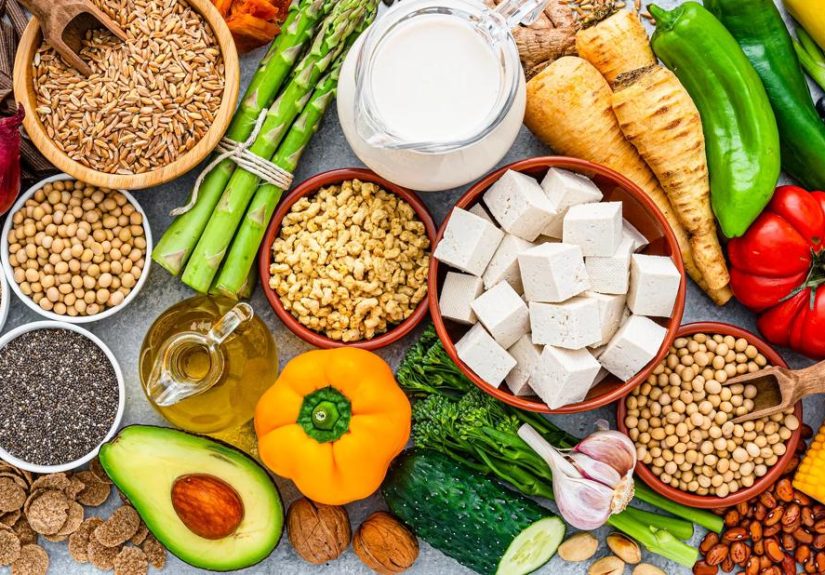
Going vegan can sound dramatic at first, like you are signing a lifetime contract with kale while your cheese-loving friends wave goodbye from the pizza aisle. Relax. Vegan eating is not a secret society, a punishment, or a personality transplant. At its simplest, a vegan diet avoids animal-derived foods such as meat, poultry, fish, dairy, eggs, and honey, while focusing on plant foods like vegetables, fruits, beans, lentils, tofu, tempeh, whole grains, nuts, seeds, herbs, and spices.
The good news? You do not need to become a nutrition professor overnight. You just need a practical plan, a stocked pantry, a few dependable meals, and the willingness to laugh the first time your homemade cashew sauce looks more like beige soup than “creamy restaurant magic.” This beginner-friendly guide covers the basics of going vegan, what to eat, nutrients to watch, grocery tips, meal ideas, common mistakes, and real-life experiences that make the transition easier.
What Does Going Vegan Really Mean?
Vegan eating removes foods that come from animals. That includes obvious items like steak, chicken, salmon, milk, butter, cheese, yogurt, and eggs. It can also include less obvious ingredients such as gelatin, whey, casein, lard, some food glazes, and certain baked goods made with dairy or eggs.
However, veganism is not only a list of “no” foods. A healthy vegan lifestyle is built around a big, delicious “yes” to plants. Think bean chili, peanut noodles, avocado toast, lentil soup, chickpea salad sandwiches, veggie tacos, tofu stir-fry, oatmeal with berries, roasted sweet potatoes, black bean burgers, hummus bowls, and pasta with tomato sauce and sautéed vegetables. In other words, food that looks like foodnot a sad lettuce leaf auditioning for a motivational poster.
Why Do People Go Vegan?
People choose vegan eating for different reasons. Some are motivated by animal welfare. Others care about environmental impact. Many are interested in health benefits associated with eating more whole plant foods, such as vegetables, fruits, legumes, nuts, seeds, and whole grains. Some people simply discover that plant-based meals make them feel good, fit their budget, or add variety to their cooking routine.
For health, the key phrase is “well-planned.” A vegan diet can be nutritious, but it is not automatically healthy just because it is vegan. French fries, soda, and sandwich cookies may be vegan, but they are not exactly the Avengers of wellness. A strong vegan eating pattern emphasizes minimally processed foods, enough protein, healthy fats, fiber-rich carbohydrates, and fortified foods or supplements where needed.
The Vegan Plate: What to Eat Most Often
A balanced vegan plate does not need to be complicated. Most meals can follow a simple pattern: half vegetables and fruits, one-quarter whole grains or starchy vegetables, and one-quarter plant-based protein, with a small amount of healthy fat for flavor and satisfaction.
1. Plant-Based Proteins
Protein is usually the first question people ask about vegan eating, often with the same level of concern normally reserved for missing passports. Fortunately, plant-based protein is not hiding in a cave. You can get it from lentils, black beans, chickpeas, kidney beans, split peas, tofu, tempeh, edamame, soy milk, seitan, quinoa, oats, nuts, seeds, peanut butter, almond butter, and veggie patties made from whole-food ingredients.
Try adding protein to every meal. Breakfast could be oatmeal with soy milk and chia seeds. Lunch might be a chickpea salad wrap. Dinner could be tofu stir-fry with brown rice. Snacks can include roasted edamame, hummus with vegetables, or trail mix.
2. Whole Grains and Smart Carbs
Carbohydrates are not the villain. Your body uses them for energy, and whole-food carbs bring fiber, minerals, and satisfaction. Choose options like oats, brown rice, quinoa, barley, farro, whole wheat pasta, corn tortillas, potatoes, sweet potatoes, and whole grain bread.
The difference between a helpful carb and a less helpful one often comes down to processing and balance. A bowl with quinoa, roasted vegetables, lentils, tahini dressing, and pumpkin seeds is very different from living on plain white bread and good intentions.
3. Vegetables and Fruits
Vegetables and fruits are the color, crunch, and nutrient power of vegan eating. Aim for variety: leafy greens, carrots, bell peppers, broccoli, mushrooms, tomatoes, onions, berries, apples, oranges, bananas, mangoes, and seasonal produce. Dark leafy greens such as kale, collards, bok choy, and spinach can help add calcium, iron, and other minerals, though spinach is not the best calcium source because of natural compounds that reduce absorption.
If fresh produce is expensive or spoils too quickly, frozen vegetables and fruits are a smart backup. They are convenient, often affordable, and do not judge you from the crisper drawer after turning into a science project.
4. Healthy Fats
Do not fear fat; just choose it wisely. Avocados, nuts, seeds, olives, tahini, nut butters, and plant oils can help meals taste better and feel more satisfying. Ground flaxseed, chia seeds, hemp seeds, and walnuts are especially useful because they provide alpha-linolenic acid, a plant form of omega-3 fat.
Key Nutrients to Watch on a Vegan Diet
Going vegan is not difficult, but it does ask you to pay attention to a few nutrients. This is not a scare tactic; it is basic maintenance. Cars need oil, phones need charging, and vegans need reliable B12.
Vitamin B12
Vitamin B12 is essential for nerve function and red blood cell formation, and it is naturally found mainly in animal foods. Vegans should use reliable B12 sources such as fortified nutritional yeast, fortified plant milks, fortified breakfast cereals, or a B12 supplement. This is the one nutrient you should not “wing.” Your future nervous system deserves better than vibes.
Vitamin D
Vitamin D supports bones and immune function. Some people get enough through sunlight, but many do not, especially during winter or if they spend most of the day indoors. Vegan vitamin D can come from fortified plant milks, fortified foods, and supplements. Check whether a supplement is vegan, because some vitamin D3 comes from lanolin, which is derived from sheep’s wool.
Calcium
Calcium helps maintain bones, teeth, muscles, and nerves. Vegan sources include calcium-set tofu, fortified plant milks, fortified orange juice, kale, bok choy, collard greens, tahini, almonds, white beans, and some fortified cereals. Read labels because calcium levels vary widely among plant milks.
Iron
Plant foods provide non-heme iron, which is absorbed differently than iron from animal foods. Good vegan sources include lentils, beans, tofu, tempeh, chickpeas, pumpkin seeds, quinoa, fortified cereals, spinach, and blackstrap molasses. Pair iron-rich foods with vitamin C foods like citrus, strawberries, bell peppers, tomatoes, or broccoli to support absorption.
Zinc
Zinc supports immune function and many body processes. Vegan sources include beans, lentils, tofu, tempeh, whole grains, nuts, seeds, and fortified foods. Soaking beans, sprouting grains, and choosing leavened whole grain breads can help improve mineral availability.
Iodine
Iodine supports thyroid function. Vegan sources can be inconsistent, so iodized salt is a simple option for many households. Seaweed contains iodine, but amounts vary dramatically, so it should not be treated like a casual snack with unlimited refills.
Omega-3 Fats
Plant omega-3 sources include ground flaxseed, chia seeds, hemp seeds, walnuts, and canola oil. Some vegans also choose an algae-based DHA/EPA supplement, especially if they want a direct source of long-chain omega-3 fats.
How to Start Going Vegan Without Overcomplicating It
You can go vegan overnight, but you do not have to. Many people do better with a gradual transition. Start by veganizing meals you already enjoy. Love tacos? Use black beans, lentils, or tofu crumbles. Love pasta? Choose marinara, vegetables, and white beans. Love burgers? Try a bean burger or a plant-based patty. Love breakfast sandwiches? Tofu scramble is ready for its spotlight.
Step 1: Pick Three Easy Meals
Do not begin with a 19-ingredient recipe involving three blenders and emotional support. Choose three simple vegan meals you can repeat: oatmeal with fruit and peanut butter, rice bowls with tofu and vegetables, and lentil soup with whole grain bread. Repetition is not boring at the beginning; it is training wheels.
Step 2: Build a Vegan Pantry
Stock affordable basics: canned beans, dry lentils, rice, oats, pasta, canned tomatoes, vegetable broth, peanut butter, soy sauce, olive oil, spices, nutritional yeast, nuts, seeds, and shelf-stable plant milk. With these ingredients, you can make soup, chili, curry, stir-fry, pasta, tacos, bowls, and breakfast without staring into the fridge like it owes you money.
Step 3: Learn Labels
Food labels help you spot animal-derived ingredients and compare nutrition. Look for protein, fiber, saturated fat, sodium, added sugars, calcium, iron, vitamin D, and potassium. A vegan label does not automatically mean a food is nutrient-dense. Some meat alternatives are useful and tasty, but they can also be high in sodium or saturated fat, so compare options.
Step 4: Make Swaps That Actually Taste Good
Instead of removing foods and hoping joy survives, replace them with satisfying alternatives. Use oat milk in coffee, soy milk in smoothies, cashew cream in pasta, tofu in scrambles, lentils in sloppy joes, hummus on sandwiches, avocado on toast, and coconut milk in curry. A good sauce can save almost any meal. Tahini lemon dressing, peanut sauce, salsa, pesto made without cheese, and garlic cashew sauce are vegan starter-pack heroes.
Beginner Vegan Meal Ideas
Breakfast Ideas
Try overnight oats with soy milk, berries, chia seeds, and maple syrup. Make tofu scramble with turmeric, garlic, onions, spinach, and toast. Blend a smoothie with fortified plant milk, banana, peanut butter, oats, and ground flaxseed. Or keep it classic with whole grain toast, avocado, tomato, and pumpkin seeds.
Lunch Ideas
Make chickpea salad with mashed chickpeas, vegan mayo or tahini, celery, mustard, lemon juice, and pepper. Build a grain bowl with brown rice, roasted vegetables, edamame, and sesame dressing. Try lentil soup, black bean tacos, hummus wraps, or peanut noodles with shredded carrots and cabbage.
Dinner Ideas
Go for tofu stir-fry, bean chili, red lentil curry, vegetable pasta, tempeh tacos, vegan burrito bowls, mushroom fajitas, or loaded baked potatoes with beans, salsa, and cashew cream. For comfort food, make shepherd’s pie with lentils or vegan mac and cheese using blended potatoes, carrots, cashews, and nutritional yeast.
Snack Ideas
Snack on fruit with nut butter, hummus and carrots, roasted chickpeas, trail mix, soy yogurt, popcorn with nutritional yeast, whole grain crackers, or smoothies. Snacks are especially helpful during the transition because plant-based meals can be high in fiber and lower in calorie density. In plain English: you may need to eat enough food, not just prettier food.
Common Vegan Beginner Mistakes
Mistake 1: Forgetting B12
This is the big one. Use fortified foods or a supplement consistently. B12 is not optional decoration; it is essential nutrition.
Mistake 2: Eating Too Little
Whole plant foods can be filling because they are rich in fiber and water. That is great, but some beginners accidentally under-eat. Add calorie-dense foods such as nuts, seeds, avocado, olive oil, tofu, tempeh, grains, and starchy vegetables if meals leave you hungry.
Mistake 3: Depending Only on Vegan Junk Food
Vegan nuggets and dairy-free ice cream have their place. That place is not necessarily breakfast, lunch, dinner, and “because the freezer called.” Build most meals around whole foods and use convenience foods when they help you stay consistent.
Mistake 4: Trying to Be Perfect
Perfection makes a terrible roommate. You may accidentally eat something with milk powder. You may order a dish that looked vegan but came with butter. Learn, adjust, and keep going. Progress beats panic.
Eating Vegan at Restaurants and Social Events
Restaurants are easier than ever, but planning helps. Look at menus ahead of time. Search for dishes built around beans, rice, noodles, vegetables, tofu, or falafel. Mexican, Thai, Indian, Mediterranean, Vietnamese, Ethiopian, Japanese, and Middle Eastern restaurants often have vegan-friendly options or dishes that can be modified.
At social events, bring a dish you love so you know there is something satisfying to eat. Good options include pasta salad, hummus platter, chili, brownies made with flax eggs, or a big grain salad. Avoid turning dinner into a courtroom drama. A simple “I’m trying vegan eating, and this dish is delicious” works better than delivering a lecture while someone is holding a chicken wing.
Is Going Vegan Expensive?
It can be, but it does not have to be. Specialty vegan cheeses, premium meat alternatives, and fancy snacks add up fast. Budget-friendly vegan staples include beans, lentils, rice, oats, potatoes, pasta, frozen vegetables, bananas, peanut butter, cabbage, carrots, tofu, and canned tomatoes. A pot of lentil soup costs less than many takeout meals and will not charge you delivery fees for breathing.
To save money, cook in batches. Make a big pot of beans, chili, curry, or soup and freeze portions. Buy store-brand staples. Use frozen produce. Choose simple meals with repeat ingredients. A realistic vegan grocery cart is less about imported superfoods and more about humble ingredients doing honest work.
Who Should Get Extra Guidance?
People with specific medical conditions, food allergies, digestive disorders, eating disorder history, pregnancy, breastfeeding, or higher nutrient needs should talk with a doctor or registered dietitian before making major diet changes. Teens, athletes, and older adults may also benefit from personalized guidance to make sure they get enough energy, protein, calcium, iron, vitamin D, B12, and other nutrients.
Going vegan should support your health, not become a restrictive challenge. If your food choices start feeling stressful, isolating, or overly rigid, that is a sign to ask for help and simplify your approach.
Real-Life Experiences: What Going Vegan Often Feels Like
The first week of going vegan often feels like moving into a new kitchen without knowing where anyone keeps the spoons. You may read labels slowly, Google ingredients in the grocery aisle, and wonder why milk powder appears in foods where milk powder had absolutely no invitation. This stage is normal. It does not mean you are bad at vegan eating; it means you are learning a new routine.
One common experience is the “protein panic,” where beginners worry every meal must include a mountain of tofu. Then they discover lentils, beans, soy milk, tempeh, peanut butter, chickpeas, and seitan, and the panic fades. A simple burrito bowl with black beans, rice, salsa, corn, lettuce, avocado, and pumpkin seeds can be filling, balanced, and easy. No calculator required at the dinner table.
Another experience is the taste-bud adjustment. Some dairy-free cheeses taste great melted; others taste like a candle had a complicated childhood. Some veggie burgers are wonderful; others are best described as “brown.” The trick is to experiment without judging the whole lifestyle by one disappointing product. Try different brands, but also learn whole-food swaps. Cashew cream, tahini dressing, roasted garlic, caramelized onions, smoked paprika, miso, lemon juice, and nutritional yeast can make plant-based meals taste rich and satisfying.
Socially, beginners often worry about being “the difficult one.” In reality, a little communication solves most situations. Tell a host ahead of time, offer to bring a dish, or eat a small snack before events where options may be limited. Many people are curious rather than critical, especially when you share food that tastes good. A great vegan chili can do more public relations than a thousand arguments.
Digestive changes are also common. Vegan diets often increase fiber quickly, especially when beans, vegetables, and whole grains suddenly enter the chat. If your stomach feels surprised, increase fiber gradually, drink enough water, and cook beans thoroughly. Lentils, tofu, tempeh, rice, bananas, oats, soups, and cooked vegetables may feel gentler at first than giant raw salads. Your gut may need time to update its software.
Meal prep becomes a major confidence builder. Once you have cooked rice, roasted vegetables, a sauce, and a protein ready, meals become mix-and-match. Monday can be a bowl. Tuesday can be tacos. Wednesday can be a wrap. Thursday can be “I am tired, but look, leftovers exist.” This is where vegan eating stops feeling like a project and starts feeling like normal life.
Many people also discover new foods they never ate before: tempeh, lentil pasta, jackfruit, chia pudding, oat milk, nutritional yeast, miso soup, curry bowls, and roasted chickpeas. Going vegan can expand your diet rather than shrink it. The goal is not to build a tiny menu of approved foods. The goal is to create a flexible, satisfying way of eating that fits your taste, schedule, budget, and values.
The best experience tip is simple: start where you are. If breakfast is easy, make breakfast vegan first. If you love cooking, try new recipes. If you hate cooking, use simple meals and convenience items wisely. If your family is skeptical, cook something familiar like pasta, tacos, chili, or burgers. Vegan eating works best when it feels practical, not like a daily exam graded by the broccoli council.
Conclusion: Going Vegan Is Easier With a Plan
Going vegan 101 comes down to this: eat a variety of plant foods, include reliable protein, pay attention to key nutrients, read labels, and build meals you actually enjoy. You do not need a perfect pantry, a perfect schedule, or a perfect personality. You need a few repeatable meals, some curiosity, and the confidence to keep learning.
A well-planned vegan diet can be nourishing, satisfying, budget-friendly, and full of flavor. Start with familiar foods, add new ingredients gradually, and keep your meals balanced. Whether you go vegan all at once or one meal at a time, the most sustainable approach is the one you can enjoy in real lifemessy kitchen, busy week, and all.