Table of Contents >> Show >> Hide
- What Is Gastroparesis?
- How the Stomach Gets “Sluggish” (A Quick, Friendly Science Moment)
- Causes of Gastroparesis
- Symptoms of Gastroparesis
- Complications: Why Diagnosis Matters
- Diagnosis: How Doctors Confirm Gastroparesis
- Common Conditions That Can Mimic Gastroparesis
- What to Bring to Your Appointment (So You Don’t Rely on Memory When You Feel Miserable)
- Living Experience Section (About ): What Gastroparesis Often Feels Like in Real Life
- Conclusion
Your stomach is supposed to be a reliable “conveyor belt”: you eat, it churns, it empties, you move on with your day.
Gastroparesis is what happens when that conveyor belt starts running like it’s powered by a sleepy hamster.
Food lingers longer than it should, and the result can be a frustrating mix of nausea, early fullness, bloating, reflux,
abdominal discomfort, and unpredictable blood sugar swings (especially in people with diabetes).
The tricky part is that gastroparesis symptoms can look like a bunch of other digestive issues. That’s why an accurate
diagnosis matters: it’s not just “your stomach hates you,” it’s a specific motility problem that requires a specific
workup. In this guide, we’ll break down what gastroparesis is, what causes it, what symptoms to watch for, and how
clinicians confirm the diagnosis (hint: it’s not a vibe checkit’s a gastric emptying test).
What Is Gastroparesis?
Gastroparesis literally means “stomach weakness.” It’s commonly defined as delayed gastric emptying
(your stomach empties too slowly) without a physical blockage like a tumor or a stricture.
In other words: the “exit door” is open, but the stomach’s muscle-and-nerve teamwork isn’t doing its job efficiently.
Your stomach normally does three big things:
- Stores food briefly after you eat.
- Grinds and mixes food into a workable consistency.
- Coordinates emptying into the small intestine at the right pace.
When gastric motility slows down, food can hang out too long. That “traffic jam” can trigger nausea, pressure, reflux,
and vomiting in some people, plus poor appetite or trouble meeting nutrition needs in more severe cases.
How the Stomach Gets “Sluggish” (A Quick, Friendly Science Moment)
Stomach emptying is choreographed by a network that includes the vagus nerve (a major communication highway),
the enteric nervous system (your gut’s internal “brain”), stomach muscles, and specialized pacemaker-like cells
that help coordinate contractions. If any part of this system is disruptednerve injury, muscle dysfunction,
inflammation, medication effects, or problems at the pylorus (the stomach’s outlet)emptying can slow down.
Gastroparesis isn’t one-size-fits-all. Some people mainly have nausea and early fullness. Others have pain or reflux.
Some have mild delays with big symptoms; others have a significant delay with surprisingly modest complaints.
That mismatch is one reason diagnosis relies on both symptoms and objective testing.
Causes of Gastroparesis
Clinicians often group gastroparesis into a few major categories. The “big three” are commonly described as
diabetic, post-surgical, and idiopathic (meaning no clear cause is found),
but there are other contributors too.
1) Diabetes (Diabetic Gastroparesis)
Diabetes is a well-known cause because persistently high blood glucose over time can damage nerves,
including the vagus nerve, which helps regulate stomach contractions. Gastroparesis can also complicate diabetes
management: if food empties unpredictably, blood sugar may spike late, drop unexpectedly, or feel like a roller coaster
you didn’t buy tickets for.
2) Post-surgical Gastroparesis
Some people develop gastroparesis after upper abdominal surgeries that can affect nerves or stomach anatomy.
Examples may include certain esophageal or stomach procedures. The key idea is that if the nerve signals or
mechanical coordination change, gastric emptying can slow.
3) Idiopathic Gastroparesis
“Idiopathic” is medical shorthand for “we looked, we tested, and we still don’t have a neat label for the cause.”
That can be frustrating, but it’s also common. Some cases appear after a viral illness; others may relate to subtle
motility or immune changes that aren’t easy to pin down in routine care.
4) Medication-related Delayed Gastric Emptying
Certain medications can slow gut motility and cause symptoms that mimic or worsen gastroparesis.
Common culprits include opioid pain medicines and medications with anticholinergic effects.
Some glucose-lowering/weight-loss medications that affect gut hormones can also slow stomach emptying in some people.
If symptoms started after a medication change, that’s an important cluebring it up early.
5) Neurologic, Autoimmune, and Systemic Conditions
Disorders that affect nerves or connective tissue can be associated with delayed gastric emptying. Clinicians may consider:
- Neurologic conditions (for example, Parkinson’s disease) that can affect autonomic function.
- Autoimmune/connective tissue diseases that can affect smooth muscle or nerve signaling.
- Endocrine/metabolic issues such as thyroid problems, which can influence motility.
6) Mechanical Problems That Aren’t Gastroparesis (But Can Look Like It)
It’s worth saying out loud: a blockage can cause similar symptoms (nausea, vomiting, early fullness).
That’s why “no mechanical obstruction” is a key part of the definition. Before doctors call something gastroparesis,
they usually make sure there isn’t a structural reason food can’t pass through.
Symptoms of Gastroparesis
Gastroparesis symptoms often cluster around mealsespecially larger, high-fat, or high-fiber meals (which naturally take longer
to empty). Typical symptoms include:
- Nausea (often after eating, sometimes even before finishing a meal)
- Vomiting (especially hours after eating)
- Early satiety (feeling full after only a few bites)
- Post-meal fullness that feels “stuck” longer than normal
- Bloating and excessive belching
- Upper abdominal pain or discomfort
- Heartburn/reflux
- Poor appetite and unintended weight loss in some cases
In people with diabetes, another clue can be unpredictable blood sugar patterns. If meals hit your bloodstream late,
insulin timing can get messy. Some people notice low blood sugar soon after eating (because insulin is working, but food hasn’t
emptied yet), followed by high blood sugar later when the meal finally moves along.
When Symptoms Become Concerning
Many GI problems are uncomfortable but not urgent. Still, it’s wise to seek prompt medical care if you have symptoms like:
repeated vomiting with trouble keeping liquids down, signs of dehydration, fainting/lightheadedness, significant unintended
weight loss, black/tarry stools, vomiting blood, severe chest pain, or severe/worsening abdominal pain.
This article is educationalnot a substitute for individualized medical advice.
Complications: Why Diagnosis Matters
When the stomach empties poorly, the problems can pile up beyond the GI tract:
- Dehydration from vomiting or poor intake
- Malnutrition (not enough calories, protein, vitamins, or minerals)
- Bezoars (hardened masses of undigested food in the stomach) in some cases
- Blood sugar instability in diabetes
- Reduced quality of life (meals become stressful instead of enjoyable)
Diagnosis: How Doctors Confirm Gastroparesis
Because symptoms overlap with many other conditions, diagnosis generally follows a stepwise approach.
A common clinical framework is:
(1) symptoms consistent with gastroparesis +
(2) no mechanical obstruction +
(3) objective evidence of delayed gastric emptying.
Step 1: History and “Pattern Clues”
A clinician will usually ask questions like:
- When did symptoms start? Was there a trigger (surgery, infection, medication change, diabetes control shift)?
- Do symptoms happen after meals, and how long after?
- Which symptoms dominate: nausea, vomiting, early fullness, pain, reflux?
- Any weight changes, hydration issues, or trouble meeting nutrition needs?
- For diabetes: what do blood sugars look like around meals?
- What medications/supplements are you taking (including newer diabetes/weight-loss meds)?
The “meal relationship” is a big tip-off. People often say things like, “I feel full forever,” or “I can only eat a few bites,”
or “I’m nauseated for hours after eating.” Those aren’t diagnostic by themselves, but they guide the next steps.
Step 2: Physical Exam and Basic Tests
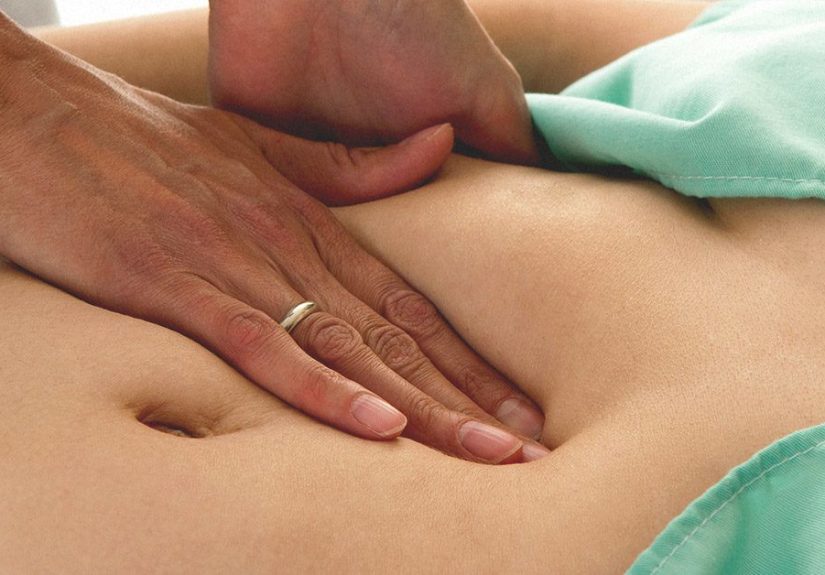
The exam can check for abdominal distention, tenderness, hydration status, and signs of underlying disease.
Lab work may be used to look for contributing issues (electrolyte abnormalities from vomiting, thyroid function,
markers of inflammation, andif relevantdiabetes control).
Step 3: Rule Out Mechanical Obstruction
Before calling something gastroparesis, clinicians usually want to be confident there isn’t a blockage.
Depending on symptoms and risk factors, that might involve:
- Upper endoscopy (EGD) to look at the esophagus, stomach, and the first part of the small intestine
- Imaging such as an upper GI series or other radiographic studies when appropriate
If an obstruction is found, that’s a different diagnosis and a different plan. If nothing is blocking the pathway,
the next question becomes: “How fast is the stomach actually emptying?”
Step 4: Measure Gastric Emptying (The Core of Diagnosis)
The most commonly recommended test is a gastric emptying scintigraphyalso called a
gastric emptying study/scan. It tracks how quickly a standardized meal leaves the stomach.
Many guidelines emphasize a 4-hour protocol because shorter tests can miss delayed emptying.
Gastric Emptying Scintigraphy (GES): What to Expect
In a typical GES, you eat a light, standardized meal (often egg-based) that contains a small tracer.
Then a special camera takes images over several hours to measure how much food remains in the stomach.
A commonly used benchmark is that if more than about 10% of the meal remains at 4 hours,
delayed gastric emptying is present (exact thresholds and protocols can vary by lab).
Practical tips that clinicians often consider (don’t DIY thisfollow your testing center’s instructions):
- Some medications that affect motility may need to be held beforehand (only if your prescriber says it’s safe).
- For people with diabetes, blood sugar control around the time of testing matters because high glucose can slow emptying.
- The test takes timebring something to do that doesn’t involve eating nachos in the waiting room.
Other Tests That May Be Used
If GES isn’t available or appropriate, clinicians may consider alternatives:
- Stable isotope gastric-emptying breath test (a non-radiology option in some settings)
- Wireless motility capsule (tracks transit through the GI tract)
- Electrogastrography (EGG) or other motility studies in select cases
These tests aren’t always interchangeable. The choice depends on availability, clinical context, and what question the clinician
is trying to answer (confirming delayed emptying, evaluating whole-gut transit, or exploring complex motility patterns).
Common Conditions That Can Mimic Gastroparesis
Because symptoms overlap, clinicians often think about a differential diagnosis, such as:
- Functional dyspepsia (upper abdominal discomfort/fullness without structural disease)
- GERD and reflux-related disorders
- Peptic ulcer disease
- Gallbladder or pancreatic conditions
- Medication side effects causing nausea or slowed motility
- Mechanical obstruction (must be excluded)
- Cyclic vomiting syndrome or other episodic vomiting disorders
The point isn’t to make you memorize a medical textbookit’s to explain why your clinician may order more than one test.
Gastroparesis is a diagnosis that’s earned through careful exclusion and confirmation, not guessed from symptoms alone.
What to Bring to Your Appointment (So You Don’t Rely on Memory When You Feel Miserable)
If you suspect gastroparesis, these details can help a clinician move faster:
- A list of symptoms and when they happen (especially in relation to meals)
- Any vomiting episodes and whether they occur hours after eating
- Medication list (include supplements and recent changes)
- History of diabetes (and recent A1C if you know it), surgeries, neurologic or autoimmune conditions
- Weight changes and hydration status (trouble keeping fluids down?)
- A short food log for a few days (what you ate and what happened afterward)
Bonus: if your stomach has been staging a protest, you might not feel like doing paperwork. But giving your clinician
a clear timeline can be the difference between “Let’s see how it goes” and “Let’s test gastric emptying and get answers.”
Living Experience Section (About ): What Gastroparesis Often Feels Like in Real Life
Medical definitions are tidy. Real life is not. People describing possible gastroparesis often sound less like a textbook
and more like a confused relationship update: “Me and food are on a break.” What follows are common experiences
patients reportshared here as educational examples, not as a replacement for medical care.
“A Few Bites and I’m Done”
One of the most frequent stories is early satiety. Someone sits down hungry, takes a few bites, and suddenly feels like
they’ve eaten a holiday feast. Not “pleasantly full,” but “my stomach has filed for bankruptcy” full. That can lead to
skipping meals, eating tiny portions, or grazing all dayoften without meaning to. Friends may say, “Just eat more,” which
is about as useful as telling a traffic jam to “just move faster.” Early satiety also makes social meals tricky: people
may feel embarrassed ordering a full plate and barely touching it, or anxious because they don’t know how their stomach will
behave this time.
“My Blood Sugar Has Plot Twists” (Especially with Diabetes)
People with diabetes sometimes describe a frustrating pattern: they dose insulin, eat, and then… nothing happens.
Blood sugar may drop early because insulin is working, but the food hasn’t emptied yet. Later, hours after the meal,
blood sugar spikes when the delayed meal finally shows up in the small intestine like a guest arriving after the party is over.
This unpredictability can be exhausting, and it’s one reason clinicians take symptoms seriously in diabetes care.
“It’s Not Just NauseaIt’s Planning My Whole Day Around My Stomach”
Even “milder” gastroparesis symptoms can be disruptive. Some people map their day around safe foods, timing, and bathroom
access. Others avoid long drives, meetings, or events because nausea might hit unexpectedly. Over time, this can affect mood,
energy, and relationshipsespecially when symptoms are invisible from the outside. People may look “fine” while feeling
miserable. That mismatch can make patients feel dismissed, which is why objective testing can be emotionally validating:
it turns “I feel awful” into “Here’s evidence of delayed gastric emptying.”
“The Diagnosis Journey Can Be the Hardest Part”
Many patients describe a long path: reflux meds, diet changes, “maybe it’s stress,” and multiple visits before anyone checks
gastric emptying properly. Part of the issue is that symptoms overlap with functional dyspepsia and other conditions, and not every
clinic jumps straight to a 4-hour gastric emptying study. Once a clinician does confirm delayed emptying and rules out obstruction,
people often say they finally have a “map.” Even if symptoms don’t vanish overnight, having a name for what’s happening helps them
work with their care teamadjusting meals, timing, medications, and, when needed, diabetes strategies.
If you recognize yourself in these stories, don’t self-diagnosebut do take your symptoms seriously. Track patterns,
share them with a clinician, and ask whether a proper evaluation for delayed gastric emptying is appropriate.
Your stomach may be acting like a slow-food enthusiast, but you deserve fast, clear answers.
Conclusion
Gastroparesis is a real, testable motility disorderdelayed stomach emptying without a blockagemost commonly linked to diabetes,
post-surgical changes, or idiopathic causes. Symptoms like nausea, vomiting, early fullness, bloating, reflux, and upper abdominal
discomfort can be disruptive, and in diabetes they can also create unpredictable blood sugar swings. Diagnosis typically requires
three things: consistent symptoms, exclusion of obstruction (often with endoscopy or imaging), and objective proof of delayed gastric
emptyingmost often with a 4-hour gastric emptying scintigraphy study.
If symptoms are persistent or worsening, the best next step is a thoughtful evaluation with a healthcare professional.
Getting the right diagnosis is the first step toward a plan that actually fits what your stomach is doingrather than what everyone
hopes it’s doing.