Table of Contents >> Show >> Hide
- What Is Galeria Acrylic Colour?
- Why Artists Like Galeria Acrylic Colour
- Best Uses for Galeria Acrylic Colour
- How Galeria Acrylic Colour Compares to Professional Acrylic Paint
- Color Range and Mixing Possibilities
- Opacity, Transparency, and Layering
- Tips for Painting With Galeria Acrylic Colour
- Using Mediums With Galeria Acrylic Colour
- Drying Time and Durability
- Who Should Buy Galeria Acrylic Colour?
- Common Mistakes to Avoid
- Buying Guide: Tubes, Sets, and Larger Sizes
- Real-World Experience With Galeria Acrylic Colour
- Conclusion
Galeria Acrylic Colour is the kind of paint that makes beginners feel brave and experienced artists feel pleasantly under-budget. Made by Winsor & Newton, Galeria Acrylics are designed for artists who want dependable color, smooth handling, and a polished finish without needing to sell a beloved houseplant to pay for supplies. Whether you are painting a canvas, decorating a wooden panel, experimenting in a sketchbook, or trying to revive a forgotten craft project from the back of the closet, this acrylic range offers a practical mix of quality, versatility, and everyday affordability.
In the world of acrylic paint, the sweet spot is not always easy to find. Some paints are inexpensive but thin, chalky, or suspiciously eager to disappear after one brushstroke. Others are gorgeous but priced like tiny tubes of liquid gemstones. Galeria Acrylic Colour sits comfortably in the middle: accessible enough for students and hobby painters, but refined enough for serious work, layering, color mixing, and finished pieces worth hanging on a wall.
What Is Galeria Acrylic Colour?
Galeria Acrylic Colour is a student-to-intermediate acrylic paint range from Winsor & Newton, a historic art materials brand known for producing paints, inks, brushes, and mediums for artists. The Galeria line is formulated with quality pigments in an acrylic resin binder, giving the paint strong color, good coverage, a smooth consistency, and a satin finish when dry.
Unlike heavy-body professional acrylics, Galeria Acrylic Colour has a fluid, easy-spreading texture. That makes it friendly for broad brushwork, underpainting, glazing experiments, craft projects, mixed media, and quick studies. It is not so runny that it behaves like ink, and not so thick that it requires a wrestling match with your palette knife. Think of it as the reliable friend who shows up on time, brings snacks, and does not make the creative process dramatic.
Why Artists Like Galeria Acrylic Colour
1. Strong Color Without the Luxury Price Tag
Galeria Acrylic Colour is popular because it delivers bright, clean color at a price many artists can actually use regularly. The paint is made with professional-quality pigments at a lower concentration than Winsor & Newton’s professional acrylic range. This means it may not have quite the same pigment density as premium artist-grade paint, but it still provides vivid results for painting, practice, illustration, decorative art, and classroom use.
For artists learning color theory, this matters. You can mix secondary and tertiary colors, test warm and cool palettes, and make mistakes without feeling like every failed experiment deserves a moment of silence.
2. Smooth Satin Finish
One of the signature qualities of Galeria Acrylic Colour is its smooth satin finish. Once dry, the paint has a soft sheen that sits between matte and glossy. This finish works well for many styles because it gives the surface a polished look without creating intense shine or glare.
The satin surface is especially helpful for decorative painting, abstract work, classroom projects, and layered acrylic techniques. If you prefer a different final appearance, you can adjust it with acrylic mediums or varnishes. A matte varnish can tone down shine, while a gloss varnish can deepen color and make the finished painting look more vibrant.
3. Easy Handling for Beginners and Hobbyists
Galeria Acrylic Colour is forgiving. It spreads easily, mixes predictably, and dries fast enough to keep momentum going. Beginners often appreciate that they can paint a background, clean a brush, make coffee, question their artistic identity, return, and keep painting without waiting half a day for the surface to dry.
Because acrylic paint is water-based while wet, cleanup is simple. Brushes can be rinsed with water before the paint dries. Once dry, acrylic becomes water-resistant, which is excellent for durability but not so excellent if you forgot to wash your favorite brush. The lesson is simple: rinse now, regret less later.
Best Uses for Galeria Acrylic Colour
Canvas Painting
Galeria Acrylic Colour works beautifully on primed canvas. It can be used for landscapes, portraits, abstract compositions, still life, and modern decorative art. Because it flows well, it is especially useful for covering large areas quickly. Titanium White, Mars Black, Ultramarine, Burnt Sienna, Yellow Ochre, and Cadmium Yellow Hue are useful staples for building a flexible starter palette.
Mixed Media Art
Galeria Acrylics pair well with collage, texture paste, markers, ink, charcoal, and acrylic mediums. Artists can use them as colorful base layers, then build over them with drawing tools or additional paint. Since acrylic dries quickly, it is excellent for mixed media pages where waiting too long can interrupt the creative rhythm.
Crafts and Decorative Projects
This paint is also a strong choice for craft surfaces such as wood, paperboard, canvas panels, papier-mâché, and some prepared decorative surfaces. For slick materials like glass, plastic, or metal, proper surface preparation and a suitable primer are important. Acrylic paint likes a little grip. Without it, the paint may behave like it is trying to escape.
Student and Classroom Work
Because Galeria Acrylic Colour balances quality and cost, it is practical for classrooms, workshops, and art students. It is affordable enough for frequent use and reliable enough to teach color mixing, layering, brush control, composition, and acrylic techniques.
How Galeria Acrylic Colour Compares to Professional Acrylic Paint
The main difference between Galeria Acrylic Colour and professional acrylic paint is pigment concentration. Professional acrylics usually contain more pigment, which can produce stronger tinting strength, richer color, and more nuanced handling. Galeria, however, still offers impressive color for its category and is easier on the budget.
If you are creating gallery work, selling originals, or need exact pigment performance, professional acrylics may be worth the investment. But if you are practicing, teaching, experimenting, decorating, or painting regularly, Galeria Acrylic Colour is often more than capable. It lets you paint freely instead of measuring every brushstroke like it came from a museum vault.
Color Range and Mixing Possibilities
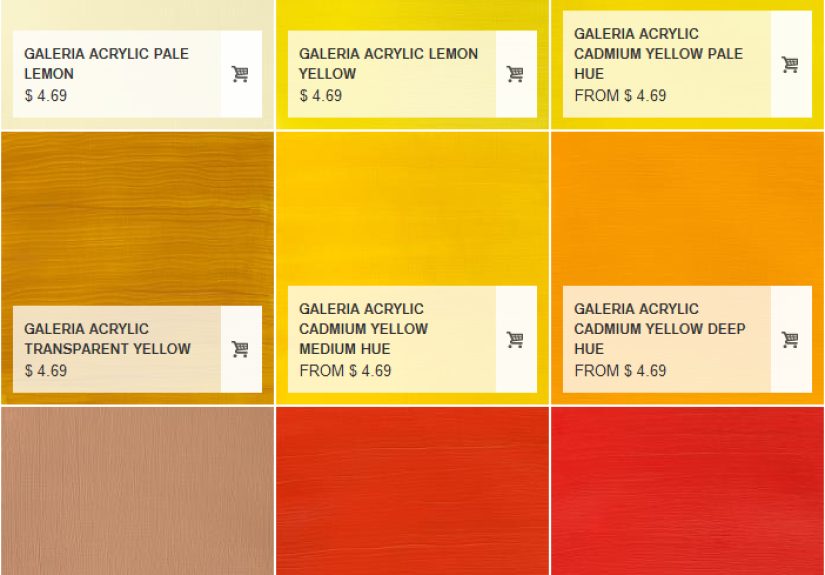
Galeria Acrylic Colour is available in a wide range of colors, including primary hues, earth tones, greens, blues, violets, reds, yellows, neutrals, and metallic or specialty options depending on availability. This broad range gives artists the choice to buy ready-made colors or mix custom shades from a smaller palette.
A simple beginner-friendly palette might include Titanium White, Mars Black, Process Cyan, Process Magenta, Process Yellow, Ultramarine, Burnt Sienna, Yellow Ochre, and Permanent Green Middle. With these colors, you can mix skin tones, muted neutrals, bright accents, natural greens, shadows, and expressive abstract combinations.
For example, mixing Ultramarine with Burnt Sienna creates deep natural darks that often look richer than plain black. Yellow Ochre mixed with Titanium White can produce warm highlights for landscapes, walls, sand, and skin tones. Process colors are useful for bright, modern color mixing, especially when you want clean oranges, greens, and purples.
Opacity, Transparency, and Layering
Not all acrylic colors behave the same way. Some Galeria colors are opaque and cover quickly, while others are transparent or semi-transparent. This is not a flaw; it is part of how pigments naturally work. Opaque colors are great for blocking in shapes, correcting areas, and creating bold graphic effects. Transparent colors are excellent for glazing, subtle shadows, and luminous layers.
Before painting, check the label or color chart for opacity information. If a color seems more transparent than expected, try layering it over a dry base coat or mixing it with a touch of Titanium White for more coverage. If you want luminous depth, thin transparent colors with acrylic medium rather than too much water. Water can be useful in moderation, but too much may weaken the paint film.
Tips for Painting With Galeria Acrylic Colour
Use a Stay-Wet Palette
Acrylic paint dries quickly, which is both a blessing and a tiny inconvenience wearing a painter’s apron. A stay-wet palette helps keep Galeria Acrylic Colour workable for longer, especially during detailed painting sessions. If you do not have one, misting the palette lightly with water can help, but avoid turning your paint into soup.
Build Layers Gradually
Galeria Acrylic Colour performs well in layers. Start with thin background washes or blocked-in shapes, then build thicker areas once the base is dry. This approach helps create depth and reduces muddy color mixing. Acrylic rewards patience, even if it dries fast enough to tempt impatience.
Choose the Right Brush
Synthetic brushes are ideal for acrylics. They hold their shape, clean more easily than natural hair brushes, and can handle the springy texture of acrylic paint. Flat brushes are useful for edges and broad strokes, round brushes handle details, and filberts offer soft blending. Palette knives can create texture, scrape back paint, and make you feel dramatically artistic in the best possible way.
Prepare the Surface
For canvas, a pre-primed surface is usually ready to go. For wood, sand lightly and apply gesso or acrylic primer. For paper, choose heavyweight acrylic paper or mixed media paper to prevent buckling. A good surface makes the paint look better and saves you from blaming the brush, the lighting, or Mercury in retrograde.
Using Mediums With Galeria Acrylic Colour
Acrylic mediums can change the behavior of Galeria Acrylic Colour. Gloss medium increases shine and transparency. Matte medium reduces sheen. Gel medium adds body and texture. Flow improver can help the paint move more smoothly for fine lines or staining effects. Modeling paste can create raised surfaces before painting.
Mediums are better than simply adding lots of water because they maintain the acrylic binder strength. A small amount of water is fine for thinning, but if you want controlled glazing, pouring, or texture, reach for the proper medium. Your painting will thank you by not flaking off like a bad sunburn.
Drying Time and Durability
Galeria Acrylic Colour dries quickly to the touch, though exact drying time depends on paint thickness, humidity, surface absorbency, and room temperature. Thin layers may dry within minutes, while thicker applications take longer. Once dry, acrylic paint forms a flexible, water-resistant film.
For finished artwork, varnishing can help protect the surface from dust, minor abrasion, and environmental wear. Winsor & Newton’s Galeria varnishes are available in different finishes, including gloss, matte, and satin. Always make sure the painting is fully dry before varnishing. Rushing varnish is like frosting a cake while it is still in the oven: technically bold, practically unwise.
Who Should Buy Galeria Acrylic Colour?
Galeria Acrylic Colour is a smart choice for beginners, art students, hobby painters, teachers, workshop leaders, mixed media artists, craft lovers, and anyone who paints often enough to care about cost. It is also useful for professional artists during planning stages, color studies, underpaintings, murals, or large practice pieces where premium paint might be unnecessary.
If you want maximum pigment load, specialty textures, or museum-level professional performance, you may eventually upgrade to a professional acrylic range. But for most everyday painting needs, Galeria Acrylic Colour offers a dependable and enjoyable experience.
Common Mistakes to Avoid
Letting Paint Dry in Brushes
Acrylic paint dries fast and becomes difficult to remove once hardened. Keep brushes damp during painting and wash them thoroughly afterward with mild soap and water.
Using Too Much Water
Water can thin acrylic paint, but too much may reduce adhesion and color strength. Use acrylic medium when you want transparency, flow, or extended working properties.
Skipping Surface Preparation
Raw wood, slick plastic, and very thin paper may not accept acrylic well without preparation. Use primer, gesso, sanding, or a proper acrylic-friendly surface for better results.
Expecting Every Color to Cover the Same
Transparent pigments naturally behave differently from opaque pigments. Learn each color’s personality. Some are bold extroverts; others are subtle poets.
Buying Guide: Tubes, Sets, and Larger Sizes
Galeria Acrylic Colour is commonly sold in individual tubes, starter sets, and larger containers. Sets are ideal for beginners because they provide a balanced selection of colors. Individual tubes are better when you know exactly which colors you use most. Larger sizes are practical for teachers, mural painters, background work, and artists who use a lot of white, black, or earth tones.
If you are just starting out, choose a set with primary colors, white, black, and a few earth tones. If you already paint regularly, buy larger tubes of Titanium White and your favorite mixing colors. White disappears quickly in acrylic painting, almost as if it has a secret side job.
Real-World Experience With Galeria Acrylic Colour
Using Galeria Acrylic Colour feels refreshingly straightforward. On a primed canvas panel, the paint spreads smoothly without dragging too much. It has enough body to show brush movement, but it is not so thick that it fights against detail work. For a quick landscape study, the blues and greens can cover the surface efficiently, while earth tones like Burnt Sienna and Yellow Ochre help create natural shadows, tree trunks, warm paths, and quiet background areas.
One of the most pleasant experiences with Galeria is how approachable it feels during color mixing. For example, a beginner painting a sunset can mix Process Magenta with Cadmium Yellow Hue to create lively oranges and corals. Add Titanium White, and the color becomes soft and creamy. Add a small amount of Ultramarine, and the same palette can shift toward muted evening shadows. This kind of flexibility makes the range enjoyable for practice because it encourages experimentation instead of perfection panic.
In craft projects, Galeria Acrylic Colour also performs well. On a lightly sanded wooden box prepared with gesso, two coats can create an even, attractive finish. The satin surface gives the object a clean, handmade look without appearing dull. For decorative patterns, the paint works nicely with small synthetic brushes. If the project will be handled often, a protective acrylic varnish is a good finishing step.
For mixed media journals, Galeria can be used as a colorful base layer. A thin coat dries quickly, allowing markers, ink, collage paper, or additional acrylic layers to be added. The paint is especially useful when you want strong color without building a heavy surface. Artists who enjoy intuitive painting may like squeezing several colors onto a palette and working quickly with a large brush or sponge. The paint responds well to energetic mark-making, dry brushing, and layering.
There are a few practical things to remember. Galeria Acrylic Colour dries quickly on the palette, especially in a warm room or near a fan. A light mist of water helps, but a stay-wet palette is even better for longer sessions. Some transparent colors may need multiple layers for full coverage, particularly over dark backgrounds. This is normal acrylic behavior, not a personal betrayal by the paint. For bold coverage, choose opaque colors or build a lighter base first.
Overall, the experience of using Galeria Acrylic Colour is relaxed, capable, and creative. It is not trying to be the most luxurious acrylic paint in the universe. Instead, it focuses on being useful, attractive, and dependable. That is exactly why many artists keep it in their studio: it lets them paint more often, test ideas freely, and enjoy the process without turning every canvas into a financial commitment.
Conclusion
Galeria Acrylic Colour is a strong choice for artists who want vivid acrylic paint, smooth handling, reliable coverage, and a clean satin finish at an accessible price. It works well for canvas painting, mixed media, student practice, decorative art, classroom projects, and everyday creative exploration. While professional acrylics may offer higher pigment concentration, Galeria provides an excellent balance of performance and value.
For beginners, it removes much of the intimidation from acrylic painting. For experienced artists, it offers a practical paint for studies, backgrounds, workshops, and large-scale experimentation. Add a few good brushes, a prepared surface, and a willingness to make colorful mistakes, and Galeria Acrylic Colour can become a dependable part of your creative toolkit.
Note: This article is written in original American English for web publication and is based on real product information, common acrylic painting practices, and current art-material descriptions from manufacturer and reputable art-supply sources.