Table of Contents >> Show >> Hide
- What Is Fish Oil?
- Can Fish Oil Help With Hair Growth?
- Fish Oil Benefits for Hair
- Fish Oil for Hair Growth: Food vs. Supplements
- How to Use Fish Oil for Hair
- Can You Apply Fish Oil Directly to Hair?
- Who May Benefit Most From Fish Oil for Hair?
- Possible Side Effects of Fish Oil
- How to Choose a Fish Oil Supplement
- Fish Oil and Hair Loss: When to See a Dermatologist
- Best Foods Rich in Omega-3s for Hair Health
- Realistic Timeline: When Will You See Results?
- Experience-Based Notes: What People Often Notice When Using Fish Oil for Hair
- Conclusion
Fish oil has a reputation that is almost too shiny for its own good. One minute it is being praised for heart health, the next it is sitting in the beauty aisle wearing a metaphorical crown that says, “Longer hair, thicker strands, happier scalp.” But does fish oil really help hair grow, or is it just another supplement trend swimming upstream?
The honest answer: fish oil may support healthier hair, especially when your diet is low in omega-3 fatty acids, but it is not a magic potion for bald spots, shedding, or overnight Rapunzel results. Hair growth is influenced by genetics, hormones, stress, scalp health, diet, medication, age, and medical conditions. Fish oil can be one helpful piece of that puzzle because it contains omega-3 fatty acids, mainly EPA and DHA, which support normal cell function, inflammation balance, and overall skin health.
In this guide, we will unpack the real benefits of fish oil for hair growth, hair thickness, scalp comfort, and shine. We will also cover how to use fish oil safely, whether food or supplements are better, what results you can reasonably expect, and when hair loss deserves a dermatologist instead of another bottle of capsules.
What Is Fish Oil?
Fish oil is oil extracted from fatty fish such as salmon, sardines, anchovies, herring, and mackerel. Its star nutrients are omega-3 fatty acids, especially eicosapentaenoic acid, better known as EPA, and docosahexaenoic acid, better known as DHA. These fats are considered essential because the body cannot make enough of them on its own, so they must come from food or supplements.
Omega-3 fatty acids are involved in many body processes, including cell membrane structure, immune function, cardiovascular health, and inflammation regulation. Since hair follicles are living structures surrounded by blood vessels, oil glands, immune activity, and skin cells, it makes sense that nutrition can influence the environment where hair grows.
However, “supports hair health” is not the same as “cures hair loss.” Fish oil should be viewed as a nutritional support, not a guaranteed hair-growth treatment.
Can Fish Oil Help With Hair Growth?
Fish oil may help hair growth indirectly by supporting the scalp and follicle environment. A small clinical study on women with hair loss found that a six-month supplement containing omega-3, omega-6, and antioxidants was associated with improved hair density and reduced telogen percentage, meaning fewer hairs were in the resting/shedding phase. That sounds promising, but there is an important catch: the supplement contained multiple nutrients, not fish oil alone.
So, the evidence suggests omega-3 fatty acids may be helpful for some people, especially as part of a broader nutrition plan, but more research is needed before anyone can confidently say fish oil alone grows hair. Think of fish oil as a supportive teammate, not the whole basketball team.
How Omega-3s May Support Hair Follicles
Hair grows from follicles, and follicles need a steady supply of nutrients, oxygen, and healthy cellular activity. Omega-3 fatty acids may support this process by helping maintain flexible cell membranes and supporting normal inflammatory responses. A calmer scalp environment may be helpful for people whose shedding is worsened by irritation, dryness, or inflammation-related scalp discomfort.
Omega-3s also support general skin barrier function. Since the scalp is skin, a healthier skin barrier may help reduce dryness and flakiness, creating a better environment for hair to look and feel its best.
Fish Oil Benefits for Hair
1. May Support Hair Thickness
Hair thickness depends on follicle size, hair shaft diameter, genetics, hormones, and nutrition. Fish oil cannot change your genetic blueprint, but omega-3 intake may support the conditions needed for stronger-looking strands. In the study mentioned earlier, many participants reported improvements in hair diameter and density after six months of supplementation with omega fatty acids and antioxidants.
For someone whose diet is low in fatty fish, nuts, seeds, and other healthy fats, increasing omega-3 intake may help hair appear less dry and more resilient over time. The key phrase is “over time.” Hair grows slowly, so meaningful changes usually require several months, not several showers.
2. May Help Reduce Excessive Shedding Related to Poor Nutrition
Hair shedding can happen for many reasons, including postpartum changes, illness, rapid weight loss, low iron, thyroid issues, stress, medication, or androgenetic alopecia. Fish oil will not fix all of these causes. However, a balanced diet that includes omega-3-rich foods can help support normal hair cycling.
If your shedding is related to a nutrient gap, improving your overall diet may help. If your shedding is sudden, patchy, severe, or ongoing, it is smarter to see a dermatologist than to keep collecting supplements like beauty trophies.
3. May Support Scalp Comfort
Dry, itchy, or irritated scalps can make hair feel harder to manage. Omega-3 fatty acids are known for supporting inflammatory balance in the body, and research has explored their role in inflammatory skin conditions. While fish oil is not a replacement for medicated shampoos or dermatologist-prescribed treatments, it may support scalp comfort as part of a healthy lifestyle.
For example, someone with a dry scalp may benefit from improving hydration, using a gentle shampoo, avoiding harsh styling products, and increasing omega-3 foods. Fish oil can be part of that strategy, but it should not be the only strategy.
4. May Improve Shine and Smoothness
Hair shine is mostly about the condition of the hair cuticle, the outer layer of the strand. Fish oil does not act like a conditioner once swallowed, but healthy fats in the diet can support skin and oil gland function. When the scalp is less dry and the hair shaft is better cared for, hair may look smoother and less straw-like.
Still, if your hair is dull because of heat styling, bleaching, sun exposure, or harsh brushing, fish oil will not repair that damage by itself. You will still need gentle hair care, fewer heat tools, and possibly a deep conditioner that does not smell like a fishing dock.
5. May Support Overall Hair Wellness Through Better Nutrition
Hair is not an essential organ, which is rude but true. When the body is under stress or not getting enough nutrients, hair growth can slow because the body prioritizes more important functions. Eating enough protein, iron, zinc, vitamin D, B vitamins, and healthy fats matters for hair wellness.
Fish oil contributes healthy fats, but it is only one part of a hair-supportive diet. Salmon with vegetables and whole grains will usually do more for your hair than a capsule taken alongside a diet built on coffee and emergency cookies.
Fish Oil for Hair Growth: Food vs. Supplements
Getting Omega-3s From Food
For most people, food is the best first choice. Fatty fish such as salmon, sardines, trout, anchovies, and mackerel provide EPA and DHA along with protein, vitamin D, selenium, and other nutrients that support overall health. The American Heart Association recommends eating fish, especially fatty fish, about twice per week as part of a heart-healthy eating pattern.
If you do not eat fish, plant foods such as chia seeds, flaxseeds, walnuts, and canola oil provide ALA, another omega-3 fatty acid. The body can convert some ALA into EPA and DHA, but the conversion is limited. Vegans and vegetarians may consider algae-based DHA/EPA supplements after checking product quality and discussing it with a healthcare professional.
Using Fish Oil Supplements
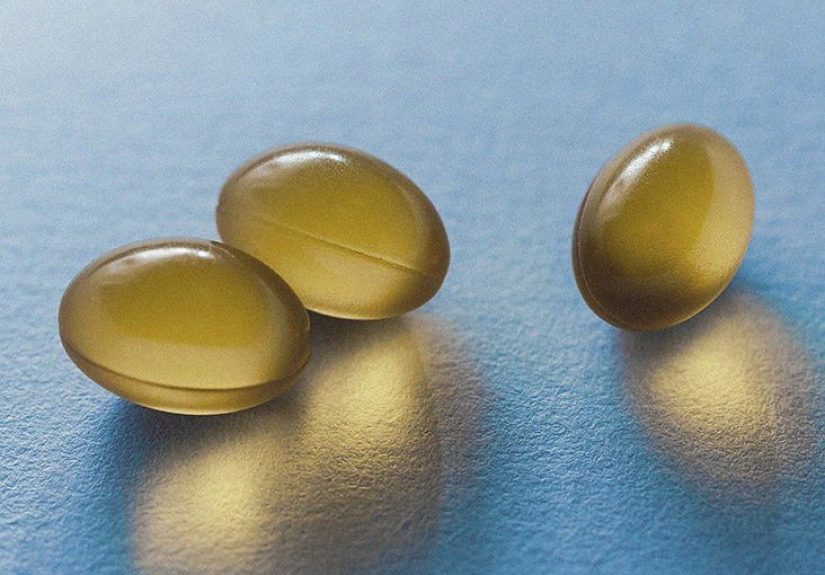
Fish oil supplements can be useful for people who do not eat fish or who have specific health reasons to increase omega-3 intake. But supplements vary widely in EPA and DHA content. A capsule labeled “1,000 mg fish oil” does not always mean it contains 1,000 mg of EPA and DHA. Always check the supplement facts label.
Choose products that are third-party tested for purity and potency. Look for testing seals from reputable independent organizations when available. This matters because supplement quality can vary, and fish oil can oxidize or contain contaminants if poorly processed or stored.
How to Use Fish Oil for Hair
Step 1: Start With Your Diet
Before buying supplements, look at your weekly meals. If you rarely eat fatty fish or omega-3-rich foods, start there. Try adding salmon, sardines, trout, or herring once or twice a week. If fish is not your thing, add chia seeds to oatmeal, walnuts to salads, or ground flaxseed to smoothies.
Step 2: Consider a Supplement If Needed
If food sources are not realistic, a fish oil supplement may be considered. Many over-the-counter products provide a combination of EPA and DHA, but the amounts differ. Avoid megadosing for hair growth. More is not automatically better, and high doses may increase side effects or interact with medications.
People who take blood thinners, have bleeding disorders, have fish or shellfish allergies, are preparing for surgery, are pregnant or breastfeeding, or have heart rhythm issues should speak with a healthcare professional before taking fish oil supplements.
Step 3: Take Fish Oil With Meals
Fish oil is usually easier on the stomach when taken with food, especially a meal containing some fat. This can also reduce fishy burps, which are nobody’s idea of luxury beauty care. Some people find that freezing capsules helps reduce aftertaste, though you should follow the storage instructions on the product label.
Step 4: Give It Enough Time
Hair grows slowly, usually around half an inch per month. If fish oil helps your hair, you are unlikely to see dramatic changes in two weeks. A fair trial is usually three to six months, while also improving sleep, protein intake, scalp care, and stress management.
Step 5: Track Results Honestly
Take photos in the same lighting once a month. Note shedding, scalp comfort, shine, and breakage. Do not judge progress by one dramatic shower drain moment. Everyone sheds hair daily, and long hair naturally makes shedding look more alarming because each strand is basically a tiny jump rope.
Can You Apply Fish Oil Directly to Hair?
Technically, yes, but should you? That depends on your patience for smelling like seafood salad. Some beauty routines suggest applying fish oil directly to the scalp or hair, but there is limited evidence that topical fish oil improves hair growth. It may feel moisturizing because it is an oil, but it can also be messy, strongly scented, and irritating for some people.
If you want to try a topical oil for dryness, options like argan oil, coconut oil, jojoba oil, or lightweight hair serums may be more pleasant and cosmetically elegant. Fish oil is generally better used as a dietary nutrient than as a leave-in hair perfume from the ocean.
Who May Benefit Most From Fish Oil for Hair?
Fish oil may be most useful for people who rarely eat omega-3-rich foods, have dry scalp tendencies, want to support overall skin and hair wellness, or are building a nutrition plan for healthier hair. It may also be helpful as part of a broader approach for people experiencing mild shedding connected to stress or diet quality.
However, fish oil is less likely to make a major difference if hair loss is caused by genetics, autoimmune disease, scarring alopecia, untreated thyroid disease, iron deficiency, medication effects, or hormonal conditions. In those cases, the right diagnosis matters more than the trendiest supplement.
Possible Side Effects of Fish Oil
Fish oil is generally well tolerated when used appropriately, but side effects can happen. Common complaints include fishy aftertaste, bad breath, nausea, heartburn, loose stools, and stomach discomfort. High doses may increase bleeding risk in some situations and may not be appropriate for people on certain medications.
Some research has also raised questions about high-dose omega-3 supplements and heart rhythm concerns in certain groups. This does not mean everyone should fear fish oil, but it does mean supplements should be used thoughtfully. A food-first approach is usually the safest and most balanced option for general wellness.
How to Choose a Fish Oil Supplement
If you decide to use a supplement, look for clear labeling of EPA and DHA amounts, not just total fish oil. Choose products that are third-party tested, fresh, and stored properly. Avoid products with a rancid smell. Fish oil should not smell like it lost a fight behind a seafood market.
Also consider sustainability. Smaller fish such as anchovies and sardines are often used in fish oil and may be lower in mercury than large predatory fish. If you are concerned about contaminants, choose reputable brands that publish purity testing or use third-party certification.
Fish Oil and Hair Loss: When to See a Dermatologist
Do not rely on fish oil alone if your hair loss is sudden, patchy, painful, associated with scalp redness or scaling, or accompanied by fatigue, weight changes, menstrual changes, or other symptoms. A dermatologist can check for causes such as alopecia areata, androgenetic alopecia, telogen effluvium, seborrheic dermatitis, psoriasis, thyroid disease, low ferritin, or medication-related shedding.
Professional treatments such as minoxidil, prescription medications, anti-inflammatory scalp treatments, platelet-rich plasma, or correction of nutrient deficiencies may be more effective depending on the cause. Fish oil can support wellness, but it should not delay proper care.
Best Foods Rich in Omega-3s for Hair Health
To support hair from the inside out, include omega-3-rich foods regularly. Good choices include salmon, sardines, trout, herring, anchovies, oysters, chia seeds, flaxseeds, walnuts, and algae-based omega-3 products. Pair these with protein-rich foods such as eggs, Greek yogurt, beans, poultry, tofu, or lean meat because hair is made mostly of keratin, a protein.
A simple hair-supportive meal might be grilled salmon with quinoa, spinach, olive oil, and roasted vegetables. Another option is oatmeal with chia seeds, walnuts, berries, and Greek yogurt. These meals provide healthy fats, protein, antioxidants, and minerals without needing to turn your kitchen into a supplement laboratory.
Realistic Timeline: When Will You See Results?
If fish oil improves your hair health, expect subtle changes first. Scalp dryness may improve before growth does. Shine and softness may become noticeable after several weeks, especially if your diet was low in healthy fats. Hair density or shedding changes may take three to six months because hair cycles move slowly.
If you see no change after six months, fish oil may not be the missing piece. That does not mean it is useless for overall health, but it may not be the answer for your hair concern.
Experience-Based Notes: What People Often Notice When Using Fish Oil for Hair
People who try fish oil for hair usually fall into three groups. The first group notices better overall hair feel, especially less dryness and a little more shine. These are often people who previously ate very little fat or rarely consumed omega-3 foods. For them, fish oil may help fill a dietary gap. The change is not dramatic like a shampoo commercial where someone flips their hair and causes a small weather event, but it can be meaningful. Hair may feel less brittle, the scalp may feel less tight, and styling may become easier.
The second group notices improvements only when fish oil is combined with better habits. For example, someone may start taking fish oil while also eating more protein, washing with a gentler shampoo, reducing heat styling, sleeping more, and managing stress. After four months, their shedding seems calmer and their hair looks fuller. Was it the fish oil? Maybe partly. But it was likely the whole routine. This is important because hair responds to patterns, not isolated heroic gestures. One capsule cannot outwork chronic stress, crash dieting, tight hairstyles, and a flat iron set to “volcano.”
The third group notices no major hair change at all. This can happen when the real cause of hair loss is genetic, hormonal, autoimmune, or medical. Fish oil may still support general nutrition, but it will not reverse every type of shedding. Someone with female pattern hair loss, for instance, may need evidence-based treatments such as topical minoxidil or a dermatologist-guided plan. Someone with low iron may need iron correction, not more omega-3. Someone with a scaly inflamed scalp may need a medicated shampoo or prescription treatment.
A practical experience many users mention is that fish oil is easier to stick with when taken during a meal. Taking it on an empty stomach can lead to burps, nausea, or reflux. Choosing enteric-coated capsules, refrigerating or freezing capsules when allowed by the label, and splitting the dose between meals may reduce discomfort. People who dislike capsules often do better by eating fatty fish twice weekly instead. Sardines on toast may not sound glamorous, but neither do fish burps during a meeting.
Another real-world lesson is to track hair carefully. Hair improvements are slow and easy to miss. Monthly photos in consistent lighting are more reliable than daily mirror inspections. It also helps to track shedding without panic. Some shedding is normal. If you are losing clumps, seeing widening parts, developing bald patches, or noticing scalp pain, that is not a “wait and see with supplements” situation. That is a “book an appointment” situation.
The best experience with fish oil usually comes from realistic expectations. Use it to support a balanced diet and scalp wellness, not as a miracle hair-growth product. Combine omega-3 intake with enough protein, iron-rich foods, colorful fruits and vegetables, gentle hair care, and medical guidance when needed. In that context, fish oil can be a smart supporting actor in your hair routine. It may not win the Oscar, but it can still improve the cast.
Conclusion
Fish oil may benefit hair by supporting scalp comfort, healthy inflammation balance, shine, and possibly hair density when omega-3 intake is low. The most promising evidence involves omega fatty acids as part of broader nutritional formulas, not fish oil alone. For that reason, fish oil should be seen as a supportive wellness tool rather than a guaranteed hair-growth treatment.
For best results, start with omega-3-rich foods such as salmon, sardines, trout, chia seeds, flaxseeds, and walnuts. If you choose a supplement, select a high-quality product, check the EPA and DHA content, take it with food, and avoid excessive dosing. Most importantly, do not ignore persistent or sudden hair loss. A dermatologist can identify the real cause and recommend treatments that match your hair’s actual needs.
Healthy hair loves consistency. Feed your body well, treat your scalp kindly, protect your strands, and give any routine enough time to work. Fish oil may help, but the real secret is building a hair-care plan that does not depend on one shiny capsule doing all the heavy lifting.