Table of Contents >> Show >> Hide
- How Vaccines Actually Work (Without a PhD in Immunology)
- Why Vaccinations Matter So Much
- Vaccine Schedules Across Your Lifespan
- What’s in a Vaccine (and What’s Not)
- Vaccine Safety: How We Know Vaccines Are Safe
- Common Myths About Vaccinations (And the Facts)
- What to Expect When You Get Vaccinated
- Talking With Your Healthcare Provider About Vaccines
- Real-Life Experiences and Lessons From Vaccination
- Bringing It All Together
If you’ve ever stared at a vaccination chart and thought, “This looks like the periodic table with more needles,” you’re not alone. Vaccines can feel confusing: so many names, doses, schedules, and opinions. Yet underneath all that complexity is a simple idea: vaccinations are one of the safest, most powerful tools we have to prevent serious disease.
In this guide, we’ll walk through how vaccines work, why they matter at every age, what’s actually in them, how safety is monitored, and how to separate fact from internet rumor. Think of this as your straight-talking, science-backed, slightly funny crash course in vaccines.
How Vaccines Actually Work (Without a PhD in Immunology)
Your Immune System 101
Your immune system is basically your body’s security team. When a germ (virus or bacteria) breaks in, your immune system learns to recognize it, fights it off, and keeps “wanted posters” for next time. Those posters are antibodies and memory cells. The next time that germ shows up, your body responds faster and stronger.
What a Vaccine Does
A vaccine is like giving your immune system a high-quality training simulation. Instead of facing the full-strength disease, you’re exposed to a weakened, inactivated, or tiny piece of the germor in the case of some modern vaccines, just the recipe for one harmless piece of it. Your body responds as if a threat is present, builds immunity, and then is ready for the real thing later.
Different vaccines use different strategies to teach your immune system:
- Inactivated vaccines: Contain killed germs (like some flu shots).
- Live attenuated vaccines: Contain weakened germs that can’t cause disease in healthy people (e.g., measles-mumps-rubella).
- Subunit or protein vaccines: Use just one piece of the germ, often a protein on its surface.
- Toxoid vaccines: Target toxins produced by bacteria (like tetanus and diphtheria).
- mRNA vaccines: Give your cells instructions to briefly make a harmless piece of the virus (such as COVID-19 spike protein), so the immune system can practice on it.
In every case, the goal is the same: build protection without you having to suffer through the actual disease and its complications.
Why Vaccinations Matter So Much
Protection for You
Vaccines prevent serious illnesses that used to be common: measles, polio, tetanus, diphtheria, whooping cough, certain types of pneumonia, meningitis, and more. These aren’t just “childhood rashes” or “mild fevers”they can cause hospitalization, long-term disability, or death.
For example, measles can lead to pneumonia and brain inflammation. Tetanus can cause painful muscle spasms so severe that bones break. HPV can lead to several types of cancer. Vaccination dramatically lowers your chances of ever dealing with those complications.
Protection for Your Community
Vaccination isn’t only about you; it’s about everyone around you. Some peoplenewborns, people receiving chemotherapy, or those with certain immune conditionscan’t get specific vaccines or don’t respond as well to them. They rely on everyone else’s immunity to keep diseases from circulating. This community protection is often called herd immunity.
When enough people in a community are vaccinated, a virus or bacteria runs out of easy targets. Outbreaks die out faster, and sometimes diseases nearly disappear in a region. That’s how polio has been pushed to the brink in many parts of the world.
Vaccine Schedules Across Your Lifespan
Babies and Young Children
Babies are born with some protection from mom, but it fades quickly. That’s why the childhood immunization schedule is front-loaded in the first years of life. Those early vaccines protect against serious diseases like measles, polio, whooping cough, and bacterial meningitisdiseases that are especially dangerous for infants and toddlers.
The schedule is not random. It’s based on when kids are most at risk and when their immune systems respond best. Spacing doses helps build strong, long-lasting immunity. If a child falls behind, catch-up schedules are availablebut staying on track is usually simpler and safer.
Preteens and Teens
The job of adolescent vaccines is to top off protection and add coverage against risks that show up later in life. This often includes:
- HPV vaccine to reduce the risk of cancers caused by human papillomavirus.
- Meningococcal vaccines to help prevent certain types of meningitis.
- Tdap booster (tetanus, diphtheria, pertussis) for renewed protection.
These aren’t “nice to have” extras; they’re carefully chosen to prevent serious diseases at ages when exposure risk increases.
Adults and Older Adults
Vaccines aren’t just for kids. Adults need:
- Regular flu shots (every year, because flu strains evolve).
- Tetanus boosters every 10 years (often with diphtheria and pertussis protection included).
- COVID-19 vaccines and boosters as recommended, especially for older adults and people with chronic illnesses.
- Shingles and pneumonia vaccines for older adults and certain high-risk groups.
If you can’t remember when you last had a shot that wasn’t a photo on your phone, it’s probably time to ask your healthcare provider what you’re missing.
What’s in a Vaccine (and What’s Not)
Vaccine ingredients can sound intimidatingformaldehyde, aluminum, stabilizers, and unfamiliar chemical names. But context matters.
- Active ingredient: The part that teaches your immune system (weakened/killed virus, protein, or genetic instructions).
- Adjuvants (like aluminum salts): Help boost your immune response so you need fewer doses.
- Stabilizers and preservatives: Help keep the vaccine effective and free of contamination during storage and transport.
These ingredients are present in very small amountsoften far less than what you encounter in food, water, and the environment every day. No, vaccines are not “toxic soup.” They’re carefully balanced formulas designed to maximize immunity and minimize risk.
Vaccine Safety: How We Know Vaccines Are Safe
Before Approval: Layers of Testing
Before any vaccine is approved, it goes through multiple phases of clinical trials. Tens of thousands of volunteers are enrolled to answer three core questions:
- Does it work?
- Is it safe?
- What are the side effects and how common are they?
These studies compare vaccinated and unvaccinated groups and look for any differences in health outcomes. Only when benefits clearly outweigh risks does a vaccine move forward to approval by regulatory agencies.
After Approval: Ongoing Monitoring
Once a vaccine is in use, safety monitoring actually ramps up. Systems in the United States include:
- VAERS (Vaccine Adverse Event Reporting System) – An early-warning system that allows healthcare providers, manufacturers, and the public to report health problems after vaccination.
- Active surveillance systems – Large healthcare databases are used to look for patterns and rare side effects that might not show up in clinical trials.
- Independent expert committees – Specialists review data from multiple sources and recommend actions if any safety concerns appear.
Most reported side effects are mild and short-lived: sore arm, fatigue, low-grade fever, or feeling “off” for a day or two. Serious reactionssuch as severe allergic reactionsare very rare, and vaccination sites are trained and equipped to respond quickly.
How Risk Really Compares
Every medical decision involves weighing risks and benefits. With vaccines, the benefits are huge and well-documented, and the serious risks are extremely uncommon. Meanwhile, the diseases they prevent can cause hospitalization, long-term complications, or deathespecially in young children, older adults, and people with underlying conditions.
In plain language: the risk of taking recommended vaccines is tiny compared with the risk of the diseases they prevent.
Common Myths About Vaccinations (And the Facts)
Myth #1: “Vaccines cause autism.”
This claim started with a small study in the 1990s that has since been fully retracted for serious misconduct. Large, well-designed studies involving hundreds of thousands of children have found no link between vaccines and autism. None. Zero.
Autism is a complex neurodevelopmental condition with genetic and environmental factors, but routine vaccines are not on that list. The consensus among major medical and public health organizations is clear: vaccines do not cause autism.
Myth #2: “There are too many vaccines; they overwhelm the immune system.”
Every day, your immune system encounters countless germs from food, surfaces, air, and other people. The antigen load from modern vaccines is tiny compared with what your body handles naturally. In fact, today’s vaccines often contain fewer antigens than older versions, even though they protect against more diseases.
Bottom line: your child’s immune system can absolutely handle the recommended vaccine schedule. It’s built for this.
Myth #3: “Vaccine ingredients are toxic.”
At high doses, almost anything is toxicincluding water and oxygen. The key is dose. The small amounts of ingredients in vaccines are carefully chosen and tested for safety. For example, trace amounts of formaldehyde in some vaccines are far lower than what your own body naturally produces as part of its normal metabolism, and less than what’s found in many foods.
Adjuvants like aluminum salts have been used in vaccines for decades to help your immune system respond better. Everyday exposure to aluminum from food, water, and the environment is typically higher than what you get from vaccines over time.
Myth #4: “mRNA vaccines change your DNA.”
mRNA vaccines (such as some COVID-19 vaccines) deliver instructions to your cells to make a harmless piece of a virus for a short period. The mRNA stays in the cell’s cytoplasm and does not enter the cell nucleus, where your DNA lives. It’s quickly broken down by the body after it’s used.
No merging with your genetic code. No rewriting of your DNA. Think of mRNA as a disposable recipe card, not a permanent edit to your cookbook.
What to Expect When You Get Vaccinated
Before Your Appointment
- Review your vaccine record if you have it.
- Write down questions or concerns so you don’t forget them in the exam room.
- Tell your provider about allergies, medications, and any past reactions to vaccines.
During the Shot
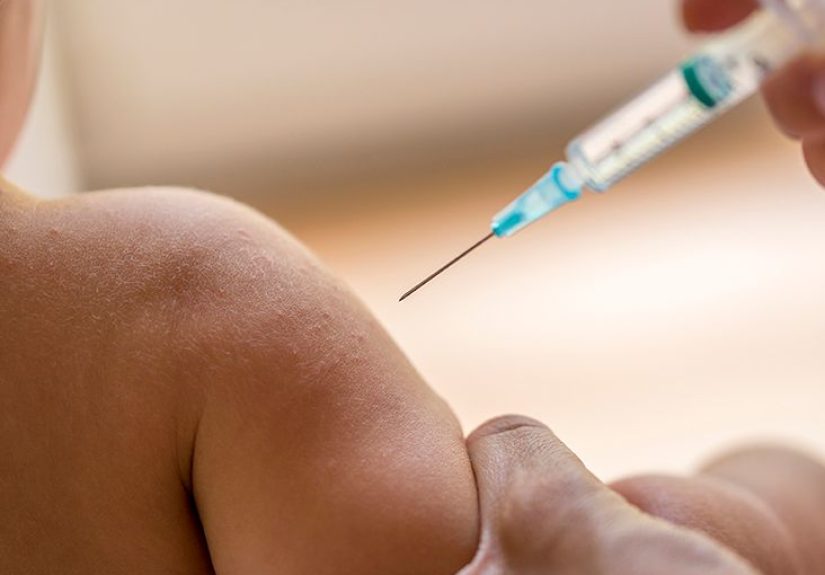
Most vaccines are given in the arm (for adults) or thigh (for infants and small children). The actual injection takes just a few seconds. Deep breathing, looking away, or distracting yourself with your phone can make it easier. Kids often do well with comfort objects, songs, or a quick game during the shot.
Afterward
You might have some short-lived side effects: soreness where the shot was given, mild fever, headache, fatigue, or muscle aches. These are signs your immune system is doing its job. Over-the-counter pain relievers (used as directed and when appropriate for age) and rest usually help.
Serious reactions are rare, but your provider will tell you which warning signs need urgent attention (like difficulty breathing, facial swelling, or chest pain). If you ever think you’re having a serious reaction, seek medical care right away.
Talking With Your Healthcare Provider About Vaccines
It’s normal to have questions. Good providers welcome those questions. You can ask:
- “Which vaccines do you recommend for me (or my child) right now, and why?”
- “What are the most common side effects and how should I manage them?”
- “What are the risks if we delay or skip this vaccine?”
- “How do we know this vaccine is safe?”
Bring your concerns to the table openly rather than turning to social media comment threads or random forums. Your healthcare team has training, data, and real-world experience that TikTok simply does not.
Real-Life Experiences and Lessons From Vaccination
Facts and charts are helpful, but sometimes stories are what stick. Here are some common real-world experiences related to vaccinationsand what they teach us.
A New Parent at the First Well-Baby Visit
Picture a new parent walking into the pediatrician’s office with a sleepy newborn and a head full of worries: Are all these shots really necessary? What if my baby has a reaction? As the provider explains that these vaccines protect against meningitis, whooping cough, and other life-threatening diseases, the conversation shifts from “Why so many?” to “How do I keep my baby as safe as possible?”
After the visit, the baby might be fussy for a bit, maybe run a low feverbut by the next day, things are mostly back to normal. That one appointment quietly lowered the baby’s risk of several serious infections. The parent may never see the diseases their child is now protected from, and that’s the whole point.
The College Student and Meningitis Awareness
College campuses are perfect environments for germs: shared living spaces, crowded classrooms, late nights, and plenty of social contact. Many students receive meningococcal vaccines in their teens, but catching up is sometimes needed before moving into dorms.
A student might initially shrug off the recommendationuntil they hear that meningococcal infections can progress rapidly, sometimes within hours, and lead to brain damage or death. Suddenly, a quick shot and a sore arm feel like a very small price for peace of mind. On many campuses, vaccination is not just a suggestion; it’s required for enrollment or housing.
Travel, Vaccines, and “I’m Glad I Asked Ahead of Time”
Imagine planning your dream trip: new foods, historic sites, maybe a beach or two. In the middle of booking flights, your provider asks, “Have you checked which vaccines you might need?” Some destinations carry higher risks for diseases like hepatitis A, typhoid, or yellow fever.
Travel vaccines can feel like one more thing on your to-do list, but they can also prevent a vacation from turning into a hospital stayor protect you from bringing a disease home. People who take the time to get vaccinated before travel often come back with stories of great meals and beautiful views, not of medical emergencies abroad.
Older Adults, Flu Season, and Hospital Avoidance
Many older adults see the flu shot as optionaluntil they or someone they know lands in the hospital after a bad bout of influenza. Flu vaccines are not perfect; some years they work better than others. But they consistently reduce the risk of severe illness, complications, and hospitalization, especially in people over 65 or those with heart, lung, or other chronic conditions.
For older adults, pairing flu, COVID-19, and pneumonia vaccines as recommended can be the difference between a mild respiratory illness at home and a serious health crisis. Many families have quietly watched these vaccines keep their loved ones out of the ICU.
Community Outbreaks and the “Invisible” Power of Vaccination
Occasionally, a community with declining vaccination rates experiences an outbreaksay, measles in a school district or a cluster of whooping cough cases. Suddenly, parents, schools, and public health departments scramble: contact tracing, quarantines, emergency vaccine clinics.
Meanwhile, families who kept up with vaccinations often have very different experiences. Their children may be exposed but stay healthy. Life may be disrupted (quarantines still apply in some situations), but they’re far less likely to deal with hospital stays, long-term complications, or the fear of “Will my child be okay?”
These stories highlight a simple truth: vaccines quietly prevent crises. When things go well, nothing happensand it’s easy to forget that “nothing” is actually a huge win.
Bringing It All Together
Vaccinations are not a perfect shield or a guarantee that you’ll never get sick. No medical intervention can promise that. But they dramatically reduce your risk of serious illness, hospitalization, and long-term complications from many infectious diseases. They protect vulnerable people around you and help keep communities stable and healthy.
Understanding how vaccines work, why schedules are structured the way they are, and how safety is monitored can turn anxiety into informed confidence. Instead of feeling overwhelmed by headlines or social media debates, you can make decisions grounded in decades of research, careful review, and real-world experience.
If you have questions or special health circumstances, talk with a trusted healthcare professional who knows your medical history. Bring your concerns. Ask for explanations. You don’t have to navigate the world of vaccinations aloneand you definitely don’t have to do it by scrolling through comment sections at 2 a.m.
In the big picture, vaccines are one of the few tools in medicine that routinely transform life-threatening diseases into rare events. That’s “boring” in the best possible wayand absolutely something to celebrate.