Table of Contents >> Show >> Hide
- Step 1: I Did Not Dump Everything Straight Into the Washer
- Step 2: I Sorted by Fabric, Soil Level, and Funk Level
- Step 3: I Pre-Treated the Obvious Stains
- Step 4: I Washed the Smelliest Clothes Separately
- Step 5: I Tackled Campfire Smoke Without Perfume Warfare
- Step 6: I Cleaned the Rain Gear Like Gear, Not Like a T-Shirt
- Step 7: I Gave Hiking Pants and Fleece Their Own Loads
- Step 8: I Washed Towels, Camp Sleep Clothes, and Pillowcases Thoroughly
- Step 9: I Cleaned the Laundry Basket and Duffel Too
- Step 10: I Used Sun and Fresh Air Like Free Laundry Assistants
- Step 11: I Avoided Three Common Laundry Mistakes
- My Practical Wilderness Laundry Routine
- What I Learned From Cleaning Laundry After Alaska
- Extra Field Notes: of Real-Life Laundry Experience After 8 Days in the Alaskan Wilderness
- Conclusion
After eight days in the Alaskan wilderness, my laundry did not simply “need a wash.” It needed a committee hearing, a search-and-rescue operation, and possibly its own weather advisory. There was mud in places mud has no business visiting. My socks had developed a personality. My rain shell smelled like campfire, spruce needles, and questionable life choices. And somewhere inside my duffel, a base layer was quietly negotiating independence.
If you have ever returned from a long camping trip, backpacking route, fishing camp, hunting cabin, glacier-side adventure, or rainy week outdoors, you know wilderness laundry is different from regular laundry. Regular laundry says, “Please remove coffee from this shirt.” Wilderness laundry says, “Please remove sweat, smoke, river grit, bug spray, fishy funk, damp tent smell, and the emotional residue of sleeping in thermals for four nights.”
This guide walks through everything I did to clean my laundry after eight days in the Alaskan wilderness, from sorting filthy outdoor clothes to removing odors, washing technical fabrics, reviving rain gear, and drying everything properly so it did not come out smelling like a wet bear’s gym bag. The process is practical, safe, and friendly to expensive outdoor gearbecause a $300 shell jacket deserves better than being thrown into a hot wash with jeans and chaos.
Step 1: I Did Not Dump Everything Straight Into the Washer
The first rule of post-wilderness laundry is simple: do not panic-load the washing machine. I know the temptation. You come home tired, hungry, and smelling like a campfire that joined a fitness club. You want to shove everything into the washer, slam the lid, and pretend civilization has returned.
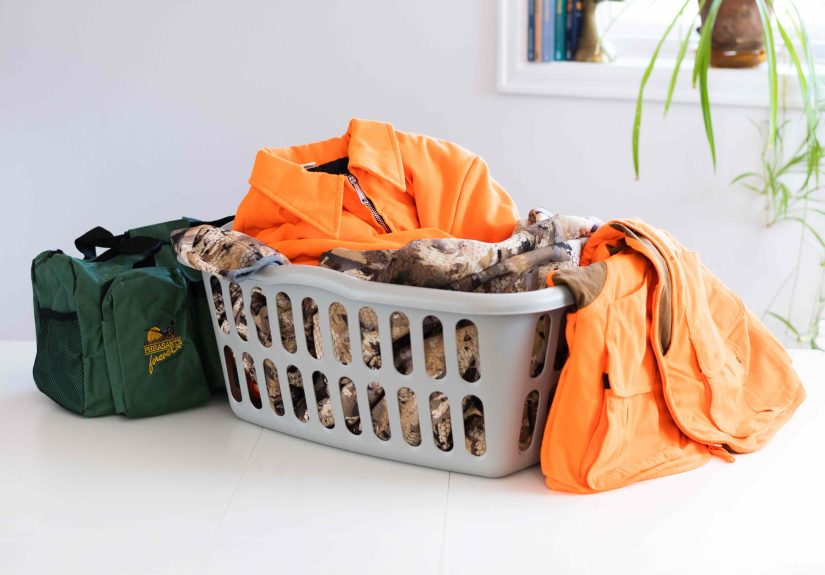
But outdoor laundry needs a little triage. I started by dumping the duffel outside on a washable tarp. This prevented trail dirt, pine needles, sand, and mystery crumbs from migrating into the house. Then I shook out every item. Socks were turned right-side out. Pockets were checked for wrappers, damp tissues, small rocks, forgotten hand warmers, and one heroic granola bar crumb that had clearly seen things.
This first step matters because grit can be abrasive. It can scratch technical fabrics, clog pockets, and make the wash water dirtier than necessary. By shaking everything out before washing, I gave the detergent a fighting chance instead of asking it to clean half of Alaska.
Step 2: I Sorted by Fabric, Soil Level, and Funk Level
Normally, people sort laundry by lights and darks. After a wilderness trip, sorting needs a few more categories. I made separate piles for base layers, socks and underwear, fleece, hiking pants, rain gear, towels, camp clothes, and anything that smelled suspicious enough to require diplomatic distance.
My main laundry piles looked like this:
- Base layers: synthetic shirts, merino wool tops, thermal leggings
- High-funk items: socks, underwear, sweaty shirts, neck gaiters
- Outerwear: rain shell, hiking pants, wind layers
- Insulation: fleece and puffy jacket
- Camp textiles: towel, pillowcase, sleeping clothes
- Delicates or special-care gear: wool, waterproof-breathable garments, anything with DWR
This was not about being fancy. It was about protecting gear. Outdoor clothing often includes moisture-wicking finishes, waterproof coatings, stretch fibers, wool, or synthetic insulation. These materials do not always appreciate aggressive detergent, high heat, fabric softener, or being washed with a pair of gritty hiking pants that acts like sandpaper with a waistband.
Step 3: I Pre-Treated the Obvious Stains
Before washing, I looked for stains: mud on cuffs, food grease on a fleece sleeve, berry smears, deodorant buildup, sunscreen marks, and one stain I refused to identify because some mysteries are best left in the tundra.
For ordinary stains, I used a small amount of liquid laundry detergent as a pre-treatment. I gently rubbed it into the stain with my fingers and let it sit for about 10 to 15 minutes. For heavy mud, I let the mud dry first, brushed off what I could, then pre-treated the remaining mark. Scrubbing wet mud like a maniac usually just spreads it around, which is how pants become topographic maps.
For greasy food stains, I used a detergent designed to cut body oils and food residue. For protein-heavy stains like sweat or body odor, I leaned on an enzyme-based detergent where the care label allowed it. I avoided chlorine bleach on outdoor clothing because it can damage fibers, fade colors, and generally behave like a tiny laundry villain.
Step 4: I Washed the Smelliest Clothes Separately
After eight days outside, the highest-priority load was not “darks.” It was “things that could offend a moose.” Socks, underwear, base layers, and sweaty shirts went first. These items held the most body oil, salt, bacteria-related odor, and trail grime.
I used warm water where the care labels allowed it, a good-quality detergent, and a full wash cycle. For delicate wool items, I used cold water and a gentle cycle. Merino wool is excellent for hiking because it resists odor better than many synthetic fabrics, but it still deserves gentle treatment. I turned wool pieces inside out, washed them separately, and air-dried them flat or on a rack.
For synthetic base layers, the trick was removing trapped body oils without overloading the washer. Synthetic performance fabrics can hold odor if detergent cannot circulate well. I washed smaller loads than usual, avoided fabric softener, and ran an extra rinse when needed. Fabric softener can reduce moisture-wicking performance, trap residue, and make technical clothing feel less technical and more “sad gym curtain.”
Step 5: I Tackled Campfire Smoke Without Perfume Warfare
Campfire smoke is stubborn because it clings to fibers and laughs at weak laundry routines. My first move was to air out smoky clothing outdoors before washing. A few hours of fresh air helped reduce the smoke smell before the clothes entered the washer.
Then I washed smoky items separately using detergent and the warmest water recommended on each care label. I did not try to defeat smoke smell by dumping in half a bottle of scented product. That usually creates a new fragrance called “Alpine Campfire Chemical Cupcake,” which nobody asked for.
If an item still smelled smoky after washing, I did not put it in the dryer right away. Heat can set odors. Instead, I repeated the wash or soaked the item in water with detergent or an oxygen-based laundry booster if the fabric allowed it. Only after the odor improved did I dry it.
Step 6: I Cleaned the Rain Gear Like Gear, Not Like a T-Shirt
Rain gear deserves special attention. After Alaska’s damp trails, mist, boat spray, and general sky-water drama, my rain shell had dirt, body oils, and smoke residue on it. Waterproof-breathable jackets work best when the outer fabric is clean and the durable water repellent finish can do its job.
I checked the care label first. Then I washed the rain shell separately with a technical wash made for waterproof outerwear. I avoided regular heavy detergent, bleach, and fabric softener. I also zipped zippers, closed hook-and-loop tabs, loosened drawcords, and turned the jacket as recommended by the garment care instructions.
After washing, I dried the shell on low heat according to the care label. Low heat can help reactivate some durable water repellent finishes. Then I tested it by sprinkling water on the outer fabric. If water beads up, the jacket is in good shape. If water soaks into the face fabric, it may be time for a DWR treatment.
Step 7: I Gave Hiking Pants and Fleece Their Own Loads
Hiking pants collected the most visible evidence: mud, dust, spruce needles, and one tiny twig that had somehow moved in rent-free. I washed them inside out, with zippers closed, using a normal or gentle cycle depending on the fabric. If the pants had stretch fabric or water-repellent treatment, I avoided high heat.
Fleece got its own gentler treatment. Fleece can trap lint, hair, smoke, and outdoor odors. I washed fleece with similar synthetic items, avoided towels, and dried it on low or air-dried it. Washing fleece with cotton towels is how you create a lint festival, and nobody wants their nice midlayer to look like it wrestled a sheep.
Step 8: I Washed Towels, Camp Sleep Clothes, and Pillowcases Thoroughly
Camp towels and sleep clothes may look less dirty than hiking pants, but they hold plenty of sweat, dampness, and tent smell. I washed these items separately from technical outerwear. If the care labels allowed, I used warm water and a full cycle, then dried everything completely.
Complete drying is important. Damp laundry left in a pile can develop mildew odor quickly, especially after a trip where items may already have spent days in a stuff sack or duffel. I made sure towels and thicker items were fully dry before folding. “Mostly dry” is just mildew with optimism.
Step 9: I Cleaned the Laundry Basket and Duffel Too
Here is the step most people forget: the laundry container. If your dirty clothes bag, backpack pocket, duffel, or hamper held damp wilderness laundry for hours or days, it probably needs cleaning too.
I wiped the inside of my duffel with a damp cloth and mild soap, then let it air-dry fully. Smaller washable stuff sacks went through a gentle wash if their labels allowed it. Mesh bags were shaken out and dried in the sun. The goal was simple: do not put clean clothes back into a bag that still smells like trail feet and old rain.
Step 10: I Used Sun and Fresh Air Like Free Laundry Assistants
Fresh air is underrated. After washing, I air-dried many items on a rack near good ventilation. When possible, I used outdoor air for lingering odors. Sunlight and airflow helped reduce mustiness, especially in items that had spent time damp.
I did not leave technical fabrics baking in harsh sun all day, because UV exposure can age some materials. But a controlled air-out session worked beautifully. For wool, I dried flat or on a rack. For synthetics, I hung items where air could circulate. For thicker waistbands and cuffs, I checked them before storing because those sneaky little zones love staying damp.
Step 11: I Avoided Three Common Laundry Mistakes
Using Too Much Detergent
More detergent does not mean cleaner clothes. Too much detergent can leave residue, trap odor, and make fabrics feel stiff. Wilderness laundry is dirty, yes, but the solution is better sorting, smaller loads, and proper cyclesnot turning the washer into a bubble bath with a spin cycle.
Drying Before Odors Are Gone
Heat can lock in smells. If a shirt still smelled like smoke, sweat, or damp tent after washing, I washed it again before drying. The sniff test is not glamorous, but it is effective. Laundry dignity was already gone by day six in the wild anyway.
Treating All Outdoor Gear the Same
A cotton camp shirt, merino base layer, down jacket, fleece pullover, and rain shell should not all receive the same wash routine. Care labels matter. When in doubt, go gentle, use less heat, and avoid additives that can interfere with performance fabrics.
My Practical Wilderness Laundry Routine
Here is the exact order I followed when cleaning everything after the trip:
- Empty bags outside and shake out loose dirt.
- Check pockets, cuffs, hoods, and sock interiors.
- Sort by fabric type and soil level.
- Pre-treat stains with detergent or stain remover.
- Wash socks, underwear, and base layers first.
- Wash smoky clothing separately.
- Wash rain gear with technical wash.
- Wash fleece and hiking pants in separate loads.
- Run extra rinse cycles when fabrics felt soapy.
- Air-dry or tumble dry low according to labels.
- Clean the duffel, stuff sacks, and laundry basket.
- Store everything only when completely dry.
What I Learned From Cleaning Laundry After Alaska
The biggest lesson was that outdoor laundry is not difficult, but it does reward patience. Eight days in the Alaskan wilderness created several different laundry problems at once: sweat, mud, smoke, dampness, odor, and gear-care concerns. Trying to solve all of them with one giant wash load would have been faster, but it also would have been less effective.
Sorting was the real hero. Once I separated high-odor items from outerwear and technical gear, the whole process became easier. Smaller loads cleaned better. Rain gear got the special care it needed. Wool did not shrink. Fleece did not become a lint magnet. Socks returned to society with only minor attitude problems.
The other lesson was to dry everything completely before storage. Outdoor gear is expensive, and moisture is sneaky. A slightly damp cuff or waistband can create musty smells later. Before putting anything away, I checked thick seams, pockets, hoods, waistbands, and sock toes. Yes, sock toes. After eight days outdoors, trust must be earned.
Extra Field Notes: of Real-Life Laundry Experience After 8 Days in the Alaskan Wilderness
Here is the honest part: when I first got back, I underestimated the laundry situation. I thought I had “a few loads.” That was adorable. What I actually had was a layered archive of the trip. Every item told a story. The rain shell remembered the sideways drizzle. The socks remembered the boggy trail. The fleece remembered breakfast smoke. My hiking pants remembered every muddy place I sat down while pretending it was “just for a second.”
The smell was not one smell. It was a whole playlist. There was campfire smoke, damp tent fabric, old wool, river water, trail dust, sunscreen, insect repellent, and the unmistakable aroma of humans who had decided that baby wipes counted as a shower. The first thing I learned was not to bring all of that directly into the laundry room. Airing the clothes outside for a while made the process less dramatic. It also gave me time to stop looking at my socks like they had personally betrayed me.
One of the most useful things I did was inspect every garment before washing. I found pine needles inside cuffs, grit in pockets, and a pebble in one sock. A pebble. In a sock. I do not know how long it had been there, and frankly, I respect its commitment. If I had skipped the inspection, that grit would have gone straight into the washer and possibly scratched or dirtied other items.
I also learned that smoky clothes need patience. My camp hoodie still smelled like fire after the first wash, so I did not dry it. That decision saved it. Instead, I washed it again with a smaller load and gave it more time to rinse. The second wash worked much better. If I had thrown it in the dryer too soon, the smoke odor might have stayed around like an unwanted roommate.
The rain jacket was the item I treated most carefully. It had kept me dry, which means it deserved a spa day, not a punishment. I used technical wash, skipped fabric softener, and dried it low. Afterward, water beaded on the surface again. That little bead test felt weirdly satisfying, like the jacket had passed a final exam.
My wool base layers were surprisingly easy. They smelled better than the synthetics, even after repeated wear. Still, I washed them gently and air-dried them because wool can shrink if mistreated. The synthetics needed more odor work, especially shirts worn during active hiking days. Smaller loads helped more than extra detergent.
The final surprise was how much the bags mattered. My duffel smelled almost as bad as the clothes. Cleaning the laundry but ignoring the bag would have been like brushing your teeth and then eating toothpaste-flavored dirt. I wiped the duffel, washed the stuff sacks that could be washed, and dried everything fully before repacking.
By the end, the laundry process felt like a proper closing ritual for the trip. The gear was clean, the house no longer smelled like a damp forest had moved in, and my socks were allowed back into civilized storage. Cleaning laundry after the Alaskan wilderness took time, but it also protected the gear that made the trip possible. And next time, I will pack an extra dry bag just for the truly offensive socks. Some lessons are earned the fragrant way.
Conclusion
Cleaning laundry after eight days in the Alaskan wilderness is not about tossing clothes into a washer and hoping for the best. It is about sorting smartly, treating stains early, respecting technical fabrics, removing odors before drying, and making sure every item is completely dry before storage.
The best results came from a simple system: shake out dirt, separate fabrics, wash smaller loads, use the right detergent, avoid fabric softener on performance gear, and give rainwear special care. It took more time than a normal laundry day, but it saved my clothes, protected my outdoor gear, and restored peace to my laundry room.
Note: This article is written as publish-ready web content and synthesizes practical laundry, garment-care, outdoor hygiene, and technical apparel care guidance from reputable U.S. sources including public health, cleaning, outdoor recreation, and apparel-care references.