Table of Contents >> Show >> Hide
- What Is an Epilator?
- How Does an Epilator Work?
- How to Use an Epilator Step by Step
- Benefits of Using an Epilator
- Risks and Side Effects of Epilation
- Epilator and Different Hair Types
- Best Areas to Use an Epilator
- Epilator vs. Shaving vs. Waxing
- Aftercare Tips for Smooth, Calm Skin
- Common Epilator Mistakes to Avoid
- Real-Life Experiences: What Epilation Actually Feels Like
- Conclusion
If shaving feels like a daily meeting you never agreed to attend, an epilator may sound like a tiny miracle machine. This handheld hair-removal device pulls hair from the root using rotating tweezers or discs, giving smoother skin for longer than shaving and without the sticky drama of waxing. Yes, it can sting. No, it is not a medieval torture toolalthough your ankles may disagree the first time.
Using an epilator correctly can make a huge difference. With the right prep, technique, and aftercare, epilation can be a practical option for legs, arms, underarms, the bikini line, and even some facial areas when using a device designed for delicate skin. But it is not perfect for everyone. Skin type, hair texture, pain tolerance, and medical conditions all matter.
This guide explains what an epilator is, how to use one safely, the benefits, possible risks, and how epilation works for different hair typesfrom fine peach fuzz to coarse, curly hair that acts like it has its own agenda.
What Is an Epilator?
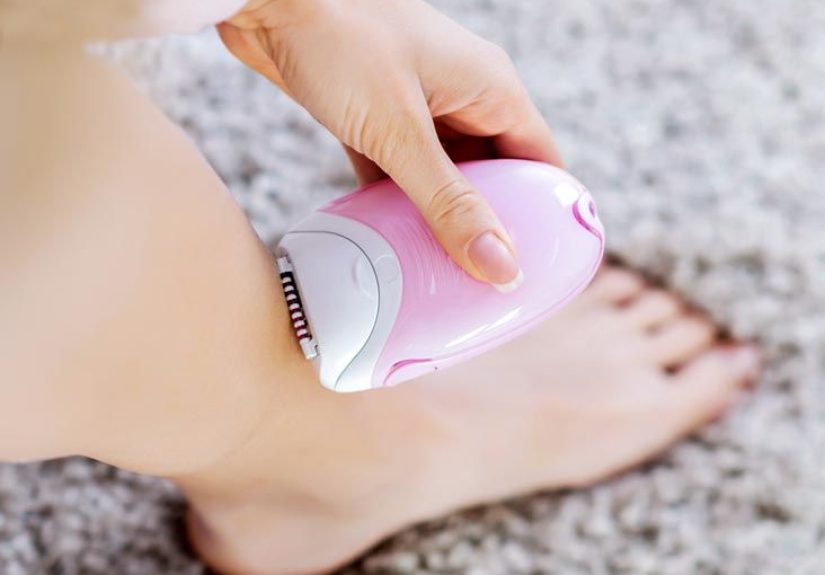
An epilator is an electric hair-removal device that grabs multiple hairs at once and pulls them out from the root. Think of it as a team of tiny tweezers working overtime. Unlike shaving, which cuts hair at the surface, epilation removes the entire hair shaft from the follicle opening. Because the hair has to regrow from below the skin, results usually last longer than shaving.
Epilators come in several designs. Some are made for large areas like legs and arms. Others include smaller caps for the face, underarms, or bikini line. Many modern epilators are wet-dry models, meaning they can be used in the shower or on dry skin. Some include built-in lights, massage rollers, speed settings, trimming attachments, or exfoliating brushes.
How Does an Epilator Work?
Most epilators use rotating tweezers, springs, or discs. As you move the device slowly across the skin, the mechanism catches hairs and pulls them out. The experience is similar to waxing because both methods remove hair from the root. The difference is that an epilator does not require wax, strips, or a brave friend yelling, “Ready? One, twooops, I pulled already.”
Because epilation removes hair at the root, regrowth is typically slower and may feel softer than shaved regrowth. Shaving creates a blunt edge on the hair, which can feel prickly as it grows back. Epilated hair grows back with a tapered tip, so it may feel less rough.
How to Use an Epilator Step by Step
1. Choose the Right Epilator for the Area
Use a full-size epilator for legs and arms. For the face, bikini line, or underarms, choose a device with a sensitive-area cap or a facial epilator. Do not use a body epilator near eyelashes, eyebrows, scalp hair, or any area not recommended by the manufacturer. Your eyebrows deserve architecture, not demolition.
2. Let Hair Reach the Right Length
Hair should be long enough for the epilator to grip but not so long that it tugs painfully. A common target is about 1/8 inch, or roughly 2 to 5 millimeters. If hair is too long, trim first. If it is too short, wait a couple of days before trying again.
3. Exfoliate Before Epilating
Gentle exfoliation helps remove dead skin cells and may reduce the chance of ingrown hairs. Exfoliate a day before epilating rather than aggressively scrubbing right before. Use a soft washcloth, mild body scrub, or gentle chemical exfoliant if your skin tolerates it. Avoid harsh exfoliation on irritated, sunburned, or broken skin.
4. Clean and Dry the Skin
For dry epilation, skin should be clean and completely dry. Avoid lotion, oil, or heavy cream beforehand because slippery hair is harder for the device to grab. For wet epilation, use the device only if it is designed for wet use, and follow the manufacturer’s instructions.
5. Hold the Skin Taut
Stretching the skin gently helps the epilator glide more smoothly and reduces pinching. This is especially important on loose or curved areas such as knees, ankles, underarms, and the bikini line.
6. Move Slowly Against Hair Growth
Hold the epilator at the angle recommended in the manual, often about 90 degrees to the skin. Move slowly against the direction of hair growth. Do not press hard. Let the device do the work. If you treat it like a lawn mower in a hurry, you may miss hairs and irritate your skin.
7. Start With Less Sensitive Areas
If you are new to epilation, begin with the lower legs. Avoid starting with underarms or the bikini line unless you enjoy learning life lessons dramatically. Once you understand the sensation, move to smaller or more sensitive areas.
8. Moisturize Afterward
After epilating, apply a gentle, fragrance-free moisturizer or soothing aloe-based product. Avoid strong acids, retinoids, perfumes, deodorant, hot tubs, heavy sweating, and tight clothing for several hours, especially if your skin is red or tender.
Benefits of Using an Epilator
Longer-Lasting Smoothness
Because epilators remove hair from the root, results can last longer than shaving. Many people notice smoother skin for two to four weeks, depending on hair growth cycles, hormones, body area, and consistency.
No Razor Burn or Shaving Cuts
An epilator does not use a blade, so it avoids common shaving problems such as nicks, cuts, and razor burn. That said, it can still cause redness, bumps, or irritation if used incorrectly.
Cost-Effective Over Time
A good epilator may cost more upfront than a pack of razors, but it can be economical over time. There is no need to keep buying wax strips, shaving cream, or replacement blades as often.
Convenient At-Home Hair Removal
You can epilate at home, on your schedule, without booking salon appointments. This is useful for people who want longer-lasting results but prefer privacy or flexibility.
Works on Shorter Hair Than Waxing
Many epilators can grab shorter hair than wax can. Waxing often needs hair to be longer for the wax to grip properly, while epilators may catch shorter regrowth when used correctly.
Risks and Side Effects of Epilation
Pain or Discomfort
Let us be honest: epilation can hurt, especially the first few times. The sensation usually becomes easier as you get used to it and as regrowth becomes more staggered. Using a warm shower before epilating, starting with lower speed, and taking breaks can help.
Redness and Temporary Bumps
Red dots or bumps after epilation are common because hair has been pulled from the follicle. This usually settles within hours. Epilating at night gives your skin time to calm down before morning.
Ingrown Hairs
Ingrown hairs happen when hair grows back into the skin instead of out of it. They are more common in areas with coarse, curly, or tightly curled hair. Gentle exfoliation, moisturizing, and avoiding tight clothing can help reduce the risk.
Folliculitis
Folliculitis is inflammation of hair follicles. It may appear as small red bumps, tenderness, or pus-filled spots. Dirty devices, irritated skin, tight clothing, and trapped sweat can increase risk. Clean the epilator after each use and avoid epilating over infected or broken skin.
Hyperpigmentation
People with medium to deep skin tones may be more prone to dark marks after irritation or inflammation. Using gentle technique, avoiding repeated passes, and protecting irritated skin from sun exposure can reduce the chance of post-inflammatory hyperpigmentation.
Not Ideal for Every Skin Condition
Avoid epilation over eczema flares, psoriasis plaques, sunburn, open cuts, active infections, varicose veins, warts, moles, or recently treated skin. If you use prescription retinoids, have very sensitive skin, or are prone to keloids, ask a dermatologist before epilating.
Epilator and Different Hair Types
Fine Hair
Fine hair can be easier to remove, but some epilators may miss very thin strands. Use a device with good grip, a built-in light, or a facial cap for small areas. Move slowly and keep the skin dry if the hair is slipping.
Coarse Hair
Coarse hair may require more patience because the roots can feel stronger. Trim long hair first and consider epilating after a warm shower if using a wet-dry model. Do not rush. Multiple aggressive passes can irritate the skin more than one careful session.
Curly or Coily Hair
Curly and coily hair types are more likely to become ingrown because the hair can curve back into the skin. Exfoliation and aftercare are especially important. Avoid epilating too often, and do not pick at bumps. If ingrown hairs become painful or infected, pause epilation and seek medical advice.
Thick Hair Growth
If you have dense hair growth, epilate in sections. Trying to clear a large area quickly can make the process more painful and less effective. Work in small zones, take breaks, and clean the epilator head if hair buildup slows performance.
Facial Hair
For facial hair, use only an epilator designed for the face. The upper lip, chin, and jawline can be sensitive, so test a small area first. Avoid epilating over active acne, irritated skin, or areas treated recently with strong exfoliants or retinoids.
Best Areas to Use an Epilator
The legs are the most beginner-friendly area because the skin is relatively flat and less sensitive. Arms are also manageable for many people. Underarms and the bikini line can be epilated, but they require more care because the skin is delicate and hair may be thicker. Facial epilation should be done only with appropriate devices and gentle technique.
Avoid using an epilator on eyelashes, inside the nose, inside the ears, nipples, genital mucosa, or any area where the manufacturer says not to use it. There is confidence, and then there is chaos. Choose confidence.
Epilator vs. Shaving vs. Waxing
Shaving is fast, inexpensive, and painless when done well, but results are short-lived. Waxing removes hair from the root and can leave skin smooth for weeks, but it can be messy, costly, and risky if wax is too hot or skin is sensitive. Epilation sits somewhere in the middle: longer-lasting than shaving, less messy than waxing, and convenient at home.
The trade-off is discomfort. Epilators can hurt more than shaving and may cause ingrown hairs if preparation and aftercare are ignored. For people who want smooth skin without frequent shaving, epilation may be worth the learning curve.
Aftercare Tips for Smooth, Calm Skin
- Apply a gentle, fragrance-free moisturizer after epilating.
- Wear loose clothing for several hours after treating legs, underarms, or bikini line.
- Avoid hot baths, saunas, and intense workouts immediately afterward.
- Exfoliate gently two to three times per week between sessions if your skin tolerates it.
- Clean the epilator head after every use according to the manual.
- Do not share your epilator with others for hygiene reasons.
Common Epilator Mistakes to Avoid
Pressing Too Hard
Pressing harder does not remove hair better. It can pinch skin and create irritation. Glide gently and let the rotating tweezers do their job.
Skipping Exfoliation
Skipping exfoliation can allow dead skin cells to trap new hair growth. Keep exfoliation gentle and consistent, not aggressive.
Epilating Over Irritated Skin
If your skin is already angry, do not give it another reason to file a complaint. Wait until irritation, sunburn, or bumps have healed.
Going Too Fast
Fast passes often break hair instead of pulling it from the root. Slow movement gives the device time to grip properly.
Not Cleaning the Device
Hair, skin cells, and product residue can collect in the epilator head. Cleaning helps maintain performance and reduces hygiene risks.
Real-Life Experiences: What Epilation Actually Feels Like
The first epilator session is often the most memorable. Many beginners describe the feeling as sharp, prickly, or like several tweezers working at once. That is accurate, because that is basically what is happening. The good news is that the discomfort usually becomes more manageable with practice. The first session removes many hairs at full growth. Later sessions often feel easier because hairs grow back at different times and may be finer or less dense.
For legs, the experience is usually tolerable after the first few minutes. The shin area may feel easier, while ankles and knees can feel more sensitive because the skin is thinner and the surface is bonier. A practical trick is to start on the least sensitive part of the lower leg, then move toward trickier areas once you get used to the sensation. Stretching the skin around the ankle can reduce pinching.
Underarms are a different story. The hair is often thicker, the skin is softer, and the area is curved. Many people find underarm epilation intense at first. Trimming the hair, using a sensitive cap, keeping the arm raised, and working in tiny sections can help. It is also smart to epilate underarms at night and skip deodorant until the skin calms down.
The bikini line requires patience and realistic expectations. This is not the area for speed-running your grooming routine. Hair tends to be coarse, and the skin can react quickly. Trim first, hold skin taut, and stop if the pain feels too strong. Some people prefer waxing or trimming for this area because epilation can be too uncomfortable.
Facial epilation can be useful for upper-lip or chin hair, but it should be done carefully. A small facial epilator offers better control than a body device. The skin may look pink afterward, so avoid doing it five minutes before a party, video meeting, or first date unless your aesthetic goal is “slightly startled tomato.”
People with fine hair may love epilation because regrowth feels soft and sparse. People with coarse or curly hair may appreciate the smoothness but need a stronger ingrown-hair prevention routine. For sensitive skin, the best approach is to test a small patch, wait 24 hours, and see how the skin responds.
Over time, many users develop a rhythm: exfoliate the day before, epilate at night, moisturize afterward, and maintain results weekly or every two weeks. The process becomes less dramatic and more like brushing your teethexcept louder, buzzier, and with more tiny tweezers.
Conclusion
An epilator can be an excellent hair-removal tool for people who want longer-lasting smoothness without shaving every day or booking regular waxing appointments. It works by pulling hair from the root, which can keep skin smoother for weeks and may make regrowth feel softer. However, epilation is not completely risk-free. Pain, redness, bumps, ingrown hairs, folliculitis, and irritation can happen, especially when the device is used too aggressively or on unsuitable skin.
The best results come from preparation and patience. Choose the right device, trim hair to the proper length, exfoliate gently, hold skin taut, move slowly, moisturize afterward, and clean the epilator after every session. Different hair types need different strategies, so listen to your skin. Smooth skin is nice, but healthy skin is the real victory.