Table of Contents >> Show >> Hide
- What does “end-stage COPD” actually mean?
- Treatment goals in end-stage COPD
- Medical treatment options that still help
- Palliative care and hospice: not the same thing
- What is the outlook for end-stage COPD?
- When families should ask for more help
- Experiences people often have in end-stage COPD
- Conclusion
- SEO Tags
When people hear the phrase end-stage COPD, the room usually gets quiet in a hurry. It sounds final, frightening, and about as cheerful as a flat tire in the rain. But the truth is more nuanced than the phrase suggests. COPD does not suddenly flip from “bad” to “game over.” Advanced COPD is often a long, uneven stretch of illness marked by worsening shortness of breath, less reserve, more flare-ups, and a growing need for support. The good news, if we can call it that without sounding like a motivational poster, is that treatment still matters a great deal.
Even in very severe COPD, the goal is not simply to “do less.” The goal is to breathe easier, prevent exacerbations, preserve energy, improve comfort, maintain dignity, and help patients and families make smart decisions before a crisis makes those decisions for them. Some people need inhalers, oxygen, pulmonary rehabilitation, and help with nutrition. Others may be evaluated for noninvasive ventilation, lung volume reduction procedures, or even transplant. And many benefit from palliative care long before hospice enters the conversation.
This article breaks down what end-stage COPD usually means, which treatments can still help, and what the outlook often looks like in real life. No fluff. No miracle-cure nonsense. Just practical, human-centered information written in plain English.
What does “end-stage COPD” actually mean?
In everyday conversation, end-stage COPD usually refers to very advanced chronic obstructive pulmonary disease with major symptom burden. A person may be short of breath during simple activities such as dressing, showering, or walking across the room. They may need oxygen, have frequent flare-ups, lose weight, feel exhausted, or develop complications like high carbon dioxide levels, low oxygen levels, sleep problems, anxiety, depression, or strain on the heart.
Clinicians do not always use the phrase the same way, which is one reason it can be confusing. Some doctors describe the disease as very severe or advanced COPD instead. The disease may include emphysema, chronic bronchitis, or both. Lung function testing matters, but symptoms and day-to-day function often tell the bigger story. Two people can have similar test results and very different lives. One may still manage errands with pacing and rest breaks; another may feel winded just from putting on socks. COPD can be rude like that.
Common signs of advanced COPD
Symptoms of late-stage disease often include severe breathlessness, chronic cough, mucus production, wheezing, fatigue, poor exercise tolerance, frequent chest infections, repeated hospital visits, and trouble recovering after exacerbations. Some people also develop low appetite, muscle loss, weakness, swelling in the legs, poor sleep, and confusion during episodes of low oxygen or high carbon dioxide.
Another important clue is loss of independence. When bathing, climbing a few steps, cooking, or getting dressed starts to feel like a full-contact sport, the disease has usually reached a more advanced stage. That does not mean hope is gone. It means care needs to become more deliberate, more personalized, and more focused on quality of life.
Treatment goals in end-stage COPD
At this point in the disease, treatment usually aims to do five things:
1. Relieve symptoms
Shortness of breath, cough, mucus, anxiety, fatigue, and poor sleep can all spiral together. Good care tries to break that cycle.
2. Prevent exacerbations
Flare-ups can accelerate decline, increase hospitalizations, and chip away at lung reserve. Preventing the next one matters as much as treating the current one.
3. Preserve function
Even small gains count. Being able to shower with less breathlessness or walk to the mailbox without a rescue inhaler can be a huge victory.
4. Support emotional health
Advanced COPD is physically draining and emotionally heavy. Panic, depression, isolation, and caregiver burnout are common and deserve treatment too.
5. Plan ahead
Advance care planning is not surrender. It is preparation. It gives patients more control over hospital decisions, ventilation choices, hospice timing, and end-of-life preferences.
Medical treatment options that still help
Bronchodilators and inhaled medicines
Inhaled therapy remains the backbone of COPD treatment, even in advanced disease. Long-acting bronchodilators help open the airways and reduce symptoms. Many patients use a LAMA, a LABA, or a combination inhaler. Some also benefit from inhaled corticosteroids, especially if they have frequent exacerbations or certain inflammatory features. Rescue inhalers or nebulized medications may still be used during symptom spikes.
The big issue in advanced COPD is not just which inhaler is prescribed, but whether the patient can actually use it correctly. Weak inhalation, fatigue, arthritis, confusion, or poor coordination can turn a great prescription into an expensive paperweight. In some cases, switching devices or using a nebulizer makes more sense than insisting on perfect inhaler technique from someone who is already working hard just to breathe.
Oxygen therapy
Oxygen can be life-changing for people with documented low blood oxygen levels. It may improve symptoms, support organ function, and help some patients live longer when the oxygen deficiency is severe. But oxygen is not a magic accessory, and more is not always better. It is most useful when testing shows true hypoxemia. For people with only moderate desaturation, oxygen does not reliably improve survival or reduce hospitalizations.
That is why clinicians use pulse oximetry, arterial blood gas testing, exercise testing, or sleep studies to decide who actually needs it. If oxygen is prescribed, proper flow settings, equipment safety, and smoking avoidance are essential. Oxygen and open flames are a terrible romance.
Pulmonary rehabilitation
One of the most overlooked treatments in advanced COPD is pulmonary rehabilitation. It is not just “exercise class for tired lungs.” It combines supervised activity, breathing training, education, nutrition guidance, and coping support. Pulmonary rehab can improve endurance, reduce symptoms, and help patients regain confidence in daily life.
Even people with severe disease can benefit. In fact, those with the worst symptoms often have the most to gain in daily functioning. Rehab also teaches practical strategies such as pacing, energy conservation, pursed-lip breathing, airway clearance, and how to recognize a flare-up early. The goal is not to turn a person into a marathon runner. It is to make ordinary life less punishing.
Managing flare-ups quickly
Exacerbations are a major turning point in many patients with end-stage COPD. A cold, the flu, pneumonia, air pollution, or another trigger can suddenly worsen cough, sputum, and breathlessness. Treatment may include short-acting bronchodilators, oral steroids, antibiotics when infection is suspected, oxygen, and sometimes hospital care. A severe exacerbation can leave a patient weaker for weeks, or permanently more limited than before.
That is why prevention matters so much. Staying current on vaccines, avoiding smoking and secondhand smoke, reducing exposure to irritants, washing hands, and having a clear COPD action plan can lower risk. At this stage, “just a little chest cold” can be a very big deal.
Noninvasive ventilation
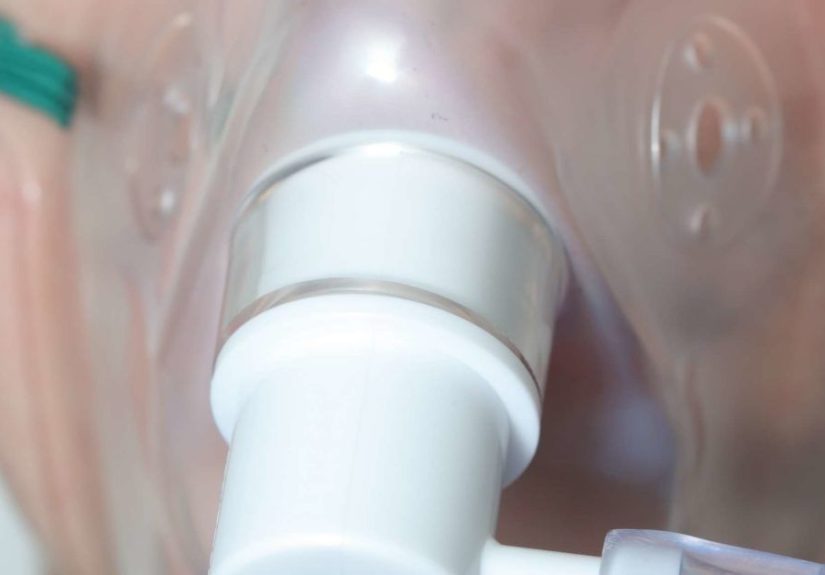
Some patients with advanced COPD develop chronic hypercapnia, meaning carbon dioxide levels stay too high. In selected cases, noninvasive ventilation, often delivered through a mask at home, may reduce rehospitalization and improve outcomes. It can be especially relevant for patients who have had episodes of acute respiratory failure or who also have sleep-disordered breathing.
This is not a universal answer, and not everyone tolerates it well. Masks can feel awkward, dry, noisy, and deeply unromantic. But for the right patient, they can meaningfully reduce breathing workload overnight and improve morning symptoms.
Advanced procedures and surgery
Some people with severe emphysema may qualify for specialized procedures such as endobronchial valves or other lung volume reduction approaches. These treatments help reduce trapped air in carefully selected patients, which can improve breathing mechanics. Others may be evaluated for lung volume reduction surgery. In rare but important cases, lung transplant may be considered for eligible patients with advanced disease who meet strict criteria.
These options are not suitable for everyone. Candidacy depends on anatomy, emphysema pattern, smoking status, overall health, heart function, nutrition, exercise capacity, and the presence of other medical problems. But they do belong in the conversation for the right patient, especially when symptoms remain severe despite best standard care.
Nutrition, strength, and daily support
Advanced COPD often causes weight loss, muscle wasting, and weakness. Breathing burns calories. Eating can be exhausting. Some people become trapped in a frustrating loop: they are too breathless to eat much, then too undernourished to stay strong enough for activity. Nutrition support, smaller meals, protein intake, hydration, and physical therapy or targeted strengthening can make a meaningful difference.
Practical home adjustments help too. Shower chairs, hand-held shower heads, bedside commodes, walkers, medication organizers, portable oxygen systems, and structured caregiver help can reduce breathlessness and prevent falls. Sometimes the smartest treatment is not glamorous. It is a chair in the shower and a plan that actually works.
Palliative care and hospice: not the same thing
Palliative care is one of the most important and most misunderstood tools in advanced COPD. It is specialized care focused on symptom relief, stress reduction, communication, and quality of life. It can be used alongside inhalers, rehab, oxygen, hospital care, and other disease-directed treatment. In other words, palliative care is not “what happens when nothing is left.” It is what happens when comfort and clarity are treated as real medical goals.
Palliative care teams can help with severe breathlessness, anxiety, depression, fatigue, insomnia, caregiver strain, and hard decision-making. They may also discuss low-dose opioid therapy for refractory breathlessness in carefully selected patients, especially when standard COPD treatment is no longer enough. That conversation needs expert supervision, but it can be appropriate and humane.
Hospice care is different. Hospice is generally considered when a clinician believes life expectancy may be six months or less if the illness follows its usual course. In COPD, that prediction is not always easy. Some patients decline slowly for years; others have sudden setbacks after infections or respiratory failure. Hospice becomes especially relevant when the focus shifts away from repeated hospital escalation and toward comfort-centered care at home or in a supportive facility.
What is the outlook for end-stage COPD?
The honest answer is that the outlook is highly variable. There is no reliable countdown clock. Some people live for years with very severe COPD, especially if they stop smoking, avoid infections, use oxygen appropriately, attend pulmonary rehab, and receive strong support at home. Others decline more quickly because of repeated exacerbations, heart strain, weight loss, frailty, or chronic respiratory failure.
Doctors look at more than just spirometry when estimating prognosis. They may consider breathlessness, body weight, exercise tolerance, oxygen needs, carbon dioxide retention, hospitalizations, functional decline, and signs of complications such as pulmonary hypertension or right-sided heart failure. Frequent exacerbations are especially important because each one can reduce reserve and speed up disability.
That said, advanced COPD is not only about survival. It is also about how a person lives. A realistic outlook includes questions like these: Can the patient still leave the house? Can they sleep flat? Can they prepare food? Are they afraid to shower alone? Are they panicking during episodes of breathlessness? Is the caregiver exhausted? These are not side issues. They are the center of the story.
With good support, many patients can still have meaningful time, better symptom control, and more predictable routines. The disease may remain serious, but life can become less chaotic. That is a win worth respecting.
When families should ask for more help
It is time to speak with the care team promptly if there is worsening shortness of breath, increased mucus, fever, bluish lips, new confusion, chest pain, swelling, poor eating, frequent falls, rising anxiety, repeated emergency visits, or trouble managing medications and oxygen at home. It is also time for deeper planning if the patient keeps saying things like, “I can’t do this anymore,” “I’m exhausted all the time,” or “Every flare-up is harder to recover from.” Those are not just emotional statements. They are clinical information.
Asking for home health, pulmonary rehab, palliative care, social work, respiratory therapy, or hospice support is not failure. It is a sign that the care plan is finally catching up with reality.
Experiences people often have in end-stage COPD
Living with end-stage COPD is often described as living with a body that keeps negotiating badly with ordinary tasks. Mornings can be the hardest. A person may wake up already tired, cough up mucus for twenty minutes, use inhalers or a nebulizer, and still feel as though they have climbed a hill before breakfast. Getting dressed can require pauses between socks, shirt, and shoes. Even a shower may need a chair, cooler water, and a recovery period afterward. The day is shaped less by ambition and more by air supply.
Many people also describe a shrinking world. At first, they stop doing the big things: travel, shopping, social events, long walks. Then the smaller things begin to disappear too: cooking a full meal, carrying laundry, standing at the sink, laughing hard without coughing, talking for long stretches on the phone. Friends sometimes misread this as disinterest, when it is really exhaustion and breathlessness. The disease can make a person look “fine” while they feel as if they are breathing through a straw wrapped in wet wool.
Meals become complicated in ways healthy people rarely consider. Large meals can make breathing feel worse. Appetite may fade. Weight loss becomes common, but so does frustration. Family members may urge the patient to “eat more,” while the patient is thinking, “I would love to, but chewing feels like cardio.” Small, frequent meals and less pressure often work better than a heroic dinner plate.
There is also the emotional side, which is not optional. Breathlessness can trigger fear, and fear can worsen breathlessness. That cycle is real. Some patients feel embarrassed about needing help to bathe, carry oxygen, or cancel plans. Others become irritable, withdrawn, or depressed because independence keeps slipping away. Caregivers feel this too. They often live on alert, listening for coughing fits, nighttime distress, or the sound of an oxygen cannula being pulled loose at 2 a.m. Advanced COPD is a family illness in that sense. Everyone in the house starts breathing around it.
Still, many families describe moments of unexpected steadiness once the right support is in place. A better inhaler routine, home oxygen that actually fits the patient’s lifestyle, pulmonary rehab, a shower chair, fan therapy, palliative care, and honest advance care planning can reduce panic and restore confidence. The patient may not get their old lungs back, but they may get back pieces of life that matter: sitting outside without rushing, taking a slower walk to the porch, finishing a meal, laughing without fear, sleeping through the night, or spending less time in the emergency room and more time feeling human. In advanced COPD, those moments are not small. They are the point.
Conclusion
End-stage COPD is serious, but it is not a medical blank page. Treatment still matters, and so does timing. The best care usually combines bronchodilators, flare-up prevention, pulmonary rehabilitation, oxygen when indicated, emotional support, nutrition, and practical home strategies. For selected patients, noninvasive ventilation, bronchoscopic valves, surgery, or transplant evaluation may also play a role. Palliative care should not be saved for the final chapter; it often improves the middle chapters too.
The most realistic outlook is this: advanced COPD is often progressive and unpredictable, but comfort, dignity, function, and informed decision-making can still improve in meaningful ways. That is not false hope. That is good medicine.