Table of Contents >> Show >> Hide
- What “Enameled” Really Means (And Why It Changes Everything)
- Why People Love Enameled Paella Pans
- The Trade-Offs (Because Cookware, Like People, Is Not Perfect)
- Enameled Steel vs. Enameled Cast Iron: Which One Fits Your Paella Personality?
- How to Choose the Right Size (Because Rice Needs Personal Space)
- Heat Source Compatibility: Stove, Grill, Oven, Induction
- Cooking Better Paella in an Enameled Pan: Technique Over Drama
- Care & Cleaning: Keep the Enamel Happy
- When an Enameled Paella Pan Is the Best Choice
- When to Skip Enamel (Or at Least Think Twice)
- Quick Buying Checklist
- FAQ: Fast Answers for Hungry People
- Real-World Experiences: What Cooking With Enameled Paella Pans Feels Like (The Good, The Weird, The Crunchy)
Paella is the kind of dish that makes people stand around your kitchen like it’s a sporting event. Someone’s monitoring the stock level,
someone’s “just checking” the shrimp, and at least one person is loudly claiming they deserve the socarrat (the crispy rice layer)
because they “supported you emotionally during prep.”
And the unsung hero of this entire performance? The pan. Specifically, the wide, shallow pan that lets rice cook in a thin layer so liquid can
evaporate and that legendary bottom crust can form. Enameled paella pans take that classic idea and add a modern twist: less fuss, less rust,
and cleanup that doesn’t feel like a punishment for having culinary dreams.
What “Enameled” Really Means (And Why It Changes Everything)
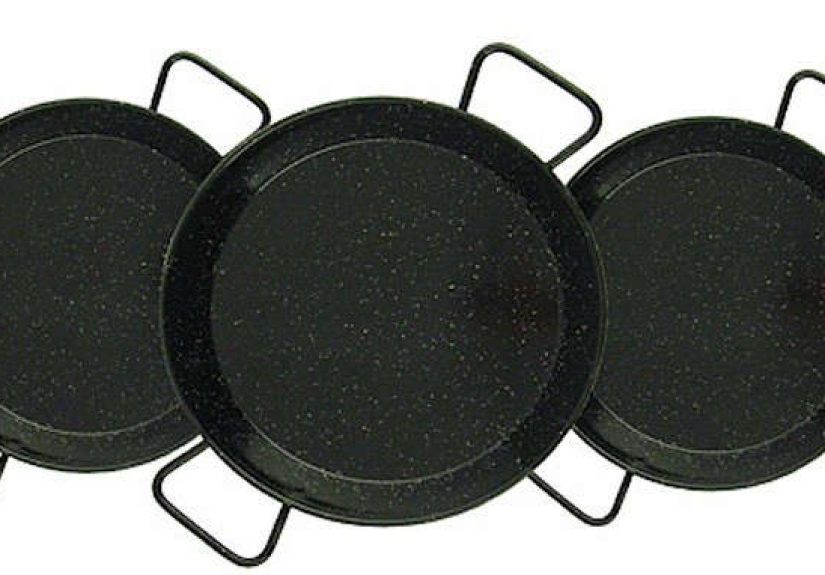
“Enameled” cookware is metal (often steel or cast iron) coated with a smooth, glass-like enamel layer. That coating creates a non-reactive,
easy-to-clean surface and helps protect the underlying metal from rust. In human terms: it’s like giving your pan a raincoat and a better attitude.
For paella pans, you’ll typically see two enamel paths:
- Enameled steel (often enamel-coated carbon steel): lighter, lower maintenance, and designed for the classic wide-paella shape.
-
Enameled cast iron paella pans: heavier, excellent heat retention, and often beautiful enough to serve straight from the pan
without apology.
Why People Love Enameled Paella Pans
1) Low maintenance (aka “No, you don’t have to season it”)
Traditional carbon steel paella pans can be amazingbut they also demand a little relationship counseling: dry immediately, oil lightly, season
occasionally, avoid rust like it’s a bad ex. Enameled pans are popular because they’re easier to maintain and don’t rust the same way raw steel can.
2) Easier cleanup after a big party
Paella is a celebration dish. Celebrations create dishes. Enameled surfaces are smoother and generally simpler to wash than bare carbon steel.
That can be the difference between “I’ll make paella again soon!” and “I’m never cooking rice again.”
3) Great for serving
Paella is traditionally served right from the pan (dramatic, communal, and efficient). Many enamel finishes also look great on the tableespecially
enameled cast iron, which often doubles as cookware and centerpiece.
The Trade-Offs (Because Cookware, Like People, Is Not Perfect)
Enamel can be less forgiving to abuse
Enamel is durable, but it’s not indestructible. Scraping aggressively with metal utensils, stacking pans without protection, or shocking a hot pan
with cold water can damage the enamel over time. Treat it like a nice phone screen: it’s tough, but you still don’t want to throw it down the stairs.
Heat performance varies by material
Enameled steel paella pans are often chosen for convenience, but some reviewers note they may not match raw carbon steel’s heat responsiveness.
Enameled cast iron, on the other hand, holds heat exceptionally wellgreat for steady cooking, but heavier and slower to change temperature.
Enameled Steel vs. Enameled Cast Iron: Which One Fits Your Paella Personality?
Enameled steel paella pans
Think: weeknight-friendly paella ambitions, low-maintenance cookware, and a pan you’ll actually pull out often. Enameled steel pans are commonly
recommended for home cooks because they resist rust and simplify cleaning.
Best for:
- Home cooks who want the classic wide, shallow paellera shape
- People who hate seasoning and love “wash, dry, done”
- Paella on stovetop, grill, or oven (depending on the pan’s rating)
Watch-outs:
- Don’t go wild with metal utensils if the enamel isn’t built for it
- Avoid sudden temperature changes (thermal shock) and rough storage stacking
Enameled cast iron paella pans
Think: heavy-duty heat retention, gorgeous presentation, and a pan that feels like it belongs in a “my kitchen is my sanctuary” Instagram post.
Many enameled cast iron paella pans are made to be ready-to-use with no seasoning, and they’re often compatible with all cooktops.
Best for:
- Consistent stovetop-to-oven cooking
- Induction users who need a stable, flat base
- Entertainers who want a pan that serves and impresses
Watch-outs:
- Weight: you’ll feel it when you lift the pan (especially full of rice and stock)
- Heat momentum: cast iron holds heatgreat for stability, less great for quick corrections
How to Choose the Right Size (Because Rice Needs Personal Space)
Paella isn’t a casserole. You’re not aiming for a deep mound of rice. The magic comes from a thin, even layer that cooks evenly,
evaporates properly, and forms crisp spots at the bottom.
A good rule of thumb: choose the largest pan that comfortably works with your heat source, because a wider pan keeps the rice layer thinner and
helps the paella cook more evenly.
Practical sizing examples
- ~11-inch pan: often suited for about 2–3 servings (great for a couple or a small dinner)
- ~14-inch pan: often suited for about 3–5 servings (small gathering sweet spot)
- ~16-inch pan: commonly lands around 4–6 servings (party-ready without needing a stadium burner)
One more nerdy-but-useful detail: paella pans are usually measured across the top rim, and the cooking base can be smaller due to sloped sides.
That’s normaland it’s why base diameter matters if you’re cooking on a single burner.
Heat Source Compatibility: Stove, Grill, Oven, Induction
Stovetop (gas/electric)
Indoors, the biggest challenge is heat coverage. If your pan is wider than a single burner, use two burners when possible and rotate the pan every
few minutes to keep cooking even. (Yes, it’s a little fiddlybut it beats “crispy on one side, soggy on the other.”)
Grill or live fire
Paella on the grill is where the pan’s wide shape shines. Flames and hot air can wrap around the pan, helping create even heat and adding a subtle
smoky character. It’s also the most socially acceptable way to cook dinner while holding a beverage and pretending you’re on vacation.
Oven finishing
Many cooks like starting paella on the stove and finishing in the oven to steady the heatespecially useful for thicker proteins like chicken thighs.
Always follow the specific temperature rating of your pan (enameled cast iron models frequently handle high oven heat).
Induction
Induction demands good contact with the cooking surface. Some traditional paella pans can be slightly convex and may not sit perfectly flat, which
can affect performance. If induction is your main heat source, prioritize pans marketed as induction-compatible and built with a stable flat base.
Cooking Better Paella in an Enameled Pan: Technique Over Drama
The pan mattersbut technique matters more. Here’s a practical, repeatable approach that works beautifully with enameled paella pans.
Step 1: Start with a strong base
Paella typically begins with a sofrito: a sauté of aromatics (often onion, garlic, tomato) that builds flavor. Then you brown meats
or seafood to develop fond (those tasty browned bits that make stock taste like it went to culinary school).
Step 2: Choose the right rice
If you can find bomba rice, it’s a classic choice because it absorbs liquid well while staying distinct. If not, similar short-grain
options can work (you want rice that drinks stock without turning into porridge).
Step 3: Spread the rice, then stop messing with it
After adding rice and stock, spread everything evenly. Then don’t stir constantly. Paella isn’t risotto. Stirring breaks the
surface and disrupts crust formation.
Step 4: Manage evaporation
Wide, shallow pans help liquid evaporate at the right pace. If the pan is bigger than your burner coverage, rotate it occasionally for even cooking.
Step 5: Chase the socarrat (gently)
Near the end, listen: you may hear a soft crackle as the bottom dries and toasts. That’s the socarrat forming. You’re aiming for “caramelized and
nutty,” not “campfire regret.” If you smell burning, back off the heat.
Pro tip: the best socarrat is rarely uniform. A few crisp pockets are often more realistic (and more fun to argue over) than a perfectly even crust.
Care & Cleaning: Keep the Enamel Happy
Enameled cookware rewards gentle habits. The goal is to preserve the coating so the pan stays smooth, attractive, and easy to clean.
Do this
- Use low-to-medium heat most of the time, especially with enameled cast iron (it retains heat well)
- Preheat graduallyideally with oilbefore adding food
- Let the pan cool before washing to reduce risk of thermal shock
- Use wooden, silicone, or nylon utensils when possible
- Soak stubborn bits and use non-abrasive sponges for cleanup
Avoid this
- Don’t plunge a hot pan into cold water (thermal shock is not a spa treatment for enamel)
- Don’t heat enameled cookware empty on high heat for long periods
- Don’t use abrasive cleaners or metal scouring pads unless the manufacturer explicitly says it’s safe
One more realistic note: even good enamel can stain or darken over time, especially with frequent high-heat cooking. That’s normal and usually
cosmeticlike laugh lines, but for cookware.
When an Enameled Paella Pan Is the Best Choice
- You want paella often and don’t want maintenance chores to become part of your personality.
- You cook acidic ingredients (tomatoes, wine, lemon) and like a non-reactive surface.
- You serve from the pan and want something that looks good on the table.
- You’re building confidence and want cookware that’s forgiving in the cleaning department.
When to Skip Enamel (Or at Least Think Twice)
- You live for extreme high-heat, open-fire paella every weekend and don’t want to worry about enamel wear.
- You’re rough on cookware (metal utensils, stacking without protection, aggressive scrubbing).
- You want maximum heat responsiveness and don’t mind seasoning: raw carbon steel might match your style better.
Quick Buying Checklist
- Size: Choose based on servings and your heat source coverage
- Material: Enameled steel for lighter convenience; enameled cast iron for heat retention and presentation
- Base shape: Flat and stable mattersespecially for induction
- Handles: Loop handles are easier for oven-to-table (and safer when the pan is full)
- Care rules: Check oven-safe temperature and cleaning guidance
FAQ: Fast Answers for Hungry People
Do enameled paella pans make “real” paella?
Yes. “Real paella” is more about method (thin rice layer, good stock, no constant stirring, smart evaporation) than whether your pan needs seasoning.
Do I need a lid?
Traditionally, paella is often cooked uncovered. Some pans come with lids for versatility, but the classic approach relies on evaporation.
Can I cook paella on two burners?
Absolutely. If the pan is too wide for one burner, straddle two burners and rotate periodically to distribute heat more evenly.
Real-World Experiences: What Cooking With Enameled Paella Pans Feels Like (The Good, The Weird, The Crunchy)
Here’s what many home cooks and enthusiastic paella dabblers tend to notice once the honeymoon phase beginswhen you’ve made paella once, posted a
photo, and now everyone you know expects “that rice thing” at every gathering.
First impression: the pan looks comically wide. People often underestimate how much surface area paella needs. The first time you
pull out a 14–16 inch pan, it can feel like you’re about to cook dinner for a youth soccer team. Then you add rice and realize the whole point is
keeping it shallow. Suddenly the “ridiculous” pan makes perfect sense, and your standard skillet starts looking like it belongs in a dollhouse.
The biggest “aha” moment is cleanup. With enamel, the post-party routine is usually simpler: soak, gentle scrub, done. Many cooks
say this alone makes paella more realistic as a repeat dishbecause paella already asks you to prep multiple ingredients, keep an eye on liquid
levels, and defend the socarrat from opportunistic snackers. If cleanup is also a battle, paella becomes a once-a-year hobby. If cleanup is easy,
paella becomes a personality trait (the fun kind).
Heat management feels different depending on the enamel type. With enameled steel, cooks often describe the pan as quick to use and
easy to movehandy if you’re rotating over burners or sliding from grill to table. With enameled cast iron, the experience is more “steady and
confident”: once the pan is hot, it stays hot, which can help the rice cook evenly. The flip side is that changes happen slowerso if you overshoot
the heat, the pan won’t instantly forgive you. (The pan is not mad. It’s just… committed.)
Socarrat becomes a controlled obsession. Many first-timers either fear it (so they stop early) or chase it too hard (so they burn).
The sweet spot is learning the sensory cues: the liquid is mostly gone, the rice looks plump, the sound shifts to a gentle crackle, and the aroma
turns toasty. People often report that enameled pans produce socarrat best when they use moderate heat and patience rather than blasting the burner
at the end like they’re trying to signal aircraft.
The pan gets used for more than paella. Once you own a wide, shallow enameled pan, it tends to earn extra shifts: big stir-fries,
fajita nights, shallow braises, skillet-to-oven chicken, even party-sized sautéed vegetables. A common experience is realizing the paella pan is
basically a “gathering pan”it encourages cooking food meant to be shared. Which is sweet… until your friends start “just dropping by” around
dinnertime.
Small care habits prevent big heartbreak. People who keep their enamel looking great tend to do the same unsexy things: let the pan
cool before washing, avoid harsh scrubbers, and don’t stack heavy cookware directly on the enamel surface without protection. Those who ignore this
sometimes learn the hard way that enamel doesn’t love sudden temperature shock or aggressive scraping. The good news is: if you treat it well, enamel
stays easy to cleanand keeps looking “company-ready” for a long time.
Bottom line: enameled paella pans make paella more approachable. They don’t replace technique, but they do remove some frictionrust anxiety,
seasoning chores, and the kind of cleanup that makes you question your life choices. If you want to cook paella more often (and enjoy it more), enamel
is a smart, modern upgrade that still honors the classic wide-pan tradition.