Table of Contents >> Show >> Hide
- What Is Salsa Cruda, Exactly?
- Why This Easy Fresh Salsa Cruda Recipe Works
- Ingredients You’ll Need
- Step-by-Step: How to Make Easy Fresh Salsa Cruda
- Best Tomatoes and Variations
- Flavor Variations to Try
- How to Serve Salsa Cruda
- Food Safety: How Long Does Fresh Salsa Cruda Last?
- Common Mistakes and How to Fix Them
- Real-Life Experiences and Extra Tips for Perfect Salsa Cruda
- Conclusion
If you’ve ever dipped a chip into a bowl of salsa and thought, “Wow, this tastes like tomatoes that have seen things,” this recipe is for you. Fresh, bright, and unapologetically zesty, salsa cruda (literally “raw salsa”) is what happens when ripe tomatoes, crunchy onions, spicy chiles, and a squeeze of lime all decide to throw a partyno cooking required.
This easy fresh salsa cruda recipe comes together in minutes, keeps the ingredients crisp and vibrant, and tastes like something your favorite taquería would proudly serve. Whether you spoon it over tacos, pile it on grilled chicken, or eat it straight from the bowl with tortilla chips (no judgment), this is the kind of simple recipe that instantly upgrades everything on your plate.
What Is Salsa Cruda, Exactly?
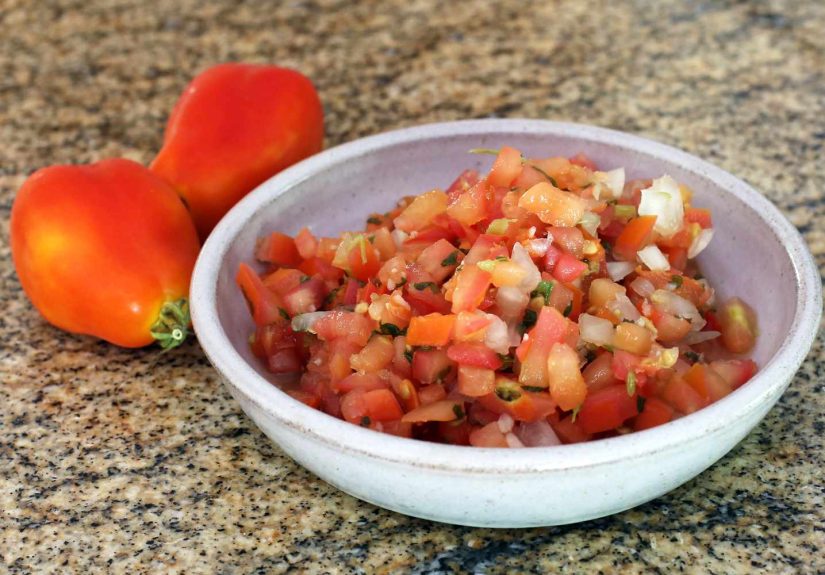
Salsa cruda is a type of salsa fresca or fresh salsa that’s made with raw ingredientsusually tomatoes, onion, fresh chiles, cilantro, lime juice, and salt. No simmering, roasting, or blending into a smooth puree is required. Think of it as the bold, chunky cousin of bottled salsa.
You’ll often see salsa cruda overlap with pico de gallo. Pico de gallo is essentially a chunky “salsa cruda” made with finely diced tomato, onion, jalapeño, cilantro, and lime juice. The big difference compared with blended salsas is texture and water content: pico and salsa cruda stay fairly chunky and less watery, while classic restaurant-style salsa is usually more liquid and often blended or partially cooked.
Why This Easy Fresh Salsa Cruda Recipe Works
This recipe is designed to be:
- Fast: 15–20 minutes from start to first chip dip, including chopping.
- Fresh-tasting: No canned tomatoes, no cooking, just fresh produce.
- Balanced: Just the right mix of acidity, heat, and salt so it tastes restaurant-level, not random-chopped-salad-level.
- Customizable: You can dial the heat up or down, swap in different tomatoes, or add extras like avocado or mango.
Ingredients You’ll Need
Here’s a simple, flexible base recipe that yields about 3 cups of salsa crudaperfect for a small gathering or a family taco night.
Core Ingredients
- 6 medium Roma tomatoes (about 1 1/2 pounds), finely diced
Roma (plum) tomatoes are ideal because they have firmer flesh, fewer seeds, and lower water content than many slicing tomatoes. That means your salsa stays chunky instead of turning into tomato soup. - 1/2 medium white onion, finely diced
White onion gives a sharper, cleaner flavor that stands up well to lime and chiles. - 1–2 jalapeño peppers, seeded and finely minced
Use 1 for mild, 2 for medium heat. Keep some seeds or membranes if you like things spicy. - 1 small clove garlic, very finely minced or grated
Optional but great for a deeper, savory note. Don’t overdo it; raw garlic is powerful. - 1/2 cup fresh cilantro leaves, finely chopped
Cilantro adds that classic “salsa” aroma. Adjust the amount based on your love/hatred of cilantro. - Juice of 1–2 limes (about 3–4 tablespoons)
Lime brings brightness and acidity. Start with the juice of one lime, then add more to taste. - 3/4 to 1 teaspoon kosher salt, plus more to taste
- 1/4 teaspoon freshly ground black pepper (optional)
Optional Add-Ins
- 1 small serrano pepper, minced, for extra heat and a more traditional Mexican kick.
- 1/2 teaspoon ground cumin for a warm, earthy layer of flavor.
- 1/2 ripe avocado, diced for a creamier, chunky salsa.
- 1/2 cup finely diced cucumber or radish for extra crunch.
Step-by-Step: How to Make Easy Fresh Salsa Cruda
1. Choose and Prep the Tomatoes
Start with ripe but firm Roma tomatoes. Avoid overripe, mushy tomatoesthey’ll bleed too much juice and make the salsa watery. Slice the tomatoes in half, scoop out some of the seeds if they’re very juicy, then finely dice the flesh into small, even pieces. Smaller dice = more flavor in every bite and a better chip-to-salsa ratio.
2. finely Dice the Onion and Chiles
Dice the white onion as finely as you can so it blends into the salsa instead of dominating it. For the jalapeños (and serrano, if using), remove the stems, slice in half lengthwise, and scrape out the seeds and membranes for milder heat. Finely mince the remaining flesh. The smaller the pieces, the more evenly the heat will distribute.
3. Combine the Base
In a medium mixing bowl, add the diced tomatoes, onion, jalapeños, and cilantro. If using garlic, avocado, or any extra crunchy veggies, add them now as well.
4. Season With Lime, Salt, and Pepper
Squeeze the juice of one lime over the bowl, then sprinkle in 3/4 teaspoon of kosher salt and the black pepper. Gently toss everything together using a spoon or clean hands. Taste and adjust with more lime or salt as needed. You’re aiming for a bright, punchy flavor that makes you immediately want a tortilla chip.
5. Let It Rest (Briefly)
Let the salsa sit for 10–15 minutes at room temperature. This short rest helps the salt draw out some of the tomato juices and allows flavors to meld. It’s still crisp and fresh, but more cohesive. Give it a final stir and taste again before serving. If it tastes a little flat, it probably wants more salt or lime.
6. Serve and Enjoy
Transfer your salsa cruda to a serving bowl and bring on the chips, tacos, burritos, quesadillas, grilled chicken, fish, or anything else that needs a pop of color and flavor. You can also spoon it over scrambled eggs, breakfast tacos, or grain bowls to make weekday meals feel far less boring.
Best Tomatoes and Variations
While Roma tomatoes are the go-to for salsa cruda, you can absolutely experiment:
- Roma or plum tomatoes: Best all-purpose choice. Meaty, not watery, and hold their shape well in a chunky salsa.
- Campari or cocktail tomatoes: Juicy and sweet, great for a slightly looser salsa with more sweetness.
- Heirloom slicers: Amazing flavor but often very juicy. If you use them, remove seeds and some pulp, and be ready to drain excess liquid.
- Cherry or grape tomatoes: Super sweet and pretty; chop them in quarters or sixths for a colorful, snackable salsa.
The key is to balance flavor and water content. If your tomatoes are very juicy, remove some seeds and pulp or add extra diced onion and jalapeño to help soak up some of the liquid. A quick squeeze through a fine-mesh sieve can also fix an overly watery batch.
Flavor Variations to Try
Once you’ve got the basic easy fresh salsa cruda recipe down, it’s fun to riff on it. Try:
- Smoky salsa cruda: Add a pinch of smoked paprika or a minced chipotle pepper in adobo.
- Roasted-and-raw combo: Quickly char one or two tomatoes or a jalapeño under the broiler, then chop and mix with the rest of the raw ingredients for a deeper flavor while still keeping the fresh crunch.
- Mango or pineapple salsa cruda: Swap out 1 cup of tomatoes for diced ripe mango or pineapple for a sweet-and-spicy topping that’s amazing on fish or shrimp tacos.
- Extra-herb version: Add a little finely chopped fresh oregano or mint for a twistespecially good alongside grilled meats.
How to Serve Salsa Cruda
Sure, salsa cruda and a bowl of tortilla chips is a love story for the ages, but don’t stop there. Try:
- Tacos and burritos: Spoon over carne asada, chicken, carnitas, shrimp, or veggie tacos.
- Grilled proteins: Serve on top of grilled chicken breasts, steak, pork chops, or fish for an instant “sauce.”
- Egg dishes: Brighten up scrambled eggs, omelets, chilaquiles, and breakfast tacos.
- Bowls and salads: Add a scoop to grain bowls, taco salads, or simple green salads for an easy flavor upgrade.
- Avocado toast or quesadillas: Top toast or tuck salsa into cheesy quesadillas so every bite has freshness and heat.
Food Safety: How Long Does Fresh Salsa Cruda Last?
Because salsa cruda is made with raw vegetables and no added preservatives, it has a shorter shelf life than jarred salsa from the store. Stored in an airtight container in the refrigerator, most fresh homemade salsas are best within about 3 to 7 days. The flavor and texture are brightest in the first couple of days, though they’re usually safe for a bit longer if kept cold and handled properly.
A few safety tips:
- Always refrigerate salsa within 2 hours of making or serving it (or within 1 hour if it’s very hot outside).
- Use clean utensils and avoid double-dipping to minimize bacteria.
- Discard salsa that smells sour, looks moldy, or has a strange slimy textureeven if the calendar says it “should” still be good.
Fresh salsa cruda doesn’t freeze especially well because raw tomatoes become mushy after thawing. If you do freeze it, expect a softer, more sauce-like texture once it’s defrostedstill fine for cooking, less great for scooping with chips.
Common Mistakes and How to Fix Them
1. “My Salsa Cruda Is Too Watery”
This usually comes from very juicy tomatoes or overmixing. Next time, remove more seeds and pulp, or choose firmer Roma or plum tomatoes. For the current batch, you can:
- Pour the salsa into a fine-mesh strainer for a few minutes to drain excess liquid.
- Add extra diced tomato flesh, onion, or even a bit of finely diced cucumber to balance things out.
2. “It Tastes Flat or Bland”
Nine times out of ten, the problem is salt or acidity. Add a pinch more salt and a squeeze of lime, stir, and taste again. Cold temperatures also mute flavors, so let the salsa sit at room temp for 10–15 minutes before serving if you made it ahead.
3. “It’s Way Too Spicy”
Congratulations, you’ve learned that jalapeño seeds are not to be trusted. To cool the heat, add more diced tomato and onion, and another splash of lime. Serving it with plenty of chips, avocado slices, or sour cream on the side also takes some of the burn off.
4. “My Onions Are Overpowering”
Raw onion can be intense. If your onion is too strong, next time soak the diced onion in cold water for 10 minutes, then drain and pat dry before adding to the salsa. For this batch, you can add a bit more tomato and cilantro to balance the flavor.
Real-Life Experiences and Extra Tips for Perfect Salsa Cruda
If you’ve ever brought a big bowl of fresh salsa to a party, you know how fast it can disappear. It’s usually the first thing people hover around while pretending to “just have one more chip.” Over time, home cooks learn a few practical lessons about salsa cruda that don’t always make it into recipe cards but absolutely change the way it turns out.
First, timing matters. Salsa cruda tastes noticeably different right after you mix it compared to 30 minutes later. Freshly made salsa blasts you with bright lime and raw onion; after a short rest, everything mellows and blends. If you’re serving it with drinks before dinner, you can chop the ingredients earlier in the day, store them separately, then combine and season about 20–30 minutes before people show up. That way you get the best of both worlds: crisp texture and a well-developed flavor.
Second, the knife work really does make a difference. Evenly sized pieces make each bite feel balanced. When the tomatoes are diced into big hunks and the jalapeños are in large chunks, you end up with “surprise spice bombs” that catch people off guard. Taking an extra few minutes to finely mince the chiles and onion keeps the heat and sharpness evenly distributed so every scoop tastes intentional, not accidental.
Another small but powerful trick: adjust your salsa to match what you’re serving it with. If you’re making rich, cheesy quesadillas, a very lime-forward, saltier salsa cuts through that richness beautifully. For grilled fish or shrimp tacos, a slightly sweeter salsa with a few cherry tomatoes or a bit of fruit (like mango) can make the whole dish feel restaurant-level. Think of the salsa as part of the overall plate, not just something that lives in a separate bowl next to the chips.
You’ll also notice that the “perfect” level of heat depends a lot on your crowd. For kids or spice-sensitive friends, stick with one seeded jalapeño and maybe a sweeter tomato variety. For spice lovers, add a serrano pepper or leave in some seeds and membranes. One smart move is to make a mild base batch, then scoop out a small portion into another bowl and stir in extra minced chile. Label it “HOT” (or “enter at your own risk”) so people can choose their own adventure.
Texture is another place where experience shapes preferences. Some people love salsa cruda almost like a tomato salad with big, juicy chunks, while others want a very fine chop that clings tightly to chips or tacos. After you’ve made the recipe a few times, you might find that you prefer slightly smaller dice for parties (easier to scoop while talking and laughing) and a chunkier version for topping grilled meats, where bigger pieces make more visual impact.
Storage habits matter, too. Putting leftover salsa in a shallow, wide container may seem handy, but a deeper, narrower container actually helps it stay fresher and prevents the top from drying out as quickly. Give it a quick stir and a squeeze of fresh lime the next day to revive the flavor. If you’re planning ahead for a big party, you can chop tomatoes, onions, and cilantro separately the day before, store them in the fridge, and then combine and season everything a few hours before guests arrive. This approach gives you the convenience of make-ahead prep without sacrificing that just-made brightness.
Finally, don’t underestimate the power of good chips. A sturdy, thick tortilla chip with a bit of salt can handle generous scoops of salsa cruda without breaking. Weak, flimsy chips will shatter in the bowl and take your dignity with them. When your salsa is this fresh and colorful, it deserves a solid chip partner.
Once you get comfortable with this easy fresh salsa cruda recipe, it becomes less of a strict formula and more of a flexible habit. You’ll start eyeballing quantities in your own kitchen, adjusting based on how juicy your tomatoes are or how sharp your onions taste that day. That’s when you know you’ve really “learned” the recipe: when you can throw it together without overthinking it, and it still tastes like something you’d proudly serve to guests.
Conclusion
Fresh, fast, and endlessly adaptable, this easy fresh salsa cruda recipe is one of those kitchen basics you’ll come back to again and again. With just a few simple ingredients and a bit of chopping, you can transform humble tomatoes and onions into a bright, restaurant-worthy salsa that makes every meal more exciting. Make it once for taco night, and don’t be surprised if your friends start asking you to “bring that salsa” to every get-together from now on.