Table of Contents >> Show >> Hide
- Meet the King of Fruits (Yes, the Stinky One)
- Durian Nutrition at a Glance
- Key Health Benefits of Durian Fruit
- Possible Downsides and Who Should Be Careful
- How to Enjoy Durian Without Overdoing It
- Does the Smell Mean It’s Bad for You?
- Real-Life Experiences With Durian: From Skeptic to Superfan
- Bottom Line: A Polarizing Fruit With Serious Nutrition
If fruits had a talent show, durian would win “Most Dramatic Entrance.” You can smell
it before you see it, and people either run toward it or away from it. But here’s the twist:
behind that legendary odor, durian is one of the most nutrient-dense fruits you can eat.
It’s loaded with fiber, vitamins, minerals, and powerful plant compounds that can support
everything from digestion to heart healthif you enjoy it in smart portions.
Meet the King of Fruits (Yes, the Stinky One)
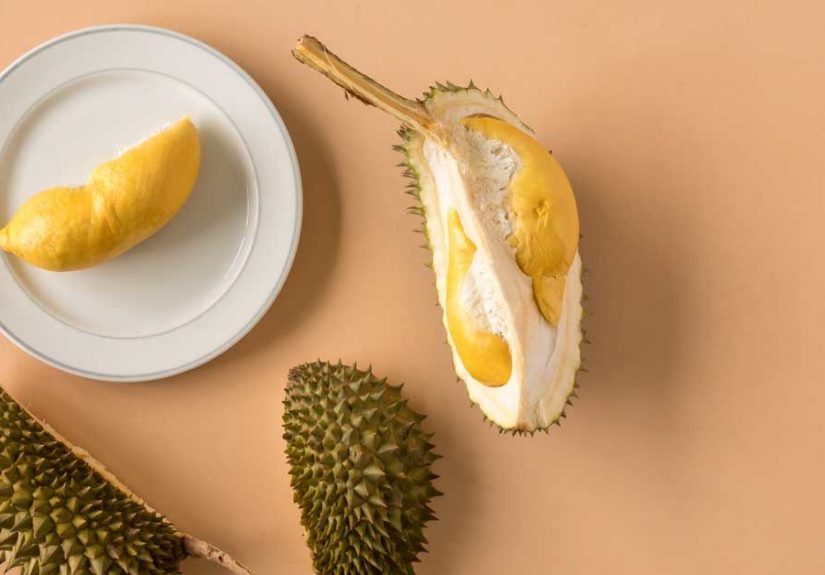
Durian is a large, spiky tropical fruit native to Southeast Asia and often called the
“king of fruits.” Crack open the thick, thorny shell and you’ll find soft, custard-like
pods with a sweet, rich, slightly savory flavor. Depending on the variety and ripeness,
people describe the taste as a mix of vanilla custard, caramel, toasted almonds, and even
hints of onion or cheese.
The smell, though, is what made durian famous (or infamous). Thanks to sulfur-containing
compounds and other aromatic molecules, its aroma has been compared to everything from
overripe onions to strong cheese. Some hotels, taxis, and public transit systems in Asia
even ban durian because of the scent. But in many cultures, that smell signals something
wonderful: a seasonal treat that’s worth the wait.
For nutrition nerds, durian is fascinating. Unlike many fruits that are mostly water and
simple sugars, durian is more like a dessert-meets-superfood combo: higher in calories and
healthy fats, packed with fiber, and rich in vitamins and minerals that many people don’t
get enough of.
Durian Nutrition at a Glance
Exact values vary by variety and ripeness, but a typical one-cup (about 243-250 g) serving
of fresh durian provides roughly:
- High calories (energy-dense, great for a filling snack)
- Plenty of carbohydrates (including natural sugars and fiber)
- Some healthy fats, including monounsaturated fat
- About half your daily vitamin C needs
- B vitamins like thiamine (B1), riboflavin (B2), niacin (B3), and folate
- Minerals such as potassium, magnesium, iron, copper, and phosphorus
- Antioxidant plant compounds that help fight oxidative stress
In other words, this is not a “light” fruit like watermelon. Durian is more like a rich,
naturally sweet snack that also quietly does you a lot of nutritional favors.
Calories, Carbs, and Fats: Why Durian Is So Filling
Durian is notably higher in calories than most fruits. A small durian can contain hundreds
of calories, and a generous serving may easily rival a full meal. That’s because it offers:
- Carbohydrates for quick and sustained energy
- Dietary fiber to slow digestion and keep you full
- Healthy fats, especially monounsaturated fats, which are similar to
those in avocados and olive oil
Despite its richness, durian contains no cholesterol and no trans fats.
The fats it does provide may actually support heart health when eaten as part of a balanced diet.
Vitamins, Minerals, and Antioxidants
Durian’s nutrient profile reads like a multivitamin label:
- Vitamin C: An antioxidant that supports immune function, collagen
production, and skin health. - B vitamins: Thiamine, riboflavin, niacin, and folate help turn food
into energy and support the nervous system and red blood cell production. - Potassium: Helps regulate fluid balance, blood pressure, and muscle
and nerve function. - Magnesium: Supports nerve function, mood, blood pressure, and bone health.
- Iron and copper: Involved in red blood cell formation and oxygen transport.
Add in a mix of antioxidant compounds that help protect cells from damage, and you’ve got a
fruit that earns its “nutrient powerhouse” reputation.
Key Health Benefits of Durian Fruit
1. Supports Digestive Health
Durian is a good source of dietary fiber, which acts like a natural broom for your digestive
system. Fiber helps:
- Promote regular bowel movements
- Prevent constipation
- Feed beneficial gut bacteria that produce short-chain fatty acids
That creamy texture can be deceivingit’s not just dessert; it’s also giving your gut some love.
2. Helps Your Immune System Stay on Guard
With its impressive vitamin C content and antioxidant compounds, durian can support your
immune defenses. Vitamin C helps immune cells function properly and protects them from damage
by free radicals. Antioxidants in the fruit may also help reduce oxidative stress, which is
linked to many chronic conditions.
No, durian won’t magically make you “immune to everything,” but as part of a diet rich in
plant-based foods, it can contribute to better overall immune health.
3. Heart Health and Blood Pressure Support
Durian offers a combination that your heart can appreciate:
- Potassium helps balance sodium levels and maintain healthy blood pressure.
- Monounsaturated fats are generally considered heart-friendly when they
replace saturated or trans fats. - Antioxidants help protect blood vessels from oxidative damage.
Of course, the catch is portion control: the fruit is calorie-dense, so it’s best enjoyed as
a small treat, not an all-you-can-eat challenge.
4. Natural Energy and Mood Support
Durian’s mix of carbohydrates, B vitamins, and minerals makes it a satisfying energy booster.
B vitamins play key roles in converting food into usable energy and supporting brain and
nervous system function. Some people also find that the combination of nutrients and natural
sweetness gives them a noticeable lift in mood and alertness.
5. Potential Benefits for Bones and Tissues
Minerals like potassium, magnesium, iron, and copper, along with vitamin C, support:
- Bone mineral density and bone health
- Collagen formation in skin, joints, and connective tissues
- Oxygen transport and energy metabolism
Durian isn’t a bone supplement, but it is one more plant-based way to sneak extra supportive
nutrients into your day.
Possible Downsides and Who Should Be Careful
As impressive as durian’s nutrition is, it’s not a perfect match for everyone. There are a few
important cautions to keep in mind.
High in Calories and Natural Sugars
Durian is calorie-dense and contains a significant amount of natural sugars. If you’re trying
to lose weight, maintain a lower-calorie diet, or monitor your carbohydrate intake, portions
really matter. Think of durian as a dessert-level fruit: delicious and satisfying, but best
enjoyed in modest amounts.
High Potassium: A Concern for Certain Conditions
Durian is rich in potassium, which is great for most healthy peoplebut not ideal for everyone.
People with chronic kidney disease, significant heart disease,
or those on potassium-restricted diets may need to limit or avoid durian. When the kidneys can’t
properly regulate potassium, levels can rise too high and affect heart rhythm.
If you’re dealing with kidney or serious heart issues, it’s smart to ask your healthcare
provider before making durian a regular snack.
Diabetes and Blood Sugar Management
Durian has fiber, which helps slow down sugar absorption, but it’s still a relatively high-carb,
high-sugar fruit. People with diabetes don’t necessarily have to avoid durian
completely, but portion control and timing are important. Pairing a small serving with protein
or healthy fats, and factoring it into your overall carb budget for the day, can help keep
blood sugar more stable.
Alcohol and Durian: A Poor Mix
You’ll often hear warnings not to consume durian with alcohol. While research is still limited,
there is some concern that compounds in durian may slow the breakdown of alcohol in the body,
making you feel unwell or intensifying side effects. At the very least, both durian and alcohol
are quite taxing on the digestive system when consumed together. Combining the two is not a great idea.
Digestive Discomfort for Some People
Because durian is rich, fiber-filled, and high in certain natural compounds, some people may
experience:
- Bloating
- Gas
- Feeling “overheated” or flushed
- General stomach discomfort if they overeat
If you’re new to durian, start with a small amount and see how your body reacts before you
commit to a durian feast.
How to Enjoy Durian Without Overdoing It
Smart Portion Ideas
Because durian is so rich, a sensible serving is usually:
- 1–2 pods (arils) of fresh durian, or
- Roughly 1/2 to 1 cup of fruit flesh
That’s enough to enjoy the distinctive flavor and get the nutritional benefits without going
overboard on calories and sugar.
Simple Ways to Eat Durian
- Fresh, straight from the shell: The classic wayjust be prepared for the aroma.
- In smoothies: Blend a small portion with ice, unsweetened milk or plant milk,
and maybe a banana for a dessert-like drink. - Frozen treats: Durian ice cream or frozen durian chunks make for a creamy,
indulgent dessert. - With sticky rice: Similar to mango sticky rice, durian pairs well with glutinous
rice and coconut milk in some traditional desserts.
To keep things balanced, try pairing durian with high-fiber and protein-rich foods during the day
and keep added sugars low elsewhere in your diet.
Choosing a Good Durian
If you’re selecting a whole fresh durian:
- Look for a strong but not rotten smell.
- Shake gentlyif you hear the seeds move slightly, it may be ripe.
- Check the stem; a fresh, slightly moist stem usually means a fresher fruit.
- Ask the seller for a variety that matches your taste: some are sweeter, others more complex and creamy.
If you’re nervous about the smell, frozen or pre-packaged durian may be a gentler way to start;
the aroma is often slightly less intense.
Does the Smell Mean It’s Bad for You?
The short answer: no. The strong smell comes from a mix of sulfur compounds
and other volatile molecules that are naturally present in the fruit. These compounds are responsible
for the dramatic aroma, not for making the fruit unsafe.
As long as your durian is freshnot moldy, not overly fermented, and properly storedit’s as safe
as any ripe fruit. If anything, the odor is simply nature’s way of making sure you never forget
the experience.
Real-Life Experiences With Durian: From Skeptic to Superfan
On paper, durian sounds like a nutritionist’s dream: fiber, vitamin C, B vitamins, potassium,
magnesium, antioxidantsthe works. In real life, though, your first durian encounter can feel
more like a dare than a snack.
Imagine this: you’re walking through a bustling night market in Southeast Asia. The air smells
like grilled meat, spices, and… something else. You round a corner and see a mountain of spiky,
football-sized fruits. Locals are lining up, laughing, picking out their favorites. Someone cracks
open a durian, and suddenly the smell hits you like a wall. Your brain says, “Are we sure this is
food?” while everyone around you is excitedly calling it “the best part of the season.”
The first bite is where everything changes. If you’re lucky enough to taste a good, ripe durian,
the texture is unbelievably creamylike chilled custard crossed with whipped cream. The flavor is
complex: sweet, rich, and slightly savory, with hints of caramel, vanilla, and roasted nuts. Some
people notice a faint onion or cheese note in the background, which can be either intriguing or
alarming, depending on your personality.
Many people go through a three-stage relationship with durian:
- Stage 1 – Total Suspicion: “There is absolutely no way I’m eating that.”
- Stage 2 – Cautious Curiosity: “Okay, one tiny bite… for science.”
- Stage 3 – Surprise Attachment: “So… when can we get more of that?”
Once you get used to it, durian can become a highly anticipated seasonal treat. Families plan
weekend trips to durian farms, friends meet at roadside stalls to share a fruit, and people
debate passionately about which variety is superior. Some prefer super-sweet types; others like
bitter-creamy varieties with more complex flavors.
From a health perspective, many durian fans notice practical benefits when they eat it in moderation.
Because it’s so filling, a small serving can satisfy dessert cravings better than a processed snack.
The fiber helps with digestion, and the combination of natural carbs and healthy fats gives you a
long-lasting, steady energy boost instead of a quick sugar spike and crash.
Of course, there are “learning moments” too. Eat durian late at night in large amounts, and you might
feel overly full, warm, or uncomfortable. Pair it with heavy meals, and your digestive system may file
a complaint. That’s usually when people realize this fruit works best as a mindful treat, not a
competitive sport.
If you’re trying durian for the first time, a helpful strategy is to:
- Start with a small amountone or two pods.
- Eat it slowly so your taste buds can adjust to the flavor.
- Avoid mixing it with alcohol or a very heavy meal.
- Give it more than one chance; many people don’t fall in love on the first bite.
Over time, you might find yourself defending durian to skeptical friends, explaining that it’s not
just “the smelly fruit,” but a unique whole-food dessert that also delivers real nutritional value.
You may even start looking forward to durian season, planning your portions so you can enjoy it
regularly without throwing off your health goals.
In the end, durian is a great example of how food can be both fun and functional. It’s a conversation
starter, a cultural experience, and a nutrient-packed fruit all in one prickly package.
Bottom Line: A Polarizing Fruit With Serious Nutrition
Durian’s reputation may be dominated by its smell, but nutritionally, it’s one of the most impressive
fruits around. It offers fiber, vitamin C, B vitamins, potassium, magnesium, and beneficial fats that
can support digestion, heart health, immune function, and energy levels.
The keys are moderation and context. If you’re generally healthy, a small serving of durian can be a
satisfying, nutrient-dense treat in a balanced diet. If you have kidney disease, heart problems, or
diabetes, it’s worth checking with your healthcare team and paying close attention to portions.
Love the smell or hate it, durian proves one thing: sometimes the most unusual foods are the ones
that give you the biggest nutritional payoff.