Table of Contents >> Show >> Hide
- First, a quick reality check: what actually causes acne?
- What hydration really does for your skin
- So… does drinking water help with acne specifically?
- Hydration vs. acne myths: let’s retire a few classics
- How much water should you drink for healthier skin?
- If water isn’t the cure, what matters more for acne?
- A practical “hydrate-smart” plan for acne-prone skin
- When should you see a dermatologist?
- Quick FAQ: the water + acne questions people actually Google
- Conclusion: should you drink more water for acne?
- Real-World Experiences: What People Notice When They Hydrate for Acne (About )
- Experience #1: “I drank more water… and my face stopped feeling angry.”
- Experience #2: “Water didn’t fix my acne, but it fixed my soda habit.”
- Experience #3: “My ‘bacne’ improved when I hydrated… because I started showering after workouts.”
- Experience #4: “I was convinced I had oily skin… but I was dehydrated.”
- Experience #5: “Nothing changed… until I treated my acne properly.”
Let’s be honest: “Drink more water” is advice that gets tossed at acne the way confetti gets tossed at paradesenthusiastically, repeatedly, and sometimes without checking whether it actually helps.
So… does drinking water help with acne?
The satisfying (and slightly annoying) answer is: water can support healthier-looking skin, but it is not a stand-alone acne treatment. Hydration is more like the helpful side character, not the hero of the story. Think: loyal best friend who brings snacks, not the one who defeats the villain in the final scene.
First, a quick reality check: what actually causes acne?
Acne isn’t a single-problem situation. It’s more like a group chat where everyone talks at once: hormones, oil production, clogged pores, inflammation, and bacteria all chime in.
The main acne ingredients (aka the breakout recipe)
- Clogged hair follicles: Dead skin cells + oil (sebum) build up and block the pore.
- Excess sebum: Often influenced by hormones (hello, puberty and menstrual cycles).
- Inflammation: The skin reacts, redness follows, and your mirror becomes judgmental.
- Bacteria: Certain bacteria normally live on skin, but clogged, oily follicles can become a cozy environment for trouble.
That’s why acne treatment usually involves a mix of approaches: unclog pores, reduce oil, calm inflammation, and control bacteriaoften with ingredients like benzoyl peroxide, retinoids, salicylic acid, and (when needed) prescription options.
What hydration really does for your skin
Your skin is an organ with a job: protect you from the outside world like a bouncer at a nightclub. Hydration helps that bouncer stay alert. When you’re dehydrated, skin can look dull, feel tight, and become more prone to irritation.
Hydration supports the skin barrier (but doesn’t “flush out” acne)
One of the biggest benefits of being well-hydrated is supporting your skin barrierthe outer layer that helps keep moisture in and irritants out. When the barrier is compromised, your face may react more easily to:
- Harsh cleansers
- Over-exfoliation
- Dry air (hello, winter and office AC)
- Strong acne treatments used too aggressively
Translation: hydration may reduce dryness-related irritation, which can make an acne routine easier to tolerate. And a routine you can tolerate is a routine you’ll actually stick with. Consistency is boring, but it’s also undefeated.
So… does drinking water help with acne specifically?
Directly clearing acne? The evidence is limited. There isn’t strong clinical proof that simply increasing water intake makes acne disappear.
Indirectly supporting acne improvement? That’s more plausibleespecially if you’re dehydrated or if better hydration leads to better habits.
When water is unlikely to be the magic fix
If your acne is driven by hormones, genetics, inflammatory skin conditions, or comedone formation (clogged pores), you can drink water like it’s your job and still break out. Hydration doesn’t “turn off” oil glands or rewrite your hormones.
When water can help (in the “supporting actor” way)
Drinking enough water may help acne management if it:
- Reduces dehydration-related dullness and irritation so your skin is less reactive.
- Helps you tolerate topical acne treatments (because dryness + retinoids = drama).
- Replaces sugary drinks that can spike blood sugar for some people.
- Encourages better routines (sleep, meals, consistent skincare) that really do affect breakouts.
In other words: water is helpful, but it’s not a substitute for evidence-based acne treatment.
Hydration vs. acne myths: let’s retire a few classics
Myth #1: “Water detoxes acne out of your system.”
Your liver and kidneys handle detoxing. Water supports those organs, surebut acne isn’t “toxins leaving the body.” Acne is mostly about pore clogging, oil, inflammation, and hormones.
Myth #2: “If I’m oily, I must be hydrated.”
Oil and water are different. You can have oily skin and be dehydrated (skin can overcompensate with oil when the barrier is struggling). That’s why “oily” doesn’t automatically mean “moisturized,” and it definitely doesn’t mean “problem solved.”
Myth #3: “If I just hit 8 glasses, acne disappears.”
The “8 glasses” idea is catchy, but hydration needs vary by body size, climate, activity level, diet, and health. Also: more isn’t always better. Overdoing water can be unsafe in extreme cases, especially if you ignore electrolytes.
How much water should you drink for healthier skin?
There’s no acne-specific water numberbecause hydration isn’t a targeted acne therapy. But if you want a solid, science-backed baseline for general health, guidance often lands around:
- About 2.7 liters/day total water for many adult women
- About 3.7 liters/day total water for many adult men
Important: “Total water” includes water from food and all beveragesnot just plain water. If that sounded like a lot, it’s because it includes everything you drink plus moisture in foods like fruits, vegetables, soups, and yogurt.
A simpler way to hydrate (without turning life into a math problem)
- Drink when you’re thirsty.
- Check your urine color (pale yellow is a common “good enough” sign for many people).
- Hydrate more when you sweat a lot, travel, exercise, or live in a hot climate.
- If you’re pounding water after heavy sweating, consider electrolytes via food or appropriate beverages.
If you have kidney, heart, or endocrine conditionsor you’re on medications that affect fluid balancehydration advice should come from your clinician. Your skin doesn’t get to override your organs. That’s not how this works.
If water isn’t the cure, what matters more for acne?
Hydration is helpful, but acne usually improves when you address the real drivers. Here are the heavy hitters that tend to matter more than extra water.
1) A routine that unclogs pores and reduces inflammation
Most dermatology guidance for acne care focuses on consistent, evidence-based ingredients. Depending on acne type and severity, common options include:
- Topical retinoids (help prevent clogged pores)
- Benzoyl peroxide (targets bacteria and inflammation)
- Salicylic acid (helps clear pores, especially blackheads/whiteheads)
- Prescription options for moderate-to-severe acne (topicals, oral antibiotics, hormonal therapy, isotretinoin)
And yes: if you use active ingredients, hydration becomes extra importantbecause irritated, peeling skin tends to rebel. That rebellion can look like more redness, more sensitivity, and less consistency (the real enemy).
2) Diet patterns (for some people)
Diet doesn’t cause acne for everyone, but research suggests certain patterns may worsen breakouts for some:
- High-glycemic-load diets (lots of refined carbs/sugary foods) may be linked to more acne in some studies.
- Dairyespecially certain formshas been associated with acne in some observational research.
- Whey protein sometimes shows up in “my skin freaked out” stories, particularly in gym communities.
Notice what’s missing? A big, dramatic headline that says “Water fixes acne.” The diet-acne relationship is still complex, but it has more supporting evidence than the idea that acne is cured by chugging water alone.
3) Stress, sleep, and friction
Stress can worsen acne, and poor sleep can play a role in inflammation and hormone regulation. Also, friction matters: tight hats, sweaty helmets, face touching, and pore-clogging products can all contribute to breakouts.
A practical “hydrate-smart” plan for acne-prone skin
If you want to use hydration as part of an acne strategy, do it in a way that actually makes sense (and doesn’t turn you into a human aquarium).
Step 1: Aim for “well-hydrated,” not “drowning”
Carry a water bottle if it helps. Sip throughout the day. Don’t punish yourself with gallon challenges unless you’re training for somethingand even then, balance matters.
Step 2: Swap the drinks that mess with your skin routine
If hydration causes you to replace soda, sugary coffee drinks, or energy drinks with water, that change may help some people indirectlyespecially if high sugar intake is part of the picture.
Step 3: Pair water with barrier-friendly skincare
If you’re using acne actives, consider:
- A gentle cleanser (no “squeaky clean” punishment)
- A non-comedogenic moisturizer (yes, even if you’re oily)
- Sunscreen daily (some acne treatments increase sun sensitivity)
Drinking water is internal support. Moisturizing and protecting your barrier is external support. Together, they help your skin stay calm enough to actually improve.
When should you see a dermatologist?
If your acne is painful, cystic, scarring, persistent, or impacting your confidence, it’s worth seeing a board-certified dermatologist. Modern acne care isn’t just “wash your face and hope.” There are stepwise treatment plans and guideline-based options for every severity level.
Also: if you’ve tried over-the-counter products for weeks with little improvement, you’re not failingyou’re just ready for stronger tools.
Quick FAQ: the water + acne questions people actually Google
Does drinking water reduce pimples overnight?
No. Hydration can make skin look less dull or tight, but it won’t erase an inflamed pimple in a day. For fast help, look to targeted spot treatments, ice for swelling, and consistent acne therapy.
Can dehydration make acne look worse?
It can make skin look drier, more irritated, and less resilientespecially if you’re using drying acne treatments. That can make breakouts seem more noticeable and can increase redness.
Does sparkling water cause acne?
Plain sparkling water is generally fine. The bigger issue is sugary sodas or sweetened sparkling drinks. The bubbles aren’t the villain; the sugar sometimes is.
Is coffee dehydrating and bad for acne?
Moderate coffee still counts toward fluid intake for many people. The bigger acne-related concern is what’s in the coffee (lots of sugar, certain dairy choices) and whether caffeine affects your sleep and stress.
Conclusion: should you drink more water for acne?
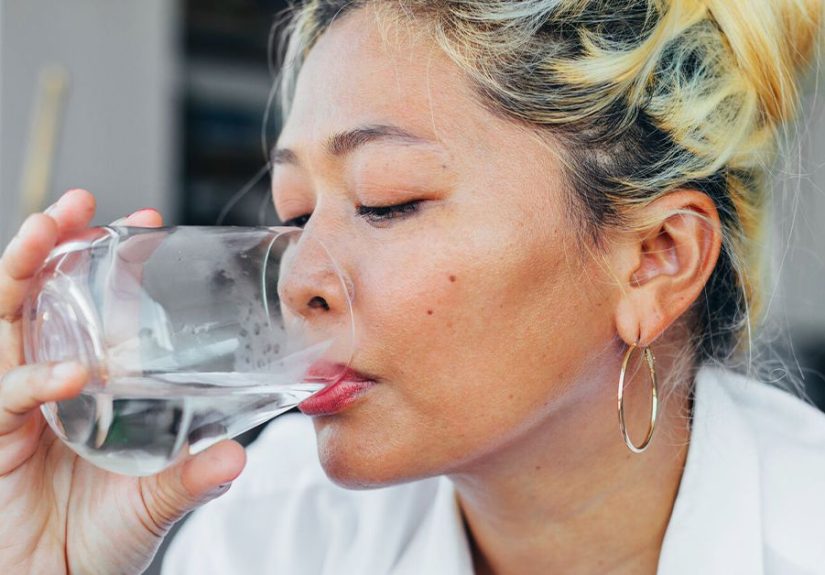
Drink enough water because it’s good for you. It supports overall health and can help your skin function better, especially if you’re dehydrated.
But don’t expect water alone to clear acne. Acne is usually driven by clogged pores, oil, inflammation, hormones, and bacteriaso it responds best to a consistent routine and, when needed, dermatologist-guided care.
If you want the best of both worlds, think “hydrate + treat.” Drink to stay well-hydrated, protect your skin barrier, and use evidence-based acne treatments that actually target what’s happening in the pore. Water can help your plan work better. It just can’t do the whole job by itself.
Real-World Experiences: What People Notice When They Hydrate for Acne (About )
Hydration stories are rarely dramatic. Nobody drinks a glass of water and immediately hears angelic choir music while their pores applaud. But people do report patternsespecially when they change hydration alongside other habits.
Experience #1: “I drank more water… and my face stopped feeling angry.”
This is common for people using drying acne products. They start a retinoid or benzoyl peroxide, their skin flakes like a croissant, and suddenly everything stings. When they hydrate better (and moisturize consistently), the face often looks less tight and reactive. The acne may not vanish overnight, but the skin barrier feels calmermeaning they can keep using their treatment without rage-quitting after three days.
Experience #2: “Water didn’t fix my acne, but it fixed my soda habit.”
Some people don’t notice a direct pimple reduction from water. What they do notice is that replacing sugary drinks with water changes how they snack and how steady their energy feels. Less sugar-heavy sipping can mean fewer cravings, fewer “why did I eat half a bakery at 4 p.m.” moments, anddepending on the personfewer inflammation-flavored breakouts. Not guaranteed, but it’s a plausible domino effect.
Experience #3: “My ‘bacne’ improved when I hydrated… because I started showering after workouts.”
Hydration changes often come with routine changes: gym bag ready, water bottle packed, post-workout shower actually happening. In those cases, it’s not the water doing the heavy liftingit’s the reduced sweat-and-friction time on the skin and better cleansing habits. The water is part of a lifestyle upgrade, and the lifestyle upgrade helps acne.
Experience #4: “I was convinced I had oily skin… but I was dehydrated.”
People with oily or combination skin sometimes realize their face is both shiny and tight. When they hydrate better and stop over-stripping their skin, the oil can look less chaotic. This doesn’t mean hydration “cured” acneit means the skin barrier stopped acting like it was under attack. A calmer barrier can make breakouts easier to manage and makeup sit better (which, emotionally, is half the battle).
Experience #5: “Nothing changed… until I treated my acne properly.”
Also common: someone drinks a ton of water and sees no difference, because their acne is hormonal or comedonal and needs targeted treatment. When they finally add a retinoid, benzoyl peroxide, or get prescription support, things move. Hydration helps them tolerate the regimen, but the regimen is what changes the acne.
The takeaway from these experiences is refreshingly unglamorous: water helps the environment your skin lives in. It can make you feel better, support the barrier, and help you stick with treatment. But acne usually improves when you combine hydration with the right skincare, lifestyle consistency, and medical options when needed.